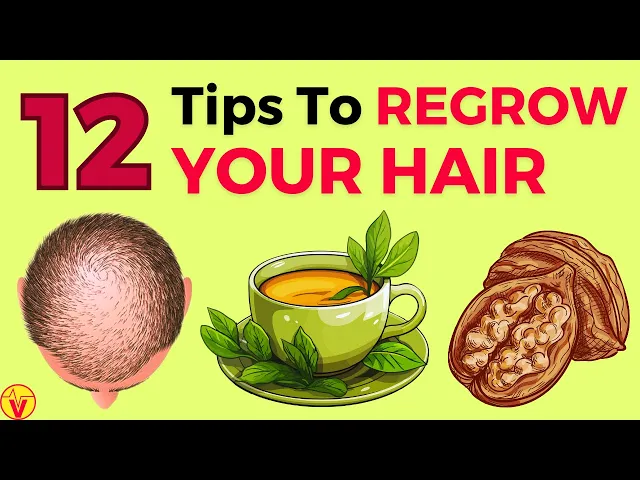
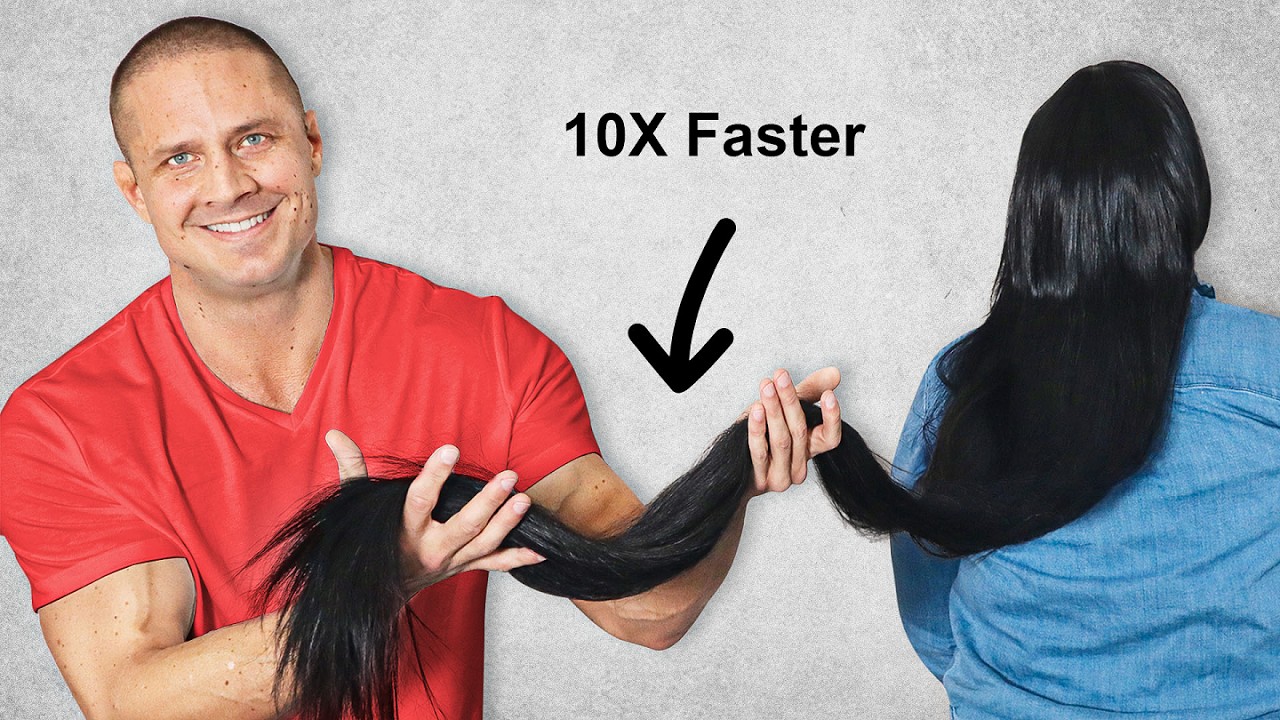
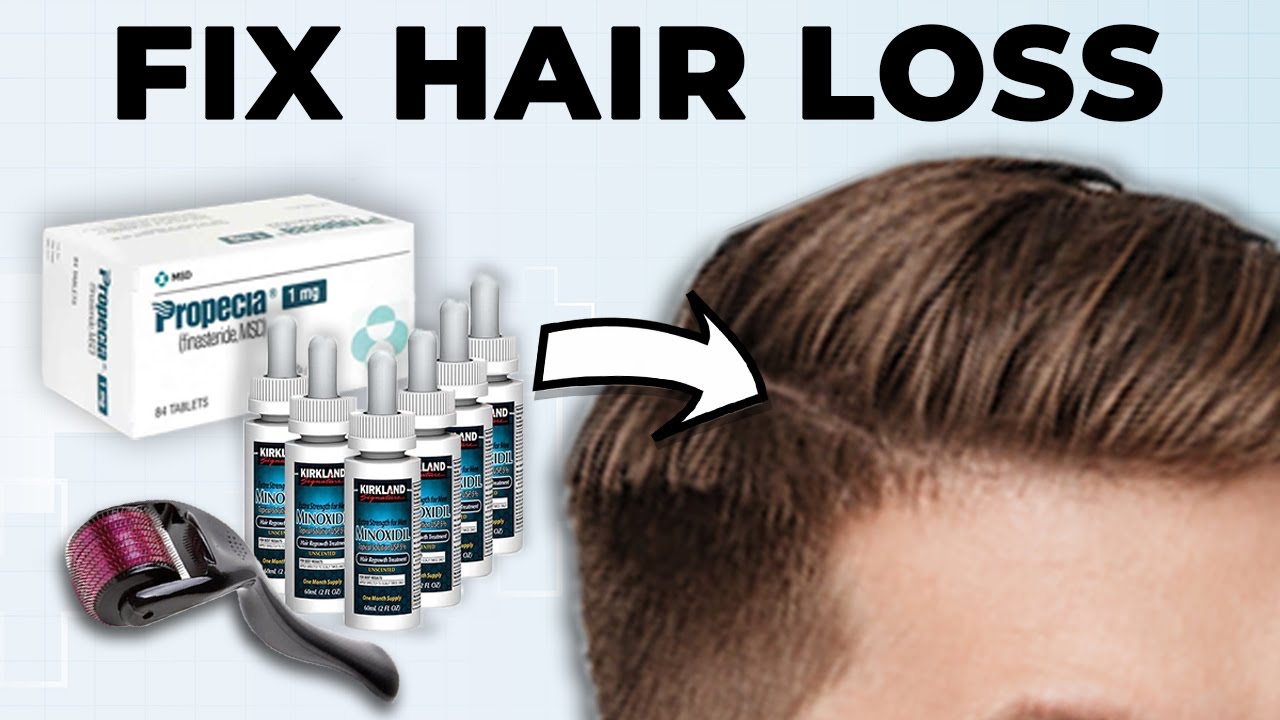
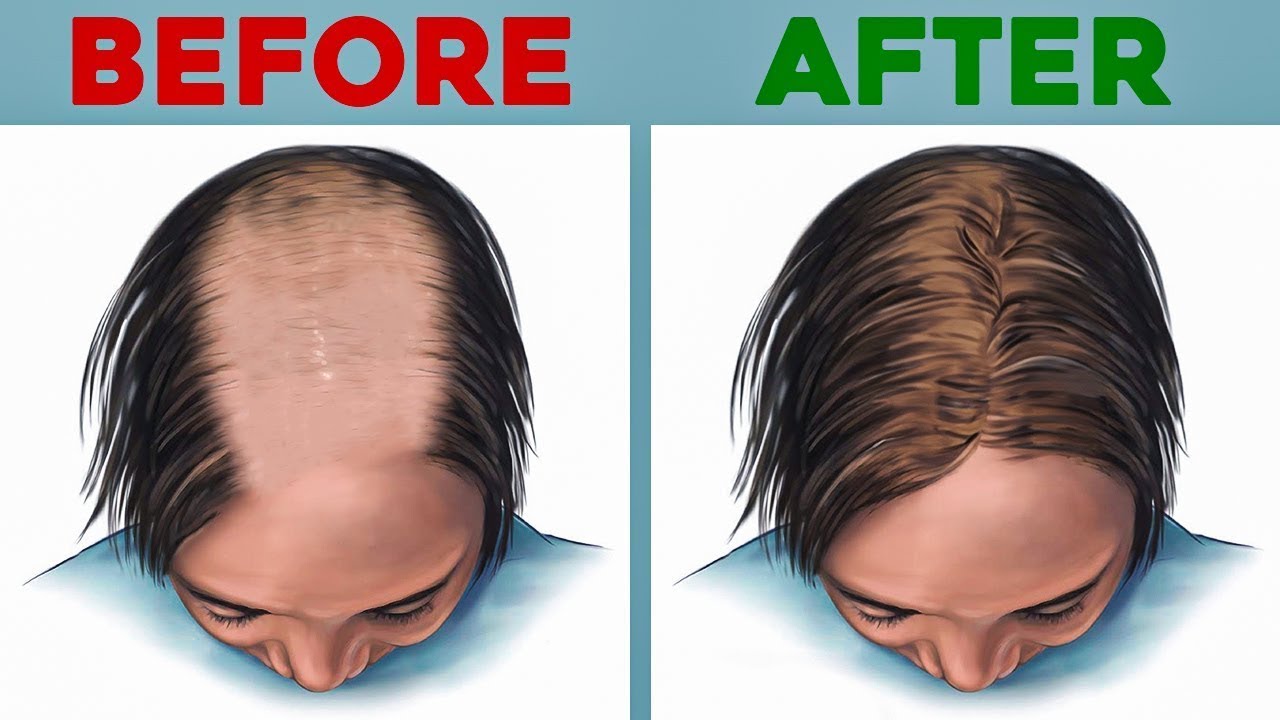
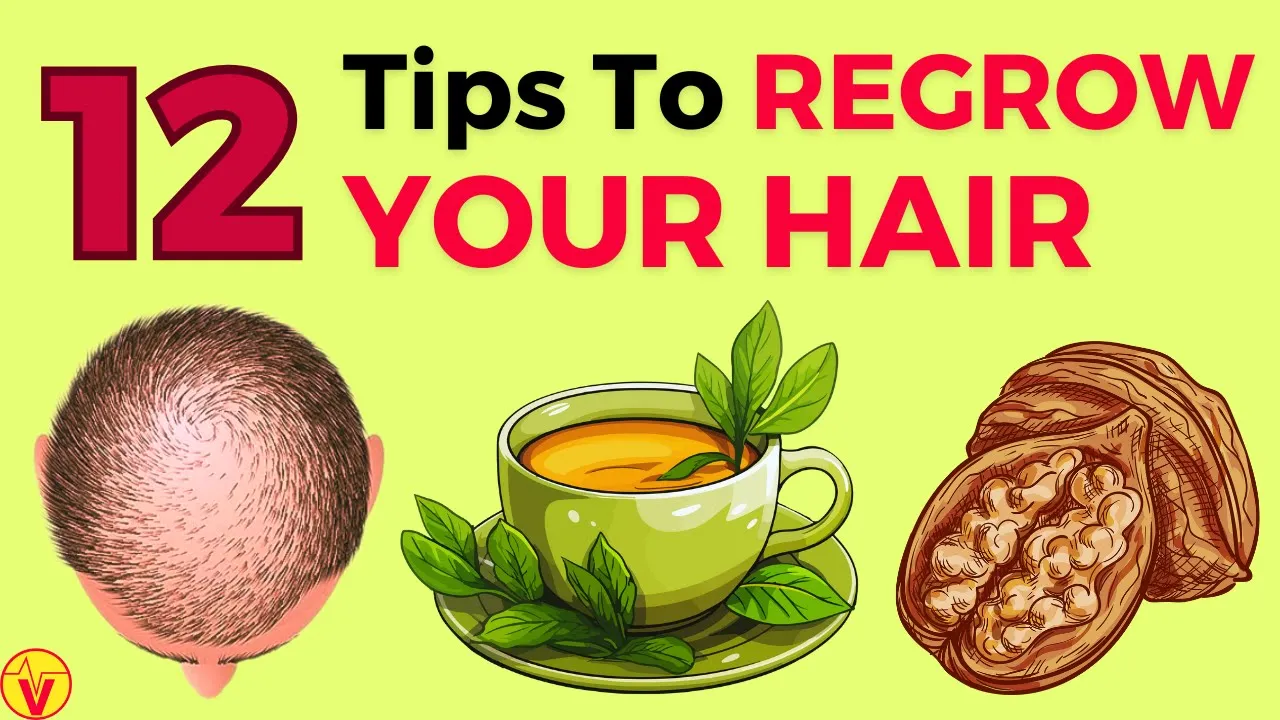
Hello friends, welcome back to our channel. Today, we're diving deep into 12 proven tips to help you regrow your hair naturally. Whether you're dealing with thinning hair or just want to boost your hair's health, these tips are for you.
So, let's get started on your journey to luscious locks! 1. Massage your scalp regularly.
Massaging your scalp regularly can be a simple yet effective way to promote hair growth. This technique works by increasing blood flow to your hair follicles. More blood flow means more nutrients and oxygen reach the follicles, which can stimulate growth.
To do a scalp massage, use your fingertips to apply gentle pressure in circular motions across your entire scalp. Spend about 5 minutes on this daily, ideally when your hair is dry. You can do it while watching TV or before bed.
Some people like to use a scalp massager tool, but your fingers work just fine. Be gentle to avoid damaging your hair or irritating your scalp. Over time, regular scalp massages may help strengthen your roots, reduce stress, and potentially lead to thicker, healthier hair growth.
It's a relaxing self-care practice that costs nothing and feels good, too. 2. Use essential oils like rosemary or peppermint.
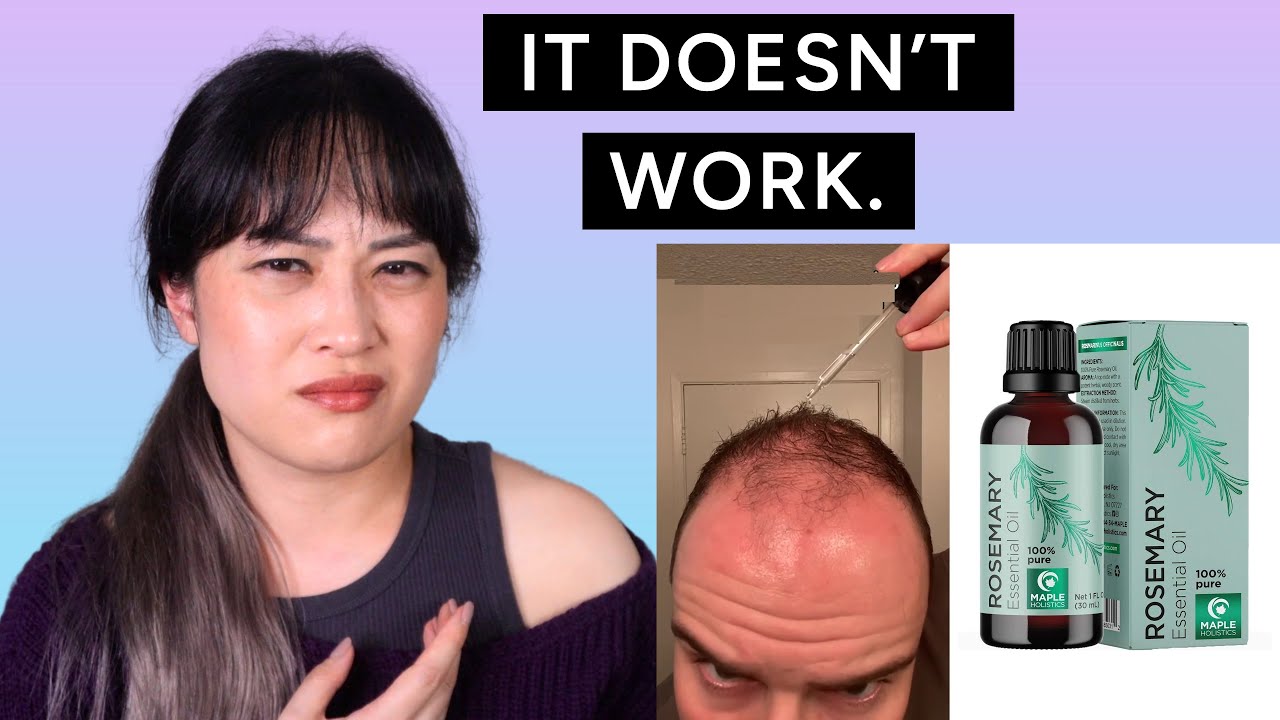
Essential oils, particularly rosemary and peppermint, have shown promise in promoting hair growth. These concentrated plant extracts contain compounds that may stimulate hair follicles and improve scalp health. Rosemary oil, for instance, has been found to increase cellular metabolism and improve circulation when applied to the scalp, potentially leading to faster hair growth.
To use essential oils effectively, always dilute them with a carrier oil like coconut, jojoba, or almond oil. A general rule is to use 3-5 drops of essential oil per teaspoon of carrier oil. Gently massage this mixture into your scalp, ensuring even distribution.
Leave it on for at least 30 minutes or overnight for maximum absorption. Consistency is key when using essential oils. To see potential results, apply the mixture 2-3 times weekly for several months.
It's important to note that essential oils can cause skin irritation in some people. Always do a patch test before full application and discontinue use if you experience any adverse reactions. While research on essential oils for hair growth is promising, more studies are needed to understand their effectiveness fully.
However, many people report positive results, including increased hair thickness and reduced hair fall. Remember, results can vary from person to person, and it may take time to see noticeable improvements. 3.
Caffeine-Based Hair Products. Caffeine-based hair products have gained attention for their potential to stimulate hair growth. These products work by penetrating the hair follicles and blocking the effects of dihydrotestosterone (DHT), a hormone linked to hair loss.
Caffeine also extends the hair growth phase and stimulates the metabolism of hair follicle cells. To effectively use caffeine-based products, look for shampoos, conditioners, or leave-in treatments that contain caffeine. Apply these products directly to your scalp and massage gently.
Leave them on for a few minutes before rinsing. Use these products consistently as part of your regular hair care routine for best results. While caffeine can be absorbed through the scalp, it's important to note that drinking coffee doesn't have the same effect on hair growth.
The concentration of caffeine in these products is much higher than what you'd get from drinking coffee. Some studies have shown promising results, but more research is needed to fully understand the long-term effects of caffeine on hair growth. 4.
Increasing Protein Intake. Protein is crucial for hair growth because hair is primarily made of a protein called keratin. Increasing your protein intake can give your body the building blocks it needs to produce stronger, healthier hair.
Good sources of protein include lean meats, fish, eggs, dairy products, legumes, and nuts. Aim to include a source of protein in every meal. For example, you might have eggs for breakfast, a chicken salad for lunch, and fish with vegetables for dinner.
If you're vegetarian or vegan, combine different plant sources to ensure you get complete proteins. It's not just about eating more protein, but also about eating the right kinds. Look for foods rich in amino acids like lysine and methionine, which are particularly important for hair growth.
These can be found in foods like quinoa, soybeans, and pumpkin seeds. 5. Biotin Supplements.
Biotin, also known as vitamin B7, is a popular supplement for hair growth. It plays a crucial role in the production of keratin, the main protein in hair. While biotin deficiency is rare, supplementing with biotin may help improve hair growth in some people.
The recommended daily intake of biotin for adults is 30 micrograms, but many hair growth supplements contain much higher doses, often 2,500-5,000 micrograms. These higher doses are generally considered safe, as biotin is water-soluble and excess is excreted in urine. When taking biotin supplements, be consistent and give it time to work.
It may take 3-6 months of regular use before you notice any changes in hair growth. It's also important to note that while biotin can help with hair growth, it won't prevent hair loss caused by factors like genetics or certain medical conditions. Always consult with a healthcare professional before starting any new supplement regimen, especially if you're taking other medications or have existing health conditions.
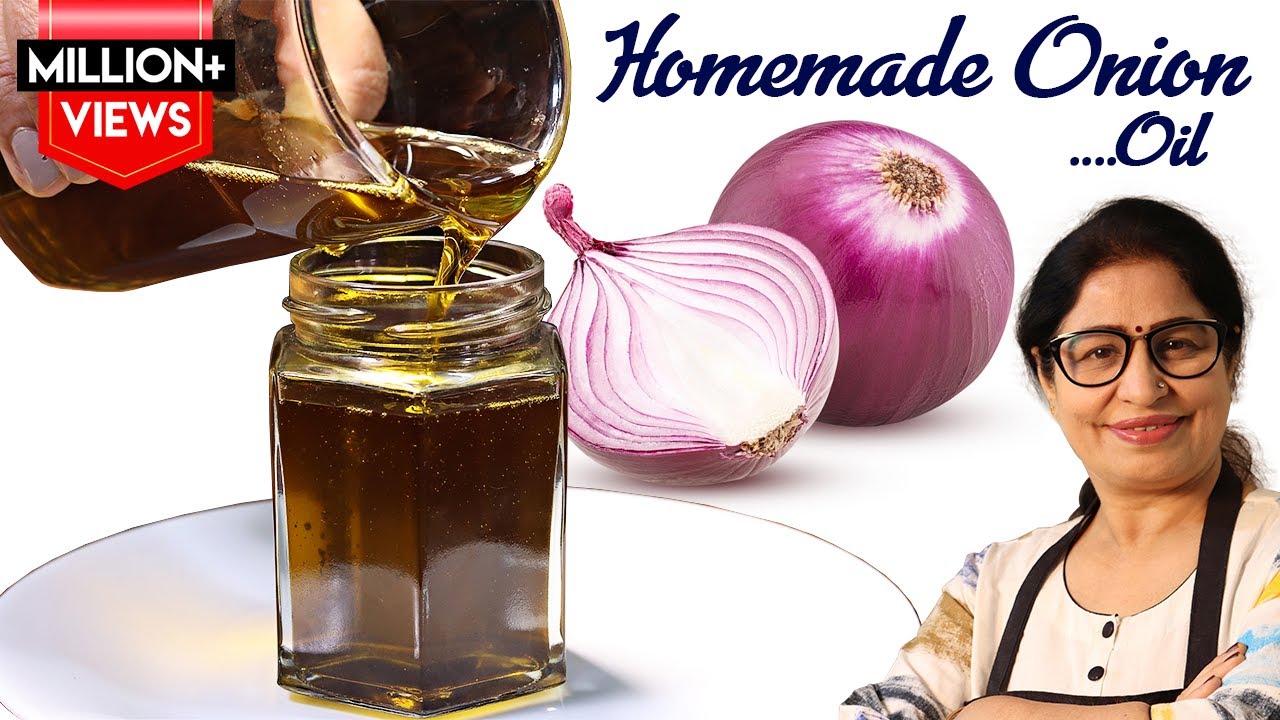
6. Onion Juice Application. Onion juice may seem like an unusual hair treatment, but it has properties that could promote hair growth.
Onions are rich in sulfur, which is thought to improve blood circulation to hair follicles and promote collagen production. They also have antibacterial properties that may help combat scalp infections. To use onion juice, blend or grate an onion and squeeze out the juice.
Apply this directly to your scalp and gently massage it in. Leave it on for about 15 minutes, then wash it out thoroughly with a mild shampoo. Due to the strong smell, you might want to do this treatment before showering.
Use this treatment 2-3 times a week for at least a month to see potential results. Some people may experience scalp irritation from onion juice. If this happens, dilute the juice with water or a little coconut oil.
Always do a patch test first to check for any adverse reactions. While some studies have shown promising results, more research is needed to fully understand how effective onion juice is for hair growth. 7.
Aloe Vera Gel Application. Aloe vera gel has long been used for various hair and skin treatments. It contains vitamins A, C, and E, which are believed to contribute to cell turnover, promoting healthy cell growth and shiny hair.
Aloe vera also has anti-inflammatory properties that may help soothe an itchy scalp and reduce dandruff. To use aloe vera gel for hair growth, apply pure aloe vera gel directly to your scalp. Massage it gently into your scalp and hair, leave it on for an hour, and rinse it with a mild shampoo.
Do this two to three times a week. Another option is to mix aloe vera gel with coconut or olive oil to make a nourishing hair mask. Apply this mixture to your hair and scalp, leave it on for 30 minutes to an hour, then wash it out.
While aloe vera is generally safe for most people, some may be allergic to it. Always do a patch test before applying it to your entire scalp. Also, use pure aloe vera gel rather than products that contain aloe vera as an ingredient, as these may have other additives that could irritate your scalp.
8. Saw Palmetto Supplements. Saw palmetto is a plant extract that has been used traditionally for hair growth.
It's believed to work by blocking the production of dihydrotestosterone (DHT), a hormone that contributes to hair loss in some people, particularly men with male pattern baldness. Saw palmetto supplements typically come in capsule form, with dosages ranging from 160 to 320 mg daily. It's important to follow the dosage instructions on the product label or as advised by a healthcare professional.
Like any supplement, consistency is key – it may take several months of regular use to see any potential effects on hair growth. While some studies have shown promising results, the evidence for saw palmetto's effectiveness in promoting hair growth is still limited. It's also worth noting that saw palmetto can interact with certain medications, including blood thinners and hormonal treatments.
As with any supplement, it's crucial to consult a healthcare provider before starting saw palmetto, especially if you have any existing health conditions or are taking other medications. 9. Omega-3 Fatty Acids in Diet.
Omega-3 fatty acids are essential fats that play a crucial role in the health of your hair. These fatty acids nourish hair follicles, support hair thickening, and can even help reduce inflammation that may lead to hair loss. Fatty fish like salmon, mackerel, and sardines are good dietary sources of omega-3s, as are plant-based sources like flaxseeds, chia seeds, and walnuts.
Aim to eat fatty fish at least twice a week or include a serving of plant-based omega-3s in your daily diet. If you don't eat fish or struggle to get enough omega-3s from your diet, consider a fish oil or algae-based omega-3 supplement. However, always consult a healthcare provider before starting any new supplement regimen.
10. Stress Reduction Techniques. Chronic stress can contribute to hair loss, so managing stress levels may help promote healthier hair growth.
Stress reduction techniques like meditation and exercise can help lower cortisol levels, which may positively impact hair growth. Meditation can be as simple as sitting quietly for 10-15 minutes daily, focusing on your breath. Many guided meditation apps are available if you're new to the practice.
Regular exercise, whether a brisk walk, yoga, or more intense workouts, can also help reduce stress levels. Other stress-reduction techniques include deep breathing exercises, progressive muscle relaxation, and engaging in hobbies you enjoy. Getting enough sleep is also crucial for managing stress and promoting overall health, including hair health.
Remember, stress reduction is not just about preventing hair loss but improving your overall well-being. 11. Green Tea Hair Rinse.
Green tea is rich in antioxidants, particularly catechins, which may help promote hair growth and prevent hair loss. These compounds can help block the production of dihydrotestosterone (DHT), a hormone that can shrink hair follicles and lead to hair loss. To make a green tea rinse, steep 2-3 bags of green tea in 1 cup of hot water.
Let it cool, then apply it to your scalp and hair after shampooing. Massage it into your scalp and let it sit for 10-15 minutes before rinsing out. You can do this 1-2 times a week.
You can add a few drops of peppermint essential oil to your green tea rinse for an extra boost. Peppermint oil may help stimulate blood flow to the scalp, potentially promoting hair growth. While green tea rinses are generally safe for most people, be aware that green tea contains caffeine, which some people might be sensitive to.
If you notice any scalp irritation, reduce the frequency of use or discontinue altogether. 12. Egg Yolk and Olive Oil Mask.
A hair mask made from egg yolk and olive oil can nourish your hair and scalp, potentially promoting healthier hair growth. Egg yolks are rich in proteins, biotin, and other beneficial nutrients for hair health. Olive oil is moisturizing and can help protect hair from damage.
To make this mask, mix two egg yolks with two tablespoons of olive oil. Apply this mixture to your scalp and hair, focusing on the roots and working your way to the ends. Cover your hair with a shower cap and leave the mask on for 15-20 minutes before washing it out with cool water and mild shampoo.
For best results, use this mask once a week. If you have particularly oily hair, you should use egg whites instead of whole eggs, as the whites can help remove excess oil. Be sure to rinse the mask thoroughly with cool water to prevent the egg from cooking in your hair.
Also, if you have an egg allergy, avoid this treatment and consult with a dermatologist for alternative hair masks. In conclusion, we've covered 12 natural ways to promote hair growth. Remember, consistency is key, and results may take time, so be patient with your hair growth journey.
If you found this video helpful, please hit that like button and subscribe to our channel for more hair care tips and tricks. Click the notification bell to stay updated on our latest uploads. Share this video with friends who might benefit from these natural hair growth solutions.
Thanks for watching, and we'll see you in the next video!