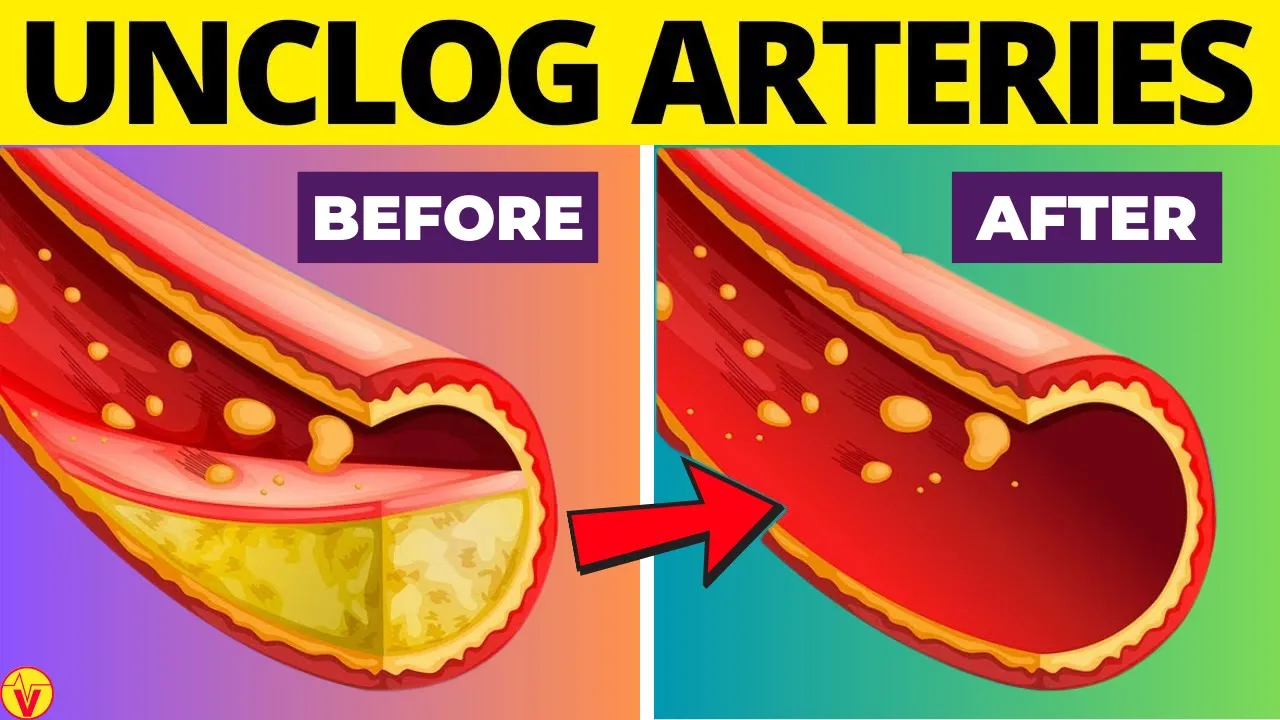
Hello friends, welcome back to our channel! In this video, we'll explore 12 drinks science suggests could help keep your arteries clear and your heart strong. 1.
Pomegranate Juice. Pomegranate juice can help your heart and blood vessels stay healthy. It has special substances called polyphenols, which are very good at fighting damage in your body.
These polyphenols can stop bad cholesterol from building up in your arteries. When bad cholesterol builds up, it can make your arteries narrow and hard, which is not good for your heart. This juice also contains a lot of vitamin C and other helpful plant chemicals.
These work together to strengthen the inside lining of your blood vessels. When your blood vessels are strong, they can better control how blood flows through them. This is important because good blood flow helps prevent heart problems.
Some studies have shown that drinking pomegranate juice regularly might reduce plaques in arteries. Plaques are fatty deposits that can clog up your arteries. By shrinking these plaques, the juice helps keep your arteries open and working well.
Pomegranate juice might also help lower blood pressure. High blood pressure can hurt your arteries over time, so keeping it lower is good for your heart. The juice works partly by affecting enzymes that control blood pressure.
One thing to remember is that pomegranate juice has natural sugars. If you're watching your sugar intake, you should limit how much you drink. But overall, adding some pomegranate juice to your diet could be a tasty way to help keep your heart and arteries healthy.
2. Green Tea. Green tea can help keep your heart and blood vessels in good shape.
It has special compounds called catechins, which are a type of antioxidant. These catechins can help stop inflammation in your body, which is good because inflammation can hurt your arteries. One of the main catechins in green tea is called EGCG.
This compound can help your body break down fats better. When your body handles fats well, there's less chance of them building up in your arteries. EGCG also helps your cells use insulin more effectively, which can help control blood sugar levels.
Green tea might also help your body make more nitric oxide. Nitric oxide is important because it helps your blood vessels relax and widen. When your blood vessels are relaxed, blood can flow through them more easily, helping lower your blood pressure and reduce strain on your heart.
Some studies have found that people who drink green tea regularly have a lower risk of heart disease. This might be because green tea helps keep the cells that line your blood vessels healthy. Healthy blood vessel lining can help prevent blood clots from forming.
Green tea contains a small amount of caffeine, which can give you a gentle energy boost. However, it also contains a compound called L-theanine, which can help you feel calm. This balance of energy and calmness can benefit your overall health.
3. Beet Juice. Beet juice can help improve how blood flows through your body.
It's high in compounds called nitrates. When you drink beet juice, your body turns these nitrates into nitric oxide. Nitric oxide helps your blood vessels open up, which lets blood flow more freely.
This juice also has betalains, which are pigments that give beets their deep red color. Betalains are strong antioxidants. They can help protect your body from damage caused by harmful molecules called free radicals.
This protection is good for your heart and blood vessels. Drnking beet juice lowers your blood pressure. This is important because high blood pressure can damage your arteries over time.
Some studies have shown that drinking beet juice can lower blood pressure in just a few hours. Beet juice contains compounds that can help reduce inflammation in the body. Less inflammation is good for your arteries because it helps keep them flexible and healthy, and flexible arteries are better at handling changes in blood pressure.
This juice is also a good source of folate, a B vitamin. Folate helps your body make new cells and can help lower levels of a substance called homocysteine in your blood. High levels of homocysteine have been linked to heart problems.
Beet juice has natural sugars, so you should drink it in moderation if you're watching your sugar intake. But for many people, adding some beet juice to their diet could be a simple way to support heart and artery health. 4.
Tart Cherry Juice. Tart cherry juice can help keep your arteries healthy and flexible. It's full of plant compounds called anthocyanins.
These compounds give tart cherries their deep red color and have strong antioxidant effects. Antioxidants help protect your arteries from damage. This juice has been found to help reduce inflammation in the body.
Less inflammation is good for your arteries because it helps prevent the buildup of plaque. Plaque can make your arteries stiff and narrow, which isn't good for your heart. Drnking tart cherry juice might help lower your blood pressure.
It works in a similar way to some blood pressure medications but in a gentler, natural way. Lower blood pressure means less stress on your arteries and heart. Tart cherry juice contains melatonin, a compound that helps regulate sleep.
Good sleep is important for heart health. Sleeping well gives your body time to repair and maintain your blood vessels. Some studies have shown that tart cherry juice can help reduce muscle soreness after exercise.
This might encourage people to exercise more regularly, which is great for heart health. Regular exercise helps keep your arteries flexible and strong. The juice also contains potassium, a mineral that helps control blood pressure.
Potassium works with sodium in your body to manage fluid balance, which affects blood pressure. Getting enough potassium in your diet is important for keeping your arteries healthy. 5.
Orange Juice. Orange juice is a well-known source of vitamin C, but its benefits for artery health go beyond just that. Vitamin C is crucial for making collagen, a protein that helps keep your arteries strong and flexible.
Strong arteries are better able to handle changes in blood pressure. This juice contains flavonoids, especially hesperidin. Hesperidin can help improve blood vessel function by helping the inner lining of your blood vessels (called the endothelium) function better.
A healthy endothelium helps control blood flow and prevent clots. Drnking orange juice might help lower bad cholesterol and raise good cholesterol. This balance is important for preventing plaque buildup in the arteries, which can make them narrow and stiff.
While orange juice has many benefits, it's also high in natural sugars. If you're watching your sugar intake, you should limit how much you drink. You could also try eating whole oranges to get the benefits of more fiber and less concentrated sugar.
6. Cranberry Juice. Cranberry juice is known for helping with urinary tract health, but it's also good for your arteries.
It contains compounds called proanthocyanidins. These compounds can help stop LDL cholesterol (the bad kind) from oxidizing. When LDL cholesterol oxidizes, it can damage your artery walls.
This juice is rich in polyphenols, which are plant compounds that act as antioxidants. Polyphenols can help reduce inflammation in the body. Drnking cranberry juice might help improve the function of your HDL cholesterol (the good kind).
HDL cholesterol helps remove excess cholesterol from your arteries, keeping them clear and healthy. Some studies have shown that cranberry juice can help lower blood pressure. It seems to work by making your blood vessels more relaxed and flexible.
Flexible blood vessels can handle changes in blood flow better. Cranberry juice contains vitamin C, which is important for making collagen. Collagen is a protein that helps keep your artery walls strong.
Strong artery walls are less likely to develop weak spots or bulges. While cranberry juice has health benefits, many commercial brands add a lot of sugar. Look for low-sugar or unsweetened versions to get the benefits without extra calories.
You could also try mixing unsweetened cranberry juice with sparkling water for a refreshing, lower-sugar drink. 7. Tomato Juice.
Tomato juice is rich in a compound called lycopene. Lycopene gives tomatoes their red color and is a powerful antioxidant. It can help protect the cells lining your arteries from damage.
This protection can help prevent the formation of plaque in your arteries. Drnking tomato juice might help lower bad cholesterol and raise good cholesterol. This balance is important for keeping your arteries clear.
When your cholesterol levels are good, there's less chance of fatty deposits building up in your arteries. Tomato juice contains potassium, which is important for controlling blood pressure. It also contains vitamin C, which helps the body make collagen.
Store-bought tomato juice is often high in sodium, which can be problematic if you watch your salt intake. Look for low-sodium versions, or make your own at home, where you can control the amount of salt. You can also mix tomato juice with other vegetable juices for a lower-sodium option.
8. Red Wine. Red wine might be good for your heart and arteries when taken in small amounts.
It contains compounds called polyphenols, especially resveratrol. Resveratrol can help protect the lining of your heart's blood vessels, which is important for keeping your arteries healthy. Drnking a small amount of red wine might help raise good cholesterol levels.
HDL cholesterol helps remove excess cholesterol from your arteries, which can help prevent plaque buildup. Red wine contains antioxidants that can help reduce inflammation in the body. Some studies suggest that it also helps make blood less likely to form clots, which is good for preventing strokes.
However, it's important to note that too much alcohol can have the opposite effect and increase clot risk. The alcohol in red wine, when consumed in moderation, might help your body use insulin better. Good insulin use is important for controlling blood sugar levels.
Controlled blood sugar is good for the health of your blood vessels. It's important to remember that these potential benefits only come from moderate drinking. This means no more than one 5-ounce glass per day for women and no more than two for men.
Drnking more than this can be harmful to your health. If you don't already drink alcohol, it's not recommended to start for health benefits. 9.
Watermelon Juice. Watermelon juice is high in an amino acid called citrulline. Your body changes citrulline into another amino acid called arginine.
Arginine helps your body make nitric oxide. Nitric oxide is important because it helps your blood vessels relax and widen, which can lower blood pressure. This juice is also rich in lycopene, the same compound found in tomatoes.
Lycopene is a strong antioxidant that can help protect your arteries from damage. Drnking watermelon juice might help reduce the stiffness of your arteries. Softer, more flexible arteries are better at handling changes in blood pressure.
This flexibility can help reduce the risk of heart problems. Watermelon juice contains vitamins A and C, which are both good for your heart. Vitamin A helps keep the lining of your blood vessels healthy.
Vitamin C helps your body make collagen, which is important for strong artery walls. While watermelon juice is healthy, it's also high in natural sugars. If you're watching your sugar intake, you might want to limit how much you drink.
You could also try eating watermelon slices instead of drinking the juice to get more fiber along with the juice. 10. Hibiscus Tea.
Hibiscus tea is made from the flowers of the hibiscus plant. It contains compounds called anthocyanins, which give the tea its deep red color. These anthocyanins are strong antioxidants that can help protect your arteries from damage caused by harmful molecules called free radicals.
Drnking hibiscus tea might help lower your blood pressure. It seems to work as a natural ACE inhibitor. ACE inhibitors are a type of blood pressure medication that helps relax your blood vessels.
When your blood vessels are relaxed, blood can flow through them more easily. This tea has compounds that might help lower levels of bad cholesterol and fats called triglycerides in your blood. Lower levels of these substances can help prevent plaque buildup in your arteries.
While hibiscus tea has many potential benefits, it's important to note that it can interact with some medications, especially those for high blood pressure. If you're taking any medications, you should talk to your doctor regularly before adding hibiscus tea to your diet. 11.
Cocoa Drnk. Cocoa drinks made with unsweetened cocoa powder can be good for your heart and arteries. Cocoa is rich in compounds called flavanols, which can help improve the inner lining of your blood vessels.
A healthy blood vessel lining is better at controlling blood flow. Drnking cocoa might help lower your blood pressure. It seems to work by helping your body make more nitric oxide.
Cocoa contains antioxidants that can help reduce inflammation in your body. Some studies have shown that cocoa can help make your arteries more flexible. Flexible arteries are healthier and work better than stiff ones.
They can expand and contract more easily as your heart beats. Cocoa might also help improve the balance of fats in your blood. This balance is important for preventing plaque buildup in your arteries.
When making cocoa drinks for heart health, it's best to use unsweetened cocoa powder and limit added sugars. If you like it sweeter, add a small amount of honey or a sugar substitute. 12.
Blueberry Juice. Blueberry juice is rich in compounds called anthocyanins. These are the pigments that give blueberries their deep blue color.
Anthocyanins are strong antioxidants that can help protect your arteries from damage caused by harmful molecules called free radicals. Drnking blueberry juice might help improve how well your arteries can widen. This ability to widen is called vasodilation.
Good vasodilation helps your blood vessels control blood flow better. It can also help lower blood pressure by making blood flow easier. Blueberry juice contains compounds that might help reduce inflammation and can help make your arteries more flexible.
Flexible arteries are healthier than stiff ones. They can handle changes in blood pressure better, which is good for your overall heart health. This juice is a good source of vitamin C, which helps your body make collagen.
Collagen is important for keeping your artery walls strong, and strong artery walls are less likely to develop weak spots or bulges. While blueberry juice has many potential benefits, it's also high in natural sugars. So, check your consumption if you have diabetes.
You could also try eating whole blueberries for more fiber and less concentrated sugar. Thank you for watching the video. If you found this information helpful, please give the video a thumbs up and subscribe to our channel for more health tips.
Hit the notification bell to stay updated on our latest content. Share your thoughts or questions in the comments below - we'd love to hear from you! And don't forget to share this video with friends and family who might benefit from this information.
Thanks for watching!










![IMPOSSIBLE! [or NOT?] – Learn English Conversation in 4 Hours](https://img.youtube.com/vi/8FzY7cgKOmI/maxresdefault.jpg)