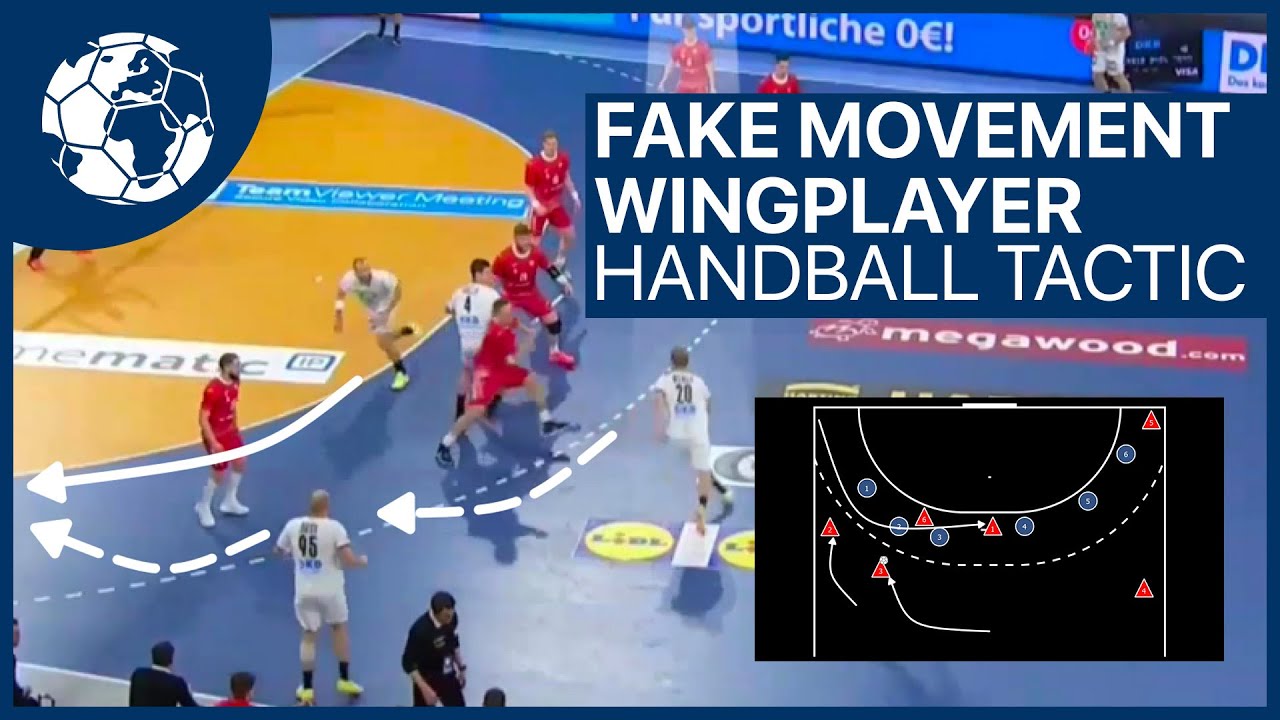
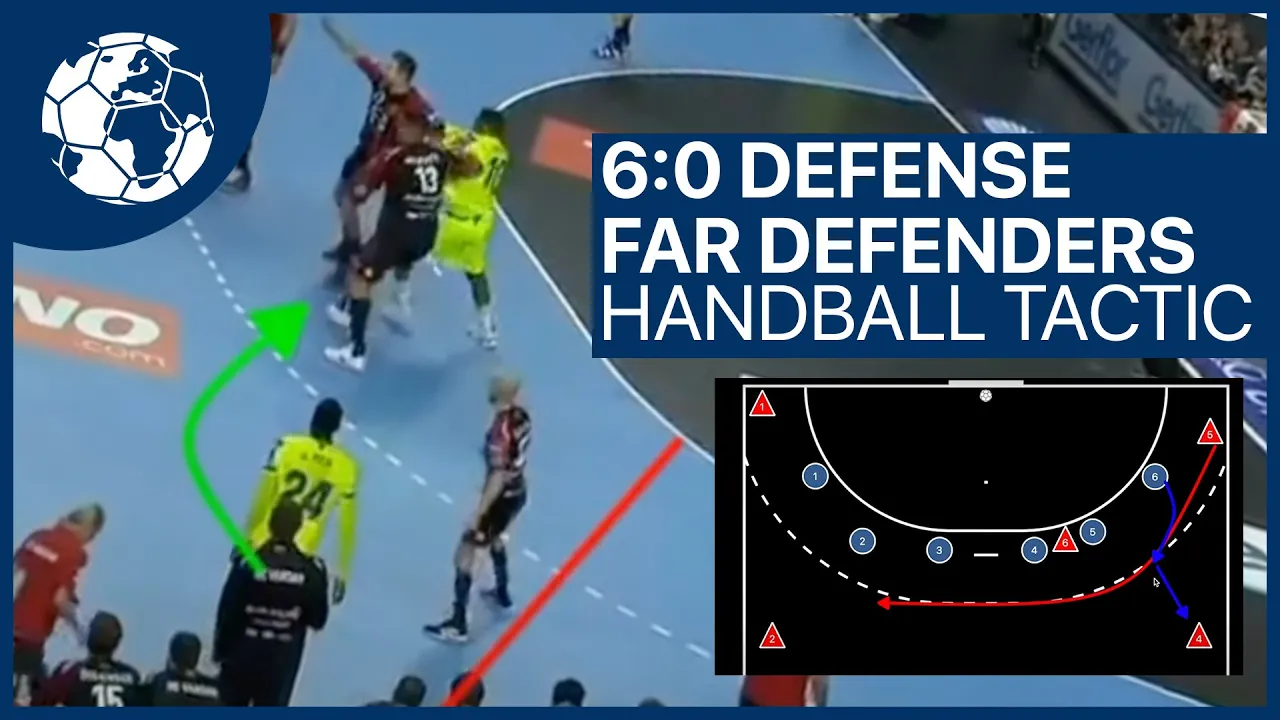
Hej Handball Inspirators, Vardar Skopje played an outstanding CL Final Four in Cologne in 2019 and defeated the top teams, Barcelona and Vezsprem. In this video, we take a closer look at the tactical approach of Vardar's defense and especially the flexible defensive play of the far defenders like Dibirov and Cupic. You will learn the special skills with which Vardar integrates their outer defenders into the defensive game and why they don't get any goals after the opponent's running in from the mismatch with the pivot.
You are at Handball Inspires and that's what it's all about, pick out the points that are important for your game and let's talk about your questions in the comments. Stay on the ball and get inspired. We will first get to know the line-up of the winning team of 2019.
Elementary was the inner block around Kristopans, which was more defensive. The half-defenders take a much more offensive part and especially fight the half-attackers early on, who started the game in a dominant position. In the semi-final was the Mem from Barcelona.
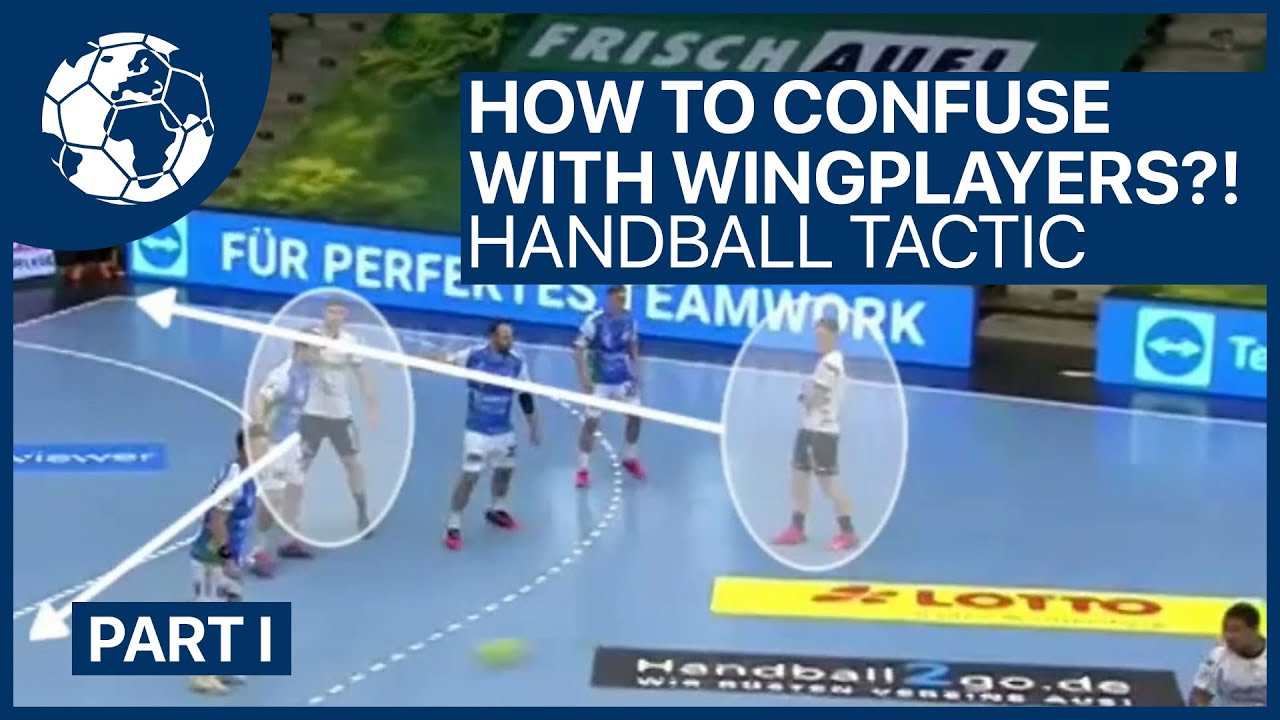
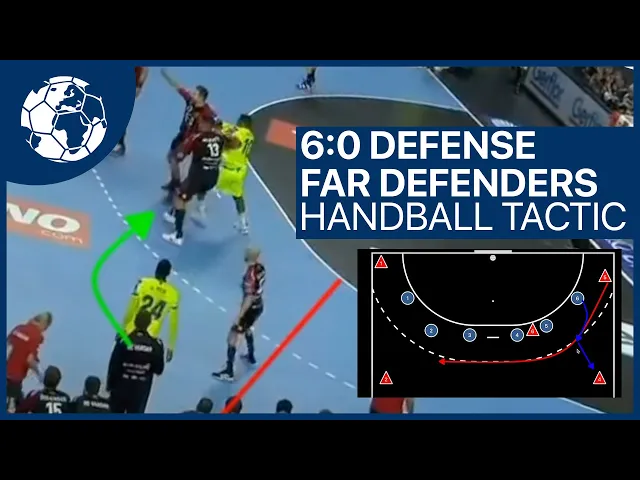
But in this analysis we would like to take a look at the far defenders. Many coaches would see their chance with the small players Cupic and Dibirov and attack them via a mismatch situation. That's why we will look at 3 special rules that Vardar uses to make up for the physical weakness of their far defenders and take advantage of their speed.
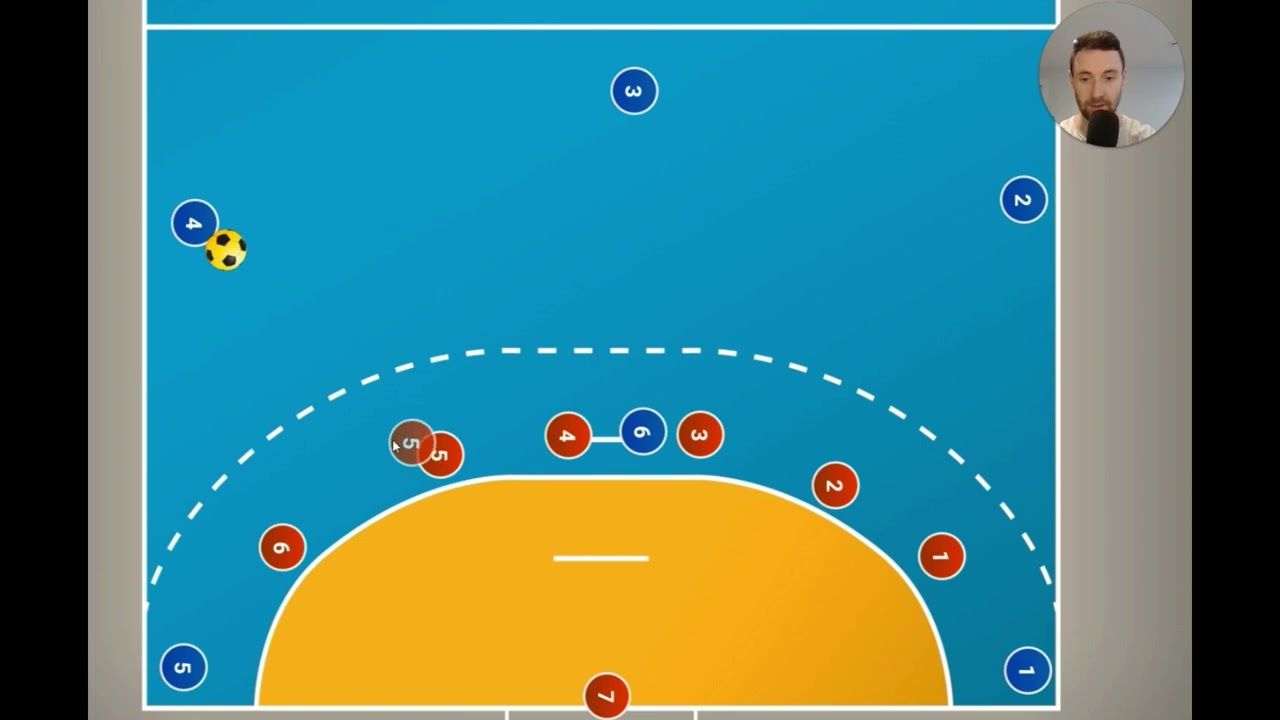
Let's start with the runner in situation from the outside. Here there are 3 important principles which the outside defenders follow. 1 Communication: The half-defender is informed that a break-in is waiting for him from the far defender 2 Disrupt and attack, no runner comes in without contact and must run into the centre outside 9m, in front of the other defenders 3 The outer defender takes an offensive orientation and attacks, either the half or the RM In the following scenes we would like to first look at the coming out against the half of us.
The opponent's line player will be between the half-defender and the inner block, so 2/3 or 4/5. We recognize the pivot position and the entry from the right outside. Dibirov lets him run in in front of the defense and is now offensively against the RB and manages to intercept the pass and initiate the Fastbreak.
But what happens when the outside player has broken in and comes back outside after the action? We can see first the pushing out of the run-in and then the offensive allocation against the halfback. As soon as the wing player has regained his position, Dibirov sink back to his position.
In the third clip, we can once again see the contact and the offensive move against the halfback. After stepping out on the halfback, the goal of the far defender is to block the space to the outside in order to let the attacker rather to the centre and receive help from the half-defender. After the wingplayer has regained his position, Dibirov lets himself sink again and also receives acoustic and visual support from the coach for the information about the wingplayer.
After the runner in in the free throw situation, Dibirov steps out offensively and accompanies the half-attacker to the outside, then attacks the pass over his position and has the opportunity to help in the centre. After the second free throw we can see how the pivot is looking for the mismatch with Dibirov, but he exits directly offensively and moves into the center. Another important rule to follow once the ball has left the sector, because then the outer defender sinks.
The effect of attacking a half attacker from the outside can be seen in this scene. The wing player does not run in but goes towards the ball for the pass and yet Dibirov uses the opportunity here visually disturb. Especially Veszprem sent his wing players to the center after a broad free-throw situation and thus created room for a mismatch a situation with a special body advantage for the attack.
But also in other cases, the defense of the far defenders changes after a run-in, when the pivot takes the space between far and half-defense, i. e. 1/2 or 5/6.
Because now the far defenders attack at first the running in and then the CB and try to actively divide the field and push the attacker to the pivot side. If the ball leaves the sector, the far defender drops back and takes the offensive position against the half-attacker. We now have the free-throw situation with the wide pivot, which also wants to position itself directly at 1/2, but the outside defender recognizes this and gives the signal for the runner and his offensive alignment directly to his teammates.
He now lets the half attacker grant to the outside and divides the field in the middle. The goal is to push the ball holder outwards into the narrow space. Now the wide pivot position is clearly visible and Cupic breaks away from it directly offensively, so that he comes offensively around the bar as we will see in a moment.
With the free-throw situation there is a clear assignment of the defenders and Cupic again divides the field by his position to the CB. In addition, the second inner block player and Veszprem is trying to bring the ball to the other side. This pass gives Cupic the opportunity to sink back into the width and attack the half attacker offensively.
Now we see again clearly the closing of the space to the outside and the offensive attacking to not run into the screen. After the outside attacker has taken his corner outside position again, we have established the initial situation. And we can see the rules beautifully in Dibirov as well.
To go out offensively, not allow a duel with the pivot and close the field to the outside. But now we have the free-throw and Dibirov positions himself centrally on the top. What he and the right back do not register is the superior situation on the right side by the wing player who again takes his position.
How would you solve this situation? Please write your solution in the comments. As mentioned above, Vardar attacked the right back with their half defender against Barcelona.
After the running-in, Dibirov has moved to the top to escape from the mismatch against the pivot and use his qualities on this cover position. It would not make sense to let the half-defender sink and therefore Dibirov steps centrally to the top. Barcelona then took advantage of the situation to free the left wing, but we can also see that the right wing is back in position.
They would have forced Vardar out of their original system and could create new situations. Again, we can see the clear assignment, especially the footwork and understanding of Dibirov on this position, who again grabs the ball. In the semi-final against Barcelona, they put Dibirov on top against Pálmarsson in a superior number of situations.
They wanted to take the playmaker out of the game and use the empty goal situation as leverage for the remaining attackers. The decisive factor here is how they solve free-throw situations in the centre. Because it doesn't make sense to put the far defender in the center defensively against the pivot and CB, Dibrov now goes on the half back and uses the opportunity to get back to the top in the center of the game.
Here we see the man cover against Pálmarsson and Therefor is more space for the other attackers in the 5 against 5. But Vardar stopps them with a foul. Here we can see the man cover and the empty goal.
Now there is the change of position in the free throw so that the far defenders do not defend the 2-2 central Dibirov defends against the right back and use the opportunity to attack the center again. Now we are in the second free throw situation and Dibirov attacks more and more the pass. Now he is on the top and defends crosses offensively.
If the playmaker now crosses at half, Dibirov will stay in the center because no backside player should enter that space. During the free throw Dibirov is now against the half left and the inside block tries to keep the ball from coming to the side with the two outside defenders. After Dibirov has defended the runner, the superiority situation is no longer given and he returns to his position and Cupic takes the opportunity to attack the pass.
The decisive factor in defense is that the center is closed, in which case Kristopans gives way to the pass over his positional play. Vardar uses Dibirov's speed in his attack for crossings in the centre, but also in other situations the runner on the other side of the field stops the attack. So that he doesn't have to run diagonally across the whole world, Vardar has a clear retreat strategy for the wingplayers.
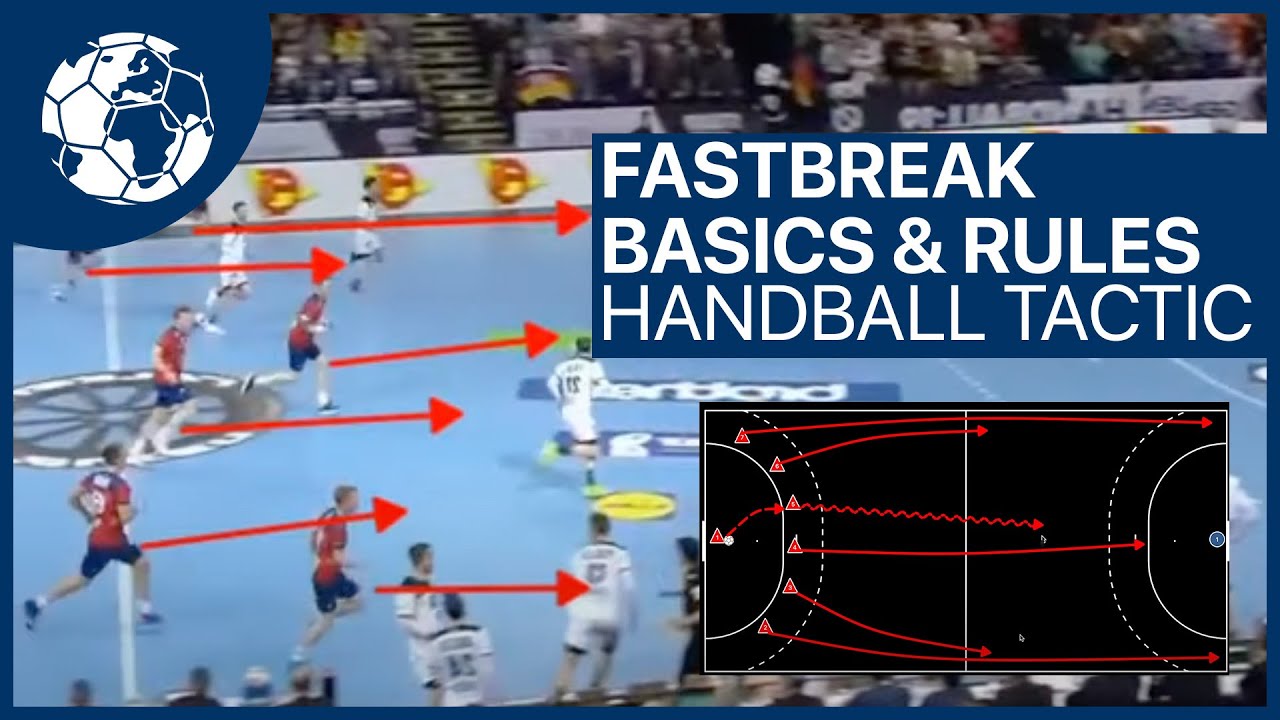
The wing player should take advantage of the ball holder and tries to stop him. Should the ball goes to one side, he continues the attack against the ball holder. The goal is to stop the passes in the fastbreak.
In the last clips we will look at exactly this strategy. We can clearly see here the crossing of Tibirov and then his retreat and attack against the ball. He gives the signal for the other defenders This gives him the opportunity to help on the ball side and finish the counterattack with a free throw.
He starts now as a left-back and ends on the right-back position. His way diagonal to the far left position is too far. We can clearly see that Dibirov's side of the ball is important when he retreats and not his left defensive side when he retreats.
He now pushes on the ball side and manages to win the ball with a striker foul. In this example, we see how important it is to attack the ball holder in time and possibly set a stop foul. Because this is not done sufficiently and Veszprem finishes her counterattack successfully.
As with the running-in, communication with the rest of the defenders is extremely important. Here Dibirov acts with a visual signal and shows his teammates which attackers they should defend. He then attacks the ball holder and comes too late for support at the cross.
In this clip we can see how important it is not to let the ball circulate. Cupic tries to get into the pass and give the ball holder the way out, but the ball holder finds with the pass to the middle the advantage on the other side. The same situation we can see here now.
Kristopans stays in front and Vardar finds himself in a situation where he is outnumbered. But Dibirov tries to keep the ball on the side, where they defend in a tie. But again Barcelona find the solution and let the ball run fast.
In the final scene we see once again the communication of the wing players and the necessary footwork for this job of Dibirov. But even he can't get into a stop foul in this case with his help and Barcelona finds the space in 1:1 for the 7m. In this video you have learned a lot about the defensive philosophy of the far defenders from the CL winner 2019.
It was important to me to point out the special role of Dibirov and Co and to inspire you to do the same with your players. In which situations do I not want to let my players get into, for example to avoid a mismatch or how can I use their strengths in the retreat and plan this coupled with my attack? I hope you ask yourselves exactly these questions for your defense philosophy and give me the decisive advice.
Which topics have I misunderstand or which analyses would interest you? This project lives from the exchange among each other and I am looking forward to going into these with you in the comments. Because handball inspires.
![How to play the Jugo Movement!? - Handball Tactic Express | Handball inspires [deutsch/english]](https://img.youtube.com/vi/xtLxeluQvp0/maxresdefault.jpg)