I'm going to talk about clinical leadership and clinical governance and a little and of course a little bit of the commissioned advertising so all of you I think probably know a little more about the Commission there many of the audience's we talked to but certainly we're here to help everyone deliver safe in quality health care services we have been a little journey around clinical governance and we will get to that but we cannot really talk about clinical governance and so we and this we also address the issues of clinical leadership because clinical governance is built
on good clinical leadership and their clinical leadership needs to be built on good clinical engagement I'm not going to talk about engagement today I'm going to just do something about what is leadership and for everyone that's here in this audience we want to encourage you to be excellent leaders and to have great skills and knowledge about clinical leadership and then be able to engage in the clinical governance activities that we certainly want to ensure that our firm and solid for infection prevention within our organizations so leadership well any of you have been on management courses
or any other courses know that there's no one size that fits all so we're just going to give you some ideas about what it is Bill Gates so we all chose some people let people might all know Bill Gates he says but the only definition of a leader is someone who has followers so keep that in your mind do you have followers in the in Peter Drucker which as this is the most common one you get out of management Texas it's a process of social influence maximizes the efforts of others towards the achievement of a
goal and suddenly we can think of people that we've had in New Zealand perhaps like Helen Bevin who absolutely this fits the the social influencing maximizing efforts so Manson who you know lead zealand was the CEO for the world cup he came and talked to us once and he said some of these things that you can't separate leadership from teamwork and that sort of like the followers something you know it's not quite the followers you mustn't it's not focused on your own needs and it grows and mint as others in the team front so she's
challenges and breaks barriers and his final thing was a leader gets knocked around and needs resilience and Messi's been talking to us about about resilience and other things so resilience comes up this is a model that we quite like which is its ability ability to influence others towards achievement of the goals that contribute to worthwhile purpose and i propose that as particularly around a pitch and friction and control as to what it is and you can see that you need to think about all of these people managers who are not leaders leaders who are not
managers and managers who are also leaders and you might see the ones that you might want to first of all target and your attempts to do it so leadership potential is all around us and sitting in this audience leadership potential is all around us so i wonder can you name these leaders know who these people are anyone got a suggestion for the young man and the boater at the end i will leave him the next run everyone will know helen can write the next one and the next one might not kiss in the last one
and here you are so their messages that you never know from where leadership grows and you should be really couraging and growing leadership they say great leader comes along once and every generations and people are saying that about the current prime minister but problems are cure every day and so we can't wait for the once in a generation or there to be a great leader everybody must and we encourage you to do to be a leader in to take of us and we need of course leadership for improvement very much sorry and Don Berwick st.
Don or some of them to know him in many of you will have been exposed to has work who is the original CEO of the Institute of Healthcare Improvement he said that they've been three eras and so the first was the ascendancy of the medical profession you know they were noble and accessible with special knowledge beneficent self regulating hierarchy in not questioned and last week I was talking with a group of master students and Orkin they said that this is still prevalent now all those people agree here it's still prevalent so and I hope you
can read the joke because it's very I selected it specially he amputated the wrong league so he was a very nice fellow best not complain be it's not complain Don's is that the second one was the unquestioning trust replaced with regulation so that when we did have some things that didn't give the outcomes we wanted instead of perhaps taking a systems approach we see is right we're going to regulate these people and we're going to give tick boxing and have you done this I'm have you done there so that his he believes and resulted in
increasing poor morale alienation in loss of joy and which and again this cartoon says this report says medical errors such as indecipherable prescriptions cause of death of 98% of patients a year or is that ninety-eight thousand it's hard to read this in any case we're supposed to report them or does that repeat them what Don gets to is to say that we need to move to the third era and this is mastering improvement is a core competency and we agree with that we want this to be a core competency for everybody you know it you
need to be refreshed in your knowledge about what core competencies everyone in the health sector needs please refer to our building capability framework which will will give you that people who have seen it and if it's on our website do go and look at that it will help you things so he says mastering improvement is a core competency for health leaders measure what matters and learn from it ask patients what matters to you rather than what is the matter and we've heard that say before what methods to you as the patient not what is the
matter and ask what am i part of rather than what do I do so some of the leadership attributes and this is a you know hotchpotch of some of the main writers around this thing you need courage resilience and self control self-awareness good communication skills take time to reflect need to be optimistic focus on the greater good be an absolute team player and collaborate networks never stop learning adapts and changes and managers conflict so that's quite a big list really but one of the things that we talk about us that perhaps you don't need all
of these in one person have a look at your team and who's good at that and charge them with being the person that certainly perhaps alerts you to and helps to manage the conflict of they see conflict arising for doing them leaders are able to lead visible and lead by example and in my career in health the IPC people were often not very visible they only scurried down to the ward from the lab when in fact they had some bad news to tell you in case you've got three cases of this and they left you
with that information and then they scurried back up to the lab I think that era has gone and we now have been in but and giving people these skills and knowledge to say this is the problem I'm here to help you know I'm here to help you solve this problem I create the conditions for others to flourish mentor and grow others and I think your role in infection prevention is very much this mentoring and growing others sharing your knowledge with them so that they then are able to first of all recognize understand that out and
recognize that and implement strategies to improve things take action make difficult decisions and draw the line and there has sometimes quite hard as well but you know that in your world you just have to draw the line how many of us have had long and detailed conversations with architects about hand bases and why they need to be in the room and not out in the corridors etc make time for leadership make time think about this how next week are you going to make time for leadership one of the people let weeks with the commission or
she says that every day you should write down at the end of the day some did you make time for leadership today and what did you do about it and again they are resilient so these are going back to some the research and the evidence you might want to think about this is one of the most well used pieces of research that there is and what are the factors that they do this coaching rewarding communicating motivating involving and support others promoting teamwork that remember that the perceptions affects one's behavior the recent BMJ Ocho conference in
Amsterdam was based on the week of the IHI around joy in work and it's around these sorts of things they doing in rewarding somebody spoke at them that conference and presented a piece of research that said high-performing teams what are what are the things of high-performing teams they're high-performing teams we for every negative comment that's given to someone there are five positive comments and the teams so it's a five to one ratio you get five five positive comments one negative comments and that's about the ratio that will that's the ratio that are seen in high-performing
teams this is a model that I think that we can all hold any heads and that we like and this is the evidence that comes from these the kids and Posner things so they've done thirty years of data collection and we use the data collection methods in New Zealand and we use it in our merge and kind of co-leads program to help people and so they've got millions of survey respondents and from 77 countries and so the first thing they they say that is and the leadership profile is that people model away and I think
that Sydney for the picture intervention issues modeling the way is really important they inspire a shared vision so you're able to communicate to people what it is that your programs wanting to achieve challenge others particularly there is people that see that the perhaps hand hygiene five moments are just something that interferes and they practice and they're perfect practice enable other stretch and encourage others so it's just a little bit about leadership but we know that leadership for us is in challenging times in every one of us that sit around these tables have a certain set
of challenges that we could articulate very quickly because we liked when a black heads on sometimes and say you know all of this is fine but because of this on this but these are some of the things that we know in that we should know and we should think about in terms of our leadership challenges are changing populations changing disease patterns that the knowledge is doubling every 13 months that's what we know doubles and that's another thing about leadership and reflective practice how do we keep up with the latest and greatest that's happening in our
area for example in 2018 there were four billion Internet users now imagine if every one of those internet users we were able to tap into and tell them our story mobile phones are absolutely ubiquitous in them particularly in New Zealand we have one of the highest rates of mobile phone users do you know X artificial intelligence where were sensible robotics increasing demand and expectations so there are all leads us around to being an a complex system so many of the models of leadership we've grown out with and not applicable to today's challenges if we think
about some of those things that that we're before where we particularly had leaders who lead through their own one-to-one interrelationships health is complex we know their changes the norm and clinical leadership becomes more important and as an increasing and the increasing accomplice so one of the things that we think you need to think about is we need to move away from old models heroism as out in humility as n as again none of one of the Don Berwick things and this was the old power in the new power and Helen Bevan talks to us about
this so the old power was currency held by a few pushdown commanded clothes and transaction and I think that's era one which many of you said still is alive and well in New Zealand and what we want is some of this new power current made by many particularly including consumers in there that's pooled and shared open in its relation about relationships as opposed to about managerial roles or what's in is the old power that's about relationships for doing and this relationships are important because people who are highly connected have twice as much power to influence
as people with hierarchical power so many of you might see that you're a long way down in the organization you might be tier five or whatever in a big organization or you know we wherever and we've always been that so here's a way to include increase your influence without actually having to increase your dot on the organizational chart that it is about being highly connected so do you you know spend time ensuring that you at least connect with all the team leaders who are able to do that or the middle managers or even the conditions
on the floor being highly connected and highly networked as one of the ways of really influencing people using your leadership for that and we've course a leadership with everybody's possess doesn't matter where you work in the organization there will be times when it is appropriate that you lead and you take the lead whether you're the orderlies perhaps dashing around taking people from a leader x-ray you walk up a corridor you find as an obstruction in the corridor is a box that's been left in the corner you must take the leadership of removing it you know
the next person that comes around the corner blood perhaps Matthew zipping around on his electric chair might being into it and type themselves out that would not be good and the other thing that we think in terms of leadership for quality and safety as we believe that everyone who is working in the system must also work on the system who are the people that have the knowledge the skills and the experience to be able to make changes in the system and it's those people who are often working at the front line for doing that those
people who are experienced so we think that everybody has two jobs that works and health one is working in the system and the other is working on the system so we need to take that knowledge as we go on to talk about clinical governance there are many different nations and there are some some frameworks some of which we stole was pride from when we were developing our clinical governance framework but this saying this piece of we we know until we truly know everyone working the organization understands their shared responsibility in contribution to kind of cook
here we don't have effective clinical governance so clinical governance becomes everyone's business as well and clinical governance of the linkage through to quality and safety when we started this work everyone said oh good what you can do is make a definition for New Zealand for clinical governance so we said oh you all right and then some wise people said don't go there it's too hard don't go there so what we are we've done is gathered together some of the thoughts about clinical governance and each of these has a perspective in here's a truth within it
so it's a system and this comes from the EM I recover misguidance through which healthcare teams are accountable for the quality safety experience and outcome of the care they have delivered so that that's quite a quite a good definition many of us could agree to that one and this one comes from Australia Samantha would keep us rated in our minds and they say it's a system by which governing body manages conditions and staff iris she responsibility and accountability for the quality of care continuously improving minimizing risk in fostering an environment of excellence for consumers so
again slightly different everybody but it's got out everybody in it so we like that you know and it talks about minimizing risk which is you know fostering an environment that's the culture thing that as he was talking about and from Liam Donaldson who is the w-h-o lead for patient safety internationally it requires a focus on evidence and data not just trust and so this is another idea about clinical governance evidence and data concept named and ensuring that organisations create the culture the systems and the support mechanisms so that clinical governance can be and I think
that message talked about culture we certainly want to work with infection for each and to ensure also that the systems in the support mechanisms are in place are for doing it in one last one which is you know we were open to everything again this was a report from Dublin the culture of values processes procedures put them taste to achiever means moving towards a culture with safe high quality patient centered care the first one that's probably talked about patient centered gear as ensured by all those involved in the patient's journey and this one which one
appeals mostly to cheer professor Ellen Mary because he always and reminding us that we must do the right thing at the right time and by the right person which leads again until you Matthews he would rather have someone with experience than an academic coming in to look look at him best evidence the way the patient wishes I think that's a lovely statement the way the patient wishes appropriate trained and resource individual team working within the organization its accountable so out of that there are some common themes we can have and here are some of these
common themes which we summarized and this is a summary from many of the frameworks and the documents that are available we can do that so this one talks about culture patience prioritizing patient safety using data and a management of clinical risks for doing them so the key principles of clinical governance that we have discerned from all of that literature and access to documents about clinical government's is that it should be consumer and patient centered care so when setting up clinical governance arrangements in your organization's if you took these three four key principles and as a
starting point that you'd be in good company open and transparent culture all staff and continuous quality improvement focus and that lines up of course with our document so there is a document around clinical governance it's on our website do go and have a look now if you really want a nice shiny hardcopy write to us and we'll send you one so we have four quadrants and our framework engagement participate in participation by the consumer chemical effectiveness quality improvement and patient safety and engaged in effective workforce those are the first two things that are about this
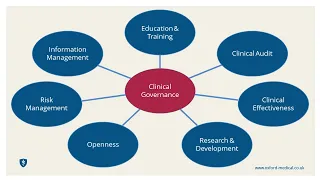
this was our first publication around this we are still receiving really useful feedback about how we could improve it in any of us that are working with the document if you wish to do that please let us know because you know sometimes you don't get it all in the right document the first time around you're doing it but I think it's a really good start and again this document in this framework will be useful for you as you develop clinical governance structures so here it is a bit more and you can see in the centre
as the experience in quality of care and we believe that the three people that do it are consumers and clinicians and managers from around the No oh yeah sorry what if I done what have I done they trying to sort it push the wrong man I was only looking for a red dot here it is as I can't find a read daughter I do think again and around the you can them see it I can see Sally and the thing this you want you'll get a cup of tea and for doing it being eyes of
you so when looking there framework we we think this this might be some of the questions that might challenge you in that so how do you gonna get consumer input what outcomes will you achieve through your clinical governance structure how will you show effectiveness is that the right skill mix and expertise at the table what's the leadership and role modeling that's going to come from your clinical governance structure mandate and authority or escalation what are you going to do when you really have data that shows that the whole organization as opposed to probably one of
the teams can improve and as if there's a decision-making always based on what is best for the patient so we believe then that one of the things you also will need to think about as you build these structures as well as clinical governance mean for the individual so you must think about how are we going to network and if cult is everybody's business in leadership is everybody's business in preventing infections everybody's business what are how we go what does that mean for the individual as part of the team of the service and as part of
the organization my final slide just to sum up because we are little over time put simply clinical governance is a collaborative venture between collisions managers consumers and aims to create a culture where ecology and safety is everybody's primary goal thank you very much you've been really attentive audience [Applause]