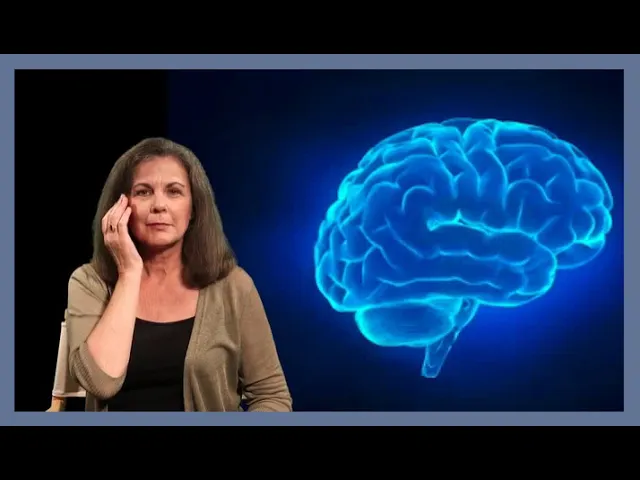
hi Dr Bob Schwarz here welcome to the second video of our miniseries on the power of energy psychology and emotional Freedom techniques in the first video you learn that in the 21st century every mental health practitioner should know at least one mindbody approach for treating stress and Trauma you learn that EFT can be used in a paliative symptom reduction mode or can be used to heal specific negative memories you learned about big te and little te traumas we discussed how energy psychology in general and EFT in particular can give you much more confidence in working
directly with high-intensity negative events because you have the tools to keep your clients from becoming overwhelmed I also presented a brief overview of the significant outcome research that makes EFT an evidence-based approach for treating trauma anxiety and depression so you might be wondering Bob if EFT is such a great tool why isn't everybody using it good question there are a number of reasons for this but based on my experience over the last 20 years the number one objection for most professionals is that EFT or tapping it looks a little strange and may not fit their
image of what a counselor or a therapist or a physician does it reminds me of one of those great scenes on Star Trek between Dr McCoy and Captain Kirk where Captain Kirk asked Dr McCoy to treat an alien made of rock but McCoy thinks he doesn't have the right tool so McCoy says I'm a doctor not a brickl of course McCoy does successfully treat the alien but is tapping on acupressure points really that strange for a therapist I suppose it can feel that way in the beginning but just like Dr McCoy I think you'll get
used to it especially once you start seeing the results in fact my bet is that you'll come to love it I've often heard our trainees end up saying how did I ever get along without these tools but that's down the road a bit at this point the concern that many professionals have is well how do I explain tapping to clients or patients I have to tell you that the majority of people who see you just won't care they're usually suffering and they're willing to try something anything to help especially if it helps them avoid taking
medications here's what I often do I find an opportune moment where I can use EFT in the easier paliative mode for example client says that they're anxious and I say well that seems to be causing you a great deal of distress the person says yes and then I say would you be willing to have an experience that will help you lower your anxiety it's kind of different I'm going to ask you to tap on some acupressure points while you're thinking about what's bothering you and I think you'll be pleasantly surprised with how you feel afterwards
are you willing to give it a try very few people say no in reality the reactions of clients or patients are not the stumbling block it's the health system itself that's the issue we live in a world where drugs are advertised on TV 80 million people in the United States are on some type of psychiatric medication folks we need better tools and practices but did you know that the research has shown that on average it takes 17 years for new medical advances to become standard care meanwhile the population is hungry for answers people want more
holistic and integrative approaches from 2002 to 2012 the number of people who used acupuncture doubled about 40% of the US population uses some sort of alternative or complimentary care so if you're concerned about what your client thinks don't worry they're probably already comfortable with these ideas at ASAP it's our goal to get energy psychology more into the mainstream so that people get the help they need and the reason we have this course is to help professionals like you understand the power of these approaches and also to make it easier for you to include them in
your toolkit which brings me to my next point after the weirdness Factor there are two other objections that professionals may have to using these approaches the first objection is that they think energy psychology isn't evidence-based but that's not accurate I gave you a research overview of the first video and I'll tell you more in a few minutes the second objection that professionals may have is that the theoretical explanations for tappings effect in this don't fit the theoretical models that some clinicians use and I want to address these concerns my goal is that by the end
of this video you'll feel more comfortable trying EFT because you'll have a solid understanding of why it works and the scientific research that backs it up but first we need some context nothing in life is fixed to misquote Bob Dylan the scientific and medical paradigms they are at changing 40 years ago the idea that the immune system talked to the nervous system and was affected by emotions was laughable today psychon neuroimmunology is standard Fair 35 years ago we knew for a fact that the brain didn't fix itself once it was damaged now we know there's
something called neuroplasticity in the brain can change 25 years ago everyone thought that sequencing the human geome was going to solve everything now we know that's not true and we've learned that genes aren't the center of the biological universe and there's an entirely new science called epigenetics 20 years ago acupuncture and mindfulness were both strin procedures now they're almost mainstream and 10 years ago no one had heard of quantum biology or biophotons have you heard of them yet don't worry you will so in my opinion energy psychology and EFT were simp ly clinically ahead of
their time and now the science is catching up so we can explain them and since I only have a short amount of time I'm going to confine myself to a few of the most important Leading Edge Neuroscience ideas that taken together make the effectiveness of energy psychology in EFT so understandable there are three Neuroscience Concepts you need to understand number one is the foundational advancement in Neuroscience called interpersonal neurobiology ology first described by Dr Dan seagull I remember the first time I heard Dan speak he talked about his interviews of 100,000 mental health professionals he
asked them what's your definition of mine and 97% said they didn't know so Dan gathered a group of scientists from various disciplines including psychologists and neuroscientists and anthropologists and they created a working definition of the mind that everyone could agree with the Mind regulates the flow of information and energy over time let me repeat that the Mind regulates the flow of information and energy over time Dan goes on to say that this thing that we call the mind is both embodied meaning it's in the body which includes the brain and the nervous system and the
rest of the body such as the immune system and the gut and it's interpersonal so the mind also exists between us so what are the implications of interpersonal neurobiology for someone who's using energy psychology methods such as EFT if a person is seeing you to work on any emotional Behavioral or lifestyle problem it means that they have a habitual pattern of flow of information and energy that by definition is dysfunctional interpersonal neurobiologist suggest that Health occurs when a person stays in the flow of the river of integration and problems occur when the flow of information
and energy is such that people end up on either the bank of chaos or the bank of rigidity so by definition any form of psychotherapy that is effective changes the flow of information and energy when we use energy psychology including EFT we are very intentional and specific about changing this flow these are some of the few approaches in Western culture that actually work with the body's energy system and when you use EFT with your clients you're working on multiple levels of their mind body system at the same time you're simultaneously working with the flow from
the Mind down to the body and more importantly from the body up to the mind let me explain some of the Neuroscience of this fmri studies at Harvard found that stimulating acupuncture points down regulated the amydala turning down its alarm function let's illustrate this with an example how does a person have a flashback or an anxiety attack here's an oversimplified description they consciously or unconsciously tune their awareness to a situation in a millisecond their brain evaluates what's going on sorts through past experiences and schemas and then their amydala go goes off saying that there's danger
and the body begins to react the person then has to make sense of this and makes additional thoughts and judgments that usually amplify the problem now you can work with the thoughts by themselves if you want but wouldn't it be better if you could activate the body and just turn down the amydala the Harvard studies suggest that's what tapping does Steven pores' poly vagel theory is the second key idea from Neuroscience it provides yet another layer of insight that can help us understand how tapping works if you want to understand how poly vagel Theory works
with energy psychology you have to come on a bit of a trip with me I'm going to simplify this quite a bit though the vagal nerve runs from the gut up into the base of the brain it has one major job and that job is to ask the question am I safe that's what it does for reptiles mammals and human beings if the vagal nerve says I'm not safe that begins to engage the fight flight or freeze response and it does this without any help from Good Old Mr neocortex let's use a car metaphor to
understand this better when most people think about fight flight they think of this response as equal to putting your foot on the gas but that's not what really happens the correct car metaphor equivalent is not foot on the gas it's foot off the break it turns out that the vagal nerve keeps a break on the heart which is called the vagal braking system why because the heart left to its own devices would just race and race and burn itself out so the vagal nerve says hey you're safe you don't need to go super fast chillax
baby chillax and here's what's interesting if you're healthy and you're feeling safe the break is on and your heart beats somewhere around 72 beats per minute but if you perceive yourself to be in danger your foot comes off the break your heart starts to race and you go into fight flight or freeze mode until you believe you're not in danger anymore and then your foot comes back on the break it turns out that the research shows that if you traumatize people especially in childhood you disrupt the vagal braking system that means that the person has
a hard time regulating their emotions they become upset more easily and it takes them a lot longer to calm down sound a little like trauma PTSD anxiety to you so how do you measure this veal braking system through something called heart rate variability which is a measure of how much your heart rate varies basically the more variability the healthier you are and the more variability the better the legal braking system is working some research has demonstrated that tapping actually improves heart rate variability This research measured people's heart rate variability and then asked them to focus
on traumatic Memories the subjects then tapped on the Meridian points got their sud scores down to zero heart rate variability was then remeasured and they found that it improved significantly while a lot more research needs to be done this data suggests that tapping is also working at the vagal level now there are two more things people experience when using EFT or other forms of tapping that support this idea that it's working at the vagal level the first is phenomenological at the end of a tapping session you ask the client to refocus their attention on the
memory that used to be so stressful and when they do this the first thing that happens is they sort of look around and they get quizzical and they go uh um I don't feel it anymore I've even had clients say where' it go or I don't even know why I thought this was a big deal at a deep body level the stress has vanished and it's not cognitive the client is totally surprised it appears that the danger signal that traveled up through the vagal nerve is turned off instead the person seems to shift to what's
called vental vagal control and the nonverbal message I'm safe Wells up from deep within their body and since the brain is no longer under assault From Below it's free to create other kinds of meaning the stories of danger are no longer relevant clients usually describe a beautiful spontaneous and self-generated cognitive shift what else supports the theory that tapping works at the vagal level I discussed this briefly in the first video but I'd like to go into it in more depth here the main technique used in EFT is called the tell the story technique but here's
the catch in EFT when a person tells the story of a negative event we don't do it the way it's done in most therapy we do it in a way that maximizes the impact of poly vagally informed treatment in fact I have an article about this in an upcoming book there are three ways that telling a story while using EFT are very different from conventional approaches first we break the events into very small digestible segments to use a metaphor this is like taking a small bite of steak and chewing it rather than putting a big
watt of meat in your mouth that gets stuck in your throat second and more importantly as our client is telling the story and as soon as that person gets activated we stop and then tap on that section of the story until the suds is zero or near zero this does many things including deconstructing the event keeping our client deeply in the window of Tolerance and keeping our client's vagal nerve in the I am safe position third we're usually tapping on ourselves while working with our client which keeps our vagal nerve calm remember the mind is
also interpersonal it's between us and pores himself talks about how we co-regulate each other's nervous system so as the client focuses on every piece of the event or stressful experience we are simultaneously helping our client do five things one develop a mindful compassionate point of view while they too deeply down regulate their amydala by continually taking their Suds to zero three we help shift the vagal nerve from saying I'm not safe to I am safe by continually taking their Suds to zero four we apply interpersonal nervous system co-regulation because we're both tapping even in the
face of really painful experiences and finally we deconstruct all the little pieces of the event making sure that they don't trigger the danger response are you beginning to see that the so-called simple tapping is actually quite sophisticated this explains how we can work with a traumatic event and within a very short time neutralize the negative emotions and effects associated with that event but that brings up an entirely new question or potential problem do you know what it is the question is okay the memory's been treated the person's totally come in the office on Tuesday at
6:00 but what happens on Wednesday or next week or next month will the upset stay gone when they think about that memory again there are two basic answers to this question I mentioned in the first video that you can use EFT for symptomatic relief and at that level symptoms and issues may or may not return however when you use EFT to treat a specific memory and you do it thoroughly and correctly the clinical experience of thousands of practitioners is that the traumatic memory is permanently changed your client still knows it happened it just won't bother
them I'll talk about the research that supports this in a minute so how is it possible that the memory can stay permanently gone this brings us to the third key Neuroscience idea that underlies EFT memory reconsolidation the book called unlocking the emotional brain describes the Neuroscience of memory reconsolidation and Psychotherapy what memory reconsolidation suggests and again I'm really simplifying here is that we don't walk around with conscious memories of everything all the time memories are stored and when a memory comes up out of storage it comes up with whatever it's associated with thoughts feelings biochemistry
and so on if it's a traumatic memory that hasn't been processed all the traumatic stuff comes with it the problem is if our client talks about a traumatic event and they experience it in the same stressful State when the memory goes back into storage it goes back pretty much the same way including all the associated negative feelings and stress biochemistry so in fact the person can actually be more traumatized but memory reconsolidation suggests that if you can do three specific things during treatment to change the experience when the memory gets saved back into storage it
goes back with the new formulation or edits if you will and then the memory is permanently altered it turns out that EFT perfectly meets these conditions when the suds goes to zero meaning that as the client is aware of the event their body is completely calm and they feel safe the client has spontaneous cognitive shifts the memory of the event no longer has the same meaning so when the memory goes back into the longterm store it goes back with all of these changes in the future when the client thinks about the event they experience it
it with the calmness in their body as well as their new narratives we go into more detail about memory reconsolidation in our full online EFT course by the way I'm not saying that EFT is the only treatment that meets the criteria of memory Rec consolidation but I am saying that it meets those criteria very very well at this point I want to go a little deeper into the fascinating research on energy psychology and EFT that tells us even more about the science of why these methods work as I mentioned in the last video there have
been well over 84 studies and 45 of these were randomized control trials and all but two studies showed statistically positive results it's interesting to note that over the years as the methodologies have become more rigorous these findings have not disappeared as I mentioned there have been three metaanalyses of vft alone and they have all showed large effect sizes also when we look at the studies that had a follow-up component 100% found that the therapeutic results held in ranges from 3 months to 2 years so the research shows that these are not temporary changes one of
my favorite studies was a randomized control trial of veterans with PTSD after only 6 hours of bft 86% of of the veterans no longer scored in the PTSD range this is twice as effective in half the time when compared to the results of one of the va's top treatments prolonged exposure there have also been some exciting new developments in the last few years with studies looking at biological markers one study found a significant drop in cortisol levels after a single session of EFT when compared to a control group another study found significant differential expression in
six genes after 10 EFT sessions and currently two studies are underway using fmri to compare EFT to CBT one with weight loss and one with school anxiety if you're a research person you know that one study doesn't prove anything in fact research in general doesn't prove anything it generates data it supports hypothesis and what you really want to see is a plethora of studies at different levels with data pointing in the same direction and that's exactly what we have all these Studies have pointed to the efficacy of EFT as a therapeutic treatment for a wide
range of problems from weight control to anxiety to PTSD if there's one thing that the research lacks to date it's large scale efficacy studies with really large sample sizes why hasn't this been done yet because those studies usually cost millions of dollars by the way if you're a millionaire or a billionaire or you have a large foundation and you'd like to support this kind of research feel free to contact ASAP so did this video help you feel more comfortable with the idea of using EFT in your practice or if you already use EF do you
better understand the Neuroscience that makes it work what was most helpful what other questions or concerns do you have please let me know in the comments section below we're building a learning community and I'd like you to be a part of it in our next video you're going to learn about how you can easily integrate EFT into your practice please post your comments below I look forward to reading them and I will respond thanks for spending your time with me