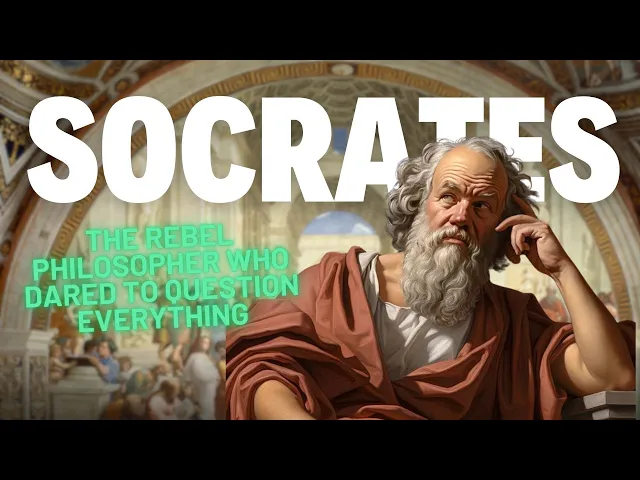
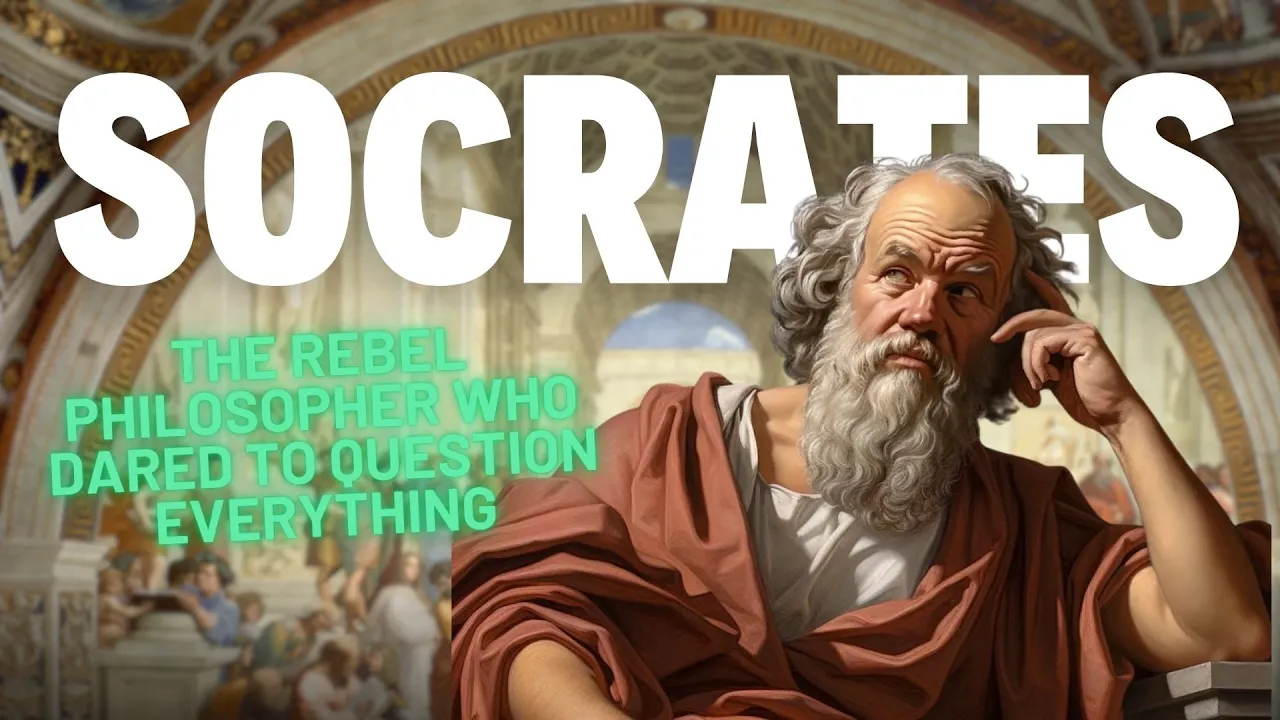
Socrates is one of the most celebrated figures in history renowned for his philosophical insights and his profound impact on Western thought despite his enduring influence Socrates Left Behind no writings of his own what we know of him comes primarily from the accounts of his contemporaries and followers particularly Plato xenophon and Aristophanes each offers a unique perspective painting a composite picture of the man who changed the course of philosophy forever early life and background Socrates was born in Athens in 469 BCE during a time of cultural and intellectual flourishing known as the Golden Age of Greece
his father sophron discus was a sculptor and his mother feretti a midwife these humble Origins set the stage for a life of Simplicity and modesty traits that would later Define Socrates though little is known about his early years so IES initially followed in his Father's Footsteps practicing sculpture some sources suggest he created a statue of The Graces that stood near the entrance of the Acropolis however his true calling lay not in shaping marble but in shaping Minds Socratic philosophy and Method one of the most famous principles associated with Socrates is encapsulated in the phrase I
know that I know nothing this paradoxical statement reflects his belief in the importance of int ual humility and the acknowledgment of One's Own ignorance the origins of this phrase are tied to a story involving the Oracle of Deli when asked by his friend Sheron if there was anyone wiser than Socrates the Oracle replied that there was not puzzled by this declaration Socrates embarked on a quest to understand the meaning of the God's words Socrates sought out those reputed to be wise politicians poets and Craftsman and questioned them about their knowledge what he discovered was that
while they often believed themselves to be wise their understanding was superficial or flawed in contrast Socrates recognized the limits of his own knowledge which he concluded made him wiser this realization became the foundation of his method a dialectical process of questioning and dialogue known as the Socratic method this approach involved asking probing questions to uncover contradictions and inconsistencies in his interlocutors beliefs by doing so Socrates encouraged deeper reflection and critical thinking leading individuals to a clearer understanding of the truth or at least a recognition of their ignorance he likened his role to that of a
midwife assisting in the birth of ideas and guiding others towards self-discovery personal life and traits Socrates lived a life of remarkable Simplicity rejecting material wealth and societal conventions he dressed plainly often going Barefoot and was indifferent to physical Comforts his wife xantippe and their children lived modestly alongside him while zanpa is sometimes portrayed as temperamental Socrates reportedly regarded her spirited nature as a challenge that helped him cultivate patience and resilience despite his austere lifestyle Socrates was a figure of great personal Charisma accounts describe him as physically unremarkable with a stocky build bulbous nose and protruding
eyes yet his Keen intellect and compelling arguments Drew followers from all walks of life from wealthy young Aristocrats like Plato to ordinary Athenians Socrates was also known for his resilience and self-discipline Plato Symposium recounts how he could endure extreme cold walk Barefoot on icy ground and drink heavily without becoming intoxicated during the pelian war he served as a hoplight and distinguished himself for his courage saving the life of alsodes a future political leader views on virtue and knowledge for Socrates the pursuit of virtue was the highest goal of human life he believed that knowledge and
virtue were inseparable to know what is good is to do what is good evil he argued around rises from ignorance this idea formed the basis of his ethical philosophy emphasizing self-knowledge and the cultivation of moral character unlike the sophist of his time who charged fees for teaching rhetoric and persuasion Socrates refused payment insisting that his purpose was not to impart knowledge but to encourage critical thinking and self-examination his conversations often took place in public spaces marketplaces gymnasiums and banquets where he engaged people of all ages and social classes criticism and trial Socrates Relentless questioning and
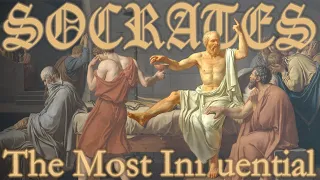
critique of Traditional Values made him a controversial figure in Athens while many admired him others viewed him as a threat to the social order his portrayal in aristophanes's comedic play the clouds reflects this tension the play caricatures Socrates as a sophist and a corruptor of Youth lampooning his ideas and methods in 3 99 BCE Socrates was brought to trial on charges of impiety and corrupting the youth his accusers claimed he rejected the gods of Athens and introduced new deities during his defense as recorded in Plato's apology Socrates argued that he was fulfilling a Divine mission
to challenge complacency and encourage moral reflection he famously stated the unexamined life is not worth living despite his eloquence socr so rates was found guilty and sentenced to death by drinking Hemlock Plato's fedo describes his final moments where Socrates faced his fate with calm dignity discussing philosophical ideas with his friends until the poison took effectes death marked the end of his life but the beginning of his profound influence his student Plato preserved and expanded upon his ideas laying the groundwork for Western philosophy Aristotle Plato's student further developed these ideas creating a lineage of thought that
continues to resonate Beyond philosophy Socrates Legacy lies in his approach to questioning and critical thinking he taught that wisdom begins with acknowledging one's ignorance and that the pursuit of Truth requires humility courage and persistence his life serves as a reminder of the importance of living authentically examining one's beliefs and striving for moral excellence Socrates Journey was one of self-discovery and a Relentless quest for truth though his contemporaries sentenced him to death his ideas have transcended time inspiring generations to question reflect and grow through his life and philosophy Socrates challenges us to embrace intellectual humility cultivate
virtue and seek wisdom in our daily lives [Music]