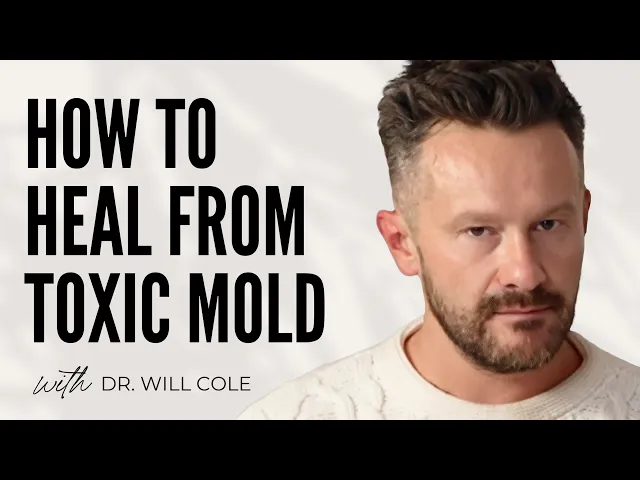
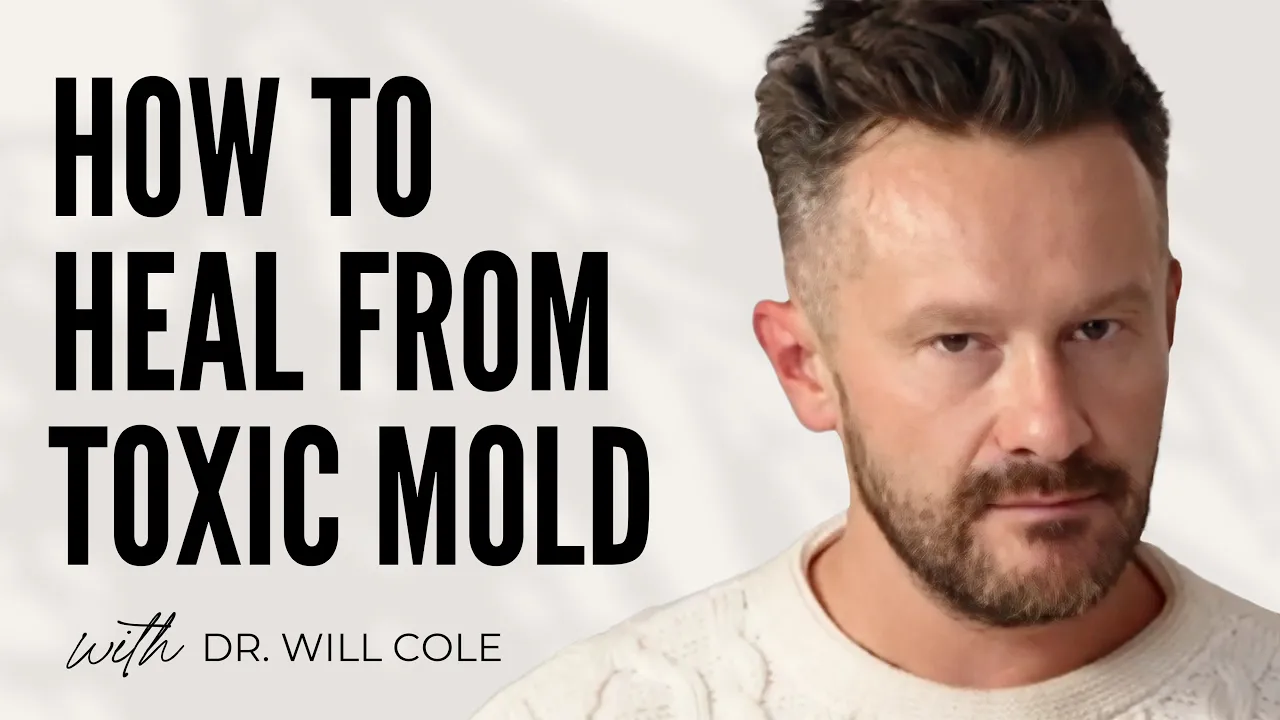
here's how to heal from mold exposure here are the four most common mold exposure symptoms and exactly what to do about it because mold lives in dark damp places we often don't realize the Insidious effects it can have on our health until it's too late mold toxicity and mold related diseases aren't given the weight they deserve in conventional medicine and Beyond leaving many to suffer for years without any answers that's why I try to go the extra mile in my tah Health functional medicine clinic to uncover if this is in fact a piece of your
health puzzle is for some it isn't for others but we have to look at these areas that aren't often talked about or Quantified on Labs want to know how to tell if this is a problem for you listen to this entire video to learn more about mold exposure symptoms and how you can say goodbye to mold problems for good how do you tell if mold is making you sick the unfortunate thing about mold exposure and why it is so difficult to diagnose is that it doesn't correlate with one set of symptoms because of this researchers
have coined the term chronic inflammatory response syndrome or CS or serves for short to Encompass any sort of health problem triggered by mold exposure the reason why there is not a one-sized fits-all set of mold toxicity symptoms boils down to the fact that everyone's biochemistry is different and different types of mold can lead to different kinds of symptoms with that said people with chronic inflammatory response syndrome usually all have high levels of the same markers making it easier to diagnose someone with this broad condition the best way to be sure that you are experiencing symptoms
of mold sickness is to be tested for these markers these are Labs that we run for tah health patients around the world Labs like c4a healthy levels of this immune protein can indicate a strong immune system high levels on the other hand can lead to tissue damage and chronic inflammation this is one of the most common obvious indic ators of a current mold exposure another lab is transforming growth factor beta 1 or TGF beta 1 while important to the health of your cells when high the cytokine TGF beta 1 can have pro-inflammatory effects and indicate
a potential mold exposure another lab is mmp9 this enzyme Works to stimulate the immune response but when high can contribute to out ofc control inflammation and is correlated with mold exposure another lab is act or adrenocortical Tropic hormone act controls the release of your body's stress hormone cortisol which can be high in cases of mold exposure because cortisol is an endogenous immunosuppressant it's a natural anti-inflammatory so in states of inflammation your body stressed out that hypervigilance that neuroendocrine response you could see high levels of cortisol or high levels of act or both another lab is
socs3 This Acronym stands for suppressor of cyto signaling 3 which can be elevated directly from mold exposure or from other imbalances caused by mold leading to a variety of symptoms on the other hand symptoms of mol toxicity may also be confirmed by low levels of these markers msh msh stands for melanocyte stimulating hormone this hormone acts as an antifungal and antimicrobial so when it's low mold toxicity can be likely a factor another lab that you can see suppressed with mold toxicity is VIP which is an anti-inflammatory hormone that we don't want to see suppressed but
in states of molot toxicity you can see suppressed levels another lab that I would recommend are MotoX Labs these Labs look for the presence of microt toxins in your urine and in blood uh which measures antibody production against mot toxins in your blood we can also look for the presence of other biotoxins that are released from bacteria or from viruses that can mimic mold toxicity a lot of these problems these biotoxin problems are called great mimickers or great imitators for that reason because they all bacteria viruses and mold all release different types of biotoxins that
can create similar symptoms another set of labs that I'd recommend are genetic testings certain genetic variants within the HLA or the human lucite antigen Gene variants and methylation Gene variants like MTHFR genes May influence our risk of developing mold toxicity symptoms as they tend to be more sensitive to biotoxins the more methylation detoxification HLA Gene variants you have the more likely from a bio-individuality standpoint you may be more mold sensitive when you're exposed to these environmental toxins you may also want to go straight to the source and perform a mold inspection in your home or
in your work environment the research around mold exposure is continuing to grow as well as our understanding of the mechanisms of action by which mold affects our health and how it can lead specific symptoms here are the top overlooked symptoms of mold toxicity number one weight gain high levels of ss3 have been correlated with insulin and leptin resistance leptin is responsible for telling your body to burn fat for energy but in cases of leptin resistance your body stops recognizing leptin leading to unnecessary fat storage and trouble losing weight plus when one hormone is out of
balance it typically leads to a Cascade further hormone disregulation hormone imbalances Studies have also seen the link between High cortisol and weight gain with unhealthy visceral fat being higher in those with higher cortisol levels remember cortisol is an endogenous immunosuppressant it's a natural anti-inflammatory so mold drives inflammation the body's trying to attenuate that inflammation and it causes a whole disregulation of the neuroendocrine axis the intersection between your nervous system and your hormone system another top symptom that we see in tah health patients who have mold toxicity is fatigue cortisol is meant to be high in
the morning but slowly taper off throughout the day to help you fall asleep it's inversely proportional to melatonin your sleepy time neurotransmitter which is converted from serotonin which again most of that is made in the gut but anyways I I digress there's a larger chronic fatigue Spectrum all the way from one end which is known as CFS chronic fatigue syndrome and there's maybe less severe cases of people that feel wired and tired anxious and exhausted people that have hypothalamic pituitary adrenal Axis disregulation or brain adrenal axis disregulation there's a fatigue spectrum and it's our job
in functional medicine to look at health history context and labs to see what's going on with the nervous system and your hor hormones and then what's causing a disregulation of the neuroendocrine axis which mold as one potential dis reggulator of that no matter what type of case you're talking about there's often times a miscommunication between your brain's communication with your endocrine system specifically the adrenal glands this can lead to consistently high levels of cortisol and lead to chronic fatigue over time Studies have continued to look at this correlation with one study in particular showing that
93% of individuals with chronic fatigue syndrome had at least one Micco toxin or moloxin present in their urine specifically number three symptom to look out for is mitochondrial issues what's one thing you remember from your high school science class chances are it's that mitochondria are the powerhouses of your cells right and are responsible for energy production in your body but when they are damaged dysfunctional disregulated it leads to poor cellular health and since your body is made up of entirely of cells it can contribute to everything from chronic fatigue to things like brain fog muscle
weakness autoimmune conditions metabolic problems and just overall poor health Studies have shown that myotoxins can cause oxidative stress that leads to mitochondrial dysfunction over time and why we are still learning about the mechanisms of action of mold exposure MotoX sins are also believed to decrease levels of your important NAD coenzyme which can lead to increased oxidative stress reduced mitochondrial function and inhibit the production of ATP molecules and healthy mitochondria number four mental health problems mold might be to blame if you're struggling with unresolved anxiety depression mood swings or brain fog while researchers haven't been able
to directly study the effects of mold exposure on the brain they believe it has to do with microt toxins causing an autoimmune inflammatory response or neuroinflammation in the hippocampus of the brain specifically so how do you detox your body from mold working with a qualified functional medicine practitioner again we help people around the world I started the first functional medicine teleah health clinic in the the world over 15 plus years ago at this point we can help you but if not us find someone that's qualified in functional medicine who can identify where mold fits into
your health case that's the first step then once they are able to identify possible mold exposure through lab work health history context they will be able to determine the best course of action for detox and microtox sins from your body here are a few ways that you can start overcoming mold exposure today number one spend time outside Sunshine can help improve mitochondrial function and improve msh levels number two try intermit and fasting fasting is a superstar tool for lowering inflammation and increasing NAD levels that help improve mitochondria function I have a book it's called intuitive
fasting it's a great resource if you are new to fasting or want to learn a more cyclical mindful flexible way to implement intermittent intermittent fasting number three de-stress the most basic answer to what does mold toxicity feel like is simply a noticeable increase of stress on the body anything you can do to mitigate your body's stress response is going to help bring down cortisol levels and be supportive of that parasympathetic that resting digesting aspect of the autonomic nervous system things like breath work meditation and other mindfulness practices can be incorporated throughout your day to bring
a sense of calm during your healing Journey whenever and wherever you are I also love adaptogens like ashwagandha and riola holy basil to help balance cortisol levels to support a healthy neuroendocrine axis next tip I would say is try going keto at least experimenting with a iCal ketogenic approach this higher fat lower carb moderate protein approach has been shown to be a powerful tool for improving mitochondrial Health specifically mitochondrial biogenesis or making more resilient mitochondria and lowering inflammation once healing is under way I tend to recommend a more flexible cyclical ketogenic diet moderating healthy whole
food carbohydrates like fruits for many people struggling with biotoxin issues like mold and bacteria and viral issues as well next tip is follow an anti-inflammatory diet a clean nutrient-dense Whole Foods way of eating can do wonders for your health however when you are needing to detox from mold toxicity you might need to go the extra mile with the foods you eat an Elimination Diet can help you find out exactly which foods are triggering or contributing to inflammation in your body so that you can really make sure you're fighting inflammation full force also adding in more
foods that are known anti-inflammatory like uh turmeric can also be a great tool to support those anti-inflammatory Pathways ultimately a functional medicine expert will be able to determine for sure whether or not mold is a part of your health Case by digging beneath the surface we work to find the root cause of why you feel the way that you do and put all the pieces of that puzzle together with targeted protocols that are specific for your healing everybody's different as one of the first teleah health clinics in the world we work with people all over
the world to help them overcome these complex health problems that may be had for years so that they can reclaim the health they deserve