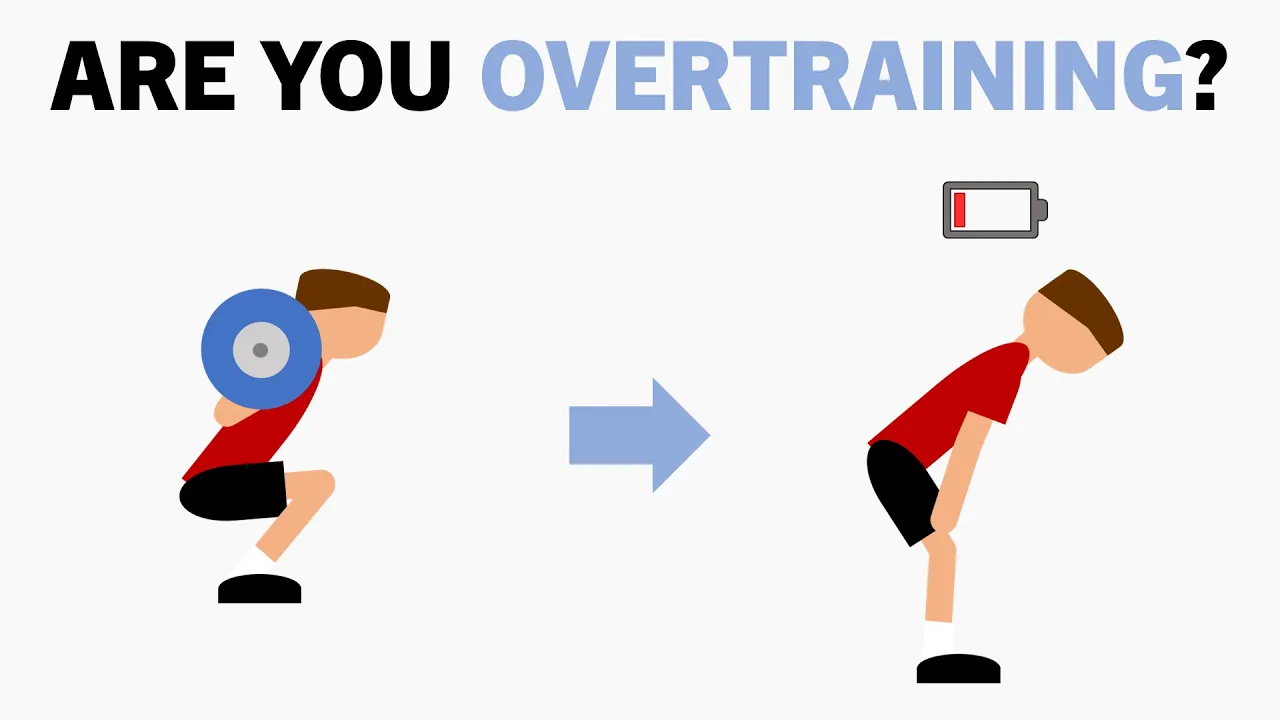
is doing more training always better or is there a point at which too much training can inhibit muscle growth or even worse cause muscle loss in this video we will explore what overtraining is what causes overtraining and how it applies to muscle growth via resistance training to answer these questions we first need to understand what exactly overtraining means well this is a challenge in itself because there is no real consensus as to what overtraining truly refers to and if it even exists to start let's explore the theoretical concept of overtraining and how it manifests essentially
there are thought to be three levels to the overtraining Spectrum first is functional overreaching this is basically just short-term overtraining only lasting a few days up to around 2 weeks athletes would experience a decrease in performance during this time but once overall training load is decreased it is thought that this will result in a super compensation of performance this is is basically how athletes attempt to Peak for a competition second we have non-functional overreaching this refers to a decrease in performance lasting around 2 weeks and up to 2 months because of the prolonged decrease in
performance once overall training load is reduced performance only comes back to Baseline there is no super compensation effect and lastly we have what is known as overtraining syndrome this refers to a chronic decrease in performance which lasts longer than around 2 months and even when reducing training load performance may not return to Baseline for multiple months later or potentially never at all so what happens when we enter either of these states of overtraining well the primary definition of overtraining is that it results in a decrease in performance usually this is classified via actual performance outcomes
not muscle growth but this is something we will discuss later in this video in addition to a decrease in performance athletes may experience other symptoms too generally this is is accompanied by elevated perceptions of fatigue poor sleep a decreased motivation to train poorer mood states such as increased irritability and restlessness and possibly even more severe mental health consequences such as increased depressive symptoms and anxiety like we mentioned the concept of overtraining is quite vague and not very well established and there haven't actually been all that many cases of overtraining reported in research according to this
research review there have been a total of 300 28 reported cases of potential overtraining in the literature to date and if we look at this table we can see that most cases are reported from endurance type exercise such as running rowing swimming and Triathlon and in terms of resistance training there have only been eight reported potential cases of overtraining to date so far we have been discussing the prevalence of overtraining in athletes however what we really want to know is if overtraining can affect muscle growth is it possible to train so much much that muscle
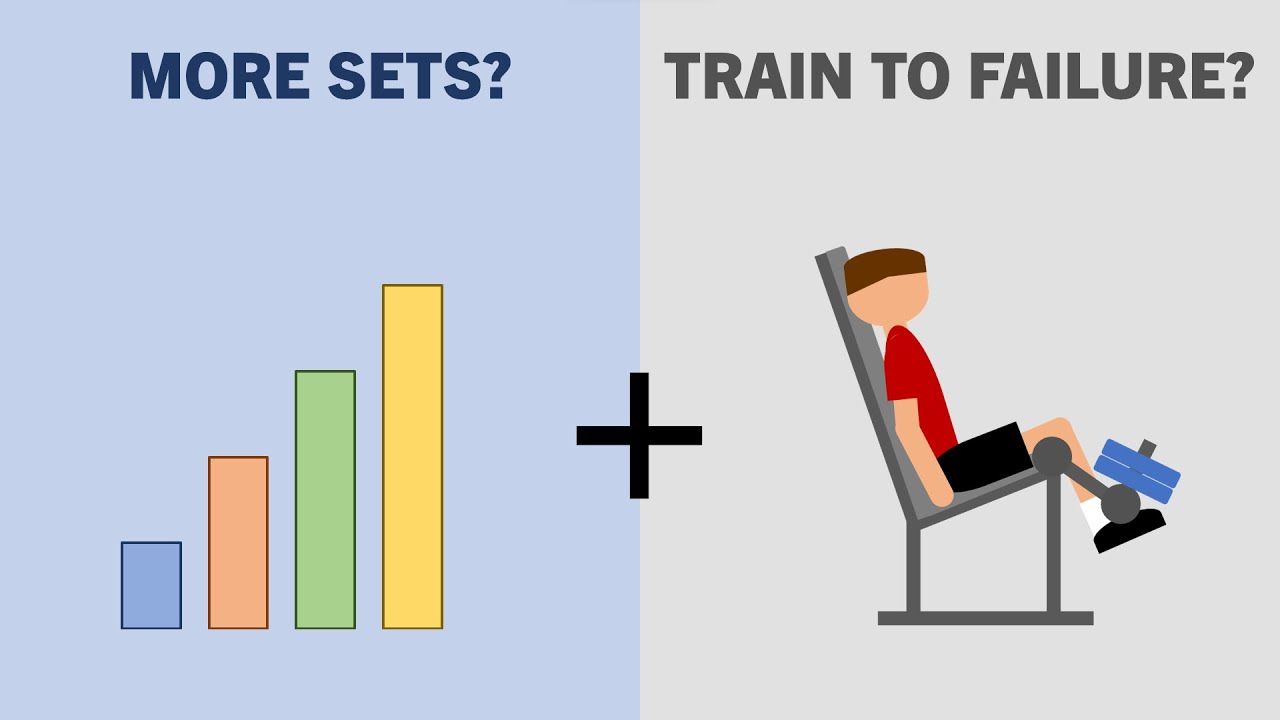
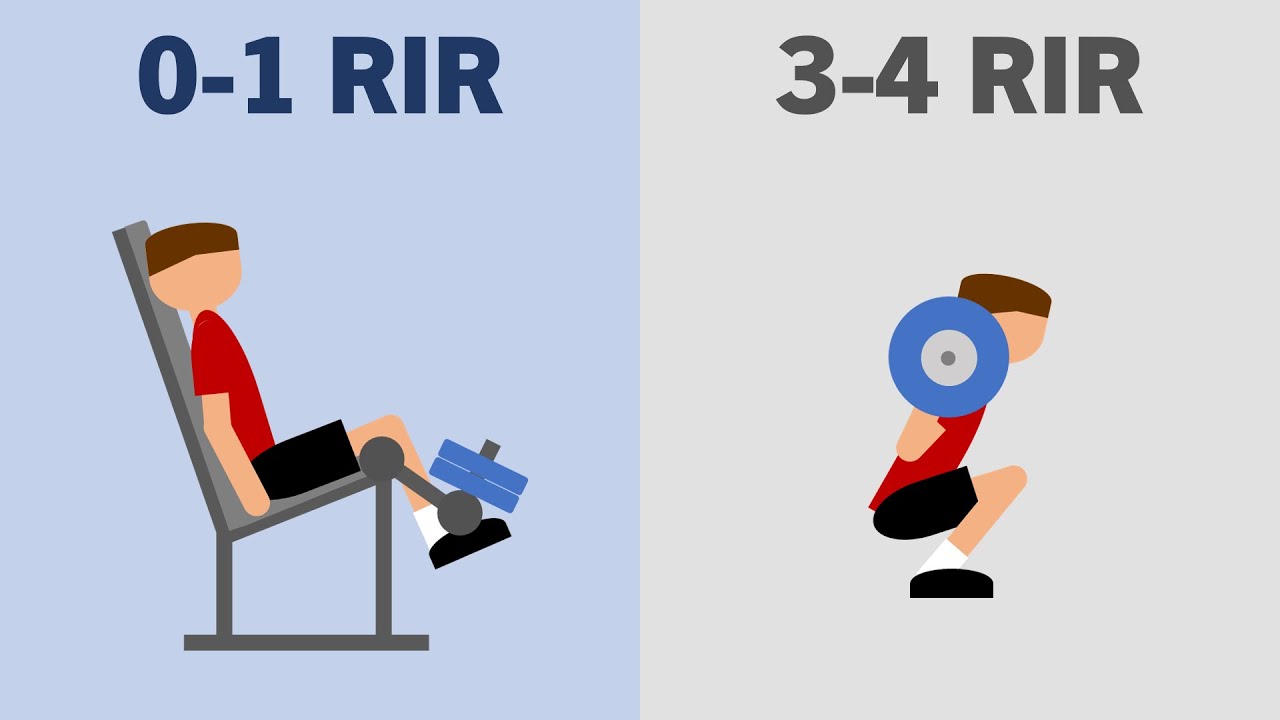
growth is inhibited or even results in muscle loss let's look at a few different variables to see whether excessive training can cause a reduction in muscle growth first let's look at proximity to failure in other words how close to failure we take each set there are many studies looking at the effects of proximity to failure on muscle growth and most studies find that training to failure tends to have a neutral to positive effect on muscle growth compared with leaving a few reps in reserve this meta analysis compiled analyze the evidence comparing training to failure versus
not to failure the overall body of evidence suggests that training to failure seems to be slightly Superior compared with non-failure training as shown by this diamond being towards the right hand side of the midline so it seems that training to failure isn't really something that will inhibit muscle growth if anything it seems to result in Superior growth compared with not training to failure so it doesn't seem that training to failure is something that promotes overtraining at least not in isolation although just to be clear this doesn't necessarily mean that you should always train to failure
in all cases it just tells us that training closer to failure probably isn't going to inhibit muscle growth the next variable we can look at is volume this refers to how many total sets we train each muscle group with per week so does performing more volume inhibit muscle growth well the evidence also tends to find that performing more volume seems to be neutral to positive for muscle growth even up to very high volume volumes for example the study explored the effects of different training volumes on muscle growth trainees performed the same training routine with a
different number of sets one group trained with a total of 16 sets per major muscle group per week another group with 24 and the last group with 32 sets and as we can see more volume resulted in Superior growth for all muscles measured even when training each muscle with 32 sets per week so once again it doesn't seem like increasing volume inhibits muscle growth either and if anything it is likely to result in a faster rate of muscle growth over time so we probably can't say that volume is a variable which causes overtraining in isolation
again this doesn't mean you should just do the highest amount of volume possible there are other factors to consider too it just tells us that increasing volume probably won't inhibit muscle growth either next let's discuss frequency here we are referring to how many times we train each muscle group per week it is often recommended that you don't want to train a muscle on consecutive days to provide enough time for Muscle Recovery however this doesn't seem to fully align with the evidence we have usually we find that higher frequency training tends to result in similar or
even Superior growth compared with performing the same amount of weekly volume with a lower frequency for example this study explored the effects of moderate versus high frequency training trainers performed the following training routine consisting of the same exercises rep ranges and total weekly sets however one group trained each muscle three times per week with more sets each session while the other group trained each muscle six times per week with fewer sets each session meaning each muscle was trained on six consecutive days each week it was found that muscle growth was similar between groups for all
muscles measured apart from the biceps which actually saw decreases in muscle thickness in the high frequency group for some reason it is possible that this was due to overtraining as a result of the high frequency training but I wouldn't think so because all other muscles saw significant growth with the high frequency training too so I would think this may be due to random chance or possibly a measurement or statistical error so ignoring the biceps finding this study suggests that training a muscle with a high frequency probably isn't going to inhibit muscle growth either this doesn't
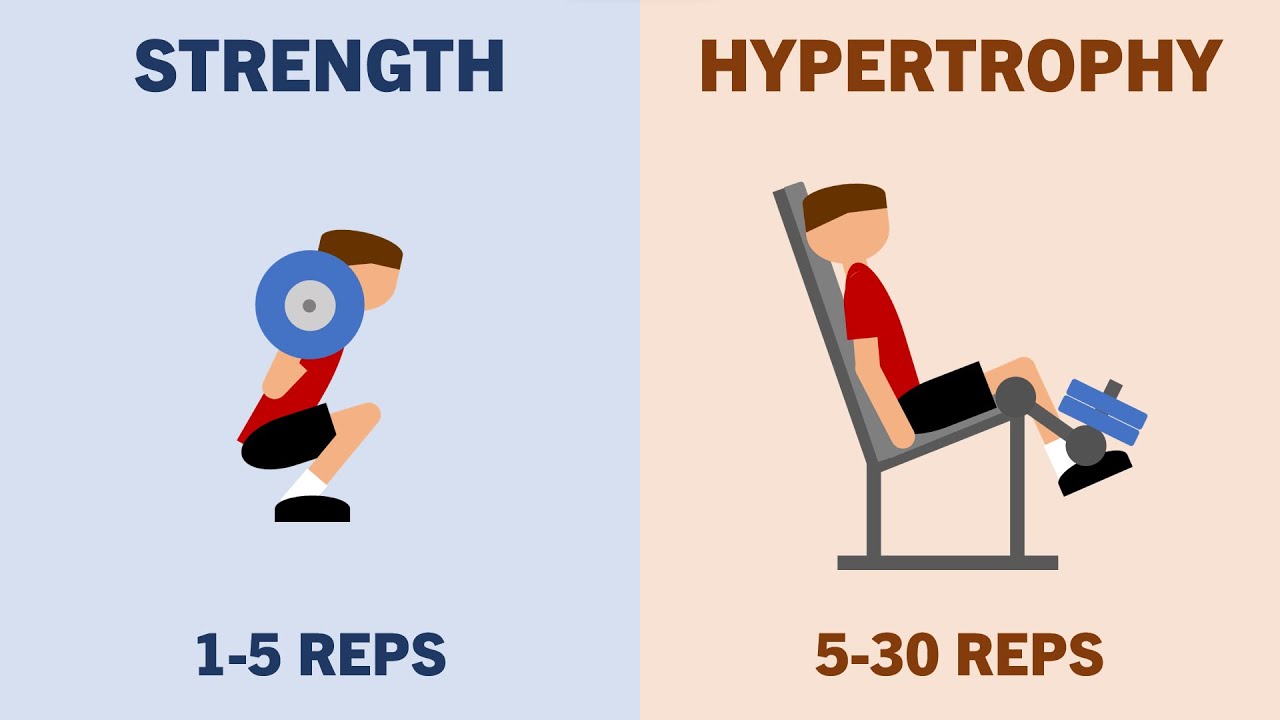
mean that you should train every muscle every day it just tells us that you aren't going to overtrain if you train a muscle on back-to-back days and the last potential variable worth exploring ing is load in other words how heavy we lift we generally find that muscle growth can be equally achieved across a large spectrum of rep ranges and loads training anywhere between around 5 to 30 reps seems to produce similar muscle growth on a per set basis provided we are taking each set close to failure although training too heavy does seem to be less
effective for muscle growth this was seen in this study which explored the effects of moderate versus heavy loads on muscle growth trainees performed three sets of the following exercises three times per week for 8 weeks half the subjects trained in the 2 to four rep range meaning a heavier load was used while the other group trained in the 8 to 12 rep range meaning a lighter load was used it was found that both groups experienced notable muscle growth although the moderate loads produced more muscle growth of all muscles measured shown in the orange so it
seems that if we train too heavy we may be limiting muscle growth to some extent however I wouldn't say this is due to overtraining this is because firstly we still see muscle growth occurring with these heavy loads there isn't a decrease in the adaptation we are after also the study found that strength gains were actually Superior when training with the heavy loads as we can see bench press and back squat 1 RM strength was greater after lifting with heavy loads shown in the blue bars so performance was actually greater just the morphological adaptations I.E muscle
growth was Superior with moderate loads and also training with heavy loads in isolation doesn't seem to cause some of the other symptoms present with overtraining such as altered mood States or sleep issues so while lifting too heavy might not be best for muscle growth it probably isn't causative of overtraining in isolation so if none of these discussed variables are directly causative of overtraining what could be the cause and more importantly is there even such thing as overtraining in the context of muscle growth well there are a few potential ways that overtraining could manifest and limit
muscle growth the first is psychological fatigue there are many different forms of psychological fatigue that can have negative effects on lifting performance and potentially long-term muscle growth it has been shown that mental fatigue can inhibit lifting performance acutely for example the study explored the effects of mental fatigue on lifting performance of a resistance training session on two separate occasions subjects performed three sets of back squats to failure at 70% 1rm before each session subjects either watched a 30-minute nature documentary as the low mental fatigue condition or performed a demanding cognitive task for 30 minutes which
was the high fatigue condition after each condition subjects reported higher perceived mental fatigue after the cognitive task compared with watching the documentary although perceived motivation to lift was similar and this mental fatigue had a small impact on lifting performance as we can see the cognitive task resulted in training's performing less total volume load across the three sets shown in the orange compared with the control condition shown in the blue furthermore psychological fatigue can also inhibit training adaptations from a long-term perspective this meta analysis explored the effects of sport specialization on psychological status in adolescent athletes
based on the body of evidence those who specialized in a single sport reported higher levels of exhaustion reduced sense of accomplishment and Sport devaluation compared with those involved in multiple Sports while this research isn't entirely relevant to those interested in muscle growth via resistance training it does tell us that being hyperfocused on one specific goal probably increases our risk of mental burnout so overall psychological fatigue can certainly be detrimental to resistance training from both an acute and chronic perspective this may be one contributing factor to the phenomenon we call overtraining another potential form of overtraining
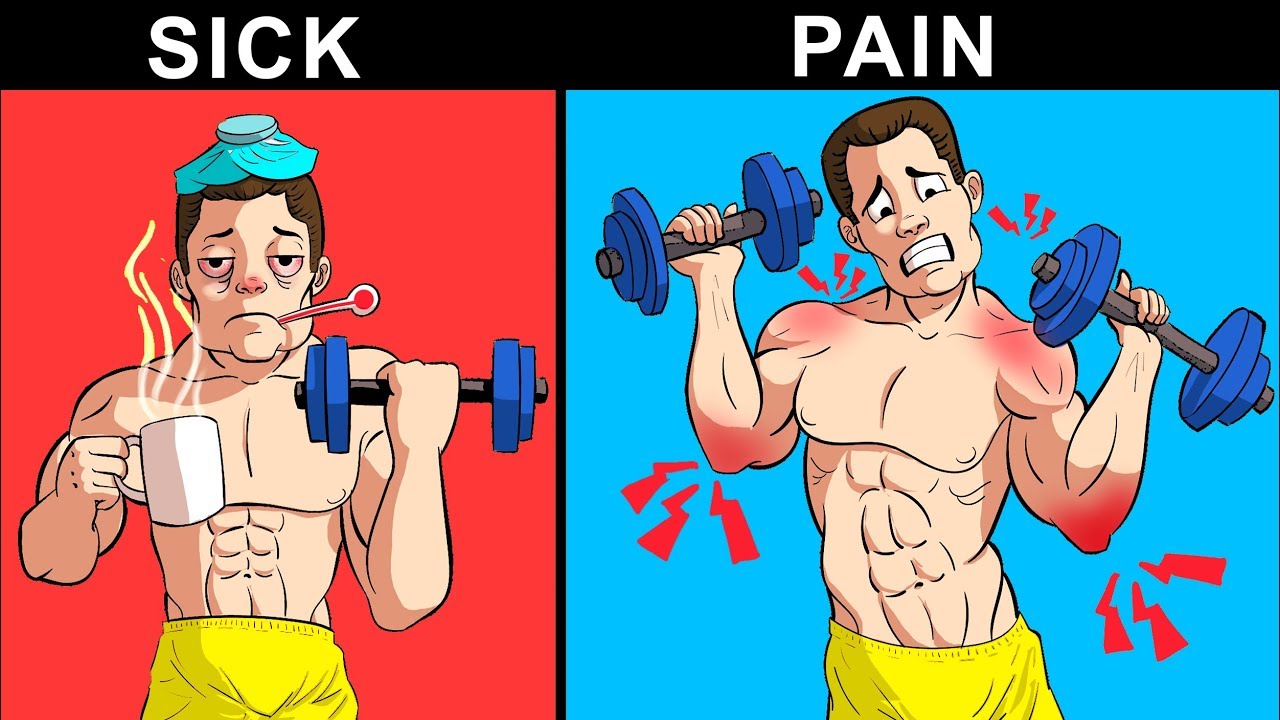
that can be present is through joint stress this refers to stress experienced by the joints and connective tissue during resistance training and excessive joint stress can result in pain irritation or injury to those specific regions it is certainly possible that some of the variables we discussed earlier can impact joint stress although it is difficult to pinpoint any specific variables which are predictive of injury rather it seems that sudden changes in any specific variables seems to be more predictive this was found in this systematic review which compiled the research on the association between acute to Chronic
workload ratios and injury rates in team sports it was found that a higher acute to Chronic workload ratio was associated with a greater risk of sustaining an injury what this means is that if you suddenly perform a much higher workload than you were currently used to you appear to have an elevated risk of injury instead it is preferable to gradually change workloads over a series of weeks to allow the tissues to adapt to the new stress in relation to resistance training this means we don't want to make major changes to our routine in a short-term
time frame we don't want to suddenly increase volume too high or lift heavy with all sets of all exercises it is certainly possible to tolerate high workloads but it usually requires a more gradual increase over time and if we do make major changes to our workload suddenly and develop pain or injury in a certain joint I guess this could be considered a form of overtraining because the demands of the exercise were too much for the tissues to handle and the last potential form of overtraining relevant to resistance training is what we typically refer to as
systemic fatigue excessive systemic fatigue is basically what lifters would think of overtraining as it is most common for lifters to report excessive systemic fatigue occurring as a result of high volumes of heavy lifting with compound barbell lifts reported symptoms of excessive systemic fatigue often include reductions in lifting performance a decreased motivation to train disrupted sleep increased tightness Etc basically the same symptoms as overtraining although it is questionable as to whether this is truly physiological or if it is more psychological or if it even exists at all this study questions this idea which explore the effects
of daily one rep max training on squat strength two competitive powerlifters and one competitive weightlifter performed a 1M squat plus five sets of two to three reps at 85 to 90% of their daily Max they hit each day for 36 consecutive days it was found that all three lifters increased their 1 RM squat over the course of the study the first lifter saw a peak increase in their squat 1 RM of 5 kilos lifter 2 saw a 12.5 kilo increase and the third lifter gained 13.5 kilos on their squat Max so by definition these athletes
were not overtrained since they saw consistent performance gains over the course of the study we don't know about their emotional state joint health or motivation to train but the fact is they still got stronger so it is once again unclear if the concept of systemic fatigue during resistance training is due to physiological mechanisms or if it is more psychological so what does all of this mean when it comes to lifting in the gym well firstly we don't even have a great understanding of overtraining as a concept in general and most reported cases are in endurance
or multisport athletes as opposed to resistance training furthermore the definition of overtraining in athletes doesn't really apply to muscle growth either overtraining is defined as a decrease in performance but the goal for hypertrophy training is not performance related it is a structural adaptation furthermore there isn't really any clear variable which seems to be causative of a decrease in muscle growth in lifters although there are a few potential Concepts which could be considered a form of overtraining relevant for hypertrophy training first is that it is possible to experience reduced lifting performance and potentially inhibited long-term muscle
growth resulting from psychological fatigue this can have both short and long-term decrements in both performance and adherence to training furthermore it is certainly possible to cause pain or injury by training with too much volume or intensity although this is more likely to occur due to a large Sudden Change in variables as opposed to Chronic exposure to a type of stress and lastly the concept of excessive systemic fatigue is also a potential type of overtraining sometimes reported in lifters although this once again isn't really something that is well established so in most cases lifters probably shouldn't
be worried about overtraining blunting muscle growth chances are that your body will simply adapt to whatever training you put it through although it is more of a possibility in lifters who also perform other sports or exercise especially if they are endurance activities furthermore just be sure to make gradual changes to your training routine as opposed to sudden changes thanks for watching and hopefully you got something out of this video check out Floy performance.com for online coaching training templates ples ebooks and more