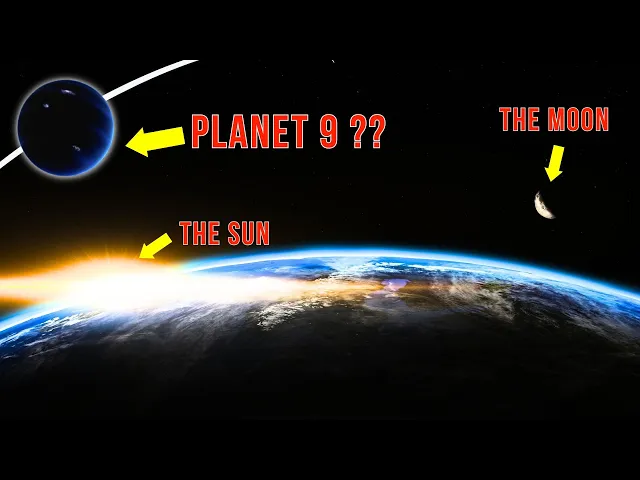
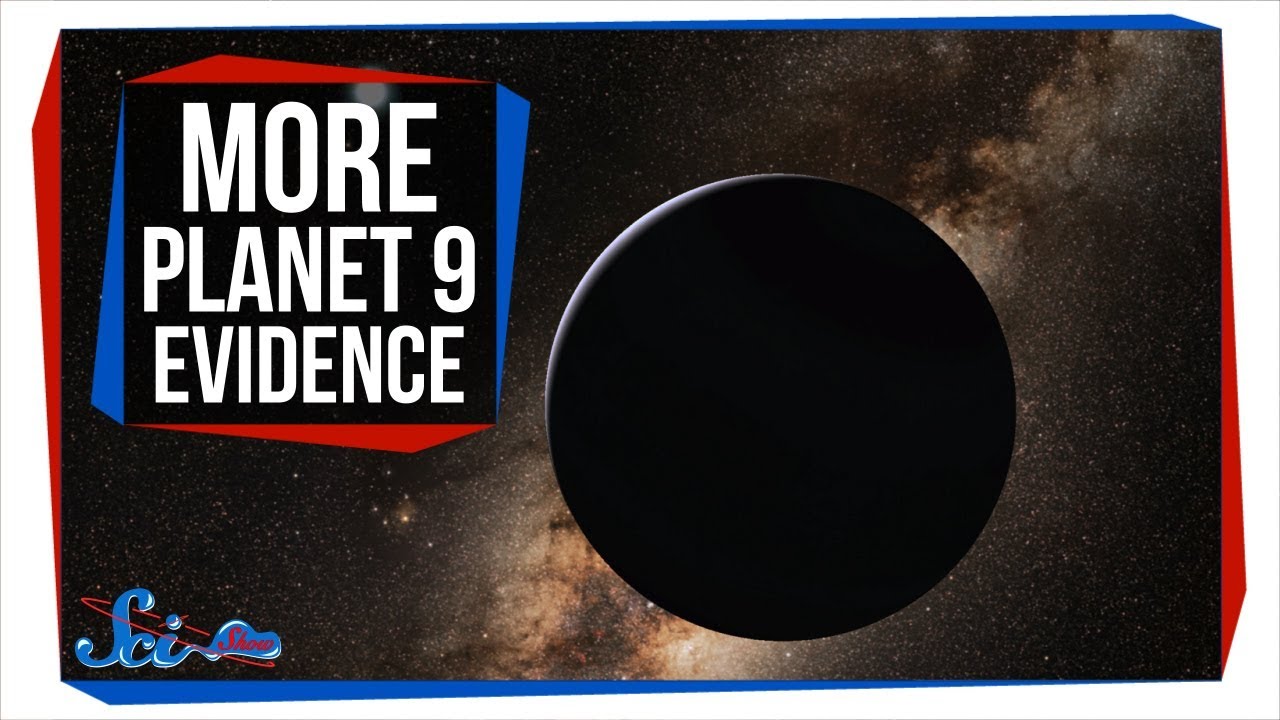
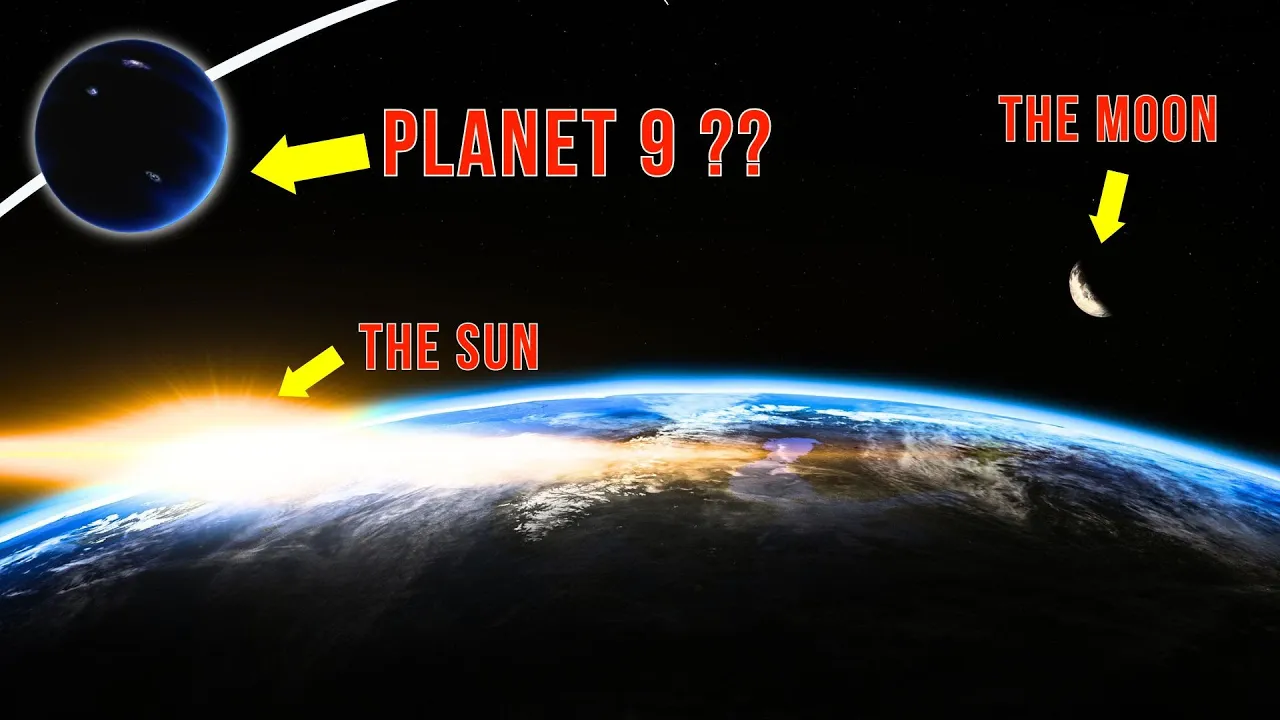
astronomers have long been intrigued by the possibility of a hidden planet in our solar system dubbed Planet 9 this hypothetical Planet could be lurking far beyond Neptune possibly five times larger than Earth for years scientists have been captivated by its potential existence and now new evidence suggests it may explain the unusual movements of icy objects Beyond Neptune but what makes Planet 9 so special why does it matter and what have scientists uncovered about it in this video we'll dive into the science of Planet 9 explore the latest discoveries and reveal how it could transform our
understanding of the solar system first let's get into the evidence that led scientists to hypothesize the existence of Planet 9 the story starts with strange orbits of objects Beyond Neptune known as trans neptunian objects tnos these icy bodies often inhabiting the Kyper belt exhibit odd behavior that defies explanation unless there's a hidden giant out there influencing them back in 2016 Caltech astronomers Constantin bigan and Michael Brown observed that several of these TNS shared similar orbital characteristics these tnos follow elongated orbits that bring them unusually close to Neptune then send them back into the outer reaches
of the solar Sol system if we think of the solar system as a giant disc these objects aren't just staying neatly within that plane their orbits are tilted at steep angles making them outliers in our Cosmic neighborhood but here's the kicker these TNS shouldn't behave like this on their own something is guiding them this strange clustering of orbits where the object's closest approaches to the Sun and their farthest points all align LED scientists to speculate Planet 9 this planet's Gra ational influence could be the key to explaining why these icy bodies move the way they
do what makes this evidence so compelling is that other explanations like interactions with Neptune or the gravitational pole of the Milky Way the galactic tide don't hold up under scrutiny for example recent simulations showed that the galactic Tide Alone can't push these TNS into the orbits we observe today but when Planet 9 was added to the model everything clicked into place the planet's gravity perfectly match the observed behavior of these [Music] TNS let's take a closer look at how scientists are testing the idea of Planet 9 to solve this mystery they've run a series of
simulations think of it like trying to solve a huge puzzle with millions of pieces scattered across the solar system each piece represents an icy object with its own unique orbit scientists ran these simulations to comp compare two situations one where Planet 9 exists and one where it doesn't in one set of simulations the researchers modeled a solar system with no Planet 9 and only the gravitational pull of the galactic tide acting on the TNS what they found was that under these conditions the TN couldn't be pushed past Neptune's orbit the galactic Tide Alone was too
weak to explain the orbits we see today then they added Planet 9 to the equation in this model a planet with about five times the mass of Earth exerts its gravitational influence on the TNS causing them to be slingshotted past Neptune the result the simulated orbits matched the real life orbits of the tnos almost perfectly this provided the strongest statistical evidence yet that planet 9 is out there hiding in the depths of the solar system what's fascinating is that these simulations also helped rule out alternative explanations for instance the idea that these orbits were shaped
by a past encounter with another star doesn't hold up under the data similarly the possibility of a small black hole influencing these objects seems less likely given the strength of the planet 9 model by comparing different scenarios the researchers concluded that planet 9 is the most reasonable explanation for the strange behavior of the tnos so this suggests that we still have much to learn about our Cosmic neighborhood it would be the first major plan planet discovered in our Solar System since Neptune in 1846 this also opens the door to new questions about the formation of
planetary systems in general if Planet 9 exists how did it get there was it captured from another star system or did it form in place and we're only now discovering [Music] it but Planet 9 isn't just a theory built on recent evidence its Origins stretch back to ear astronomical puzzles long before badan and Brown's work astronomers noticed Oddities in the orbits of objects like sedna a distant dwarf planet with an unusually elongated orbit sedna's orbit couldn't be explained by the known planets which hinted at the gravitational influence of a hidden world far beyond Neptune interestingly
the idea of a hidden Planet isn't unique to our solar system in other star systems astronomers have found planets that influence the their surroundings in similar ways for example some exoplanets have been discovered because their gravity tugs on nearby objects or distorts the light from their parent Stars these so-called perturber planets share similarities with Planet 9 providing a fascinating parallel between our solar system and Distant Worlds this planet could teach us valuable lessons about the limits of habitability in the universe even if Planet 9 isn't suitable for Life studying its characteristics could help us better
understand the kinds of environments where life might Thrive or struggle to survive as we await further observations from the Vera ruin Observatory the prospect of finally uncovering Planet 9 remains interestingly close thanks for watching if you enjoyed this video don't forget to like share and subscribe for more exciting space updates see you next time [Music] [Music]