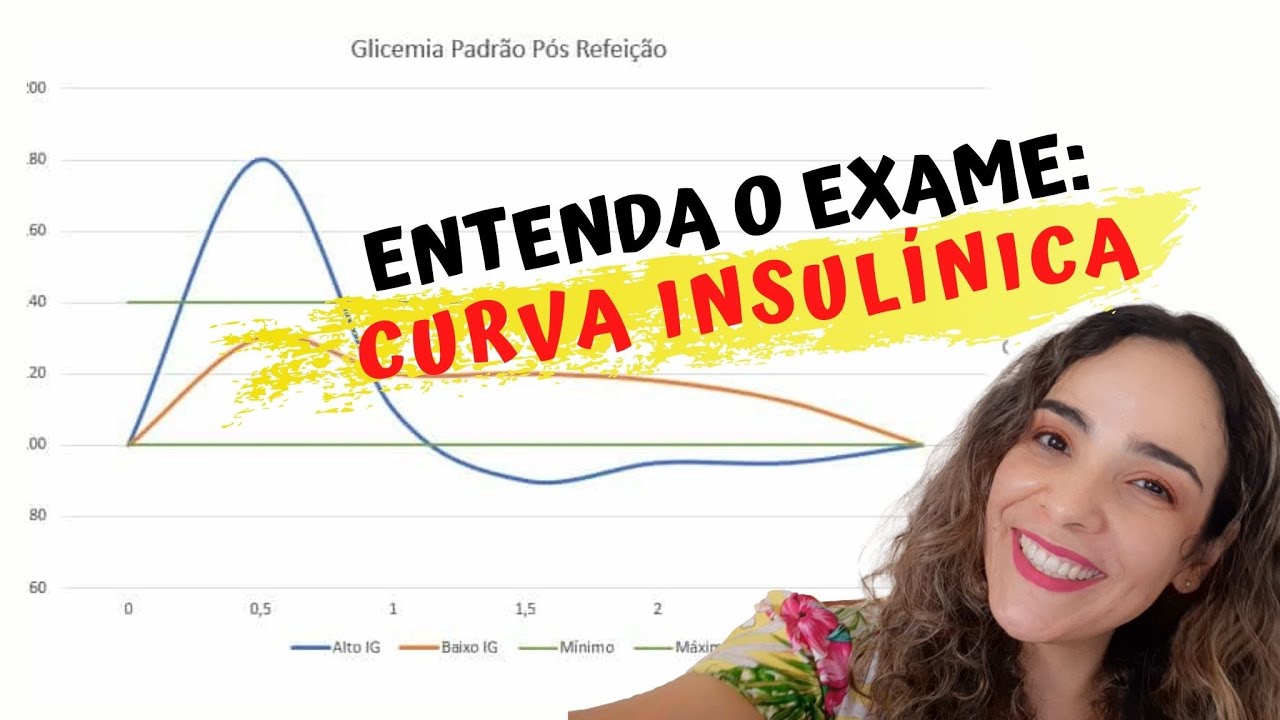
The oral glucose tolerance test (Glycemic curve) is an exam used to assess pre-diabetes type 2 diabetes and also gestational diabetes in this video explain how it works what are the negative and positive points and I will comment on the values of reference for the general population and also during pregnancy for the evaluation of gestational diabetes this exam is the target and you always ask many questions and write in the comments. So, this video answers all your doubts, the oral glucose tolerance test works as follows: You will collect fasting blood glucose to check how fasting blood glucose is , to collect fasting blood glucose you need 8 hours on fasting. So, collected, you will take a glucose syrup 75g of glucose and after 2 hours you will do a new collection to see how your body metabolizes glucose, if you are going to assess gestational diabetes, it is a little different, it is the same amount of glucose 75g but you will do a collection one hour after and also two hours after so it is activated in a measure after 60 minutes later I will explain your references as well so what is the basis of the glucose test your pancreas has to produce enough insulin to reduce this glucose is for you to be able to compensate for it as soon as you ingested 75g of glucose It goes into the blood it will increase blood glucose the pancreas realizes this and the healthy pancreas goes there and manages to reduce this glucose in a satisfactory way if there is type 2 diabetes the pancreas will not be able to produce the insufficient amount of insulin either because it is resistant or because it does not produce the amount needed by the body.
it can also present, but insulin resistance can be in the pre-diabetes phase or even diabetes if the body is resistant to the hormone insulin then you will not be able to do the situation glycemia it reduces blood sugar there actually it takes the sugar from the bloodstream and puts it into the cells to give us energy insulin anabolic hormone and it works that way this is not how the test works And why this test is also requested in pregnancy because in pregnancy mainly from the second trimester onwards placenta produces a hormone called placental lactogen hormone this hormone helps it increases In fact the blood sugar if the bank requires it no longer has a function you will have called gestational diabetes because this hormone is called placental lactogen and has several causes that can cause gestational diabetes, such as diet, obesity, genetics itself, but people always they ask why during pregnancy this is a lot due to this hormone and as the placenta starts to increase in the second trimester in the most pronounced way, let's say, this hormone also starts to increase in the second trimester onwards that's why the date stops comment those between 24 and 28 weeks and in the general population that you want to assess for Diabetes it also works in this way the doctor may suspect by a fasting blood glucose or by altered glycated hemoglobin for example. There are four blood tests that can also diagnose type 2 diabetes: fasting blood glucose, the second is glycated hemoglobin, the third is capillary blood glucose (hemoglycotest) if you have symptoms of diabetes and the fourth is the one I'm commenting on here that in the oral glucose tolerance test what would be the values I will talk today in the general population and also in pregnancy for the general population the first exam of fasting blood glucose that you will collect before taking the syrup, it has to be up to 99, from 100 to 125 is pre-diabetes and from 126 upwards is Diabetes, 2 hours after you take the glucose syrup and if the value has to be less than 140 if it is from 140 to 199 it will be the pre- diabetes and greater than 200 is Diabetes. During pregnancy Remember that I said it is different because in fasting the glucose cannot exceed 92, it is gestational diabetes after 60 minutes and there will be an additional blood glucose dose, as I explained in the beginning of the video, this glucose dose is not following me it can exceed 180 in 2 hours after it will also measure and it cannot exceed 153 so these are the reference values indicate that you can see that it's different, right because a study already varies that after a certain blood glucose rate it can pose a risk to the baby.
greater weight for example may be difficult childbirth, may have postpartum complications with hypoglycemia if you would like me to talk specifically put here in the comments that then I'll make a video just about do not forget to leave your like already places your likes If you are not subscribed, subscribe to the channel and keep following, a hug!