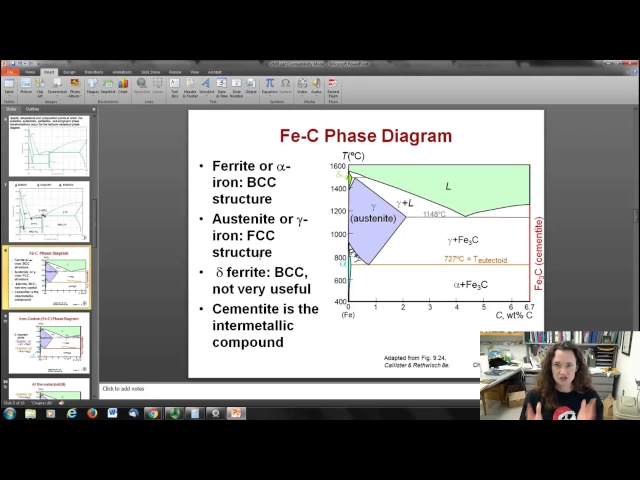
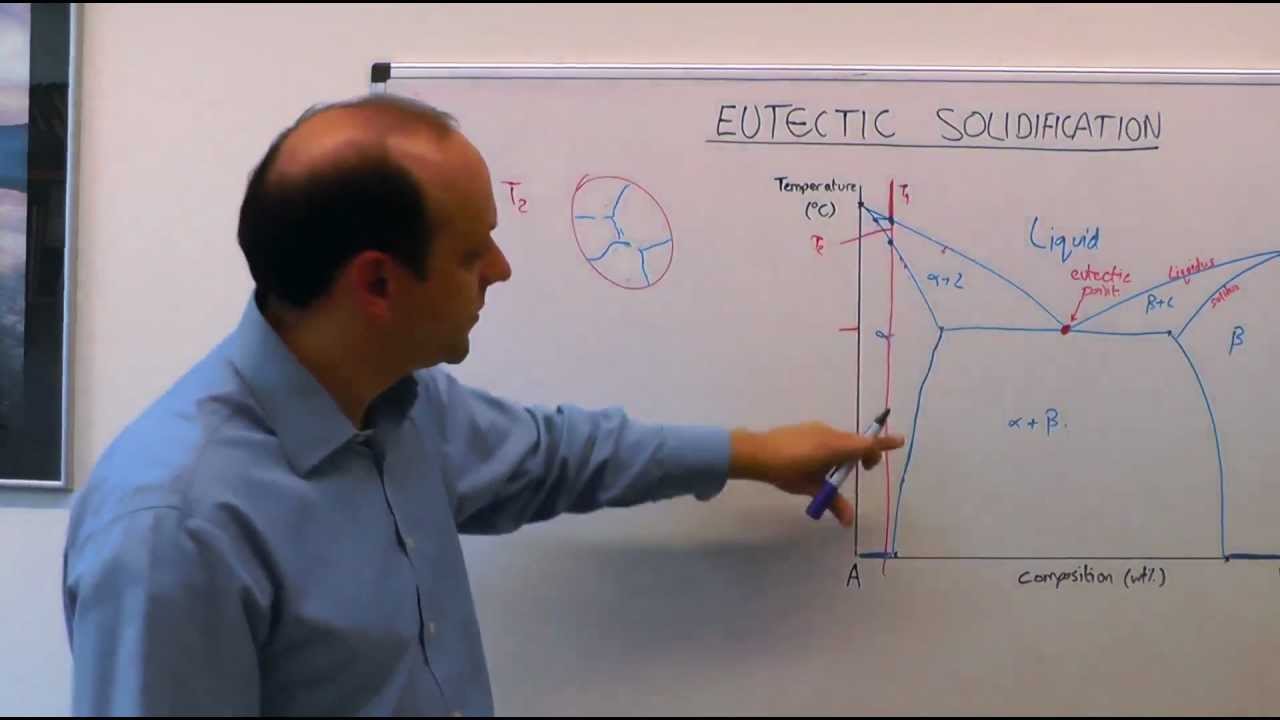
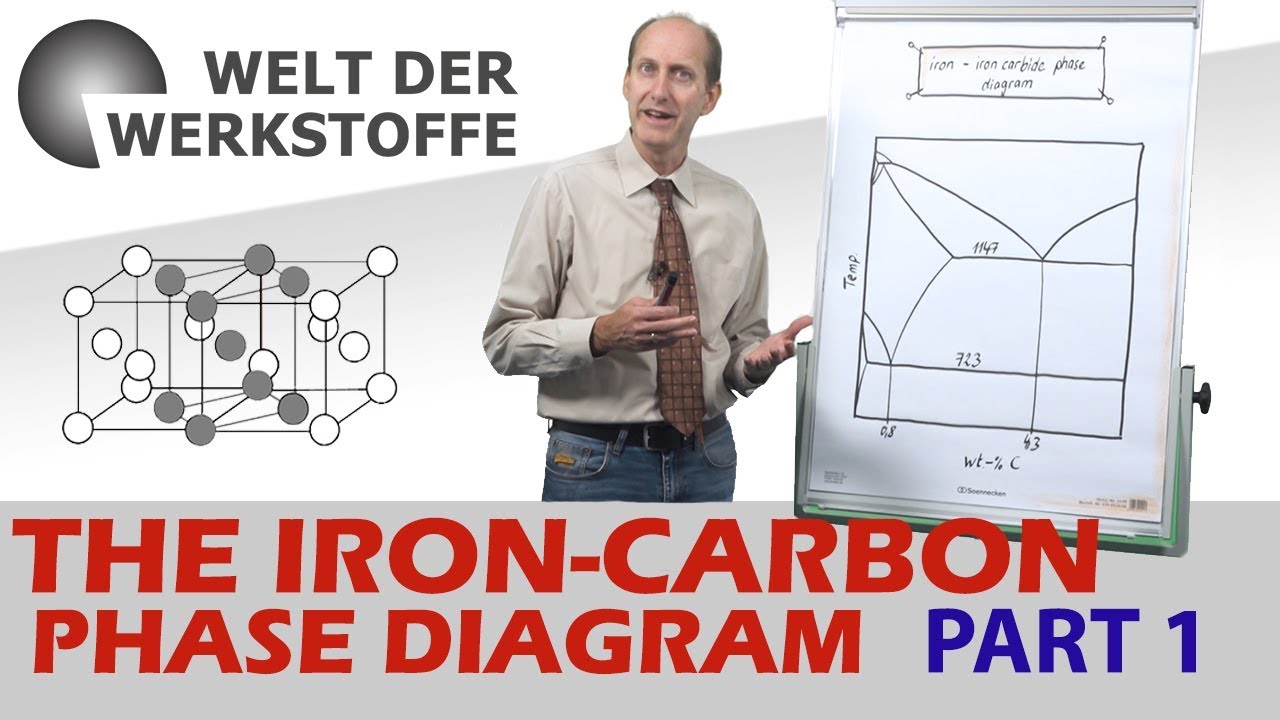
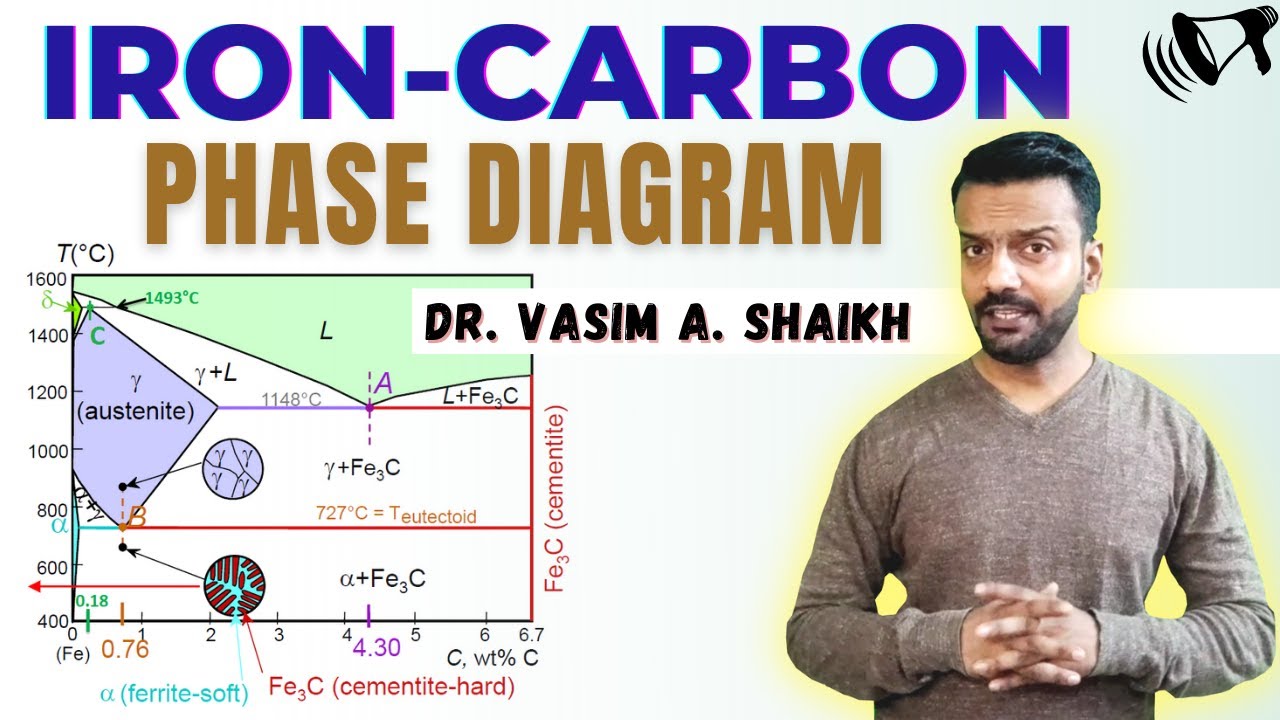
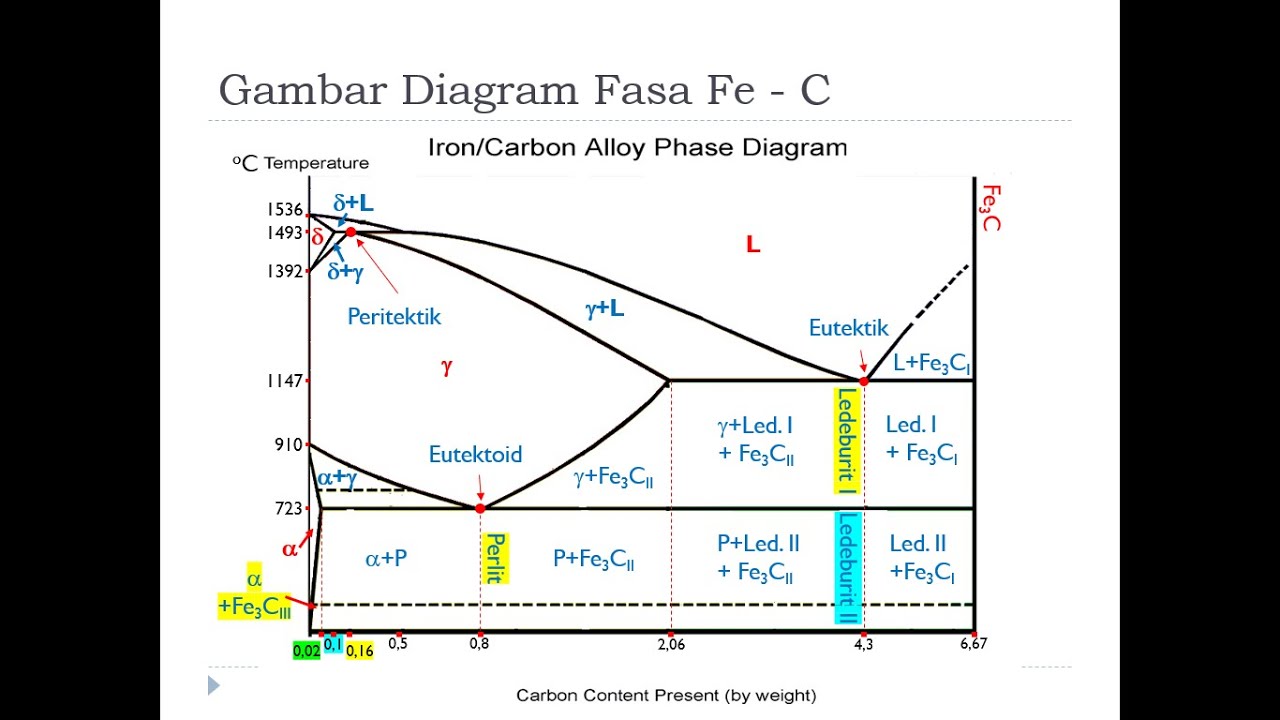
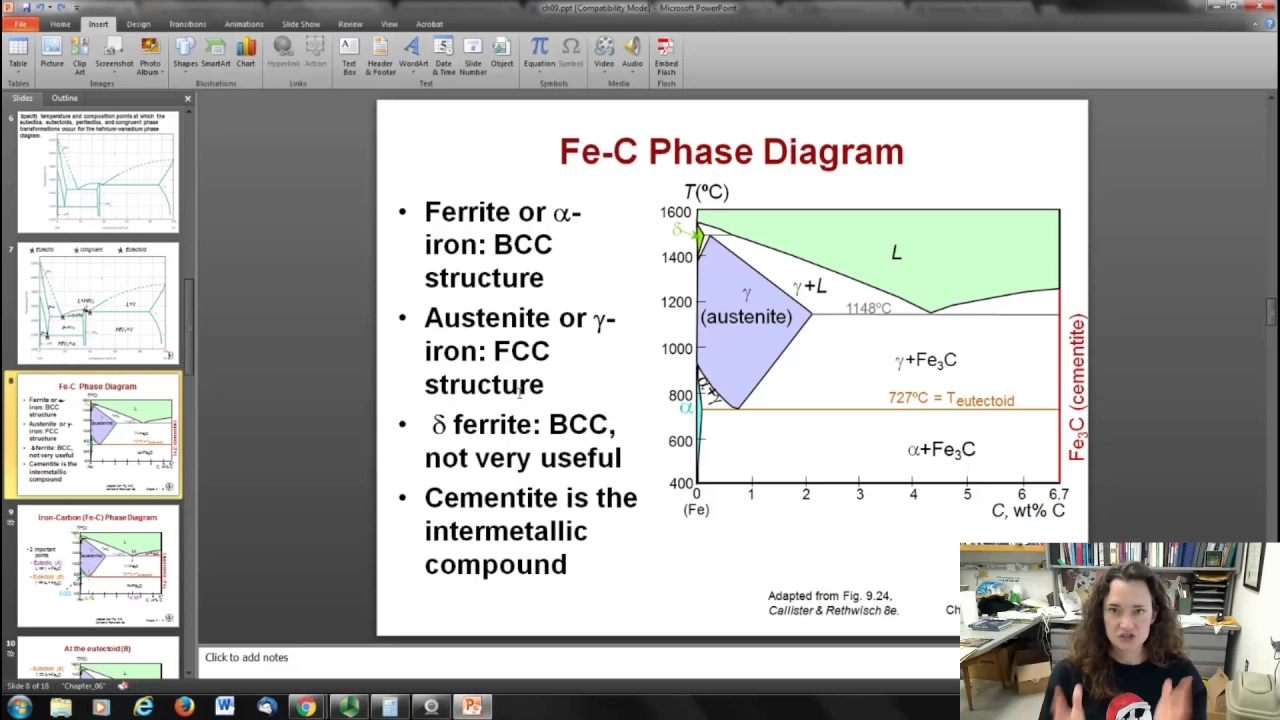
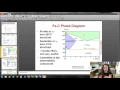
just when you think phase diagrams couldn't get more complicated than they already were you realize that the eutectic binary eutectic systems that you are looking at really are some hardest thing out there here's the copper zinc phase diagram for examples it's crazy a lot of phase diagrams and material science look like those things just aren't as straightforward as one might prefer let me go through a few things just on this you've got what are called terminal solid solutions so here along the bottom you're going from a percentage of 0% 0% and think 100% copper all the way to 100 percent zinc right here on the right so the alpha phase and the beta phase yes that's a de are are the pure copper and pure zinc forms respectively all along the way you've got different solid phase structures so we've got our beta phase right here our gamma phase our epsilon phase our beta prime phase since I want it so forth okay these are called intermediate solid solutions so they have slightly different structures from the alpha and the ADA phases they have different structures and they have different properties sometimes physical properties so they deserve their own name okay they deserve their own letter Greek letter of the alphabet and they have different structures in the solid solution there's other things that can happen in case I grams for example if you have any vertical line that looks like this on a phase diagram that's an intermetallic compound intermetallic compounds exists as lines on the diagram and not areas because it's joy kiama trees so the composition of the compound is a very fixed value for example here you have two magnesium's for every ledge and then only occurs at a very fixed value for your percent composition of course it's right about here at about eighty percent okay for your magnesium lead-based diagram so intermetallic compounds can happen other things can happen on phase diagrams we've talked about eutectic reactions in the last lecture where you have a liquid that transforms into two different solid phases so for example for the left hand diagram that we talked about a lot last time you have a liquid that goes to an alpha plus a beta phase but other things can also occur there's so-called eutectoid reactions and yet this is horrible they should have given it a different name it shouldn't be eutectic eutectoid and peritectic this terrible it's just terrible they sound too much alike and it confuses me as well but a eutectoid is different from a eutectic and eutectoid is when you have one solid phase that transforms into two other solid phases all right so eutectic is when you have a liquid coin going to two distinct solid phases and a eutectoid is when you have one solid phase that transforms to two different solid phases all right so an example of this would be in the carbon iron safe diagram which we're going to talk about here in a few minutes where you have the gamma phase going into the alpha plus cementite phase alright so that's a eutectoid you also have peritectic two many x-rays peritectic is when you have a liquid and a solid phase that transforms into a different solid phase right so for example in our iron carbon phase diagram which we're going to have in a minute you have the delta solid phase plus the liquid phase going into the Gamma solid phase okay so it goes from a delta to a gamma solid phase Delta plus liquids to a gamma all right so what do these things look like on phase diagrams your eutectoid in your peritectic so here we go eutectoid and peritectic eutectoid look like these on your phase diagram very similar to the eutectics so they look kind of similar and they sound kind of similar the odds are getting these things confused or very high to make sure that you have it straight in your head a eutectoid transformation is indicated here this is our copper zinc phase diagram but instead of that crazy zoomed out saying that I showed you on the first slide we're now moving into only look at a certain small range of temperatures and compositions so here's the eutectoid transformation right here where we're going from a delta phase to a gamma plus an epsilon chase okay so there's no liquids there so you know it's not a eutectic and it's a v-shape so it's a eutectoid alright peritectic here we go with the peritectic we've got a liquid plus the solid phase becoming a totally different solid phase and that happens here on the copper zinc phase diagram when it goes from the gamma solid phase plus liquid to the delta solid phase alright so that's an inverted V on our phase diagram a little bit more vocabulary for you we've got congruent and incongruent phase transformations so a congruent phase transformation is one where there's no compositional alterations so for example the melting of pure metal going from a liquid to a solid phase or water moving test to ice okay no compositional alteration there in congruent phase transformations on the other hand or when at least one of the phases experiences a compositional alterations so eutectics and eutectoid are in congruent phase transformations alright so let's look at a confusing looking phase diagram and see if we can make some sense of it this example says specify the temperature and Composition points at which any eutectics eutectoid peritectic sand congruent phase transformations occur so this hafnium vanadium phase diagram here okay so what's happening here we've got the range of temperature starting a thousand degrees Celsius and going up because nothing interesting happens below a thousand and the composition and weight percent vanadium goes from zero which off is all hafnium all the way to a hundred percent Vinay going to the right now you'll notice a few things there's lots of lines here and not a lot of letters on this phase diagram now this is typical oftentimes they'll label only the pure parts okay so this is all alpha all beta the hafnium vanadium compound right here the liquid and the pure vanadium they've labeled that but they haven't labeled any of the other regions so you have to fill that in yourself on a lot of phase diagrams and figure out what it is miss no time what happens is if it's between two pure areas then you know that it's the sum of those two things in the region between the two pure ones so if we go down here I filled them in okay so for example here we have the liquid region here we have solid vanadium right structure that means that this region in between these two is liquid plus collagen 18 okay here we have this hafnium Canadians in a inter metallic compound structure that's an inter metallic compound line right there okay I think vertical but anyway here's a half cam vanadium inter metallic compound here's pure vanadium so that means that this region in here is the hafnium vanadium inter metallic compound plus to your vanadium that's what that is right there okay this right here this little sliver is also hafnium and this is the house names and medium intermetallic compound so that means this region here is to some of those two things okay this right here is the beta phase and over here is the alpha phase so that means that this little triangle place right here is alpha plus beta whoops okay now this is liquid this is beta that means this is liquid plus beta this is hafnium vanadium inter metallic compound this is beta that means that this is the theta plus the hafnium vanadium inter metallic compound and so on and so forth okay so you just label each region based upon is it's between two piercings and it's the sum of those two piercings if it's in the area in between the two all right so now that we're labeled now we can think about labeling things as eutectics eutectoid pair of tactics and it also asked about congruent transformations okay eutectics first eutectic is when you have a liquid going to two solids okay so that occurs here okay you've got that V on the phase diagram I've labeled the eutectic with red stars so I have a eutectic right here I've got a V and it's a liquid going to beta plus that inner metallic compound then there it is okay so there's a eutectic there's also a eutectic right here there's another little V that comes down right there and that's a liquid going to the vanadium plus the inter metallic compound right there so those two are eutectics okay there's another V however that V is a eutectoid okay and it's right here at the purple star so here I have beta phase and the beta phase goes to alpha plus the inter metallic compound okay so that's a eutectoid now we have a congruent phase okay it's easier to see if you go back to this plot really fast this is our little inverted V right here okay and in this little inverted V what we've got is a transformation from the inter metallic compound to a liquid and so that's a congruent phase transformation labeled in orange right here okay so there's some of the points um hopefully it makes these phase transformations and phase diagrams a little bit easier to wrap your head around and a little bit easier to understand now that we've defined some things gone through some vocabulary looking at these phase diagrams let's look at probably one of the most important phase diagrams material science and that's the iron carbon phase diagram of course it's super important because it forms the foundation is filled okay so lots of times when you're looking at these iron carbon phase diagrams you only look up look at it up to about six point seven weight percent carbon because a lot of Steel's have carbon concentration less than that and so people tend to use just the part of the phase diagram that they need because the whole iron carbon phase diagram is super confusing so they just use the part they need alright so here's a pretty typical looking one we're going up to six point seven to eight percent alright let's define some terms first of all there's the alpha phase and the alpha phase is this little light blue sliver on the left-hand side of the phase diagram this alpha phase of iron is called ferrite ferrite has a BCC structure now we look at this guy right here the gamma phase gamma phase is also called austenite so instead of gamma iron lot of times people say austenite it has an FCC structure now there's also a delta phase of iron that occurs at higher temperatures but it's not super useful okay so most of times people don't talk about it a lot because it only exists at high temperatures and we don't use Steel's that super high temperatures and this very narrow sliver very often since it's not useful not talked about okay now next one cementite this an intermetallic compound and it's here pictured at the right hand side if the iron carbon phase diagram were to go on you would see that it's just a vertical line okay but it's cementite and intermetallic compounds the inter metallic compound has the formula fe3c okay so that's cementite now looking at the phase diagram in more depth there's a couple of important points one is there's a eutectic okay eutectic here is here at Point a and it goes from the liquid phase to the gamma plus cementite phase right here so that's our eutectic and that takes place at 11:48 degrees Celsius and a concentration of 4. 3% by way of carbons next there's au texture wait the eutectoid takes place at point b here in our diagram in the eutectoid you're going from the austenite to the ferrite and cementite and that takes place at a concentration of 0. 76 percent by weight carbon and a temperature of 727 degrees Celsius okay so those are our two points now you have your eutectic isotherm label here at 11:48 degrees Celsius and you have your eutectoid isotherm labeled here at 727 degrees Celsius okay so the intersection of the alpha phase with the eutectoid occurs at a composition of 0.
02 two percent by weight carbon and of course it goes all the way this isotherm goes all the way to the right at 6. 7 percent by weight carbon which is where you run into your cementite intermetallic compound concentration now what if the structures look like well asking you check to wait when you're going from the gamma phase here across the eutectoid isotherm and down below to this mix of compounds here miksa phase with your alpha plus cementite then what happens is once you cross that eutectoid isotherm you get a structure known as pearlite okay it's called pearlite because it looks like mother-of-pearl and it's kind of pretty on this has a scale bars about 120 micrometers and what pearlite is of course that lamellar structure that we saw and talked about a little bit for eutectic the same kind of structure or lamellar structure forms at the eutectoid and it's alternating layers of ferrite and cementite phases okay so that is pearlite which is kind of a beautiful name I guess now if you have hypo eutectoid steel which means that it's to the left of the tech toy boy here then if you look at what happens to the microstructure let's say that you're at some intermediate percentage between 0. 02 2 and point seven six percent by weight so we're right here on this little dashed line we start off and we're in the phase austenite well it goes liquid and then it goes to the austenite plus liquid phase and then you have austenite forming so you get domains or grains of austenite now once you hit this transformation line right here okay then you start to form little nodules of ferrite within it because here's your pure ferrite right here so in this little triangular white region right here you've got alpha plus gamma so this is the alpha plus gamma phase right here so once you come out of the gamma phase region you start forming little nodules ferrite and then it crosses the eutectoid isotherm okay you get increasing concentrations of ferrite as you move down and then when you cross the eutectoid isotherm then all the places that were austenite all the places that were the pure austenite before you cross become pearlite okay so you have your your pro-eutectoid alpha particles and you also have your pearlite okay so that's pictured here in this micrograph here's the pro eutectoid ferrite in the solid form and then here's the pearlite with this little mother-of-pearl looking structure okay now just like in anything else I can totally kill the beauty of it by by putting math to it and making you can't wait to come up with weight percentages of these things so you can figure out what the weight percentage of the austenite phase is okay by constructing a tie line just like we did before you always construct your time line and then figure out what the ratio of your tie line size is according to your lever rule so for example the way to the alpha phase would be for this little lowercase R lowercase s tie line s over R plus s and then if you wanted to figure out the way to the gamma phase it would just be R over R plus s or 1 minus the weight of alpha beta okay and then once you cross your eutectoid isotherm basically everything that was your gamma phase you're out Austan eyes becomes pearlite okay um and then your pro-eutectoid part stays as the pro-eutectoid solid part which is the way to the outside from before now if you want the total weight of alpha phase versus cementite including both the alpha phase that's in the pearlite and the pro eutectoid modules then you use the tie line that goes all the way from the alpha phase to the cementite line over here on the far right hand side okay then you have the tie line with large R and large s that's shown here so then if you want the total weight of all the alpha it would be s over R plus s and if you want just the cementite thing you would do R over R plus s and or you would just find the wait for that total alpha phase and subtract that off okay all right so that's how to do that now let's say that you have a hyper eutectoid steel which means that you have a concentration greater than 0.
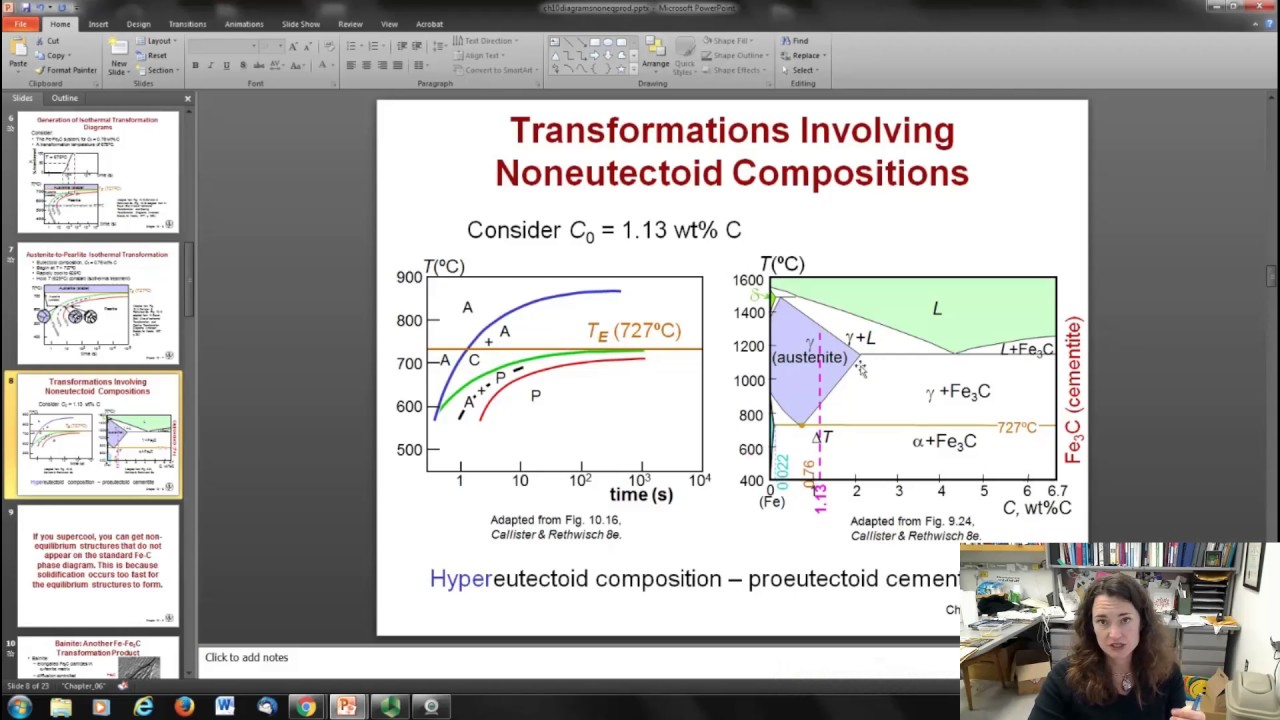
7 six percent for your carbon alright so we're in here in this region so we draw down out of our austenite phase and then what happens is we get these little nodules of pro-eutectoid cementite forming depicted here in red and those nodules can get bigger and bigger until they form kind of these domains that are shown they form the sort of white regions here in this micrograph okay so they kind of form veins I guess is the way to think of it they form veins or pro-eutectoid cementite eventually starting out as nodules and going to veins and then once you cross that eutectoid everything that was gamma becomes pearlite okay just like before so yet again i can kill anything so if you want to find the weight of the gamma phase then you can do that by constructing the tie line for the X here okay so Z is the short part of the tie lines that goes from the concentration you're at and intersecting the phase transformation line right here - gamma phase and then the lowercase X goes all the way from where you're at to the cement tide line okay now once you cross the eutectoid and you want the total concentration of the value you take your tie line going from the alpha phase all the way across to this and then tight and calculated that array okay hope that's straightforward but if it's not here's an example problem hopefully this will help so for a 99. 6% by white iron and point four percent by weight carbon steel at a temperature just below the eutectoid determine the following first of all the composition of cement cementite and ferrite and the the amount of cementite in grams that forms a 100 grams of steel and see the amount of pearlite and pro-eutectoid ferrite in 100 grams here we go alright so we're in the hypo eutectoid region where to the left of that eutectoid transition composition alright so if we can stretch our tie line and the tie line is shown here in the blue and the red RS is our tie line and we look at the intersection of that tie line with the fade there then the composition of the alpha phase is given by the intersection of my tie line with my transition which is 0. 02 2 percent by weight of carbon remember I specify that at they detect choice that's the composition for the alpha phase intersects right there 0.
02 2 percent by weight okay now system in tight that is at 6. 7 percent by weight so that's the composition of the cement type 6. 7 percent by weight carbon now if you want instead the weights of the various phases then you've got to use your lever rule so the weight of the cementite the total weight would be equal to R over R plus s and so that's going to be point 4 minus 0.
02 2 divided by 6 point 7 minus 0. 02 2 and that gives us a weight of 0. 05 7 cementite so that means five point seven percent by weight of the material is cementite which isn't very much now in 100 grams you would multiply 0.
05 seven times 100 and you would get five point seven grams of cementite in your material so that's Part B next we're going to use the tie line that's just above eutectoid to figure out how much pearlite and pro eutectoid ferrite there is ok so remember that if you use the tie line below the eutectoid you want the total percent by weight of the two compositions and if you want the tie line above eutectoid you're getting the phase compositions okay so here we go with the pearlite remember the pearlite comes from the austenite so everything that was austenite above the eutectoid transition becomes pearlite so that means that you construct your tie line kind of right above that eutectoid ok and then you go down from there so Z over V Plus X is our time line here you can see the tie line is kind of distance on a blue green color and access the purple we have V over V plus X which gives us these composition difference is indicated here 0. 4 and minus 0. 02 2 divided by 0.
76 minus 0. 02 2 and that gives me point five one two so it's 50 one point two percent by weight pearlite ok and the rest would be that pro eutectoid ferrite alright so the amount of pearlite and 100 grams would be 50 1. 2 grams or 0.