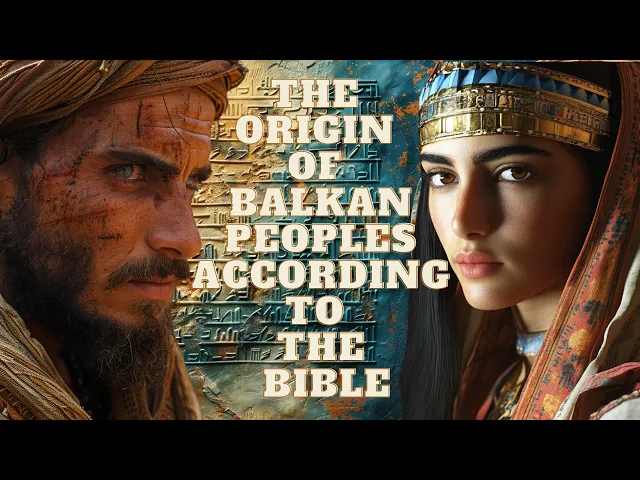
welcome to the unraveling the scriptures channel the Balkans is one of the most fascinating and historically complex regions in the world a land of ancient civilizations powerful Empires and epic conflicts but what if I told you that the roots of the Balan peoples might be found in the pages of the Bible According to some Scholars the descendants of Noah After the flood spread across the world and may have given rise to the peoples we know today in today's video we will investigate how ancient scriptures particularly the genealogy of jafeth Noah's son might be connected to
the origins of this mysterious region could these biblical accounts hold clues about the early history of the Balkan peoples stay tuned until the end as we explore fascinating and controversial interpretations linking the Bible to this enigmatic part of the world this is another episode of our series the origin of peoples according to the Bible the Balan peoples are an ethnic and cultural diversity that inhabits the Balkan Peninsula in southeast Europe a region historically marked by a complex blend of cultural religious and linguistic influences the geography of the Balkans with its mountains and isolated valleys contributed
to the development of a wide range of ethnic identities often in constant interaction and conflict the Balkans corresponding partially to the Balkan Peninsula also called the hemus peninsula is a geographic graic area located in southeast Europe with VAR Geographic and historical definitions the Region's name comes from the Balkan Mountains or hemis mountains which run through Bulgaria the Balkan Peninsula is bordered by several bodies of water the Adriatic Sea to the Northwest the ionian sea to the Southwest the aan sea to the South the Turkish Straits to the East and the Black Sea to the Northeast
the concept of the Balkan Peninsula was introduced in 1808 by the German geographer August zun who mistakenly believed that the Balkan Mountains were the dominant mountain range in south east Europe spanning from the Adriatic Sea to the Black Sea in the 19th century the term Balan Peninsula became associated with ramelia a designation for the European provinces under the control of the Ottoman Empire at the time this definition had more of a geopolitical rather than a purely geographical character a notion that was rein forced with the creation of the kingdom of Yugoslavia in the early 20th
century over time it became clear that the definition of the Balkan Peninsula does not strictly fit the technical conception of a peninsula for this reason many modern geographers reject this idea although the term continues to be widely used by historians to describe the region Additionally the term Balkans has acquired a negative connotation associated with political fragmentation and balkanization ation in many contexts the alternative term Southeast Europe is preferred the borders of the Balkan region are frequently disputed due to varying definitions while there is no Universal consensus the most accepted definitions fully include countries like Albania
Bosnia and Herzegovina Bulgaria Greece Kosovo Montenegro North Macedonia the European part of turkey the Romanian Coastline a large part of Serbia as well as significant portions of Croatia and Southern Slovenia sometimes the term also encompasses the entire country of Romania the province of triest in northeastern Italy though occasionally mentioned is generally excluded from these definitions the origin of the word Balkans is uncertain It is believed that it may derive from the Turkish term bulk meaning mud combined with the Turkish suffix and meaning swampy Forest another possibility is that it orig Ates from the Persian balak
which means High great house the term Balkans was widely used during the Ottoman Empire period in ottoman Turkish and modern Turkish Balkan means a chain of forested mountains the first recorded mention of the name appears on an early 14th century Arabic map where the hemis mountains are referred to as Balkans the Ottomans used the term for the first time in a 1565 document there there is no evidence of Prior use of the word to designate the region although Turkish tribes had already settled or passed through the area during the 1820s Balkans became the preferred term
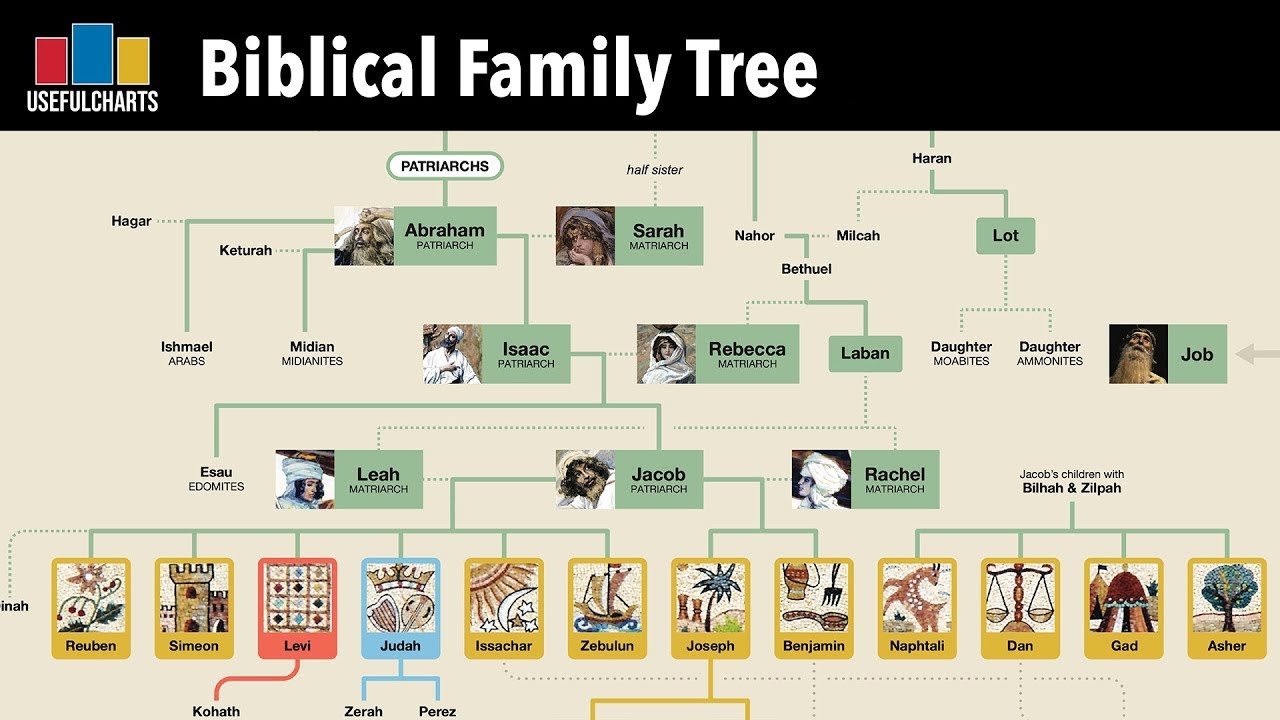
among British Travelers although hus was still in use in European books printed until the late 19th century the region was also known as the yyan peninsula or ilish hincul in German the ancient peoples of the Balkans were composed of various tribes mainly of origin such as the serbs croats and slovin along with Greek tribes and other ethnicities to understand the biblical origins of these peoples we can refer to the book of Chronicles 1:5 which mentions the sons of jafeth were gor Magog madii Javin tubil mishek and tius Chronicles 1 5 similarly the Book of Genesis
10 also describes the descendants of jaffet the descendants of jafeth were Gomer Magog madii Javin tubil Meek and tius Genesis 10:2 in jaf's lineage we find the origin of many of the peoples who composed the Balan region in Antiquity whenever biblical texts mention Greece or refer to this territory the term used in Aramaic or Hebrew is yavan or Javan in our language Javan son of jafeth is considered the ancestor of the peoples of of the AGN C the ancient Greek tribes who were among the many peoples that inhabited the Balkans according to biblical interpretations the
linguistic terms themselves reinforc this Association indicating that Javan was the ancestor of all the Greek peoples and the Greek tribes of the aan sea from this we can infer that the peoples of the Balkans and other European groups share this origin from an academic theological and linguistic standpoint these peoples are classified by two main terms the first term is indo-europeans referring to the languages and ethnicities of Indo-European origin the second term is Japes descendants of japheth's lineage the son of Noah jath is described according to biblical tradition as the ancestor of All European peoples including
the Germanic Celtic Greek Roman and even Scandinavian peoples like the Vikings furthermore one of jaf's grand Sons is said to have inherited Asian characteristics which according to interpretations gave rise to peoples such as those of China Japan and Korea these peoples known for their distinct amen shaped eyes are also considered descendants of jaff the name tarma for example is interpreted as a reference to these features meaning broken or slanted if you're interested in more details about the origins of Asian peoples we also have videos on the a Channel about this topic the Balkan region was
the first area in Europe to experience the arrival of agricultural cultures during the Neolithic era inhabited since the Paleolithic this region played a crucial role as a route for the spread of Agriculture from the Middle East to Europe during the Neolithic two important cultural complexes developed in the Balkans the staro culture and the vinka culture the latter in particular made history by developing a form of Proto writing known as old European script which predates even the Sumerian and minoan civilizations most of these symbols were created between 4500 and 400 BC with the famous tartaria clay
tablets dating back to around 5,300 BC the identity of the Balkans throughout history has been deeply shaped by its geographical location which served as a Crossroads of cultures the region acted as a junction between the Latin and Greek cultures of the Roman Empire and was the destination for a large influx of pagan bulgarians and slaves additionally it was a meeting point between the two great Christian Traditions Orthodox Christianity and Catholicism and later between Christianity and Islam the ancient languages of the Balkans such as Albanian helenic and other paleo balcan languages had their formative core in
this region after the induran migrations during the preclassical and classical Antiquity the Balkans were home to peoples like the Greeks alyans ponan thians dacians and other ancient groups the ained Persian Empire Incorporated parts of the Balkans including Macedonia thce parts of modern Eastern Bulgaria and the Black Sea Coast of present day Romania starting in 512 BC however after their defeat in the Greco Persian wars in 479 BC the Persians abandoned All European territories allowing these areas to regain their independence under the reign of Philip II of Macedonia 359 to 336 BC Macedonia became the most
powerful state in the Balkans in the 2 Century BC the Roman Empire conquered the region spreading Roman culture and the Latin language although large Parts remained under the strong influence of classical Greek culture of the Paleo balcan languages only Greek and Albanian survived the Romans considered the rapy mountains as the northern boundary of the hemos peninsula and this line also marked the approximate border between the use of the Greek and Latin languages in the region later called the gyc line however south of this line many people spoke romance languages such as the vlocks or aromanians
who were heirs to the Latin language and Roman culture starting in the 6th century bulgarians and slaves arrived in the region initiating a process of assimilation and display placement of local peoples who had already been influenced by romanization and heniz these migrations led to the formation of new ethnic groups among the South Slavs such as bulgarians croats serbs and slovin before the arrival of the slaves parts of the western Peninsula were inhabited by the Proto albanians as evidenced by the evolution of city names such as nysos modern Niche and asbos modern stip which follow phonetic
rules of the AL Alan language this suggests that Proto Albanian was spoken in the region before the Slavic migration the Balkans have always been a Crossroads between East and West resulting in a rich intersection of cultures languages and religions the region was influenced by the Roman Empire Byzantine Empire Ottoman Empire and various European and Slavic Empires as a result there is a blend of Orthodox Catholic and Islamic traditions with religious and ethnic tensions that marked the Region's history especially during the Balkan Wars and the Yugoslav wars in the 20th century these influences created a rich
cultural tapestry but also generated conflicts throughout history especially regarding Territorial and ethnic disputes such as those that occurred in the 1990s during the dissolution of Yugoslavia although the peoples of the Balkans have varied Origins there are some common physical traits though not Universal the these traits reflect the mixture of native Europeans Slavic peoples and Mediterranean and Asian influences resulting in a remarkable diversity of appearances the skin tone of the Balan peoples ranges from light to medium with a predominance of fair skin in regions with greater Mediterranean influence such as Greece and Albania there is a
tendency towards more tan skin tones as for hair the variations are also diverse brown hair is the most Comm common among the peoples of the Balkans but there is a significant presence of black hair especially among albanians Greeks and Turks in Slavic regions such as Serbia Croatia and Bulgaria one can find a significant proportion of blonde and light brown hair hair types range from straight to slightly wavy with thick and curly hair being more common in the southern part of the peninsula brown eyes are predominant especially among albanians Greeks and Turks while green and blue
eyes are relatively common among Slavic peoples such as the serbs and croats all these physical characteristics are present among Japes descendants of japheth son of Noah the peoples of the Balkans are a fascinating mix of genetic and cultural influences resulting in a diversity of physical traits from the fair skin and blue eyes of the slaves to the more tan skin and dark hair of the Mediterranean peoples this region is a true cross roads of civilizations where physical diversity reflects the rich and complex history of migrations conquests and coexistence over the centuries I hope you enjoyed
another video from our series the origin of peoples according to the Bible leave suggestions in the comments about other peoples you would like to see addressed in a future video may God bless you and see you soon