there are many different diets that can help us lose weight in most cases it is not the diet itself which is the issue rather it is adherence to the diet which prevents us from reaching our goals so how can we stick with a calorie restricted diet longterm and how do we prevent weight regain after we have achieved significant weight loss first we need to understand what we are trying to achieve with any weight loss diet essentially we want to be in a calorie deficit over time in other words we want to consume fewer calories than
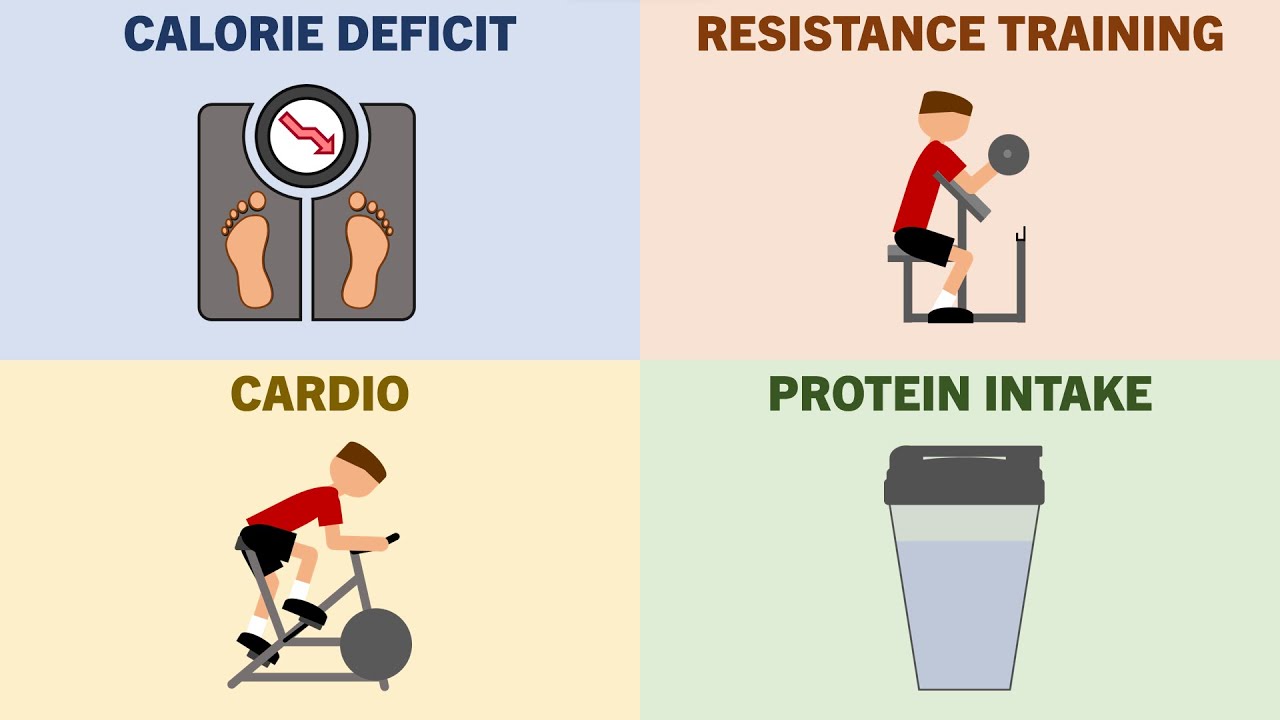
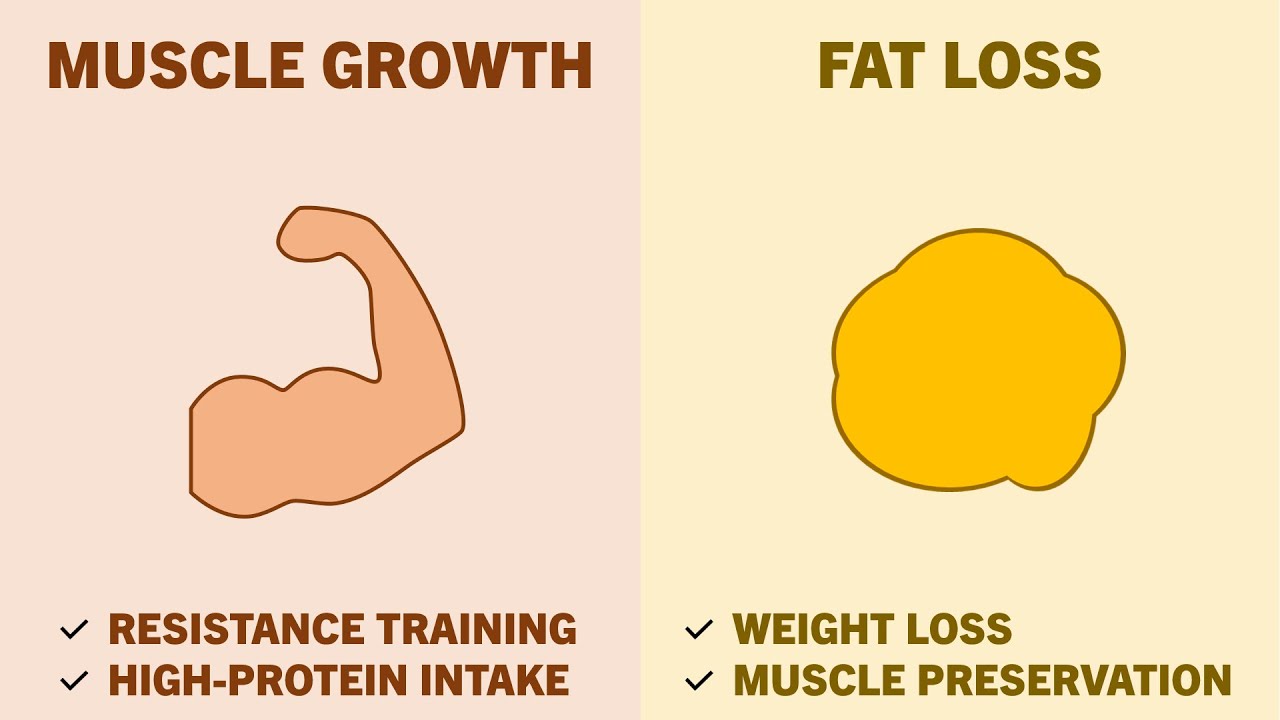
we expend per day on average over time and simply put consistently adhering to a calorie deficit will result in body weight loss over time while we won't be covering it in this video it is also worth mentioning that weight loss alone isn't the ultimate goal rather it is usually fat loss that we want to achieve a calorie deficit alone will result in mostly fat loss but it can also come at the expense of significant losses in lean mass which includes muscle bone organs and everything else which isn't fat so ideally we would want to try
and preserve as much lean mass as possible during weight loss for health function performance and Aesthetics this is primarily achieved by including exercise in your weekly schedule with resistance training being the most effective form of exercise for building and preserving lean mass this will allow a greater amount of fat to be lost as a proportion of the weight lost as discussed a calorie deficit is achieved by consuming fewer calories than we expend so there are two sides to the equation energy intake and energy expenditure energy intake comes from our diet while expenditure comes from various
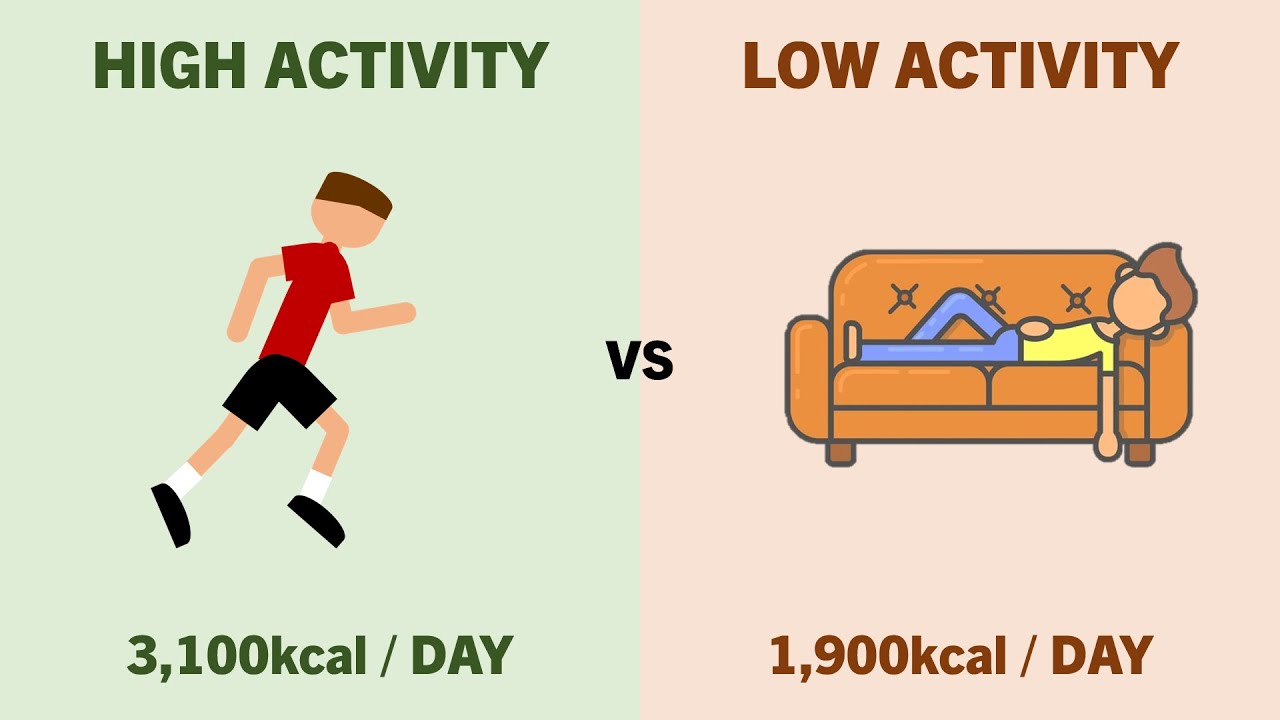
factors with exercise being one component so can't we just eat whatever we want and make sure that we are doing enough exercise to promote a calorie deficit technically you probably could but in reality exercise is not all that effective for expending energy as we do more exercise other components of energy expenditure are downregulated to compensate this concept was termed the constraint model of energy expenditure in this research review as more exercise is performed other components of energy expenditure are downregulated and the more energy that is expended via exercise the more compens that is observed so
the net total energy expenditure from doing lots of exercise is probably not going to be quite as much as you would think so instead of trying to promote a large calorie deficit via exercise it is usually going to be more viable to reduce calorie intake as the primary method the Practical message here is that you probably want to make the diet the number one priority exercise can then be used supplementally to expend a little more energy but you don't want to use all your willpower and energy on hard cardio almost any weight loss diet you
can think of is essentially trying to achieve a calorie deficit either intentionally or unintentionally and they will all work to some extent if you are able to stick with them however the issue with many diet approaches is that people aren't able to stick with them consistently enough over long periods of time and as a result many will stop before they have reached their target and if they are successfully able to achieve significant weight loss they will usually end up regaining most of this weight in the next few months and years this was observed in this
research review which looked at body weight change up to 5 years after a weight loss program it was found that on average most people regained around 30% of their lost weight within the first year and after 5 Years Around 80% of the lost weight was regained but why does this happen well there are many factors involved but ultimately the diet practices implemented are not sustainable longterm and to be fair a calorie deficit isn't supposed to be sustainable if a calorie deficit was sustained for long enough you would eventually die of starvation but that is not
really what we are talking about here rather we want to make sure the calorie deficit is able to be adhered to for multiple months if not years so that long-term weight loss can be achieved so how can we make the diet more sustainable the first consideration is the magnitude of the calorie deficit that we aim for while a calorie deficit of some magnitude is required how much of a calorie deficit should we aim for well there are no hard rules here but there are trade-offs a larger deficit will result in Faster weight loss meaning you
get closer to your goal faster however this also makes the diet more restrictive less sustainable and ultimately more difficult this increases our risk of failing to adhere to the diet for an extended period of time a smaller deficit on the other hand results in slower weight loss meaning it takes longer to reach your goal but it is less restrictive more sustainable and simply easier to conduct so in most cases you are more likely to stick to the diet for a longer duration in most cases a smaller deficit is usually recommended simply put the pros outweigh
the cons for real long-term change we want to Prior prioritize adherence over everything else it doesn't really matter how slow it happens as long as weight is reducing on average over time and at some point we also need to maintain this weight loss too so if we build good sustainable realistic habits throughout the weight loss period itself we are more likely to stick with these habits afterwards and successfully maintain a healthy body weight in most cases we want to lose weight at a rate of no more than around 1% of body weight per week going
slower than this is completely fine but going faster May decrease your risk of adhering to the diet on a similar topic the degree of restriction involved in the diet can influence our adherence restriction comes in many forms such as food selection food variety macronutrient targets meal frequency meal timing and as we have discussed the magnitude of the calorie deficit it is inevitable that some degree of restriction is required to achieve weight loss since we need to consume fewer calories than we expend but the amount of restriction and the type of restrictions that are implemented can
influence our ability to stick with a diet setting some rules heris or limitations can be beneficial by limiting decision fatigue when making diet choices for example aiming to include a serving of fruit or vegetables with every meal or only consuming diet soda instead of full sugar soda can be useful en rules to help limit calorie intake however when restriction is taken too far it can become an issue too much restriction can simply make the diet less sustainable if the diet is causing you to eat Foods you dislike leaves you feeling severely hungry throughout the day
doesn't allow you to eat at social events completely eliminate certain food groups and so on it is probably just a matter of time before you stop the diet so we are less likely to stick to the diet for any meaningful amount of of time and can increase the likelihood of weight to regain after weight loss for example if the diet requires you to eat very specific Foods at very specific times with minimal variety it might limit your ability to adhere to it over time so while too much restriction can be detrimental for the reasons discussed
too much flexibility can also be detrimental to some extent too in modern developed societies we have extremely easy access to almost any food that we want at any time our environment is such that when we are left to our own devices most people tend to naturally eat a little more than they require resulting in slow and gradual weight gain over several months and years according to this research review middle-aged adults in the United States gain an average of around 0.5 to 1 kg per year and this reference is from a study conducted in 1993 so
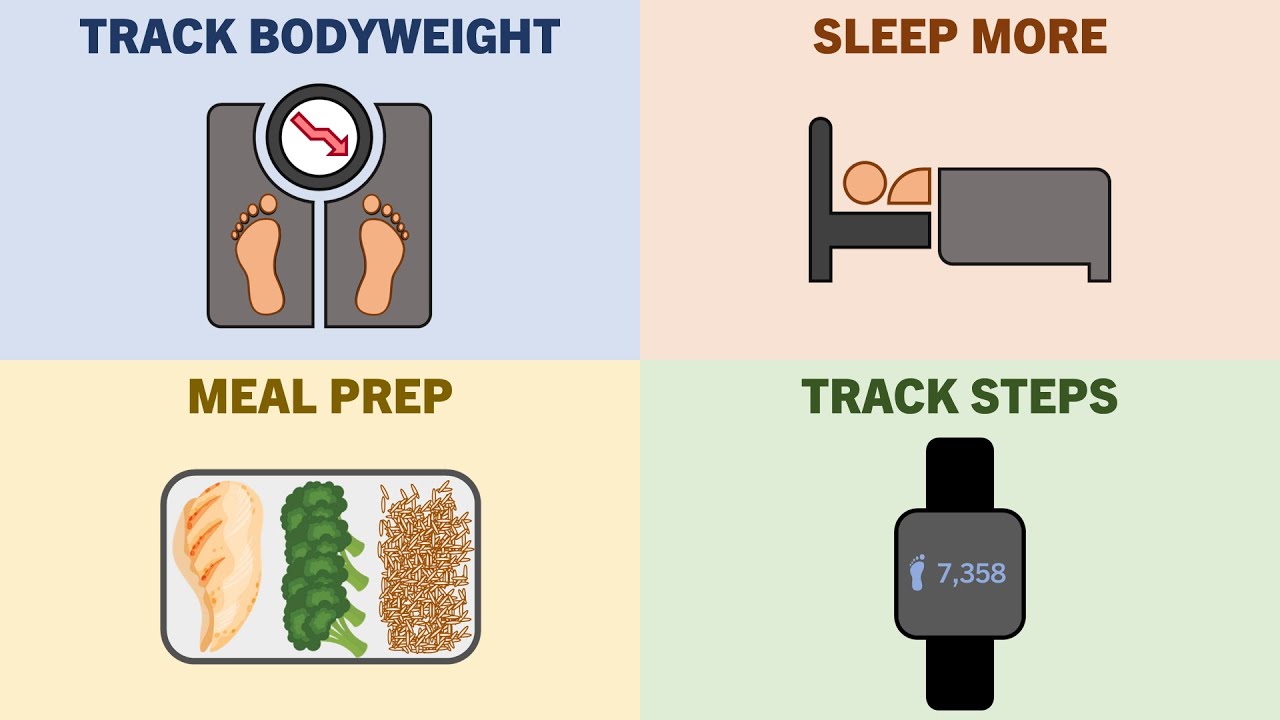
these statistics are likely to be more concerning these days so if we look at restriction and flexibility on a spectrum we probably want to be somewhere in the middle we need some restriction to actually eat in a calorie deficit but we don't want too much restriction to the point at which it makes the diet too difficult to adhere to an effective strategy to help with adherence to a diet is to meal prep meal prep can mean different things but for this video meal prep refers to any form of pre- preparing meals so that they are
easily accessible this could include cooking in large batches and storing it in containers like we would classically think of with meal prep or it could simply mean having meal options readily available in your home like cans of tuna yogurt sachets oats musly bars and so on the point is to have readily accessible food available to eat the reason this is an effective diet strategy or just a lifestyle for that matter is because when it comes to food selection we tend to resort to the most convenient option and if the most convenient option is fast food
convenient store food or home delivery we are probably going to concede to that of course it is okay to consume these Foods on occasion but it probably shouldn't be what we rely on for every meal of every day if weight loss is the goal this is because these Foods usually have a significantly greater calorie density compared with self-prepared meals so if our most convenient option is self-prepared meals we have more control over what we intake and are more likely to be able to adhere to a calorie deficit and we see that those consuming more self-prepared
meals usually consume fewer total calories this study aimed to assess the frequency of home cooking on calorie intake across a large sample of us adults it was found that those who cooked at home more frequently consumed fewer calories on average those who cooked 6 to seven times per week consumed on average around 150 calories per day less L than those who cooked only once per week the next factor which can influence our ability to stick with a diet is the prevalence of Social and other life events most people frequently attend social events such as birthdays
weddings family gatherings public celebrations parties holidays and so on these events usually involve food and even if they don't they can deter you from your planned diet since you are out of your regular environment and routine you can try to avoid social events as much as possible but it is almost inevitable that you will need to be involved at some point so rather than trying to fight against it it is usually better to learn how to stick with your diet during these social events but how do we do that here are a few tips to
help you stay on track with your diet while out of your regular routine first is damage control it is okay to overeat a little bit at these events but we don't want to turn it into an uncontrolled binge this again goes back to how restrictive your diet is if your diet is very restrictive you are more likely to binge uncontrollably but if your diet has been more flexible you are more likely to eat reasonably second is to use hunger and satiety signals if you are hungry eat to reasonable satiety and if you aren't particularly hungry
you don't need to eat at all or to eat very much next is that you can adjust your diet in anticipation of the event and afterwards if you know that you will be attending an event involving food you can simply eat less food before the event so that you can eat a reasonable amount without overeating too much and if you happen to eat a little more than planned you can eat a little less calories for the rest of the day and maybe even the following day too and even if you do everything wrong it is
not a big deal in the grand scheme of things if you get back to your regular diet you will be back to a deficit immediately it will just be a small spike in calorie intake but you're net energy balance for the week and month will still likely be a calorie deficit so it is sometimes worth accepting a small loss for one day for the benefit of being able to be social longterm it may make the weight loss process a little slower but it also makes the diet more sustainable ultimately what a lot of these recommendations
come down to are looking at the diet more as a lifestyle change rather than doing X diet for x amount of time we want to develop habits and behaviors which promote a lower calorie intake this can take several months and years to make Behavior changes but the results you get will be more permanent if you naturally eat a healthier diet and exercise regularly you are more likely to maintain a healthy body weight without as much intentional effort and eventually once you reach your target body weight you want to be able to maintain this weight loss
so if you view the diet as a temporary time period you will then likely revert back to your original lifestyle resulting in a regain of body weight so to maintain weight loss longterm we want to continue most of the habits we have built during the weight loss period itself and to do this the diet needs to be somewhat sustainable again this can take time but the long-term benefits are worth it the good thing is that the longer you build these habits and behaviors for the better and more automated they become so long-term weight management becomes
easier over time so long as you are actively trying to develop good lifestyle habits to summarize this video Let's establish some practical recommendations there are many different diets which can all successfully achieve weight loss any diet which produces a calorie deficit will cause weight loss however the issue most people face is that they are unable to stick to the diet for a prolonged period of time as a result individuals aren't able to lose as much weight as desired or the lost weight is rapidly regained this is often because the diet is seen as a temporary
strategy rather than a long-term lifestyle change for more permanent long-term weight loss there are a few strategies that can help us first is to lose weight at a slow rate no more than around 1% of body weight per week for most people ensure your diet is flexible enough to accommodate your food preferences and provide enough variety meal prep is a great way to to make healthy food choices more convenient be prepared for social and other life events where your regular diet routine will be disrupted and try to develop good habits and behaviors during the diet
so that they continue after your weight loss goal has been achieved thanks for watching and hopefully you got something out of this video check out Floy performance.com for online coaching training templates ebooks and more