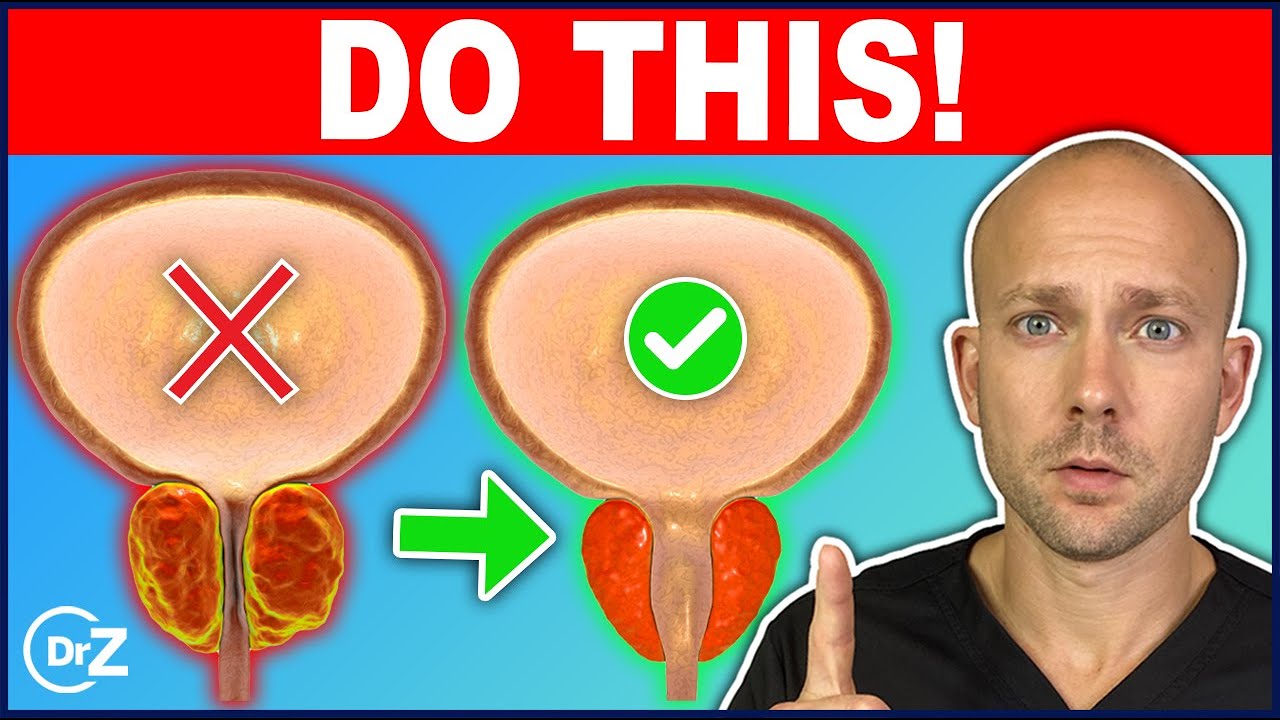
did you know that according to various medical studies prostate cancer is one of the most common types of tumors in men worldwide unfortunately many people still Overlook subtle signs that may indicate the onset of the disease that's exactly what we will discuss today the early symptoms that should not be ignored the most significant risk factors and the preventive measures every man should know stay until the end to learn how to identify potential changes in your body and ensure effect treatment when necessary understanding the role of the prostate the prostate is a gland in the male
reproductive system located just below the bladder and in front of the rectum although small it plays a crucial role in producing part of the fluid that makes up seamen contributing to the nutrition and protection of sperm when this gland experiences any imbalance whether due to inflammation such as prostatitis or the emergence of abnormal cells the entire body can face repercussions prostate cancer occurs when prostate cells undergo mutations and start multiplying uncontrollably potentially forming a tumor in most cases it is a slow growing condition but it can become aggressive in certain instances spreading to other parts
of the body understanding the prostate function and location is the first step in recognizing possible warning signs the importance of early diagnosis the Cornerstone in the fight against prostate cancer is early detection ction in its initial stages the tumor may not present clear symptoms causing many men to live with the disease unknowingly this is precisely why routine exams such as the PSA prostate specific antigen test and the digital rectal exam are so critical when the diagnosis is made early the chances of successful treatment increase significantly additionally therapeutic approaches can be less invasive however the stigma
and fear surrounding the digital rectal exam still deter many men from seeking medical evaluation it is crucial to emphasize that Health should always come first overcoming cultural barriers and prejudices can save lives what can trigger the disease several risk factors are associated with the development of prostate cancer age is one of the primary ones men over 50 years old have a much higher incidence rate although early onset cases do exist family history also plays a significant role if first-degree relatives father or brothers have had the disease the chances of developing it increase considerably moreover race
can be a factor black men statistically have a higher likelihood of developing prostate tumors compared to Men of other ethnicities another critical aspect is lifestyle diets high in animal fats physical inactivity and excess weight can contribute to the onset and progression of cancerous cells for this reason maintaining a healthy diet and a regular exercise routine are frequent recommendations in medical consultations symptom one changes in urine stream the first symptom many men notice when the prostate begins to enlarge or experience some imbalance is a change in urinary flow there may be difficulty starting urination a weaker
urine stream or even interruptions in the middle of bladder emptying the sensation of not being able to completely empty the bladder can cause discomfort and anxiety although these signs are often associated with a benign condition called prostatic hyperplasia they can also be indicators of prostate cancer especially in its early stages therefore if you notice changes in your urine stream pattern stay vigilant and seek medical evaluation the sooner the cause is identified the better the chances for effective treatment symptom two increased nighttime urination frequency another symptom that many men tend to ignore is the need to
wake up several times during the night to urinate a condition known as nocturia this can be linked to various causes including infections poorly controlled diabetes and of course prostate changes when the gland enlarges it exerts pressure on the bladder triggering the frequent urge to urinate interrupted sleep due to bathroom trips affects quality of life leading to excessive fatigue and irritability while it may seem normal with advancing age it should not be underestimated if the situation worsens or is accompanied by other symptoms such as pain or burning during urination it is crucial to seek medical advice
to rule out more serious problems symptom three presence of blood in urine or seen hematuria blood in the urine or hemospermia blood in the semen are warning signs that should never be ignored while they may have various origens including urinary infections kidney stones and other conditions when linked to the prostate they could indicate the presence of tumor lesions this symptom when caused by cancer often appears in more advanced stages although each body responds differently it is essential to remain calm if you notice blood in bodily fluids and seek clinical evaluation promptly Imaging tests Laboratory analyses
and sometimes a biopsy will be critical to identifying the source of the bleeding even if the cause is not malignant no apparent bleeding should be overlooked without investigation symptom four pelvic pain or discomfort many people associate pelvic pain with inflammation or muscular issues but it's important to remember that the pelvic region houses various organs including the prostate a feeling of heaviness discomfort or even sharp pain in the lower abdomen lower back or genital area may be related to tumor growth this discomfort can radiate to the back making simple tasks such as walking or sitting for
extended periods challenging in advanced stages the pain can become constant patients often confuse this symptom with muscular pain which delays seeking help therefore never underestimate persistent pain in the pelvic or lower back region as it could signal something more serious symptom five changes in ejaculation prostate cancer can directly affect the processes involved in producing seminal fluid and releasing sperm some men notice a reduction in semen volume or experience pain during ejaculation these episodes might be mistaken for infections but persistent symptoms deserve attention in some cases the tumor compresses nearby structures altering the function of the
ducts responsible for conducting seamen this can result in changes in texture color or fluid quantity if this condition persists for weeks or worsens it's time to seek professional evaluation it's worth noting that many prostate cancer cases are diagnosed at this stage even before the manifestation of more evident urinary symptoms symptom six difficulty maintaining an erection erectile function relies on a complex set of factors including the health of blood vessels the nervous system and of course the prostate while erectile dysfunction can have many causes such as diabetes circulatory problems and medication use changes in the prostate
gland can also play a role growing tumor cells can interfere with blood flow to the corpor cavernosa of the penis impairing erections when erectile dysfunction appears suddenly or progressively worsens it warrants investigation a simple checkup with a urologist can determine whether the cause is related to prostate cancer or another health issue seeking help early has the advantage of better managing complications and improving quality of life regardless of the problem's origin symptom seven feeling of bladder pressure a common complaint among men with prostate issues is the constant sensation of a full bladder even after urinating this
occurs because prostate growth or inflammation can create a partial obstruction to complete urine release causing a residual pressure in the pelvic region frequently men end up straining their abdominal muscles to urinate which adds to the discomfort this symptom should not be overlooked as it can lead to complications such as recurrent urinary infections since residual urine in the bladder encourages bacterial growth in addition to disrupting daily life this condition can worsen existing symptoms such as nocturia if the symptom persists the best course of action is to consult a specialist and undergo Imaging and laboratory tests symptom
eight unexplained weight loss in many oncological diseases unintentional weight loss stands out as a warning sign prostate cancer especially in advanced stages can trigger metabolic changes and loss of appetite although this symptom is more commonly associated with aggressive tumors it is essential to pay attention to any sudden changes in body weight loss of muscle mass and fat without apparent reason is often accompanied by constant fatigue paleness and weakness if you notice your clothes fitting looser and your appetite diminishing without a clear cause it's worth investigating the situation other health issues such as hyperthyroidism and gastrointestinal
disorders can also lead to weight loss underscoring the importance of comprehensive medical evaluations symptom 9 fatigue and persistent tiredness the sensation of Relentless fatigue even during routine activities can have numerous causes however when a tumor is growing the body often redirects significant energy to fight the problem or struggles with metabolic changes that hinder nutrient absorption and tissue oxygenation as a result fatigue becomes an almost daily reality men who experience a noticeable decline in energy without changes in habits or stressful routines should consider the possibility of investigating their prostate health this generalized weakness impacts productivity mood
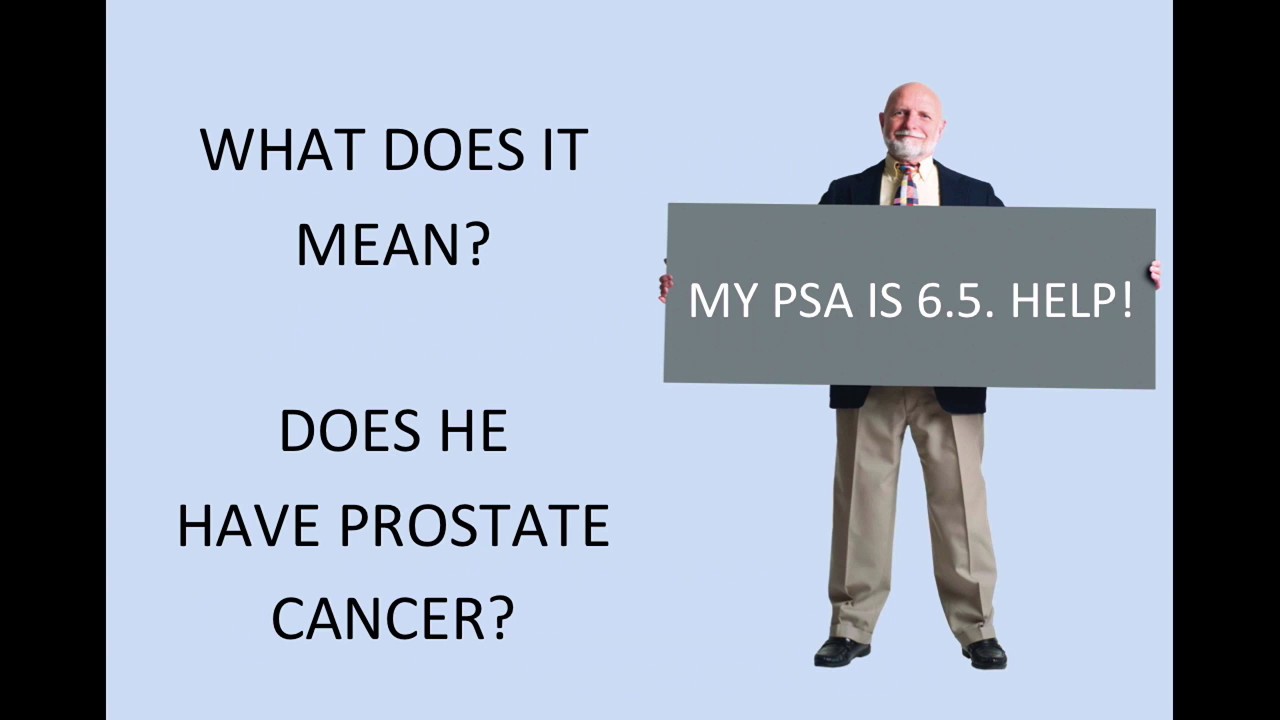
and quality of life especially when combined with other symptoms even though fatigue is a non-specific sign it should not be ignored the role of routine exams when it comes to prostate cancer two exams stand out the PSA prostate specific antigen test and the digital rectal exam the PSA test is a blood test that measures the levels of a protein produced by the prostate although high PSA levels don't always indicate cancer significantly elevated values can be a warning sign the digital rectal exam on the other hand allows the doctor to assess the gland's texture size and
shape through touch combining these two methods improves the accuracy of disease detection in some cases the urologist may also request a transrectal ultrasound or an MRI to supplement the diagnosis it is essential not to underestimate the importance of these exams men aged 50 and above or 45 if they have risk factor should consult a specialist about the ideal evaluation frequency confirm diagnosis what now if tests and biopsies reveal the presence of malignant cells in the prostate the next step is to determine the stage of the tumor and discuss treatment options the most common approaches include
surgery radiation therapy hormone therapy and in some cases chemotherapy the choice depends on factors such as the Cancer's aggressiveness the patient's age and overall health conditions localized prostate cancer confined to the gland has a high chance of being cured nevertheless each case is unique and therapeutic options must be personalized open communication with the doctor clarifying doubts and considering a second opinion are recommended steps for those facing this situation treatment options and side effects radical prostectomy a surgery to remove the prostate is one of the most commonly used strategies when the cancer is find however side
effects such as urinary incontinence and erectile difficulties may occur radiation therapy which can be external or internal brachi therapy uses radiation to destroy tumor cells it can also cause fatigue as well as irritation of the bladder and rectum hormone therapy works by reducing testosterone levels a hormone that can stimulate tumor growth however this reduction can lead to hot flashes bone density loss and changes in sexual desire chemotherapy on the other hand is more often used in advanced stages when cancer cells have spread or when the tumor does not respond to other treatments although each approach
comes with its own set of consequences Effectiveness can be very high when treatments are properly indicated quality of life during and after treatment maintaining quality of life is a significant challenge especially when dealing with treatment side effects supervised physical exercise pelvic Physiotherapy and psychological support are valuable resources for Recovery specific techniques can improve pelvic floor strength reducing incontinence issues additionally following nutritional recommendations can boost immunity and help keep the body resilient emotional support is also crucial talking to family friends or even seeking support groups can ease the psychological burden associated with the process facing prostate
cancer alone can amplify fears and anxiety therefore don't hesitate to share your feelings and seek professional help if needed if the importance of a balanced diet studies suggest that a balanced diet can help prevent and manage prostate cancer consuming fruits vegetables legumes and whole grains provides essential vitamins and antioxidants which play a role in defending against free radicals on the other hand excessive intake of fatty red meats processed meats and ultr processed foods can increase inflammation in the body creating conditions favorable for malignant cell development adopting a Mediterranean style diet rich in fish olive oil
and vegetables has shown significant benefits for Men's Health moderate use of soy and its derivatives is another area of scientific interest as some substances in these Foods May positively influence hormonal metabolism prevention also happens beyond the plate in addition to diet weight control and regular physical activity are powerful Tools in preventing various types of cancer exercise strengthens the immune system regulates insulin and reduces chronic inflammation in contrast a sedentary lifestyle encourages fat accumulation which can disrupt hormone production and promote mutations it is essential to find a sport or activity that is enjoyable and easy to
incorporate into daily routines walking swimming cycling and strength train training are among the most recommended activities provided they are tailored to individual conditions under professional guidance taking care of mental health is equally important high levels of Stress and Anxiety can exacerbate inflammation creating a favorable environment for tumor progression breaking tabos and seeking help the reluctance of some men to discuss intimate Health remains a barrier to early diagnosis of prostate cancer the digital rectal exam causes discomfort for many but there is no reason to let this quick and vital procedure become a source of embarrassment the
earlier a tumor is identified the higher the chances of successful treatment and the lower the risk of permanent complications awareness campaigns like member aim to break these tabos participating in such initiatives talking with friends and family and spreading information to those who need it are powerful steps toward changing perceptions about male Healthcare openly discussing potential symptoms can quite literally save lives constant vigilance and hope for those undergoing treatment or recently discharged vigilance is ongoing regular checkups repeated blood tests and occasional Imaging scans are part of the follow-up process while this may cause apprehension it ensures
that any changes are detected early allowing for timely and effective interventions today prostate cancer cure rates especially with early diagnosis are very promising each medical advancement brings new technologies and protocols that further improve success rates therefore If you experience unusual symptoms or have family risk factors don't hesitate to seek help knowledge combined with routine exams and a preventive mindset is the greatest Ally for men determined to face prostate cancer safely and confidently important note this text is based on reliable medical information and does not replace professional Healthcare advice if you notice any of the described
symptoms or have concerns about your health consult a doctor early detection and appropriate treatment are the best ways to combat prostate cancer












![Chris Langan - The Interview THEY Didn't Want You To See - CTMU [Full Version; Timestamps]](https://img.youtube.com/vi/9miVG2xT5jY/maxresdefault.jpg)