good evening here we go with another lecture I think seventh or eighth in a row and today we will talk about one I think very interesting topic and the name of this topic is mobility versus stability or how I like to call it the Silver Bullet of modern day training practice so first of all a little bit of intro for this um special topic when we are considering uh how how to to become the top Elite atlete we can say that there are sport uh achievement determinants and we can say that there are three main
determinants of sport success so first is genetics and the wellknown physiologist from the 20th century perola fastan used to say if you want to become an Olympic champion you must choose your parents wisely what does it mean it means that genetic is very important in achieving sport success if you don't have genetics you will hardly achieve top level performance in any in any uh kind of sports and just one example for you for example arguably the best Sprint reever Carl LS he won I don't know nine gold Olympics medals etc etc but he was his
father for example was professional NFL uh top Elite player and his mother was 4 meter track um USA team uh Olympic um Olympic member so you know it is it is most like ly that Carl Lewis has had brilliant genetics a top level father top level athlete father and top level athlete mother and then they combine and they and the Carl Le was born so he fulfill this requirements of being genetically gifted gifted in order to to achieve top level uh uh sport achievement uh another uh second determinant of for success is a diet or
supplementation and you know other than genetic and training what an athlete eats is the probably the third most important thing in becoming top level athletes and nowadays we have all sorts of ditions and almost in any top level Club in most respectful uh Sports there are there are uh dietician who is or Bachelor or master or even PhD level degree guy or male or female who is responsible for for uh diets and supplementation on on a regular basis in order to to achieve top level performance but the the the maybe the most influential uh uh
determinant of sport success is of course the training process or or the process per set and we can say that there are new trends directed by science and in in in uh every year annually there are over 25,000 uh articles published related to to some kind some somehow related to Sport Science for example talking about dietician talking about training process talking about new trends in in training and planning and executing training process so we can say that that uh this Sport Science evolved rapidly and the amount of research on a daily basis or or annually
is tremendous and we can say that development of sports technology is similar similar to it technology so what does it basically mean similar to it if you are if you have the best technology 5 years ago and you are not developing it like in it you know you you you will become outdated uh very easily very very easily so like in it you know the best phone this year if if doesn't develop the next year this best phone is is more or less uh um not even in the top 10 so it is the similar
in sports technology or in sport Science so it is very important to see what is relatively new or what are the new trends in sport Science and this is what we are going to talk about today so so the main question in sport Science always is what's new what is the new trend what are the new trends what is the new Training Method or or similar so when we are considering what is new in sport Science we can say that in in the last couple of years there is a new um One new trend uh
and it is called the prehabilitation and why this is the new trend because we can see that all over the the sports in in all sorts of sports the injury incidence is increasing so um there are more and more events more and more games more and more contests tournaments and and injury is increasing increasing annually and the costs of the injuries are huge so so uh comparing to maybe 20 or 30 years ago now the whole strength and conditioning process or or or or let's say the whole training process is vastly directed to one special
issue how not to get injured because the best ability of one player is availability and the best quality of today today modern modern day top level athletes especially in soccer but also in other sport discipline is to be available to to to play the game so the the one of the Hot Topic in sport Science and generally in every day practice in the past 5 to 10 years is how what can we do not to get injured for our players not to get injured or or can we understand the mechanisms of why those players get
injured in in in the first instance so that has pretty much uh uh transferred to training process in the last 5 to 10 years we transfer the concept of our process and we start to understand that maybe we need some kind of functional training or let's say we need to train the movement and not not the muscle per se so if you if we are uh if we are developing the strength level of biceps Fe biceps muscles of of upper arm for example in in the movement that is not directly related to to sport movement
it may be that we are not don't do do uh anything good to this muscle because we increase the level of of strength but but also increase the chance of injury so what we are starting to understand in the Fast Five in the past 5 to 10 years is the it is most likely that if we have a non optimal movement pattern then we will have some kind of compensation and because of compensation we will have some kind of dis disbalance in our body and it will increase the chance for our player to get to
get injured so one of the reasons uh for injury is to have a nonoptimal movement pattern and when we when you we are thinking about the whole locomotive system of our body we can say that we produce the movements within our joints and two of the most respectable strength and conditioning coaches and physiotherapist Michael Bo and gr cook some 10 years ago maybe uh they were thinking about this and they were discussing about this between each other and they had they produced some very interesting theory about about getting injury namely they they discussed the the
movement of the joints and gray cook uh came up with some brilliant idea so that he said that most likely this functional joint or dysfunctional movement within the joint will produce will increase the risk of injury so he said that injuries are directly related with sub suboptimal joint movement and that joint are responsible in in let's say like this that the joints are responsible for for injuries and they produced they came up with some theory that they called Joint by joint approach which is excellent and we'll discuss it in in more details so they said
that our body is basically M made of stck of joints placed one on another and that every joint within our body has its specific function and is prone to predictable dysfunction so consequently every joint has its specific needs that should be met by exercise and when we are dealing with this joint by joint appro approach we can say that simply put it's something like this so our body is made of stack of joints that are stack of joints that means that they are one on on another and each specific specific joint has its specific function
for example they said ankle should be mobile the knee should possess uh high level of stability the the lumber the hip should be mo both mobile and and stabile but most of us uh has an issue with the hip mobility the lumber spine should have stability the thoracic spines should have Mobility the shoulders should have mobility and the scapular should have stability so you see every every uh every athlete basic basically is made of stack of joints and the joints should be mobile St stabile mobile stab mobile stab mobile stab and so on and so
on and what they said if Mobility if the joint that should have Mobility doesn't possess enough Mobility it can produce problems so basically this is Joint by joint approach and they said so basically we should check joint by joint to see if there is any dysfunction and we should correct this dysfunction with some corrective exercise or or prehabilitation exercises and why they say this when we are considering our baby we have a neural neural development as a baby we have tremendous amount of joint Mobility we maintain this as children through play and and as adults
we start to lose Mobility mostly due due to positional and postural habits so in the first phases of of of our life we have tremendous Mobility you can see on this light but somehow during the the childhood and getting closer to adulthood somehow we lose this Mobility look at these children with a brilliant uh posture and Brilliant position and somehow with develop this so we most of us lack hip hip mobility and as Shakira would like to say hips don't lie so as an adult we have a hips that generally has poor Mobility which is
the result of too much sitting posture lack of squatting lack of this movement pattern that we used to regularly do during the our childhood and what does it bring us to if we lack a hip mobility then we have decreased length in hip flexors and reciprocally have inhibition of the glutose muscles and when we have this we have we can have some serious serious issue issue what is the sequel of hip mobility if we lack mobility in the hip region then it changes the functional movement pattern we would we need increased Mobility somewhere or above
or below so if we don't have enough hip mobility in our hip region some other joint must took over this hip mobility and it it could be our upper joint so the lumber spine or lower joint the knee uh the knee joint but as you saw in previous slide those uh those uh joints both both of these joints need stability and not mobility and for example this is the reason why usually we have a low back pain problem or we can have a knee problem low hip mobility will increase mobility of the knee joint and
we don't want this or we'll increase the mobility of the lumber spine and we don't want this and this is the reason why we can we can have um for example low back pain low back pain syndrome but also also what is the consequence of of uh uh low level of of Heap Mobility when we are considering performance outcomes we can say that low Heap Mobility will decrease the the athletic performance for example it has been shown in in several articles that uh low level of heat Mobility will decrease the the level of strength can
decrease power out outcome and can can decrease speed and change of Direction speed outcome so imagine if you don't have enough heat Mobility you can develop you will have less speed you will have less strength and less power so it seems that heat Mobility is an issue in athletic performance and what if somebody have a low level of HP Mobility is this process irreversible luckily for us luckily for us it's not irreversible we can train to have good level of Heap Mobility or at least to increase the level of heat Mobility to to to to
some degree to some level so there are some Heap Mobility drills that should be integrated uh daily most likely daily in the training process and I will show you some of these drills and these drills are soal preh cap or corrective exercise drills some of them are well known for for now now we can you we use them for five or 10 years in a row now so most most of athletes know them but for example very famous 1990 Heap Mobility drill with two positions or several others other drill that that I will show you
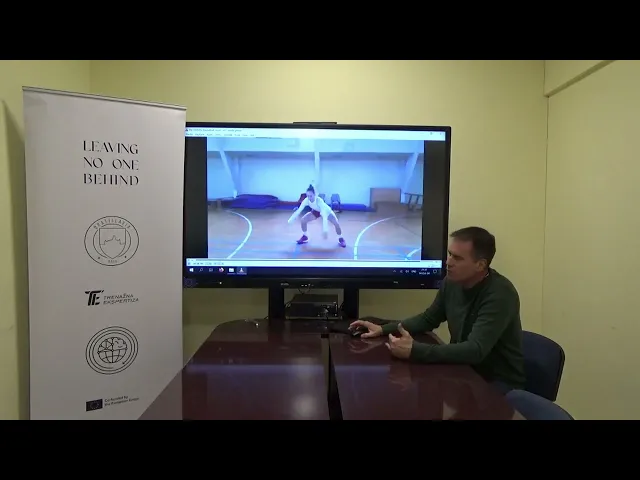
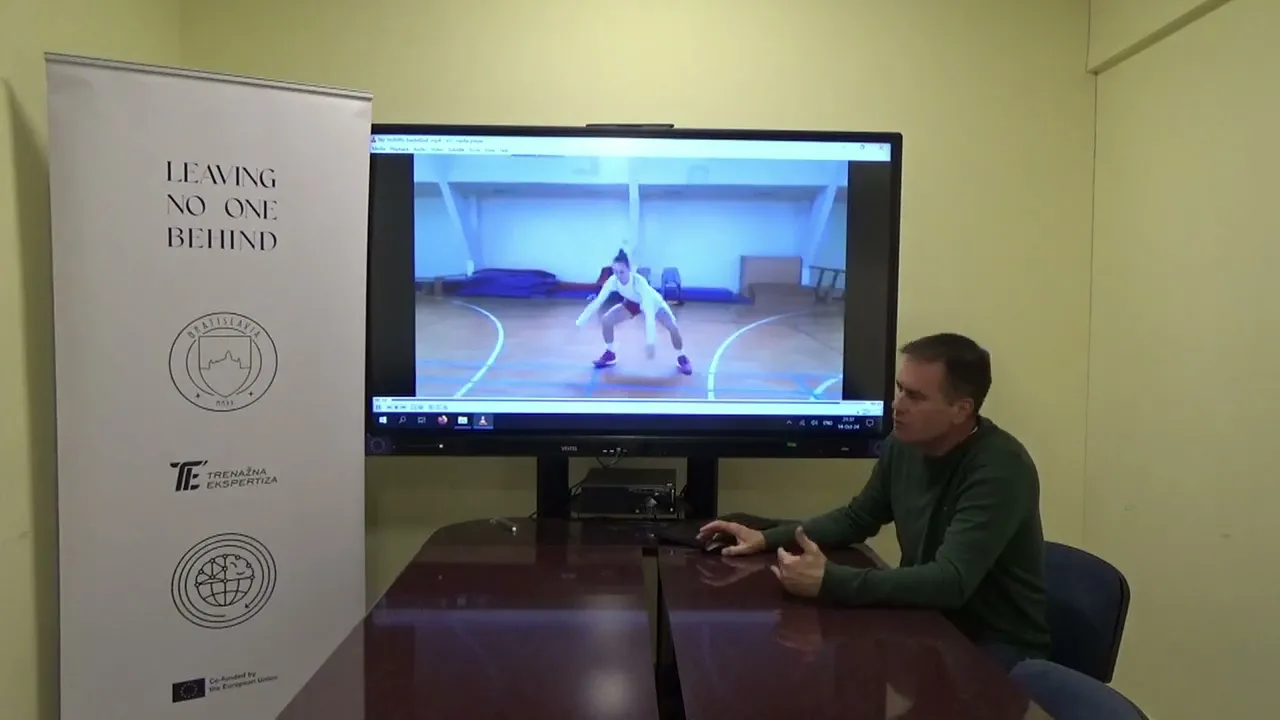
uh in a second for example fencing stretch Mo for example check this drill it's called the fencing stretch and it is the drill for the hip mobility per se it's called the fencing because it resemble the fencing movement pattern but generally this is the good hip mobility drill that will increase the mobility of the hip in any any any spot or some specific hip mobility drills for basketball you can see she must go down with with her hips and will increase the level this girl has a serious hip mobility issue and with doing this drill
she will increase the hip mobility a level of of hip mobility or the best hip mobility drill that I know it's consisted of four different patterns four phases of movement you see this is the third one and now the fourth one a deep squat position knee back adductor extension then one leg over the other rotate and increase the mobility in this plane and back again and now this same drill can be done in in other other other side so so what can we say after today's lecture hip mobility or the prehabilitation or the drills that
will decrease the chance of injury are getting more and more included in the training process in the modern day for the modern day modern day athletes because it is most likely that that for the modern day athletes it is most important to be available to play the game to be on the pitch and that means that they are free of injury when we are considering um decreasing the injury risks we can we can really consider the theory presented by Michael Bo and gray cook named joint by joint approach consciously this concept said that every joint
in our body has its specific fun function and it's prone to specific dysfunction when we discover the dysfunction of one of the joints we can work on this deficiency by increasing Mobility or increasing stability in some cases one of the most important joints in our body is a hip is a hip per se and the hip mobility is most likely the issue of most of the Moder day athletes I presented you some of the drills that you could regularly include in everyday practice in order in order to increase the level of hip mobility and in
that way you both decrease the injury risks but also increase the level of strength power speed and change of Direction speed so so this is one one this was the the the end of The Today lecture I hope you enjoyed it and see you soon