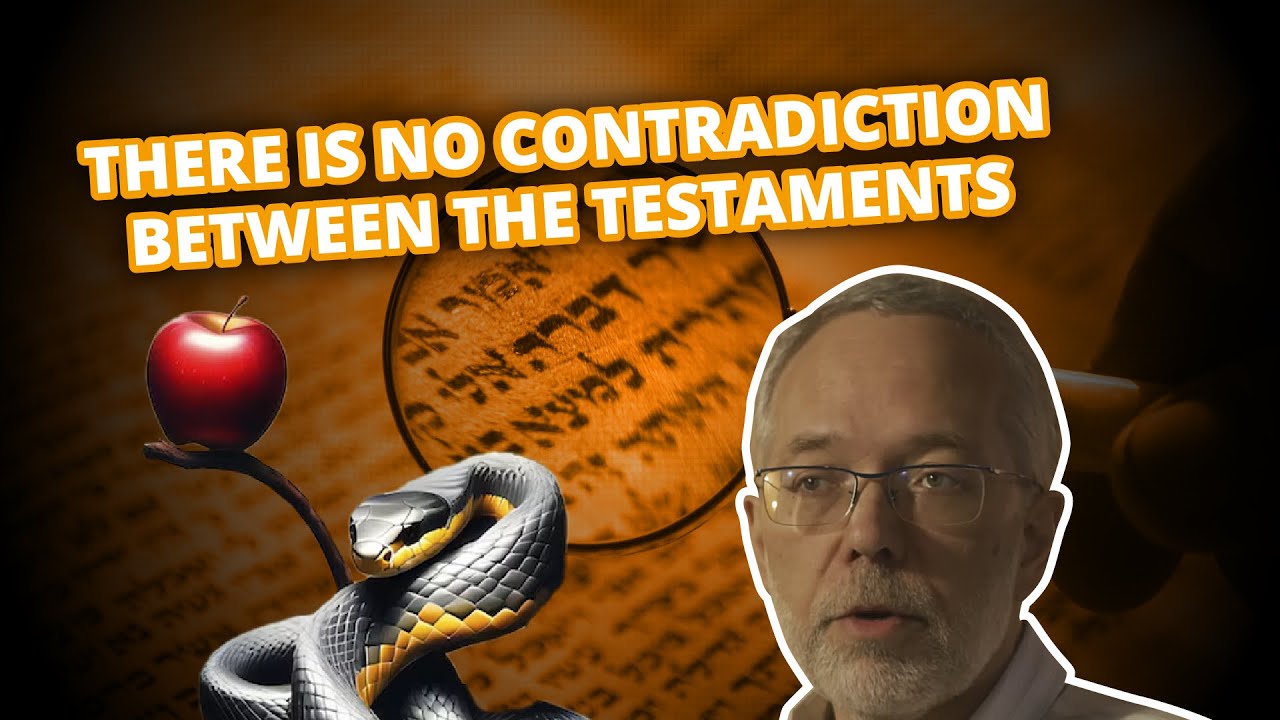
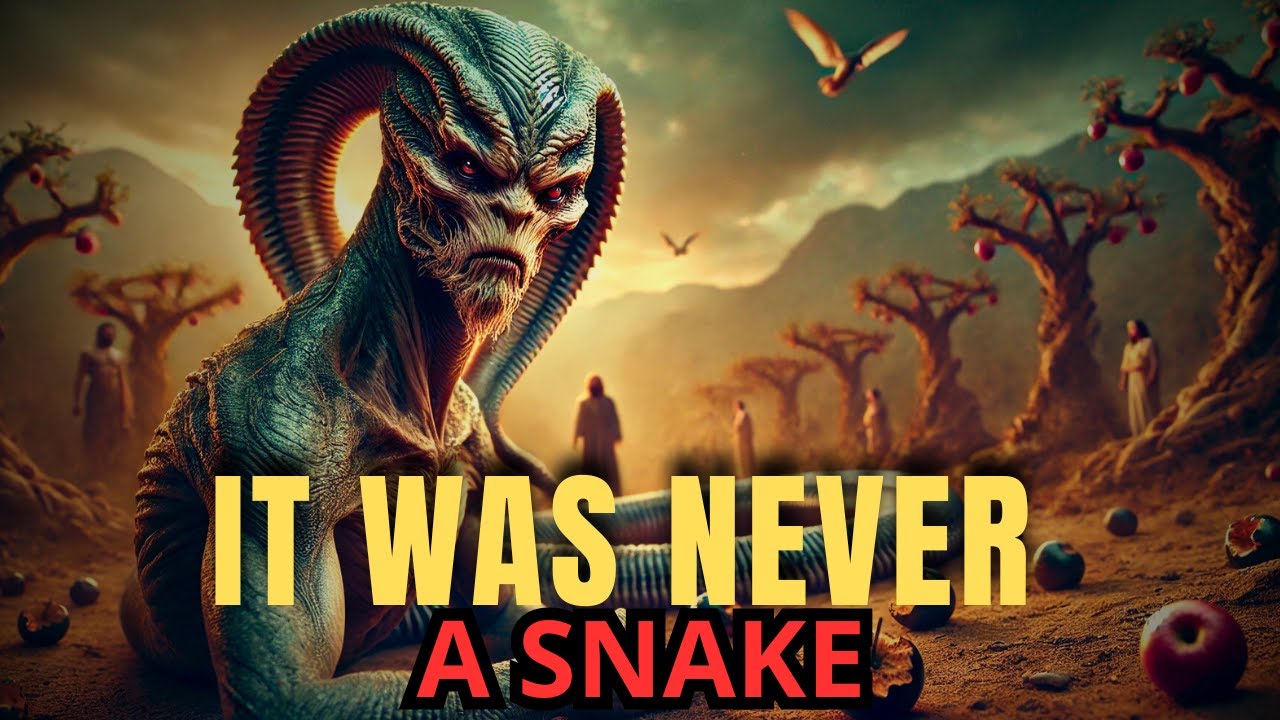
what if I told you that everything you think you know about the serpent in Genesis is wrong that the story of Adam and Eve hides a secret that could completely change your understanding get ready because what you are about to discover is far more fascinating and mysterious than anything you've ever heard before the story of Adam and Eve in the Garden of Eden is one of the most well-known narratives in the Bible at the center of this narrative is the serpent who caused Eve to eat the forbidden fruit leading to the fall of humanity traditionally
this serpent has been viewed as a literal Cobra a creature of deception and temptation but what if we have been interpreting this character wrong all along in this video we will dive into the original Hebrew text of the Book of Genesis and uncover a hidden truth that challenges our conventional understanding by the end you will see the story in a new light armed with insights that have profound implications for our interpretation of this ancient text the Book of Genesis the first book of the Bible is a fundamental text for both Judaism and Christianity traditionally attributed
to Moses it contains stories that have shaped religious thought for Millennia the story of Adam and Eve in the Garden of Eden is particularly significant as IT addresses themes of Innocence Temptation and The Human Condition understanding the true nature of the characters in this story is crucial for a deeper understanding of its message to understand the true nature of the serpent we must return to the original Hebrew text of Genesis in chapter 3:1 the serpent is introduced with the Hebrew word nahash this word is typically translated as serpent or snake in most English versions of
the Bible however Hebrew is a complex language and nahash has layers of meaning that go beyond a simple translation the Hebrew word nahash can indeed mean serpent but it also has other meanings in certain contexts nahash can refer to a divver or someone who practices enchantments this additional meaning opens the door to a different interpretation of the Serpent's identity rather than being a mere snake nahash could imply a being with Supernatural knowledge or Powers Scholars have debated the true nature of the serpent for centuries some argue that nahash should be understood metaphorically representing a force
of chaos or a rebellious Divine being others suggest that the serpent was not a literal snake but a symbolic figure possibly even a fallen angel or a manifestation of Satan a prominent interpretation is that the serpent represents a Divine Rebel similar to Prometheus in Greek mythology who defies the established order and brings knowledge to humanity this perspective presents the serpent not merely as a deceiver but as a complex figure with a dual role tempter and Illuminator let's explore some of the alternative identities of the serpent based on this broader understanding of nahash first Divine being
some Scholars propose that the serpent was a Divine being possibly a Lesser God or demigod this interpretation aligns with the mythology of the ancient near East where serpents were frequently associated with wisdom and immortality in several mythologies serpents are seen as power ful wise and even benevolent creatures for example in ancient Mesopotamian mythology the god ninga associated with vegetation and the underworld was often depicted as a serpent or with Serpentine characteristics similarly in Egyptian mythology the Cobra was a symbol of the Goddess waget representing protection and Royal Authority these cultural contexts suggest that serpents were
not merely symbols of deception but were also revered for their perceived knowledge and Power by considering the serpent in Genesis as a Divine being we can view it as a figure possessing profound wisdom and a unique relationship with the Divine this interpretation suggests that the Serpent's temptation of Eve was not merely an act of deception but a complex interaction involving Divine knowledge and human Free Will second symbol of Chaos in many ancient cultures the serpent symbolized chaos chaos and disorder the serpent in Genesis may represent disruptive forces that challenge divine order and test Humanity's obedience
this view is supported by the Serpent's role in leading Adam and Eve to disobey God introducing chaos into the previously harmonious existence of the Garden of Eden ancient myths often portray serpents as personifications of primordial chaos for example in Babylonian mythology the chaos Monster TI mat often described as a serpent or Dragon represents the chaotic forces that the god Marduk must overcome to create the world similarly in Norse mythology the midgard serpent yon gander is a giant sea serpent that threatens the world's order applying this symbolic framework to the Genesis narrative the serpent can be
seen as an agent of chaos testing the limits of human obedience and divine order this interpretation emphasiz is the struggle between order and disorder a prevalent theme in many creation myths the Serpent's actions in Genesis can thus be viewed as part of a larger Cosmic conflict highlighting the inherent tension between stability and Chaos in Human Experience third metaphorical figure another view is that the serpent is a metaphorical figure embodying the internal conflict between obedience to God and the pursuit of forbidden knowledge this interpretation ation emphasizes the moral and philosophical dimensions of the story suggesting that
the serpent represents the human inclination to seek knowledge and challenge Divine boundaries from this perspective the serpent can be seen as a symbol of human curiosity and the desire for self-determination the act of eating the forbidden fruit is not merely an act of Disobedience but a profound statement about human nature and the pursuit of understanding the serpent therefore becomes a representation of the internal struggle that each person faces the choice between adhering to established rules and exploring the unknown this metaphorical interpretation aligns with various philosophical and literary Traditions that explore the theme of forbidden knowledge
for example in Paradise Lost by John Milton Satan in the form of a serpent tempts Eve by appealing to her desire for wisdom and autonomy similarly the story of Prometheus in Greek mythology who defies the gods to bring fire and knowledge to humanity Echoes the themes of defiance and Enlightenment understanding the serpent as more than a literal snake transforms our interpretation of the Genesis story if the serpent is a Divine Rebel or a symbol of chaos The Narrative takes on a richer and more complex meaning it becomes a tale of divine and human interaction the
Quest for knowledge and the struggle between order and Chaos with this new perspective let's revisit the story of Adam and Eve in the Garden of Eden instead of seeing the serpent as a mere deceiver we can view it as a catalyst in Humanity's journey toward knowledge and self-awareness the act of eating the forbidden fruit represents a crucial moment in human history the transition from innocence to understanding from blind obedience to conscious choice this reinterpretation has profound theological implications it challenges the traditional view of the serpent as purely evil and invites us to consider the possibility
of a more nuanced character it also raises questions about the nature of Temptation and the role of divine beings in human Affairs was the Serpent's Temptation a necessary part of God's plan for Humanity's development was the pursuit of knowledge an inevitable and essential step in our Evolution for modern readers and Believers this new understanding of the serpent can enrich their faith and deepen their appreciation of the biblical texts it encourages us to approach the Bible with an open mind recognizing the complexity and depth of its stories it also highlights the importance of studying the original
languages and cultural contexts to fully understand the meanings embedded in these ancient texts Genesis 3:1 introduction of the serpent now the serpent was more cunning than any beast of the field which the Lord Lord God had made and he said to the woman has God indeed said You shall not eat of every tree of the Garden in this verse the term cunning Hebrew Aram suggests intelligence and craftiness if we consider nahash as a Divine or semi- Divine being this intelligence could imply a deeper understanding of divine matters positioning the serpent as a knowledgeable figure rather
than a mere deceiver Genesis 3: 4 to5 The Promise of wisdom then the serpent said to the woman you will not surely die for God knows that in the day you eat of it your eyes will be opened and you will be like God knowing good and evil here the serpent promises Divine wisdom to Eve echoing themes of Enlightenment found in other cultures and mythologies the promise of being like God suggests that the serpent is offering more than mere Disobedience it is offering the potential for a new type of existence one that transcends innocence and
simple obedience Genesis 3:22 the expulsion then the Lord God said behold the man has become like one of us to know good and evil and now lest he put out his hand and take also of the tree of life and eat and live forever after the act of Disobedience God acknowledges that man has acquired a Divine characteristic the knowledge of Good and Evil this suggests that the Serpent's promise was not a complete lie but a partial truth with complex consequences the expulsion from the garden reflects the tension between Humanity's desire for knowledge and divine limits
ultimately the serpent in Genesis is a multifaceted figure whose true nature is shrouded in mystery and symbolism whether seen as a Divine being a symbol of chaos or a metaphor for Humanity's internal struggle the serpent challenges our conventional understanding and invites us to explore the depths of biblical wisdom I hope this exploration of the true meaning of nahash in Genesis has broadened your view of the story of Adam and Eve as we reflect on the complexities of the biblical text we can find new layers of meaning and thus enrich our faith and understanding stay tuned
for more explorations of biblical stories and their relevance to our modern lives may we witness the goodness and power of God in our Liv lives becoming beacons of Hope and Truth in a world thirsty for Redemption and today if you have experienced the divine presence while watching this video and have felt the desire to encounter Jesus starting a new chapter in your life or if you wish to renew your commitment after having strayed for any reason or even if you have never accepted Jesus Christ as your lord in your journey leave your comment below expressing
I accept you Lord Jesus as my one and only Lord Lord and savior of my life may God bless you powerfully e