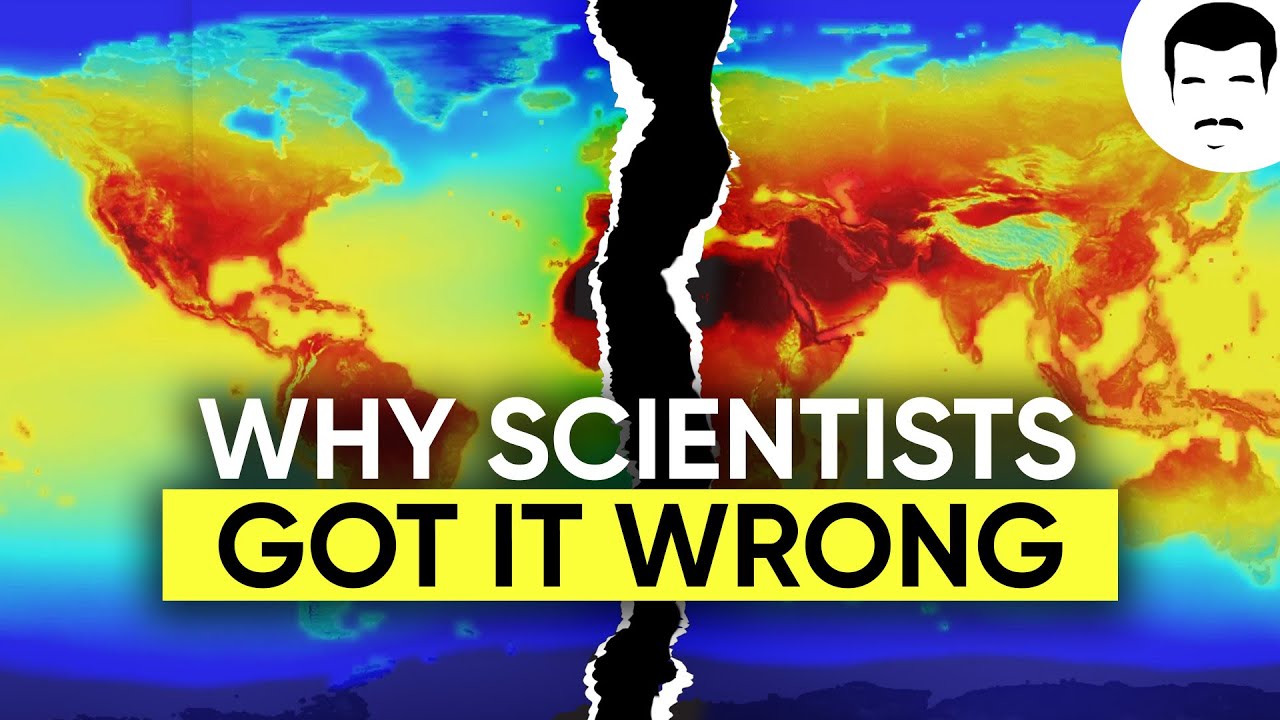
Temperatures Will Continue To INCREASE, And It’s Not Humans' Fault! It's no secret that the planet is experiencing increased global temperatures. But what exactly is the reason for this increase?
Until now, the scientific community has agreed that this was mainly due to climate change and global warming, which are caused by a combination of natural and anthropogenic (human) factors such as burning fossil fuels or deforestation. However, some research is doubting this, and it could be that humans do not play an important role in this. Could it be that the global warming we observe is not the fault of human beings?
Could global warming be something that is not our fault? We accompany you to find out! Global warming is undeniable, but to what extent is our fault?
Let's analyze it point by point. 1. Interglacial Periods Interglacial periods are geological intervals of relatively warm climate that occur between two glacial periods within an ice age.
During these intervals, global temperatures rise, causing glaciers to melt and ice sheets to retreat, resulting in higher sea levels and greater availability of terrestrial habitats. These periods are part of the natural cycle of the Earth's climate and have been repeated several times throughout its history. The leading cause of interglacial periods is the variations in the Earth's orbit and inclination, known as Milankovitch cycles.
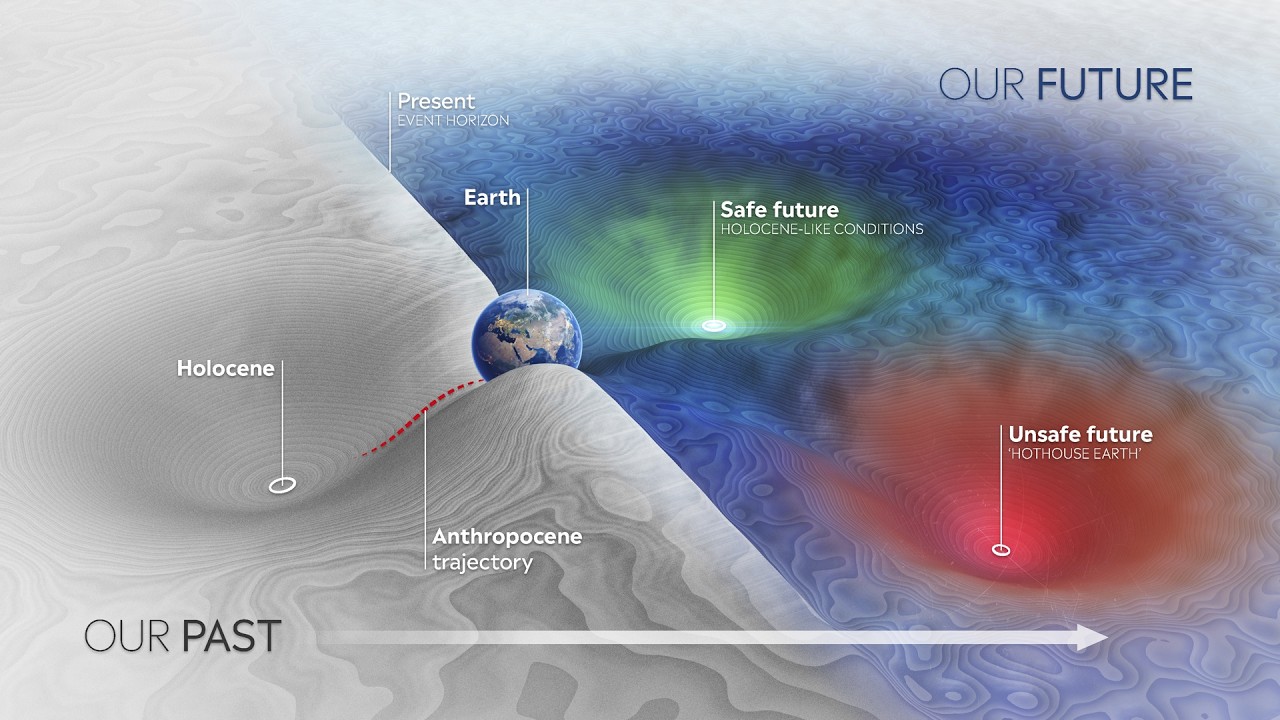
These cycles describe changes in the shape of the Earth's orbit (eccentricity), the tilt of the Earth's axis (obliquity), and the orientation of the Earth's axis (precession). Milankovitch cycles influence the amount and distribution of solar radiation that reaches Earth, affecting the global climate. One of the most well-known examples of an interglacial period is the Holocene, which began approximately 11,700 years ago and continues to the present day.
Global temperatures have been relatively warm during the Holocene, allowing human civilization to develop and expand. Another example is the Eemian period, which occurred approximately 130,000 to 115,000 years ago. During the Eemian, global temperatures were even warmer than the Holocene's, and sea levels were several meters higher than today.
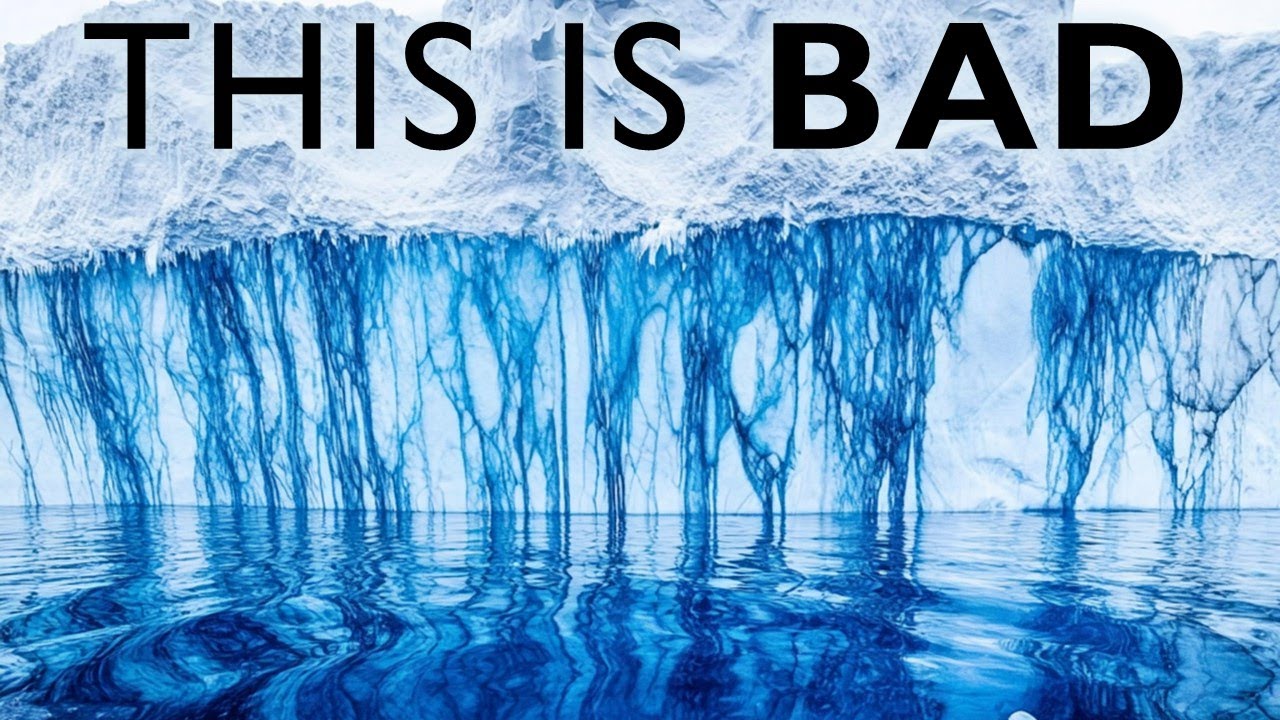
Interglacial periods have a significant impact on the environment and biodiversity. Rising temperatures cause ice sheets and glaciers to melt, resulting in rising sea levels and flooding of coastal areas. Doesn't sound familiar?
The study of interglacial periods is crucial to understanding current climate change. By analyzing geological and paleoclimate records, scientists can identify patterns and mechanisms of natural climate change, helping to distinguish between natural and human-induced climate variations. Is human being the cause of interglacial periods?
Later, we will see how great our contribution to global warming is considering the interglacial period in which we find ourselves. 2. Solar Activity Solar activity refers to variations in the energy and radiation emitted by the Sun, which can influence the Earth's climate.
These variations occur on different time scales, from cycles of decades to changes over millennia. The main manifestation of solar activity affecting Earth's climate is the approximately 11-year solar cycle, known as the Schwabe cycle. This cycle is characterized by fluctuation in the number of sunspots and variability in solar radiation.
The Schwabe solar cycle is the best-known and most studied. Each cycle lasts approximately 11 years, varying between 9 and 14 years. During this cycle, the number of sunspots increases and decreases.
These sunspots are indicators of solar activity: a higher number corresponds to a period of more excellent solar activity, known as solar maximum. In contrast, fewer sunspots correspond to a solar minimum. During solar maximum, the Sun emits more ultraviolet radiation and X-rays, and there is a higher incidence of solar storms and coronal mass ejections (CMEs).
This increase in radiation can warm the Earth's upper atmosphere and affect the climate. In contrast, solar radiation decreases during solar minimum, which can have a cooling effect on Earth's atmosphere. In addition, during these periods, the Earth's upper atmosphere cools and contracts.
Variations in solar activity can influence Earth's climate in several ways. However, the direct impact of variations in solar radiation on global temperatures is relatively small compared to other factors, such as greenhouse gas emissions. Changes in solar activity can affect climate on longer timescales and more indirectly.
A significant historical example of the impact of solar activity on Earth's climate is the Maunder Minimum (approximately 1645-1715), a period of deficient solar activity with very few sunspots. This period coincided with a freezing phase of the Little Ice Age, during which Europe and North America experienced frigid winters. Although the Maunder Minimum was not the only cause of the Little Ice Age, the decrease in solar activity likely contributed to the low temperatures.
It is known that the Sun is going through a solar maximum. That is why, in recent months, we have observed an increase in the number of sunspots and Coronal Mass Ejections, and of course, this could also be influencing the temperatures of the Earth. But, the humans beings do not influence solar activity in any way.
. . or do they?
Ey! before moving on, be sure to like or dislike the video so that we can improve them for YOU, the viewer. Plus, Don't forget to subscribe to our channel by making sure to hit the NOTIFICATION BELL so you don't miss ANY of our daily videos!
3. Volcanic eruptions Volcanic eruptions are natural phenomena that can significantly impact the global climate. When a volcano erupts, it releases a mixture of gases and particles, including sulfur dioxide (SO₂), carbon dioxide (CO₂), volcanic ash, and aerosols, which can significantly alter Earth's climate.
Volcanic eruptions can influence global climate primarily through two mechanisms: global cooling due to aerosols and global warming due to CO₂. Particles and aerosols emitted during an eruption, especially sulfur dioxide (SO₂), can cool the atmosphere. The (SO₂) is converted to sulfuric acid (H₂SO₄) in the stratosphere, forming tiny droplets that reflect solar radiation into space, thus reducing the amount of solar energy that reaches the Earth's surface.
This process can cause a temporary cooling of the global atmosphere. Some historical examples include: Mount Tambora Eruption (1815): This eruption in Indonesia was one of the most powerful in history and released large amounts of SO₂ and ash into the atmosphere. The resulting cooling caused the "Year Without a Summer" in 1816, with abnormally low temperatures in the Northern Hemisphere, especially in Europe, causing crop failures and famines.
Mount Pinatubo Eruption (1991): This eruption occurred in the Philippines and released approximately 20 million metric tons of SO₂ into the atmosphere. The resulting global cooling was about 0. 5 °C over the following years.
CO₂ is another gas released during volcanic eruptions, and unlike SO₂, it has a long-term warming effect by contributing to the greenhouse effect. However, the volcanic contribution is relatively small compared to a much more abundant one. Can you imagine what it is?
In addition, eruptions can affect rainfall patterns and regional atmospheric circulation. Particles can serve as condensation nuclei for cloud formation, altering precipitation; some examples of this are: Dalton Minimum (1790-1830): This period of low solar activity and frequent volcanic eruptions, such as those of Laki (1783) and Tambora (1815), was associated with global cooling and extreme weather conditions. Krakatoa eruption (1883): The eruption of Krakatoa in Indonesia released vast amounts of ash and aerosols into the atmosphere, causing global cooling and spectacular sunsets for years.
Studying volcanic eruptions and their effects on climate provides valuable insights into how aerosols and gases can modify the global climate. But is human beings the cause of volcanic eruptions? 4.
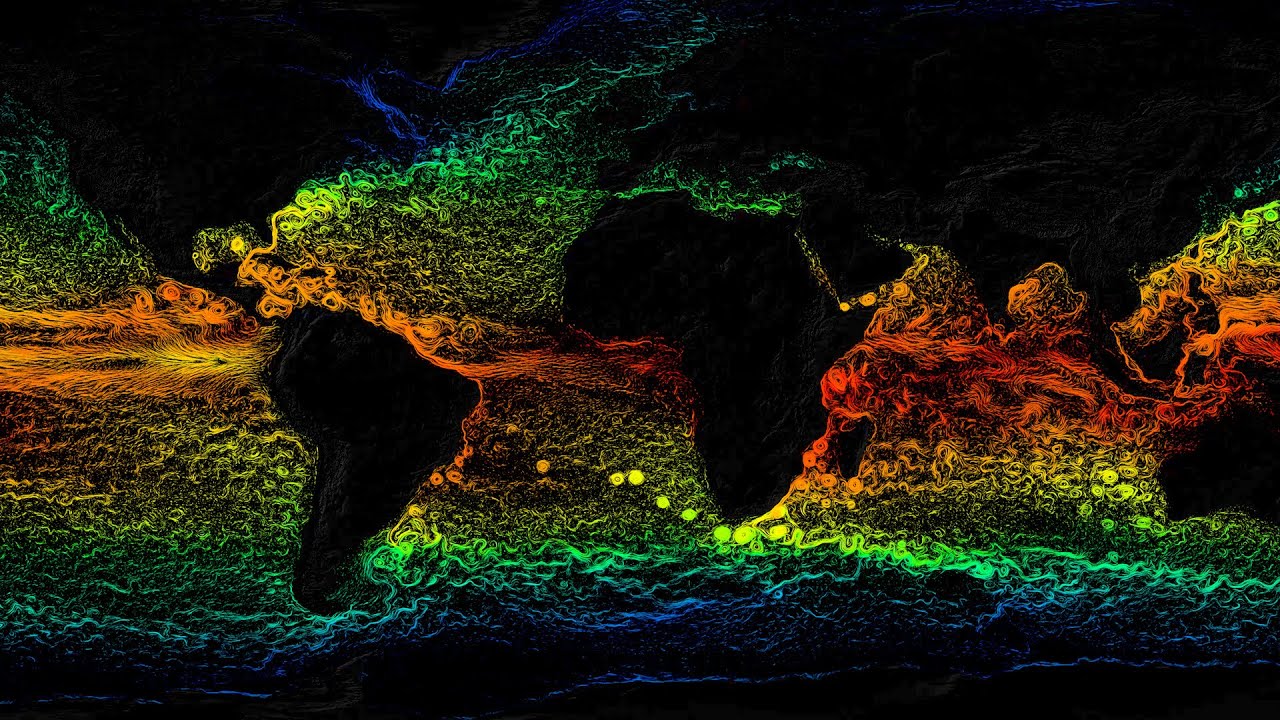
Changes in Ocean Circulation Ocean circulation plays a crucial role in regulating the global climate. Not only do the oceans store a significant amount of heat, but they also transport heat and nutrients through ocean currents, which directly influence the climate of land regions. Changes in ocean circulation can vary global temperatures, alter weather patterns, and affect marine and terrestrial ecosystems.
Changes in ocean circulation can have a significant impact on global and regional climate. Some examples and mechanisms are described below: El Niño and La Niña: These phenomena can alter global weather patterns. During an El Niño event, global temperatures typically rise due to the warming of the eastern equatorial Pacific, which can lead to droughts in some regions and heavy rainfall in others.
On the other hand, La Niña can cause global cooling and weather conditions opposite to El Niño's. The Gulf Stream transports warm water from the Gulf of Mexico to the North Atlantic. A weakening of this current could significantly cool Western Europe, as less heat would be transferred from the tropics to higher latitudes.
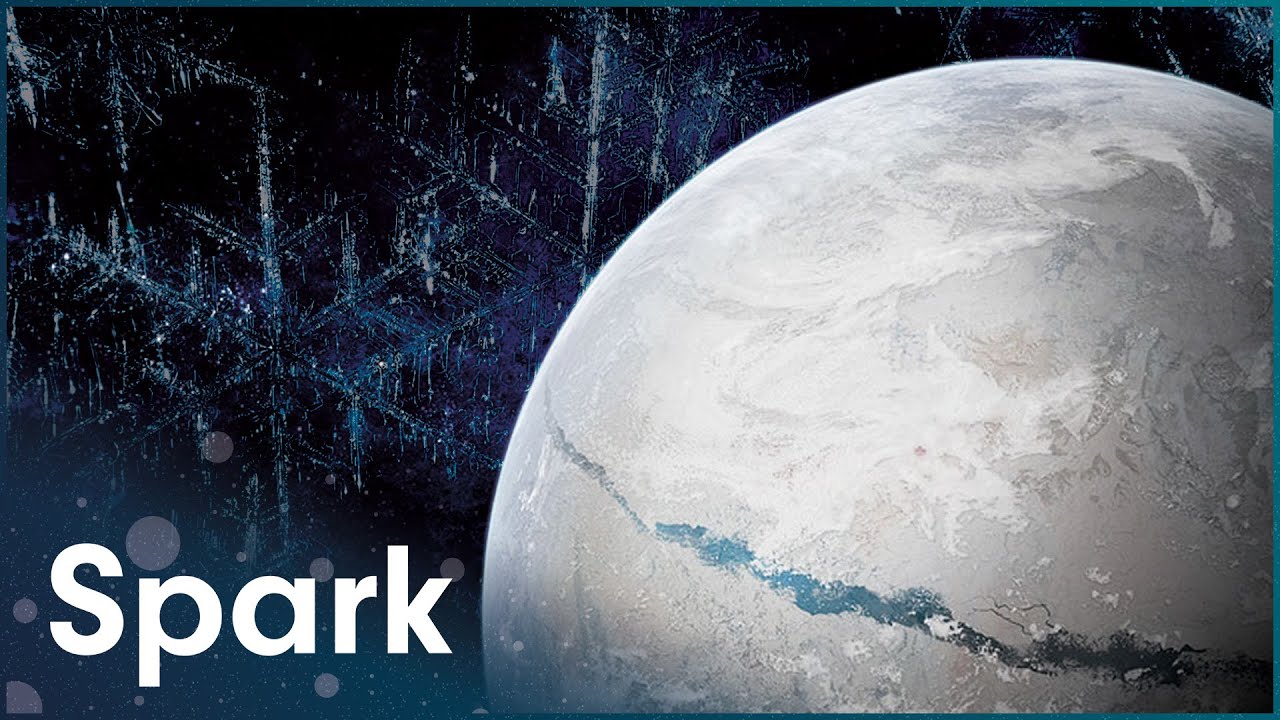
Thermohaline Circulation: This is a global ocean circulation generated by differences in the density of water in the oceans due to temperature variations (thermo) or salinity (haline). Changes in this circulation, such as weakening or interrupting the flow of dense water sinking into the North Atlantic, could significantly alter the global climate. Disruptions in the thermohaline circulation are thought to have contributed to episodes of rapid cooling in the Northern Hemisphere during the last ice age.
Geological history and paleoclimate studies provide evidence of how changes in ocean circulation have affected climate in the past. For example, during the event known as the Younger Dras, approximately 12,800 years ago, an abrupt cooling occurred in the North Atlantic due to the disruption of the thermohaline circulation, probably caused by a large influx of freshwater from melting glaciers. Changes in ocean circulation are a significant concern in the context of current climate change.
Global warming can affect the salinity and temperature of ocean water, altering thermohaline circulation. Melting glaciers and polar ice sheets contribute to freshwater inflows into the North Atlantic, which could weaken the South Atlantic Current of Circulation Reversal (AMOC), a vital component of the ocean conveyor belt. However.
. . Can humans influence thermohaline circulation?
5. The humans Although everything we have mentioned so far could imply that global warming is a natural process in which human beings play no role, the truth is that human beings do play a role in this, and a very important one. While interglacial periods, solar cycles, volcanic eruptions, and changes in Ocean Circulation can cause the planet to warm or even cool without human intervention, what we are observing today is unlike anything that has happened in the past.
All of the above factors cause global warming that can be tracked and measured very accurately from today to several thousand years in the past. There are many methods for this, but the two best known are tree rings and ice cores from Antarctica and Greenland glaciers and the rest of the world. Tree rings accumulate the levels of carbon that were present when the ring was forming.
By studying the rings of ancient trees, we can find out the levels of CO2 that existed thousands of years ago. Similarly, gases like CO2 and methane can be trapped on the surface of ice. When scientists extract ice from glaciers or the poles, they can figure out how many greenhouse gases were present more than 10,000 years ago!
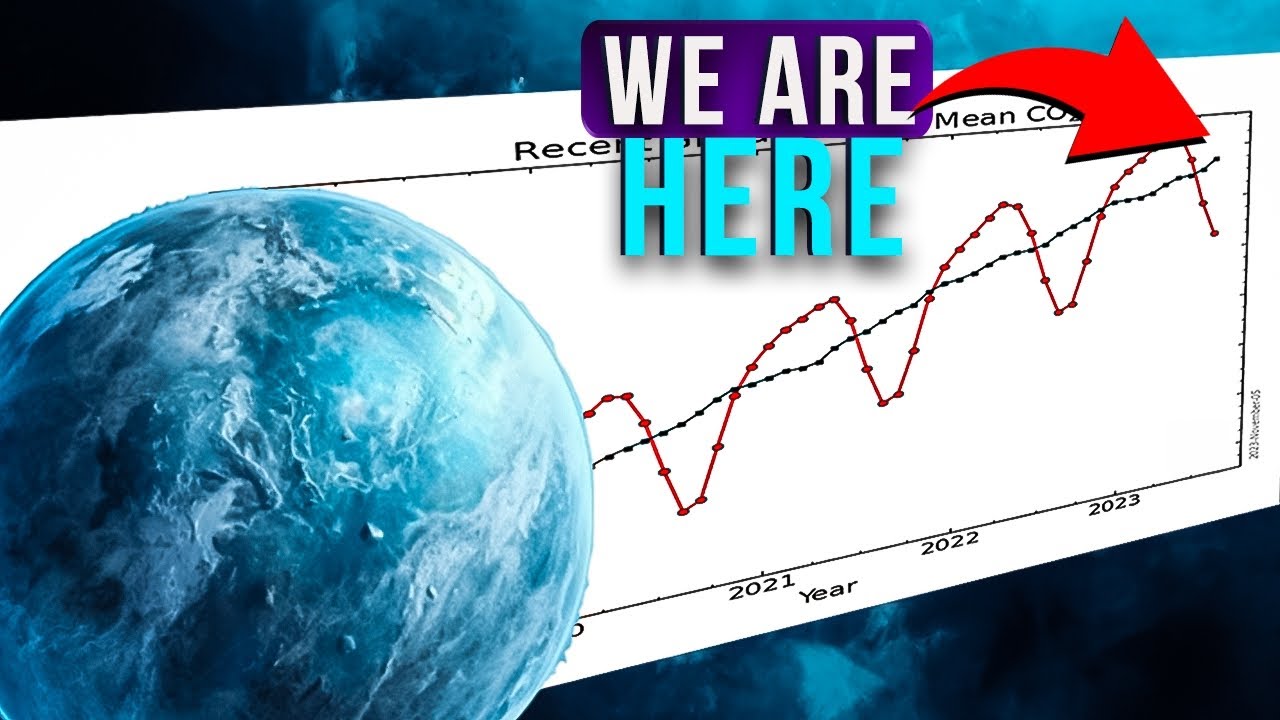
By doing all these studies, we can realize that, for more than 10,000 years, the planet's temperatures have fluctuated, rising and falling, but never in all of history has it risen so much in such a short time. The most accurate climate studies indicate that observations of global temperature increase from 1800 to 2020 are consistently explained only when human influences are included in climate models. Thus, it appears that the planet began to warm more just as humans began releasing CO2 into the atmosphere during the Industrial Revolution.
Meanwhile, models that exclude human activities cannot reproduce the pattern and magnitude of observed warming. In other words, although the planet has gone through periods of warming similar to or even more significant than those we observe today, they have never been observed in such a short period. Human activities, mainly greenhouse gas emissions, are raising the planet's temperatures more than they would without them.
Although volcanoes release CO2 into the environment, human activities release 100 times more CO2 than all the world's volcanoes combined. In conclusion, although human beings are not 100% responsible for global warming, we are responsible for it being more severe than it would be if we did not release so many greenhouse gases into the atmosphere. Can we still do anything to slow the accelerating progress of global warming?
Now, we want to hear what you think. Do you think humans are responsible for the increase in temperatures we are currently observing? Please leave us your opinion with a comment!