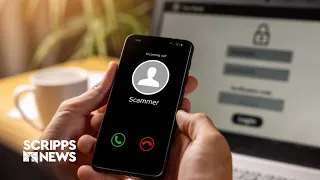
The Better Business Bureau is sounding the alarm about a scam targeting grandparents with new tech. Artificial intelligence is the tool crooks are using to fake an emergency. Making a call to grandparents with a voice that sounds like their grandchild in trouble and desperate for money.
10 News reporter Maria Gusban shares the warning signs. Let me tell you what my grandpa told me when I was just 6 years old. This is an example on how scammers can clone your voice.
I think this is a really nice way to just talk naturally together. You know, talk plain. The advocates are raising awareness on what they called the grandparent scam.
That's all scammers want. They they just want your money where Mama and Peppa are the victims and the actors pretending to be their grandchildren are the perpetrators. Now they can take a snippet of an audio or video of that person and almost emulate their voice using AI.
The FCC warns seniors about scammers who exploit grandparents reluctance to say no. Tony Binkley from the Better Business Bureau says scammers use online information to impersonate relatives and pressure victims. And they need money to get them out of trouble.
And they don't want you to call mom and dad. They don't want you to call anybody. It's between you and them.
And then a lot of times they'll put somebody else on the phone to act as that professional that kind of tells them what's going on and where they need to send them. He says scammers use artificial intelligence technology in a short audio clip to clone a loved one's voice. I'm gonna show you how easy it is for scammers to clone your voice and use it against you.
Using a free website, I created a fake voice of myself and ask my co-workers if they can spot the difference. Okay, I'm going to play you two sounds. One is AI and one is my voice.
Okay. Hi, my name is Maria Guzman and I'm with WBIR. My name is Maria Guzman and I'm with WB.
I'm a night side reporter covering. So, which one's which? Um, I think this one's you and this one's AI.
Yes. Groups like the East Tennessee area agency on Aging and Disability work to educate seniors about these threats. Cases probably the average is, you know, 5 10,000.
Uh, it's not little money often. It's it's bigger money. We've seen cases where it's been over a million dollars.
Aaron Bradley with the agency says scammers target seniors because they're likely to have more money. Anyone who's isolated or anyone who is lonely is far more susceptible to scams and frauds. We see it more also with individuals who are starting to have just a little bit of memory loss.
That was Maria Guzman reporting. Keep this number handy.