hi and welcome to headspace i'm dora kamau and i'm a meditation teacher here at headspace this is astora an opportunity for you to ask me anything you'd like about meditation mindfulness or just whatever's on your mind during this episode i'll be talking about how we can deal with perfectionism let's get started [Music] today's question comes from victoria who writes i've been struggling with perfectionism for a long time now what are some ways to cope with perfectionism and move on when i make mistakes hey victoria thank you for this amazing question for those of you who
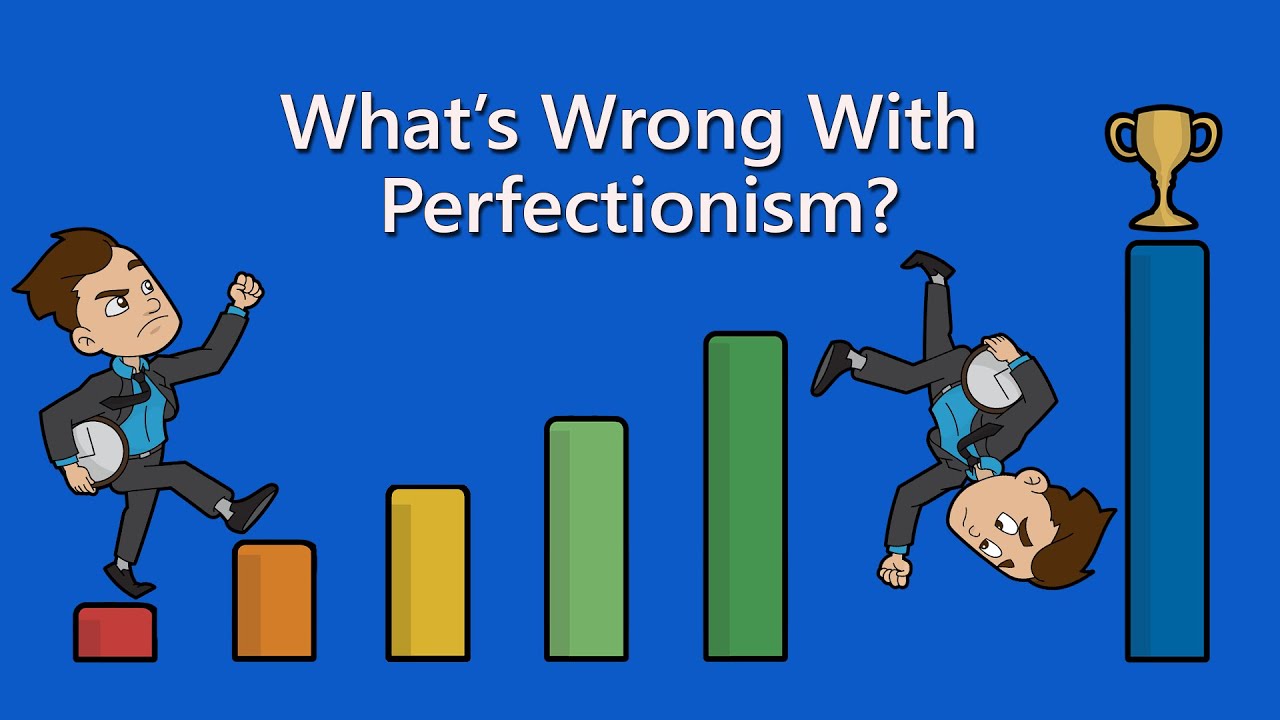
are watching who are newer to this idea of perfectionism it means striving for things around you to be perfect or the need for yourself to be perfect in one or all aspects of your life usually the standards that are set with perfectionism are incredibly high and unattainable so what happens is that we have this goal in mind that's almost impossible to reach people experiencing perfectionism might be prone to being overly self-critical or overly focused on how others perceive them and what stands out for me is that oftentimes perfectionism can be debilitating it's okay to have
a healthy amount of inspiration and motivation but too much with the need to be in control can wreak havoc on our minds and bodies it may be helpful for you to identify how your perfectionism shows up victoria so we can work with it a bit better so there's a few different types of perfectionism for example there's a self-oriented perfectionist who tends to set high unrealistic goals for themselves or there's the other oriented perfectionist that holds others around them to an exceptionally high standard and then there's a socially prescribed perfectionist who feels the pressure to be
perfect and is constantly seeking approval do any of them sound familiar maybe you resonate with one or all of them so where does perfectionism come from it can stem from our own beliefs thoughts societal pressures comparisons cultural norms traditions and practices it can come from the roles that we play and the expectations that we have from ourselves and from others when it comes to understanding our perfectionism there's so many different factors that play into why we strive for this sense of perfection so again maybe you can identify where your perfectionism comes from or who's expecting
you to be perfect here are a few ways that we can start to navigate our perfectionism first instead of trying to deny or hide our imperfections it's important that we can acknowledge them and shine a light on them because we're all human notice any self-judgmental thoughts and practice self-compassion in those moments when you realize you're being hard on yourself see if there's any words of kindness or encouragement that you can offer yourself instead next don't be afraid to try things you mentioned wanting to learn how to move on from your mistakes but mistakes are a
part of life there's so much that we can learn from getting things wrong as long as we're able to see them as a stepping stone to our growth and don't be afraid to fail perfectionism can create this idea that failure is the worst thing that can happen to us but it's not when those thoughts or emotions begin to arise take a deep breath and take a step back from that over critical mind and see if there's anything that can be learned in that moment lastly practice doesn't make perfect but it makes progress so even if
we fail a hundred times the most important thing that we can do is not to give up thank you so much for watching today if you have any more mindfulness questions for me please send them over to ask dora headspace.com and we'll do our best to answer them in a future video i'm so excited to be on this journey with you have a healthy happy day [Music] you