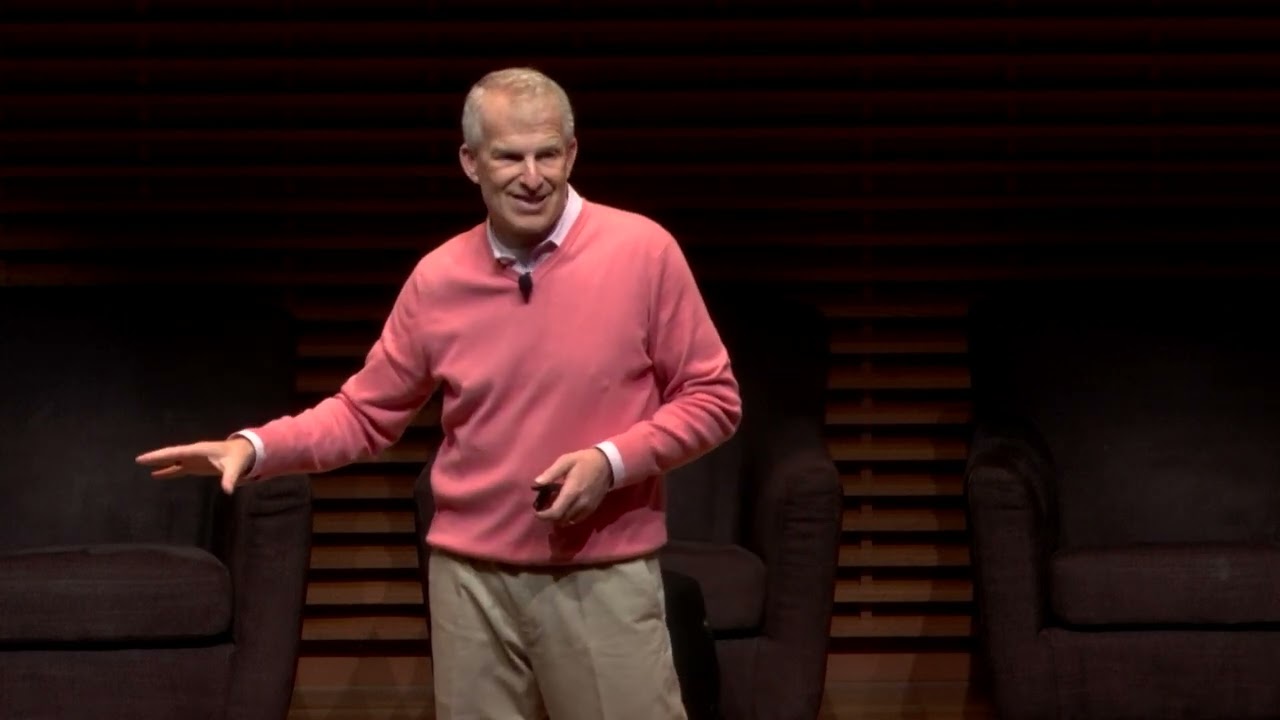
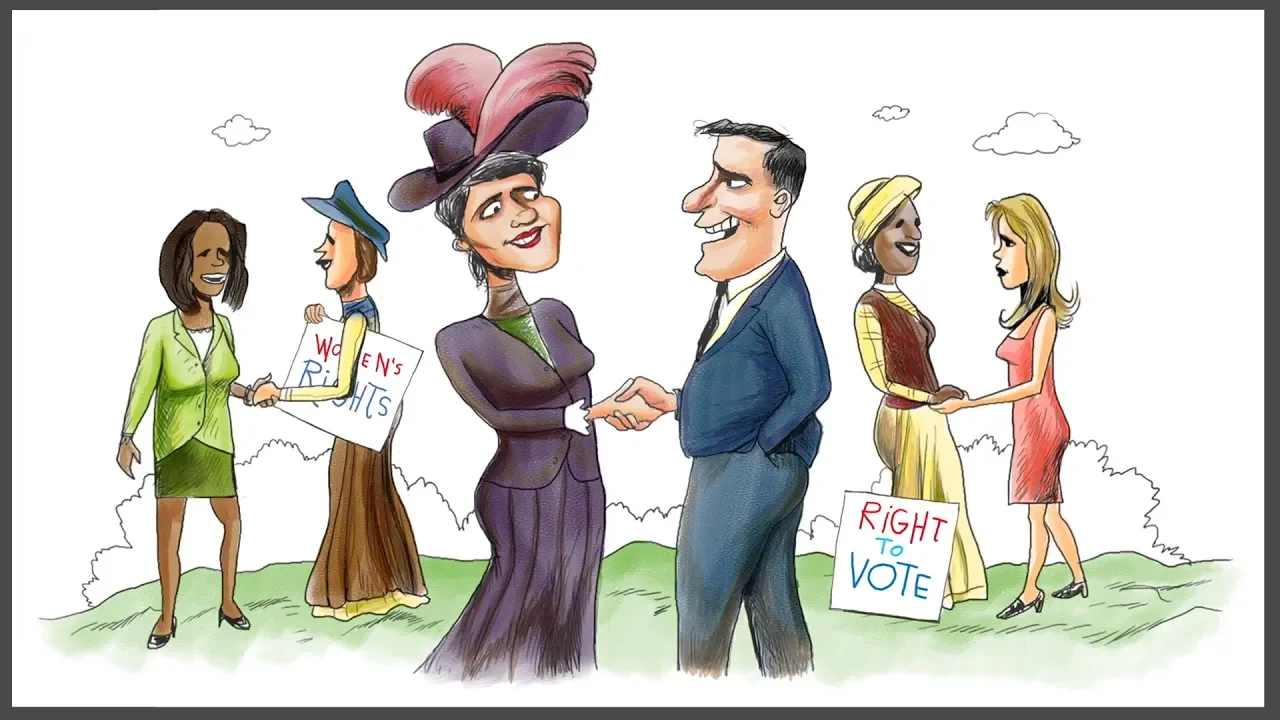
[Professor Robert Prentice] Ethical leaders both act ethically as an inspiration to others, and communicate and manage their organization's culture so as to promote ethical action. So how does a leader effectively communicate and manage an organization's culture to create ethical action? [Will] Effective leaders lead by example, and that's sort of setting the tone.
[Claire] The most important attribute in being an effective leader is cultivating a self-awareness. [Melissa] Respect for other people. [James] They know they are responsible for a group of people.
Well, leaders must establish their organization's ethical norms. They must ask: "What does our organization stand for? " They should set high expectations.
Leaders must also effectively communicate to others both the contents of those ethical norms and the intensity of the organization's commitment to upholding them. The careful drafting, with input from others in the organization, of a code of ethics can be helpful. Then, leaders must implement employment practices consistent with these overall goals.
Of course, they must hire good people and punish those who violate the organization's ethical norms. Just as importantly, they must reward those whose conduct embodies the organization's ethical standards. [Nikki] You can all agree that you have these core values in your company and maybe put some posters on the wall, but if you never have to talk about it, and figure it out how it relates to your actual day-to-day work, then it's all fluff.
It turns out that leaders can use psychological knowledge to nudge employees to act more ethically. So, leaders should keep in mind: People are more likely to steal from their firms or mistreat their firms' customers if they feel as though they themselves have been mistreated. [Howard] As a leader, it is your responsibility to put others ahead of you sometimes.
You want them to be very happy and to be, feel very good about the work that they're doing, on a constant basis. Leaders must explain the reasons for taking the actions that they take, for that helps employees accept decisions even if they disagree with them. Also, studies show that employees are more likely to act unethically if they are exhausted, so to overwork employees is to court disaster.
Relatedly, people tend to act less ethically if they are under acute time pressure, so this is another reason to be reasonable in placing demands upon employees. Professors Margolis and Molinsky studied several organizations and found that some wisely built into their processes time for pauses and second looks. [Dorine] So in hyper-competitive environments, there's incentives to be number one or incentives to be at the top of your class or at the top of sales, or whatever the case may be.
And because of those incentives, people will do whatever they need to do. Remember, employees naturally focus upon goals that are set for them by superiors. If unrealistic goals are set, especially those that carry punishments for failing to meet them or extravagant rewards for exceeding them, then employees will tend to lose focus on the ethical aspects of their actions.
They will concentrate entirely on meeting the goal. Realistic goals and moderate rewards for meeting them are a good combination. [Scott] Really having a set follow-up schedule in terms of making sure that everyone's on the same page from an ethical perspective is hugely important.
You may not have considered this, but the evidence is clear that people are more likely to act unethically if they find themselves in a dirty or cluttered workplace or if they find themselves in a dimly lit space. Cleanliness and good lighting can go a long way toward fostering ethical behavior. [Tony] I was in a company that was, you know, very ethically sound.
It was definitely an open space, it was an office without cubicles, you know. We were in a big building and there were hundreds of employees with no cubicles, so that just encouraged more conversations and more interaction. Finally, studies show that employees will tend to act more ethically if they are frequently reminded of the importance to the firm of living up to its espoused values.
Effective leaders create legends that illustrate commitment to the firm's culture. For decades, accounting firm Arthur Andersen was the most admired accounting firm in the world, in part because of its employees' belief in the origin story of how founder Arthur Andersen told a large client that there was "not enough money in Chicago" to induce him to fudge the numbers. Unfortunately, the leaders of Andersen forgot this lesson and started emphasizing revenue over character, which is why the firm no longer exists.
[Arthur] If we are in a position of power, if we are in a position of leadership, um, it's simply not enough to just have the title of leadership. We have to assume that challenge, right? You know, it's easy to say what you're doing but you actually need to, you know, talk the talk, and walk the walk.
While there is no single correct way to create and foster an ethical organizational culture, committed leaders will benefit by keeping these points in mind, and by remembering that all their actions send messages. [Carlos] Lead by example. You have to show them what you want done and how you want it done, based on your own actions.
That way, even in the cases where you're not around, they can say, "What would so and so do? " You really want to build a company where people are going to rally behind a shared set of values. You have to make people talk about it and relate it to their day-to-day work.
The organizational culture that supports gut feeling, that supports thinking before action can significantly raise the possibility of more ethical and moral decisions.