hello and welcome to this edition of joint action [Music] this podcast is dedicated to all those out there who have osteoarthritis on the show we unpack the truths and demystify the myths about the disease and its management if you have joint pain and want to know more about how to manage it from the world's best experts you've come to the right place without further ado it is time to welcome your host david hunter hello and welcome to this week's edition of the join action podcast where we have the opportunity to talk about pain from osteoarthritis
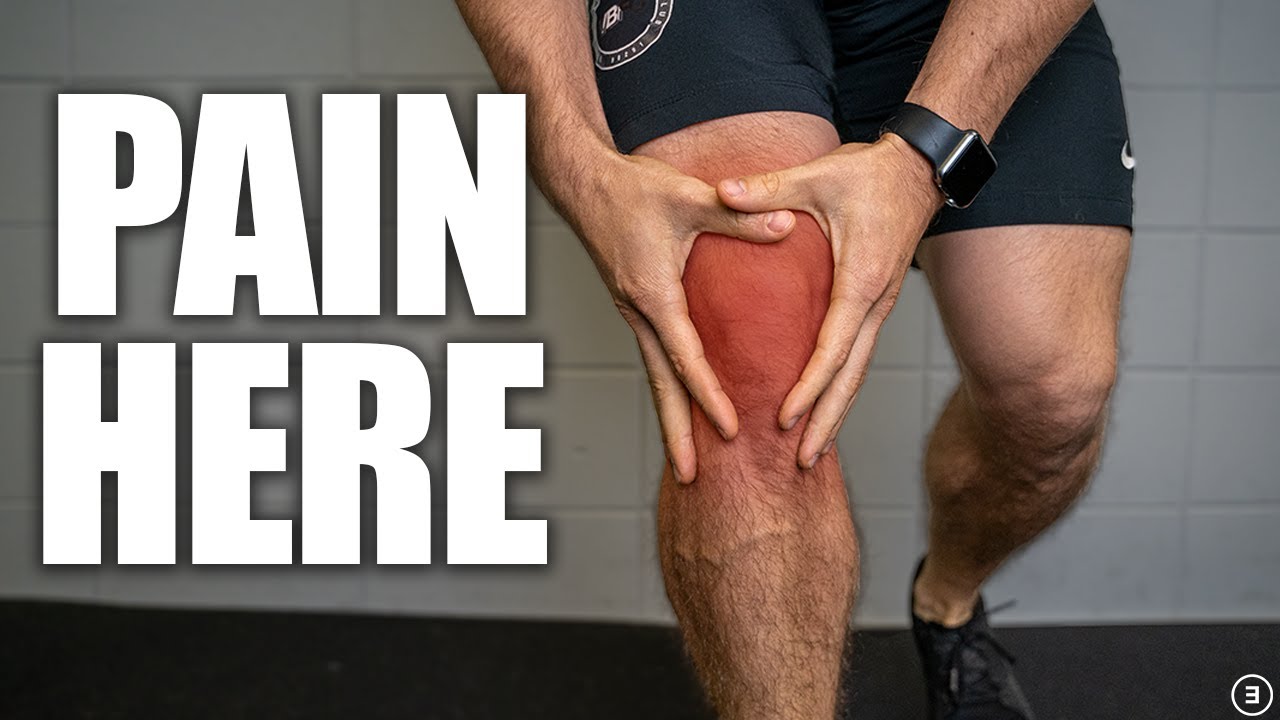
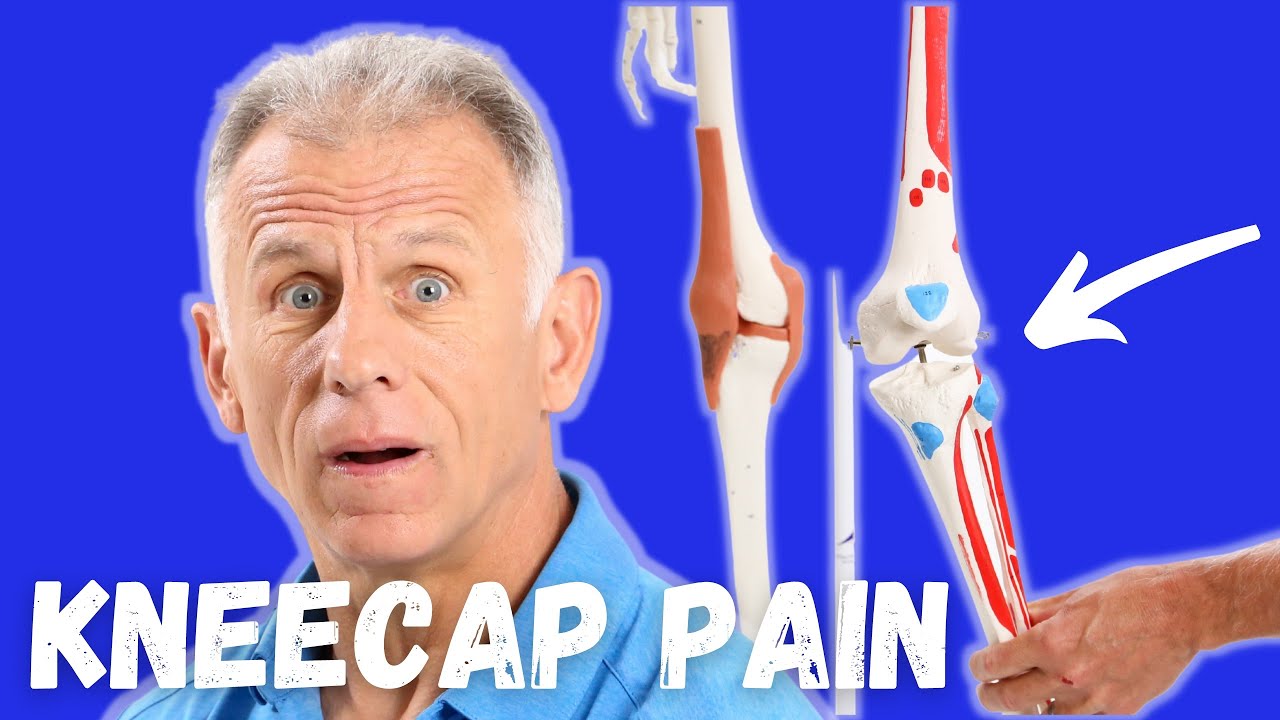
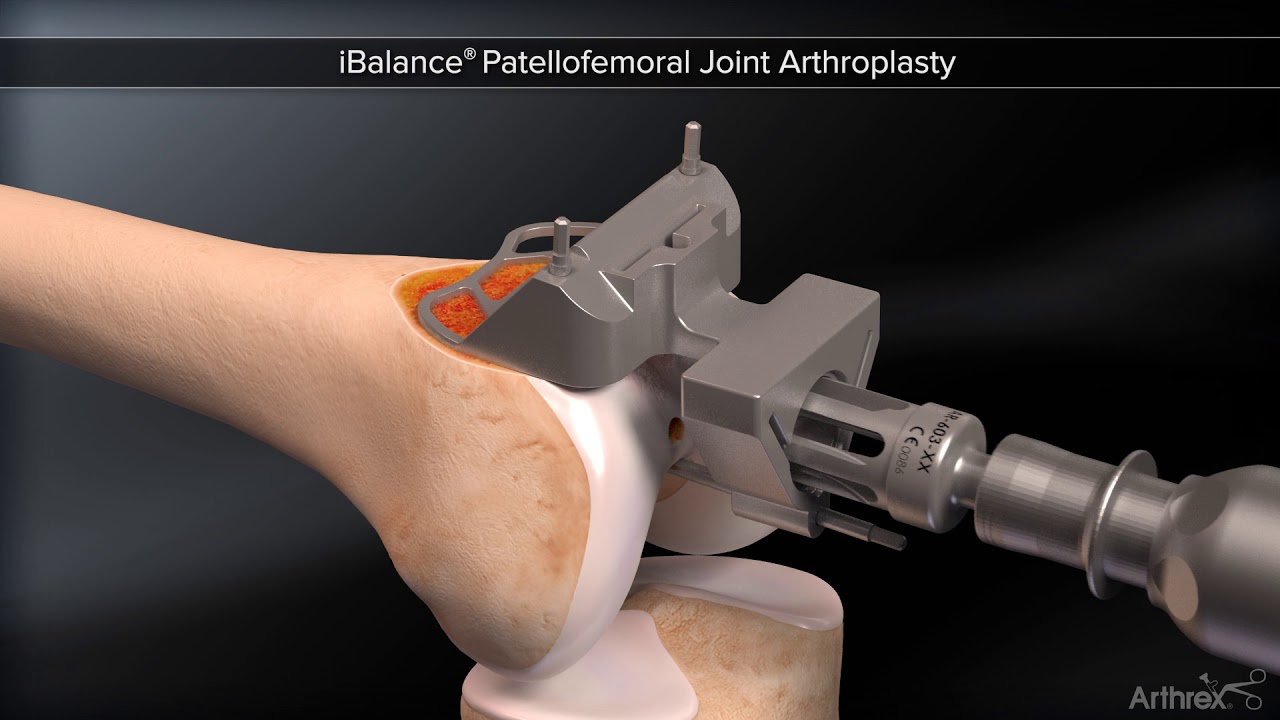
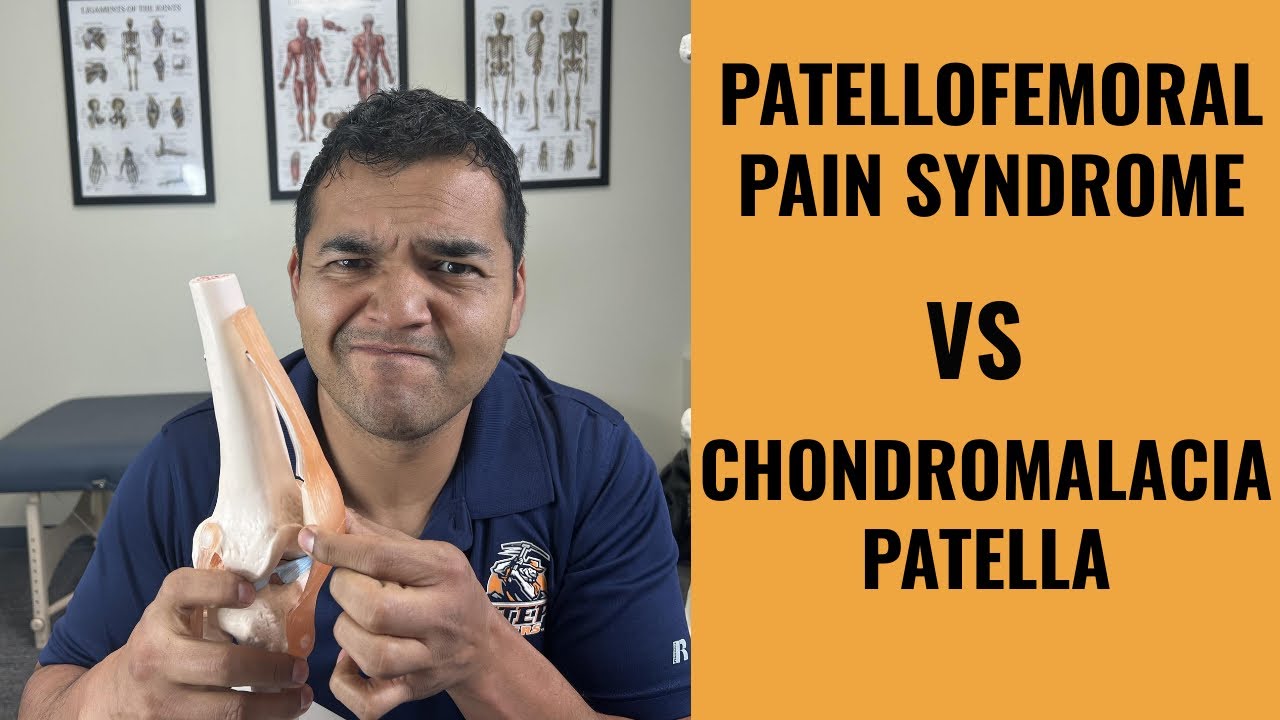
in the front of the knee now osteoarthritis can affect any joint within the body and within the knee itself it consists of three compartments what we call the medial tibia femoral compartment on the inside of the knee the lateral tibia femoral compartment on the outside of the knee and the patellar femoral compartment which is the joint behind the kneecap or the patella and that's going to be the focus of what we're talking about today now when we talk about those three compartments osteoarthritis can affect any of them either in isolation or a combination of those
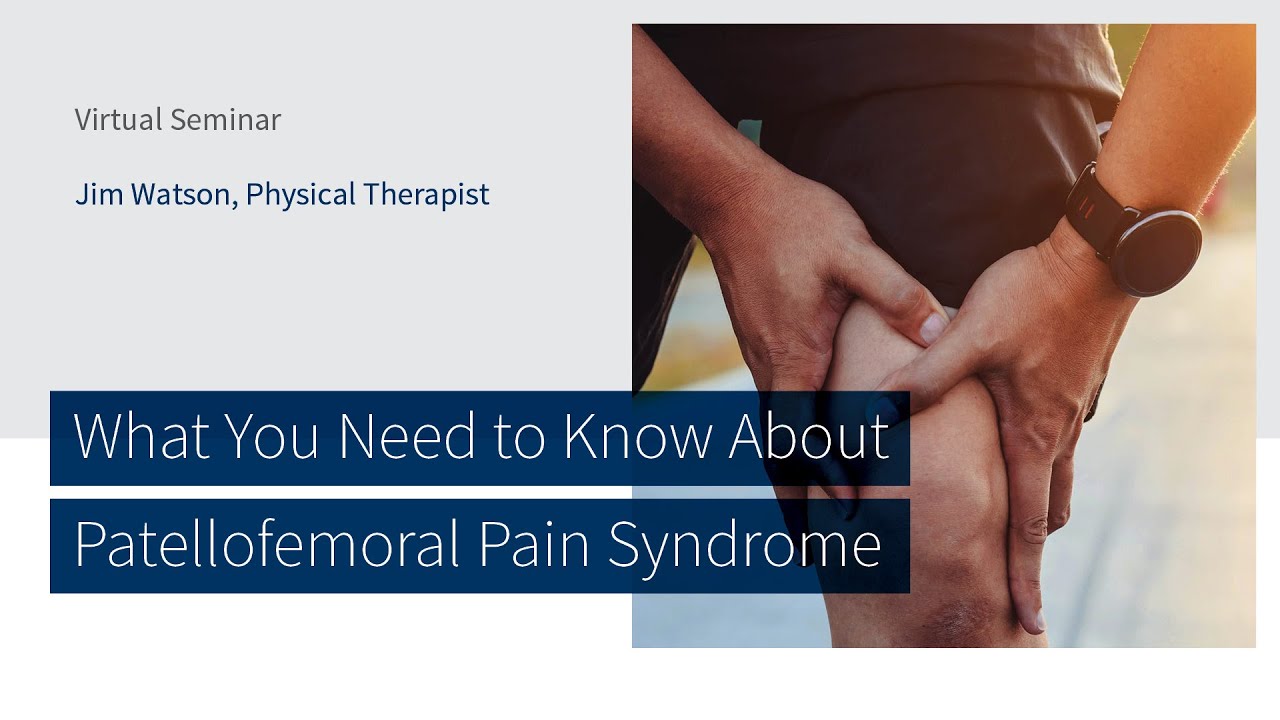
three compartments if you're someone who complains of pain coming from the front of the knee particularly if it's going up and down stairs getting up and down from a squatting position or a chair this is probably likely very relevant for you now although the majority of osteoarthritis research has focused on the joint between the tibia and the femur that joint between the kneecap and the femur and osteoarthritis there is actually more prevalent and associated with both greater pain but also greater disability but on this week's episode of joint action we're joined by dr marianka van
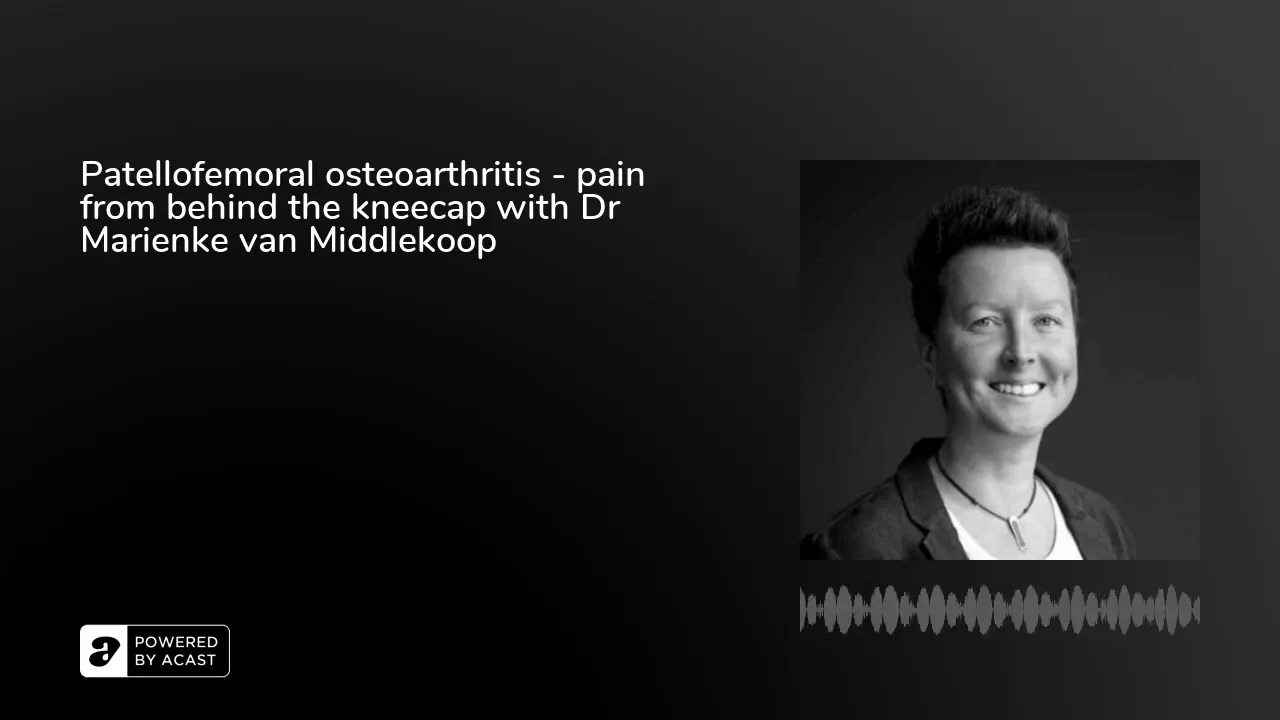
midlku to discuss this problem of patellofemoral osteoarthritis a pain in the front of the knee including its prevalence its burden diagnosis and the treatments for that dr marianne cavan middle coupe is a human movement scientist and an associate professor at the department of general practice at erasmus medical center medical university in rotterdam the netherlands she received her phd in 2008 on the subject of running injuries at the erasmus medical university in rotterdam the netherlands she's currently the project leader of multiple phd students and is a coordinator of the osteoarthritis trial bank which is an international
successful ongoing project including a data bank of more than sixty thousand osteoarthritis patients she's a deputy editor of the british journal of sports medicine and in 2010 was selected to participate in the oxford international care research leadership program hello marienko and welcome to the show thank you it's a great pleasure to have you here and it's something that a lot of our listeners have asked us about and you know we've been very interested in pursuing it and we couldn't think of anybody better to talk about this topic than you but before we get into the
main content of today just in an effort to get to know you a little bit better can you share with the listeners a little bit more about your background and what a typical day looks like yes of course i have a background in the human movement sciences and yeah during that study i really got interested in clinical research so after my master's degree i applied for a job as a research assistant at the department of general practice erasmus emcee rotterdam the netherlands and uh because i really wanted to know if this kind of job would
fit me as a person and then i under the supervision of professor sita biermas einstein i could start really soon could start my own phd trajectory on running injuries so slightly different topic but after my phd i got the opportunity to continue my work in research related to sports injuries but also other musculoskeletal disorders all related to primary care and general practice and yeah as always it's a big problem also in primary care i soon got involved in overeat research as well so now i currently supervise 12 phd students and junior researchers and yeah these
automatically fill my day and moreover i'm also now a junk head of our research department so that also comes there comes in some some management activities as well so yeah a typical day is many meetings with my phd students with other researchers of our department or worldwide i'm involved in in many projects not only oa but also still sports injuries and in a time left i try to to initiate some new research projects and try to write some grants to initiate new and novel projects so yeah literally it's it's much time chatting to people meeting
people and sitting behind my desk and computer if i have time i always try to join our daily lunch walk at our department that's one of the important things as well during my day that sounds brilliant so it sounds like you practice what you preach you get out every lunch time and go for a walk and that's presumably around rotterdam somewhere is it yes yes we have a really nice park and we have the river close to our erasmus mc or medical center so we we often go for a minimum half an hour walk every
day just out of interest because i think that's absolutely fantastic but is that something that you or someone else instigated and is it broadly encouraged across the group and what proportion of people get out yeah well i initiated it actually with one of my colleagues several years ago and more and people more and more people started to join and uh i think yeah at least half of the group is joining daily and it of course it depends a bit of your meetings and i try to schedule my meetings around it but at 12 30 we
we go for a lunch walk and just to see how committed you are is that irrespective of the weather outside yes only if it's really really raining very hard we don't go but still there are some people then going yeah they put on a rain jacket and they go that's superb that's absolutely brilliant now marienka when you're not doing your day job what is it that you like to do yeah i like to be physically active road cycling is one of my favorite things now in in summer and spring time here in the netherlands uh
in winter time it's uh mountain biking i love to do that but also running i play indoor football as well with teammates so that's a lot of fun as well yeah i'm probably going to say the wrong thing here but if you don't ride a bike in the netherlands are you in the minority absolutely absolutely yes yeah yeah and when you say road cycling is that competitive touring what are you doing no it's i'm not competitive in that so it's uh it's touring yeah so i uh on average is 150 to 200 kilometers a week
i think now in summer season superb yeah and we actually i have quite a lot of colleagues who do that as well so we have a tour erasmus mc tour every year in summer and last year i did that with with a group of phd students so that was really nice and anybody from the osteoarthritis group go out on those tours yes well phd students from the australia's group yes absolutely yes superb and just to get a sense of your mentality with the mountain biking what sort of mountain biking are you doing here is this
uh is this downhill or yeah it's more endurance i i go up as well on power okay and sometimes with a little bit of the elevators or the ski lifts okay but no i prefer to do it all on my uh my own power fantastic i wasn't going to judge you unfairly but it does take a special person to be doing the uh the downhill goat track type stuff yes absolutely now if you had to describe yourself in five words what would they be i'm a positive person i'm energetic i'm also a bit stubborn i
think cheerful and caring as well i think yeah all absolutely superb qualities now america we're going to get into the topic of the day and very happy for this to go uh where you want it to go as well so that it's most informative for our listening community but i guess in the first instance can you just tell us i guess what is patellofemoral osteoarthritis what is this problem that we're describing and then we'll get into some other broad topics it's osteotritis of the knee and then particularly one of the joints of the knee and
it's it's an often forgotten joint if you look at literature a lot of research on the eoa has been done on the tibiofemoral joint and this is about to join between the the kneecap and the femur so the patella and the femur and that's where oa occurs as well yeah no as you say it's really important but oftentimes forgotten in the discussions that we have about knee osteoarthritis you mentioned obviously that it's forgotten but how common is patellofemoral osteoarthritis there's some data about that for example in people that have knee pain we see up to
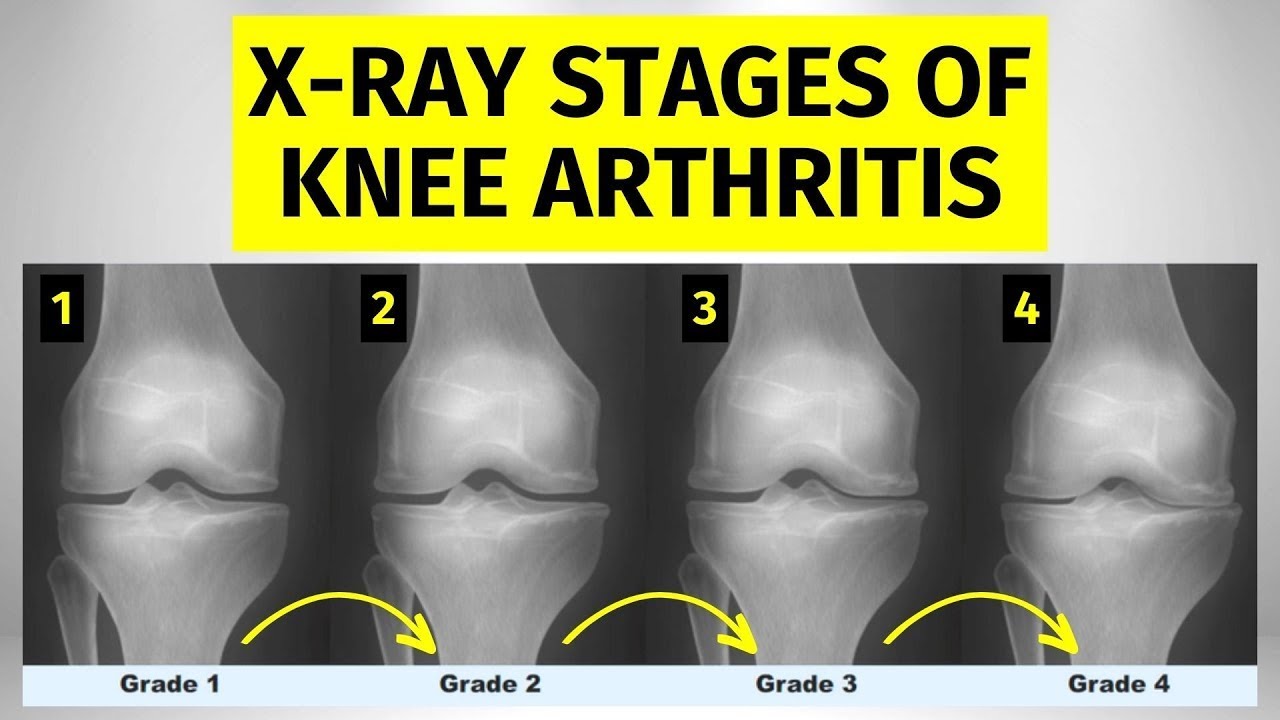
40 percent that had radiographic confirmed patellofemoral away so osteoarthritis and in the open population there's a study that showed that it's around 25 so that is all people 25 had some form of radiographic confirmed epithelial femoral osteoarthritis and miriam could just to clarify a couple of those because when you're talking about radiographic osteoarthritis you're just referring to an x-ray diagnosis and so that's 40 percent of people with knee pain above a certain age or in the general community i thought this was above a certain age i thought it was about 50 if i'm correct okay
and then if you do a broad community-based study about 25 of adults or 25 of the whole population no it's adults yeah so adults okay and just so i'm clear but the way this is i guess characteristically defined in many of the community-based or epidemiologic studies is using the radiograph because other tools for defining it are not as good or it's really hard yes it's really hard so so most of the studies and uh when i read over literature again i was quite surprised to see this because it's actually all about radiographic away so so
features from x-rays indeeds or imaging mri yeah and that has probably something to do with the difficulty of the clinical criteria that we currently have to yet to diagnose patellofemoral away as a separate entity yeah so let's let's get into that a little bit more but for a person that has patellofemoral osteoarthritis what do they complain of what symptoms do they have and particularly if you can distinguish that from common garden variety tibia female osteoarthritis if there is such a thing well i think the typical one is people will say they have really pain around
the patella around the kneecap and one of the activities that aggravates pain is for examples walking stairs so that is a really typical one for patellofemoral osteoarthritis and in the netherlands i would say cycling with with head that is one of those typical activities that will provoke pain but the difficulty is like tasks as stairwalking getting out of a car or rising from bed ascending stairs these typical pain aggravating activities are common in patellofemoral pain patients but you also see them in patients with neoa so that is also a tibial femoral way and that is
the difficulty there is such an overlap in symptoms between the oa and the patellofemoral joint or maybe also combined oa so you have oa in both joints or only oa in the patellofemoral joint yeah so i guess the the blunt description would be the activities you just described were activities that typically are involving some bending or or flexion of the knee itself so stairs hills on a bike presumably with the seat down as opposed to way up squatting getting up and down from a chair as distinct from maybe walking on flat ground or just standing
still yeah where the kneecap may not be engaged against the femur but as you say probably not as specific as they could be in differentiating between tibia femoral or patellar femoral osteoarthritis but if you combine the description of pain in the front of the knee with one of those activities does that improve the ability to differentiate patel ephemeral from tibia ephemeral i think so but i wish we really knew because yeah i personally i think so absolutely i i would apply these criteria but unfortunately we haven't agreed on anything yet worldwide i think to diagnose
this clinically yeah so obviously room for improvement absolutely absolutely presumably in your life as a researcher it creates opportunity rather than opportunities for being disappointed about where we currently stand now obviously that's from the viewpoint of research and thinking about clinical characteristics that differentiate people with patellofemoral from tibia femoral osteoarthritis but if you're in your clinical practice or talking to clinicians about tools or methods that they can use what do they commonly use to differentiate patellofemoral from tibia female osteoarthritis and are they the same as what we would use in a research context i think
it overlaps and i think in secondary care a lot will make an x-ray and base it on on these findings so not only the clinical criteria i think to be honest in general practice a general practitioner won't distinguish often between these types of complaints they will probably go for a new osteoarthritis instead of a specific diagnosis and distinguish between those two two joints i know one of the things and that is a sign that's crepitus so the the grinding noise you're in grinding noise of the patella while you're squatting that is one of the things
that may be applied in in clinical practice and that physios may also apply we showed in our research that that is one every feature that is strongly associated with with the presence of structural patellofemoral osteoarthritis and not with tibial femoral arthritis so that is a sign where i think we can sort of distinguish this population between patellofemoral and tibiophenol osteotribus brilliant now that's obviously from a clinical perspective but for the patient population who are out there who may or may not have pain in the front of their knee and one or other of those features
why might they have developed this particular problem in in the first instance why have they got problems in the front of their knee could be related to different factors one of the things that is often mentioned is the alignment of the knee and then specifically the patellofemoral alignment so much has been said about that and one of my colleagues at the erasmus aaron macri she did quite some research in that and yeah she found for example that these people sometimes have a shallower truck layer so it's all had has to do with alignment of the
femur and the patella and how the patella aligns to the femur i think that is one of the factors why people might have this patellofemoral pain and patellofemoral osteoarthritis yeah so just to expand on that one a little bit further so what mary ankur is describing there with the trochlear is the the shape of the front of the femur that the kneecap articulates with and usually it's a nice v or or valley shape but sometimes that shape can differ between different people and likewise the position of the kneecap with reference to the femur itself can
also vary and it can be tilted or set off to the side yeah yeah so so that is one thing and another thing is has been seen is that a previous acl injury anterior christian ligament injury so people who have had that often occurred during sport activities they seem to be at really high risk to develop telephenols the arthritis i've read that about uh percentages up to eighty percent of people who had an acl injury had patellofemoral osteotribus years after that the mechanism is is largely unknown might have to do with modified biomechanics of the
joint or that may lead to damage in the knee and the menisci can also play a role in that but that's that's a bit unclear now i think but we do know that it is that it is a risk factor what about local mechanics in the knee and particularly the role of muscle strength and also the the extent of rotation of the femur what what if any role might they play well reduced muscle strength really seems to play a role as a risk factor for the development of patellofemoral osteotriasis and i think the interesting one
in that one is that we see that also in young people with interior knee pain or patellofemoral pain as it is also uh called and we see that in young people and adolescents already and that type of pain is also associated with reduced muscle strength especially the quadriceps often and yeah we also know that this anterior knee pain before the age of 40 is also related with the presence of patellofemoral osteotrius so that is a factor that is often mentioned as well so that pain during adolescence or young adulthood to be a risk factor for
the development of patellofemoral osteoarthritis but unfortunately we do not have studies that have followed such a population for a long time to show that it is associated with the development of osteotritis at a later age what about the risk factors that might be common between osteoarthritis and the tibia femoral joint and the patellofemoral joint and the role of age gender body weight in playing a role i think there's largely overlap age is a risk factor higher bmi is also a risk factor particularly for patellofemoral osteoarthritis but also for tibial femoral steroids so and that is
also the tricky thing that a lot of these factors seem to overlap between these two joints within the knee yeah yeah wonderful explanation and i think a great overview of what is a very complex area but i think an area that we still have a lot to learn about as well for those people who are out there who are wondering you know what's my prognosis and what can i do about this what's the general outlook and what would you advise him with regards treatment options i think the most important thing still is exercise so exercise
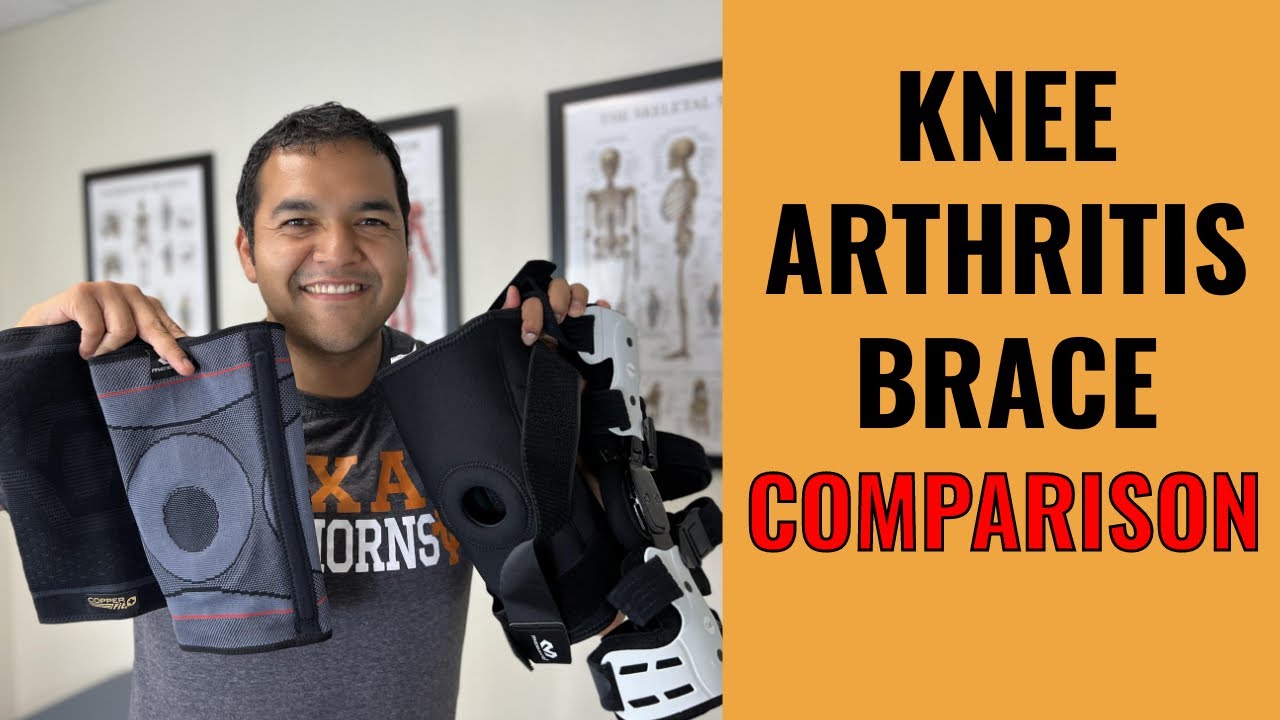
therapy i would place that in in a number one even though we do not really have clear evidence because they're just not much out there on specific treatments for patellofemoral pain but we do know that exercise and strengthening of these muscles is is really a good thing to do for patients and there are some specific treatments available and that is more with regard to bracing and taping so there have been some studies on bracing and one study on taping and these do seem to reduce pain they can support a knee and they can sometimes help
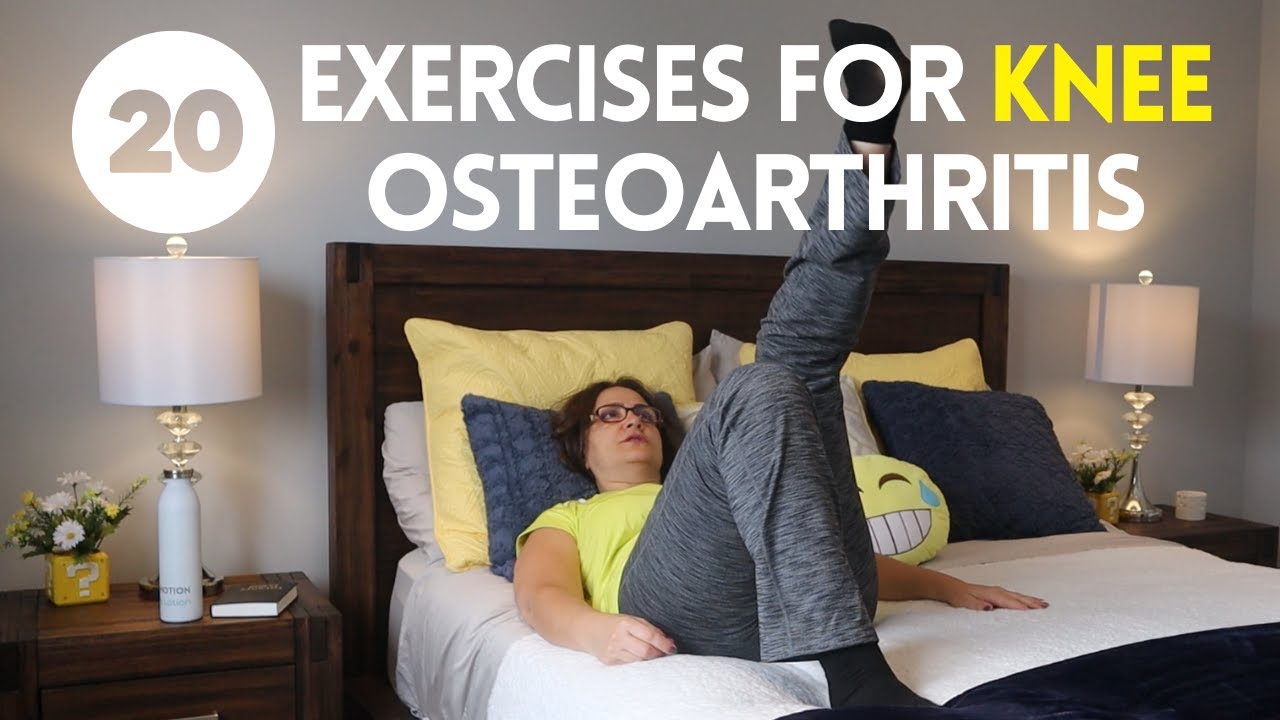
to align the patella a bit better to the femur with these braces so they have shown some positive results so sometimes people people with patellofemoral osteothritis are giving a brace in addition to for example exercise therapy and marianka just to understand exactly what you mean when you say exercise therapy what are you referring to and which muscle groups are you strengthening and when you say exercise are you you're not just referring to strengthening are you also referring to advocating for people being physically active besides being physically active i would also always advise that but i
think it would be good to go for specific strengthening of the upper leg muscles and muscles around the knee and then especially the quadriceps muscles seem to be really important so yeah i would suggest that it involves these typical exercises and there are also some exercises that can be easily done at home so maybe with a few sessions at a physiotherapist you can already train at home and do a lot with really easy things yeah now i mean obviously there's been research into this in the past but clinicians frequently will use a combination of different
interventions that might include strengthening of the thigh and hip muscles as you mentioned taping potentially advice around their shoes and weight reduction what if any evidence is there to support that approach that has come from a randomized trials actually there's none to my knowledge to support this but i think it is uh yeah it's mostly based on what we know from the tibial femoral joint and based on that i think we know that indeed what you mentioned as well so the lifestyle the weight reduction if needed these are things that are always good for for
neo-a so that will also involve the patellofemoral joint but yeah there's very little evidence available specifically for the patellofemoral joints so also on specific pharmaceutical or nutraceutical techniques there's no evidence there we'll provide a link to a wonderful article that marianka was the first author on that came out a couple of years ago which was really looking at consensus recommendations around this area but i think the other really important element that it highlighted marianka was the evidence and knowledge gaps that we currently have with regards of hopefully opportunities for research agenda again without necessarily putting
you on the spot but are there any elements of that that you'd really like to highlight that you think are really important that we should be tackling sooner rather than later well i think one of the most important thing is to be able to clinically diagnose this group and to distinguish them from the tibiofemoral osteoarthritis and that is uh yeah the nice thing is that i think before i got the invite for this podcast i i think a week before that i spoke to natalie collins australian colleague and we discussed it as he said we
should really do this so i spoke to one of my colleagues in the erasmus mc as well and yeah we're now sort of thinking about how to do this maybe with a group of experts worldwide but i think it is good to start this discussion and is this one of the things we need to be able to further continue research in this this area really important so i really strongly encourage you and push you in that direction so as as best you can i think it's a it's a fantastic idea now marienko anything else that
you want to say about that topic and or any resources that you want to point people towards obviously will include the link to the seminars and arthritis and rheumatism article but any anything else you want to point people towards no not yet we're working on it so i hope we get some nice papers out in the upcoming year that specifically uh targeted the alignment and the association between early knee pain during adolescence and later in eoa but yeah hopefully that will come out the next year fantastic we look forward to that obviously enhancing knowledge is
so so important and really want to encourage to continue to pursue that now marine corps we're just going to get into what we call the rapid fire round so i'm going to throw a question at you and you just come back with a quick response and i'll try not to be too judgmental on this end but favorite book the 8th life h5 yeah it's called brioca yeah it's a book from a german writer originally from georgia superb really nice wonderful favorite movie it's a amal it's a swedish film okay dog or a cat person none
of the boats none of both wow favorite quotes as long as it's fun good motto what's your favorite food i think it's everything related to uh yotam ottolengi an israelian cook written many books yeah they're wonderful do you have a bad habit yeah i tend to know things better than other people it's great that you have the insight to know that you do that but where would your next like to go on holiday on top of my list is kyra gizan sun yes yeah what's driving you over there why do you want to go there
uh the mountains and the culture but especially the mountains okay i will hope you get there soon what superpower would you have if you could have one i'd love to speak all languages the world big great way to get to know everybody wouldn't it now if you could meet anyone dead or alive who would it be yeah um i had to think a while about that and then i wrote down david beckham one of i really was a fan of him so uh yeah and this was back in the days when he was playing in
the premier league or when he went to the us yes premier league now premier league main united are you a man united fan yeah yeah yeah okay well we won't talk about this season too much then we'll just we'll just move straight along and what would you do if money were not an issue i would make sure that uh all refugees in the world would have some safe place to live really important and obviously critically important at the moment with what's going on in the ukraine in particular but obviously other parts of the world as
well absolutely now marine care if you could do anything to improve health and health care what would you do yeah i think i would invest more in prevention and implementation of prevention i think that is uh yeah often underestimated by policy makers and uh i think it is so important and it's also one of the things we've seen last years by the covet pandemic for example physical activity is so important and lifestyle's so important and yeah i would invest way more to implement these measures of prevention yeah i completely agree with you i mean i
think from a policy maker perspective when you look at the advantages inherent to the community and promoting you know good lifestyles good positive physical activity messaging appropriate messaging around food and diet um and the investment you can make there compared to just reacting to disease like osteoarthritis and replacing all of the joints that are out there it doesn't make a lot of intuitive sense the way we currently stand no but it's all short-term thinking of they're there for four years and then there are new elections and yeah next one can do it again exactly the
miranda how do you continue to learn in order to stay on top of things within your role yeah that is an interesting one i think i learn most from the people i work with and i try to collaborate and work with people as much as possible but maybe i learn most of my critical phd students who i daily work with they keep me sharp they trigger me ask a lot of questions and they cover a large range of different topics so i really have to keep up with literature but also new techniques they come up
with new methods so i think i learned most by working with them it's great having the ability to interface with those tremendously bright and inquisitive minds isn't it now are there any patient-friendly resources that you'd like to share with our listeners yeah i think there's there's one interesting initiative that we started in the netherlands i think it's almost two years ago it is uh arthroscope so healthy osteoarthritis and it's a platform specifically aimed at dutch osteotritis patients so what we do there is try to connect research with patients in the netherlands so we interact with
them we show them what kind of research is ongoing at our university they can show their interest in research but they also can think along with research so we invite them for patient panels to think with us on different topics but also new initiatives new projects but also how to implement results of these projects and uh we are now because we started just before the covet pandemic so most of the activities were online but we're now planning in the autumn like probably september october this year we will plan our first physical meeting with uh it's
called osteotrius cafe where people with osteoarthritis will have the ability to meet researchers in real person and chat with them interact with them yeah i think that is a great initiatives and hundreds of people are already connected to this platform and yeah so for all dutch oa patients i think that is an interesting website to go to it's a great idea is that something that you set up there at rotterdam or did you do it with rumored netherlands is it is it nationwide uh we started it in rotterdam and uh now roman nayland is also
involved in that so we started small really for rotterdam but we are now already going through uh to the rest of the netherlands as well but activities will be organized in rotterdam so um yeah it has a bit of a focus on the on the large region of rotterdam no it's a it's a fantastic idea and hopefully really helps to emphasize the critical role that people with osteoarthritis with that lived experience what other people might call consumers can play in both i guess directing the research that we do but also playing a much more pivotal
role in what we continue to do so you know kudos for you for setting that up now why do you do what you do what motivates you that's a good one yeah i always had a an interest in in health and and health care and during my master's i i noticed that i really enjoyed doing research but i think my my main motivation to do what i i do now is that yeah i love to solve puzzles and i'm always so curious how things work and why they work and why do we do things in
healthcare as we do them and and what is the evidence behind it and how can we improve things i think that that is the big driver aside from yeah really getting happy of phd students that learn things and that come in and as students and they go as as really adult researchers it's a great mindset to have and you look like you really enjoy what you do and presumably coming to work every day is a joy and you know not everybody necessarily feels that way so you know congratulations yeah absolutely now marine care if you
could have a billboard with anything on us what would it be and why i thought now thinking at this moment i would i would put something on it to acknowledge the importance of participation in research for patients with osteoarthritis to use it and so perhaps a shout out for an ongoing project now where we investigate a lifestyle intervention for people with with early neoa symptoms so we need some people for that project but i think it's yeah for people it's it's often sort of okay research is something far from from me and especially in people
in primary care like in the erasmus mc at territory hospital it's more common that people participate in research patients participate in research but from a primary care perspective that sometimes that can be complicated so yeah i could use a billboard for that yeah good well i'm sure it's a great way to reach out there and we're always in desperate need of participants for the for the work that we do now in closing is there one piece of advice knowledge or wisdom that you'd like to give for people who have osteoarthritis yeah it's really sure to
keep on moving physical activity is is so important try to keep active that's a great way to finish and marianka thank you so much for spending a little bit of time with us and sharing the wonderful insights that you have and really you know kudos and congratulations to you for the wonderful work that you're doing and i hope you continue to push those boundaries forward and do so in the bright and cheerful way that you carry yourself with congratulations thank you yeah thank you very much thanks for having me absolute pleasure so hopefully for all
of you who are out there who have pain in the front of the knee with your osteoarthritis and particularly if it's getting worse with flexion activities like stairs or squatting or getting up and down from a chair you found the content of today helpful and relevant this is an incredibly common problem for people that have osteoarthritis of the knee to have pain emanating from that particular part of the knee associated with the activities that we've spoken about there's still a lot that we need to learn both about defining this population but also helping us to
distinguish both in a research and a clinical context from those that have osteoarthritis in the tibia femoral joint as marienko mentioned the risk factors for osteoarthritis behind the kneecap are subtly different in some ways from that from the rest of the knee joint but there's still an incredible amount of overlap but if you have problems with strength in the quadriceps problems with rotation of the thigh or femur bone inwards if you have problems with the alignment of the kneecap and or you've had a previous injury to your anterior cruciate ligament it does place you at
greater risk along with the regular risk factors that we talk about for osteoarthritis such as older age being female and having a higher body weight there is still a lot that can be done and despite the lack of good randomized controlled trial evidence there is good suggestions that working on both thigh and hip muscle strength and potentially the role of taping or bracing can play really important roles for people that have pain in the front of the kneecap again thank you so much for listening to the joint action podcast really appreciate your support look forward
to continued interactions your questions if you have them your suggestions about upcoming episodes but between now and when i next speak with you please do take care of yourselves [Music] thanks for listening to joint action with david hunter if you like our show and want to know more visit www.jointaction.info if you have any questions you can email us at hello at jointaction.info and follow us on twitter at jointactionorg this podcast was hosted by david hunter edited by vicky dwong music produced by jordan hunter the information posted on this podcast is not intended to diagnose treat
cure or prevent disease anyone seeking medical advice should consult a health professional [Music] you