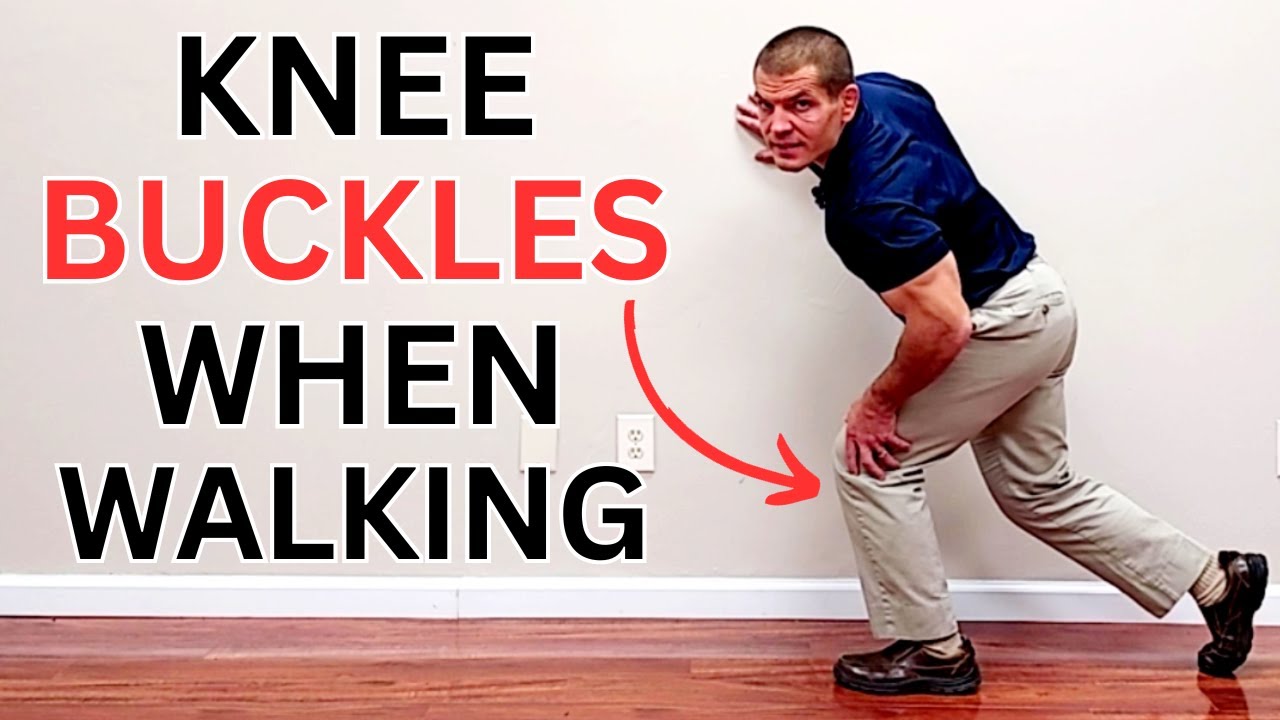
one thing we all take for granted is our ability to walk it's something that we require for everyday life for pretty much everything that we do whether it be going out to the shop going out catching transport walking down to the park or taking a walk with a friend the challenge with osteitis is that often times when a person has osteoarthritis they have pain they have stiffness they have reduced range of motion and potential weakness in their muscles and walking becomes more problematic and some of the changes that occur in the cont text of osteitis
lead to reductions in a person's ability to walk so that innate really important valuable part of our everyday life becomes more challenging and difficult often times those gate or walking changes are measurable so what we're trying to get into today is how pain from osteoarthritis might change the way you walk but in addition what changes in gase or changes in Walking occur in a person with deteriorating pain and function and we're really privileged to have Dr Katherine Baker an assistant professor at Boston University and Dr DPAC Kuma who's an associate professor in the department of
physical therapy at Boston University and the director of their movement and Applied Imaging lab to talk about this really important and very commonly concerning topic that people bring up on a regular basis in clinical practice hello Kathy and DPAC welcome to the join action podcast hi David thanks for inviting us great to have you both here now just in the interest of the listeners getting to know both of you a little bit better Kathy if you go first I wonder if you could just share with the listeners a little bit more about your background and
what a typical day looks like so first I had a long career in software development and management outside of Public Health so I don't come from this field my last position was director of engineering in a software firm so I have a really practical approach to software and there's no magic so I just want to emphasize not a clinician now I work at Boston University I worked on caregiving and disability I did a PhD in epidemiology and I came to this group because I was interested in the variety of analyses that they do plus I
was interested in disability arthritis is the largest source of disability in the world by the time I came to this group at around 2016 I myself was mildly physically disabled after being hit by a car and then diagnosed with multiple sclerosis so I often walk with hiking poles or aade and I have to plan my activities for that a typical day for me has SP at the computer I'm a computer engineer and I've always been on the computer so I do research analyses uh or I'm on Zoom well there's a there's a lot of Zoom
going on so I think everybody's getting very familiar with spending long periods of time acquainted with their computer so thank you so much for sharing that Kathy deac what about yourself yes uh my background is very different from cathis I'm a physical therapist and I completed my entry level undergraduate and post-professional Masters in physical therapy from India and then practiced clinically for a couple of years before immigrating to the US for my PhD and I completed my PhD in bi mechanics from the University of Delaware and Advanced Training in imaging from the University of California
San Francisco and now I'm faculty at Boston University so being in Academia a typical day for me would include some amount of reading which would be new papers of Interest or manuscripts or grants that have been asked to peer review some amount of writing papers or grants meetings with trainees or collaborators or meetings related to my administrative responsibilities and occasionally data analysis and very rarely data collection in the lab and I wish I were able to do more time in the lab but I'm fortunate enough to work with some excellent trainees who take on most
of that exciting work and I guess once in a blue moon I do podcast interviews well welcome welcome to this one dpack and Kathy it's great to have you both along the focus of today is really hopefully extending a little bit on the research that you've just published looking at some of the gate changes that occur in people that have ostearthritis and I think that's probably a good place to start if you don't mind so I guess just to get things kicked off how does gate change in ostearthritis there isn't a simple answer to that
question but I can try I want to preface by acknowledging that ostearthritis is fairly what we call hetrogeneous which means that patients experience with ostearthritis can be highly variable and the underlying disease in the body can be highly variable across patients so gate changes can also be variable depending on several factors including how long the person has had the osteoarthritis which part of the knee is more affected and also how active they are if they've had previous injuries Etc but broadly speaking people who experience chronic pain due to NE Osteo thritis walks slower they take
fewer steps each minute and other characteristics can include reduced knee motion and increased muscle activity and more loading or pression on certain parts of the knee depending on the pattern of osteoarthritis in the knee they can also experience asymmetry that is the two legs move differently which if it gets extreme can be visible as limping and some people with NEOS arthritis experience a phenomenon known as as varis thrust where their knee shifts outward momentarily every time the foot hits the ground so there isn't one type of Osteo threat is gate it's it's quite variable across
patients wonderful it's a great overview of a very complex area and really just to emphasize what Deek was saying there it's an incredibly hetrogeneous disease so presumably people's presentation can vary markedly now the complexity here is that a lot of what you've just described some of which may be visible just upon observing a person walk might require more sophisticated methods to ascertain whether that gate has changed or not so how do you actually determine whether gate or walking uh has changed in a person that has ostearthritis so in the context of the multicenter ostearthritis study
the source of data for a paper are we're using gate capture during one of the study visits and approximately 2500 participants were involved they wore sensors on their ankles and lower back while doing various walking routines in the lab so this is a very large sample for this type of work a lot of comparisons are not that many people so the gate data in this study then came from participants who were walking a 20 meter course while wearing the sensors at a self- selected pace so not necessarily a fast walk or something else so the
raw gate data was processed by a Gate lab associated with the study and they produce data with 40 to 50 characteristics of gate which I will not go into but those variables are then what we're using to try to do analyses to see associations of gate with various outcomes the sensor devices were originally developed in studying Parkinson's disease where there are issues in gate and an increased likelihood of falling so they have a sense of the gate characteristics in a so-called normal gate as opposed to disordered gate and so some of the researchers from that
gate center are co-authors on our work deepack yes thanks Kathy so the methods we used in the multicenter osteoarthritis study which is a large populationbased study were designed to be simple and quick for smaller studies we would typically bring participants into what is called as a gate laboratory and use a motion capture so motion capture technology is what is also used for creating animation in movies or video games also for assessing athletes movement patterns and like golf or baseball or Cricket so in the lab we would Place several sensors all over the person's body and
then capture their movement using high resolution cameras this allows us to measure a person's gate or other movements very precisely for instance we can measure how much the knee is bending or how much pressure they may be experiencing at various parts of the knee however this approach requires time and expertise that is not really feasible for large studies like the multi- center osteoarthritis study so the sensors that Kathy described that we used do not really provide information about movement at different joints but rather they provide a more Global measures of walking like how fast they
were walking how many steps they were taking every minute how long were their steps and things like that and these measures can provide a whole wealth of information and can much easily be implemented in clinical settings which is why we were interested in using these measures and most most recently we have validated techniques to be able to measure some of these Global measures of walking while a person is walking in their community and we do this using a single sensor and we are seeing that walking patterns in the community are a different from what we
measur in the lab and B may provide a more relevant measure of a person's function and potentially even pain fantastic and firstly the sensors that you using in the most study the two sensors that you spoke about the measures that you capture there relate to those that you might capture in a more sophisticated Gate lab setting that's correct for these Global measures of walking like how fast they were walking how many steps per minute how long are their steps and things like that these simple sensors provide very accurate data compared to Gold Standard like motion
capture but as I mentioned like these sensors don't provide direct measures of things happening at the knee like how much the knee is bending how much pressure on the knee yeah and the more recent work that you just mentioning towards the end of that dpack where you're actually putting a single sensor on people walking in the community can you just tell us a little bit about that in terms of what the sensor is where you place it how long people wear that for and again how that differs from what you see in the lab sure
happy to so it's a small inertial sensor which means that it has uh couple of small sensors inside of it we have an accelerometer which measures the acceleration of the body and a gyroscope which measures how fast our body is turning or rotating and then the person wears the sensor on their lower back we attach it with tape it's a very small thin sensor so they don't really feel it once they wear it and they wear it all the time like 24/7 for about 7 days and then they send the sensor back to us and
then we analyze the data from the sensor to extract these gate measures and we seeing that when the people are walking about in the community obviously they are not really walking in these straight unobstructed paths which is typically how we measure walking in the clinic or the lab like we set up a course where there's no obstructions and they're just walking straight and everybody's watching them so we're finding that when people are walking in their home or in the communities they typically work slower than what we measure in the lab and we are also finding
that their gate is more variable which means they have to adapt to the challenges that occur in everyday life for example they might be carrying something in their hand they might be talking on the phone or the terrain is uneven or they're turning a lot or they're talking to somebody else so all of these perturbations or challenges during walking make their gate more variable like their speed changes more their uh step rate changes more their stride length changes more and the ability to modulate your walking in everyday life seems to be important we just starting
to analyze these data so I can't speak too much but our initial findings suggests that this ability to modulate your walking in everyday life seems to be related to their their osteoarthritis yeah fantastic sounds fascinating work and obviously really excited to see what you find as part of that study but before we digress too much further coming back to the study that you've just published can you just tell us a little bit about what changes in gate that you found were associated with pain and function in the cohort that you examined okay so briefly in
the context of this analysis we're measuring the pain and function outcomes at the same time as the gate data is initially captured and then we measure pain and function measurements two years later again so we were particularly interested in those with worsening pain or function although some people may stay the same or improveed we didn't really address that for worsening knee pain we found several gate related characteris ICS some of which dpack has mentioned like greater gate asymmetry may be associated with pain this is a measure of left to right Symmetry and walking where zero
was perfect symmetry but higher values are worse so these higher values have been seen in Parkinson's patients or elderly fallers uh another gate variable was a longer average Step length uh associated with pain where step length is the total distance walked divided by the number of steps taken uh longer average Step length might be related to Greater knee loading which may reflect increased knee contact forces and so interventions to reduce step or stride length have been proposed for people with knee away although I'm not sure if they've actually been tried in any um trials a
lower dominant frequency was also associated with pain in this study and this characteristic was closely tied to step duration and Cadence so for worsening function in a way we found that lower Cadence was related to worsening function where Cadence measure steps per minutes it's also related to Gat speed you could see everything is kind of related to everything else so in one study people with Hippo Way who received a biomechanical intervention showed increases in Cadence that were then related to improved function fascinating Kathy and if I could just expand a little bit further on just
a couple of the more technical pieces so you specifically examined in this cohort of about 2,000 people wearing the senses and you've categorized the people into worsening knee pain and function and that's based upon change in pain and function from the beginning to that 2-year period correct correct correct okay now can you just explain to the listeners just in case they're unaware of it what uh Cadence is and what dominant frequency is so Cadence and dominant frequency are actually quite related Cadence is another term is the sort of the technical term for step rate or
how many steps you take every minute when you're walking and dominant frequency is sort of an indirect measure of cadence itself basically they're providing some very similar information as how many steps a person is taking every minute and we found that a lower step rate or people who walked with fewer steps per minute were at a higher risk of worsening pain as well as worsening physical function as measured in our study over two years now obviously this is an observational study and sometimes strange researchers such as myself might extrapolate from an observational study to the
clinical context and say well you know based upon this we saw you know at the beginning of the study that those people that walked slower or had a longer step length or greater asymmetry had a greater decline in pain and function now this is not causitive and I'm not asking you to suggest that it's a causative Factor but if we were wanting to raise awareness around this particular type of research how might you extrapolate from this to inform the clinical Community about what it might be good to maintain what it might be good to observe
is there anything here for people out there who are living with ostearthritis about the way they walk I think David you already raised a few good points is that this study was not not causal it wasn't a clinical trial it was observational so you know we can only interpret so much about whether G causes these changes in pain and function I also want to mention that the associations we observed were fairly small and that we don't know at this point if we can change any of these gate parameters to an extent enough to cause changes
in pain and function if that makes sense but at a very high level because lot of these measures are related to phys IAL function like exercise basically I would feel quite safe in saying that based on the findings of our study if persons with neay wanted to try walking with a slightly higher step rate that is taking more steps per minute it might be beneficial however I would caution that before trying this they should consider speaking with their healthcare provider because uh walking with a higher step rate can feel exertional and can increase heart rate
so it does feel like an exercise so if there are any concerns about exercising you should probably discuss with your healthcare provider before before you try this yeah no great advice and I wonder while we're talking about this teac if you might be able to just make a comment on some of the previous studies that have focused on trying to change people's gate uh the success or otherwise of those trials and the maintenance of that change yeah excellent question so understanding the relation of gate with osteoarthritis is not something new people have been studying it
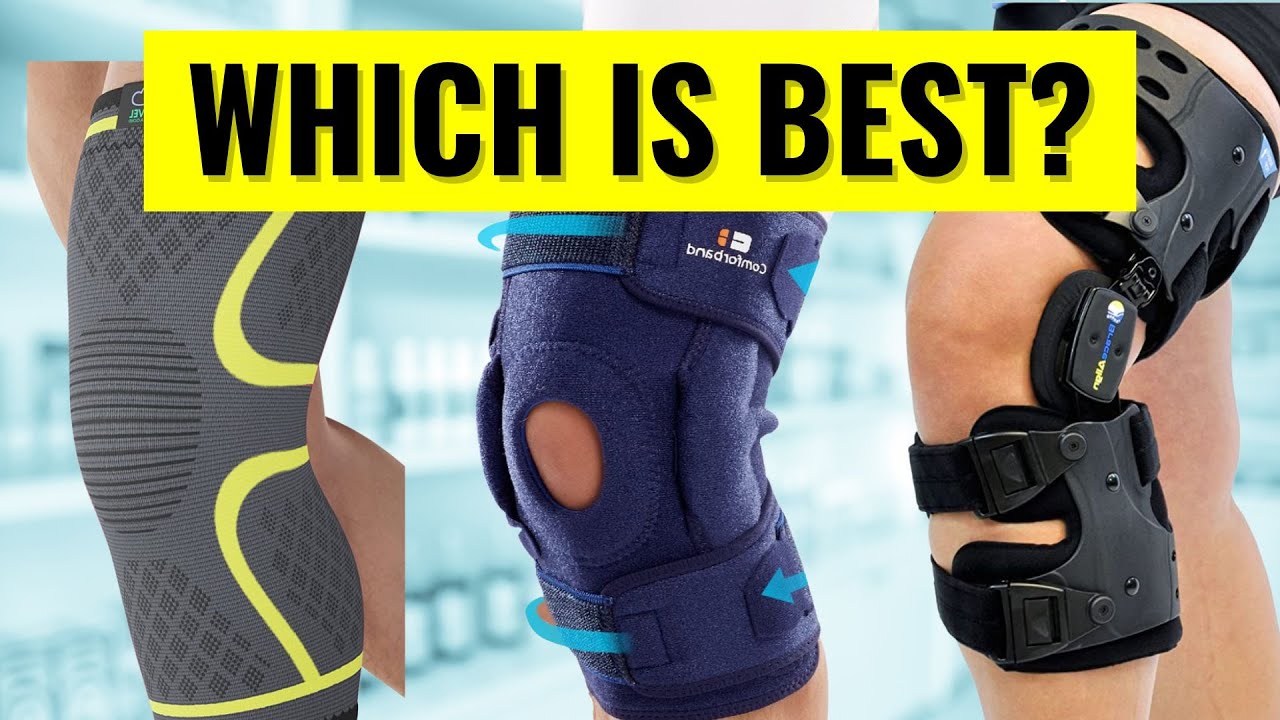
for many years decades and as a result there are several interventions that are available these include different types of shoes like minimal shoes uh shoe inserts like lateral or medial veg insoles knee braces and of course canes and other assistive devices unfortunately the evidence for any of these so far is questionable largely because most of the studies tend to provide provide the same intervention to all the participants and it's more likely that there specific patients who might benefit from specific devices but as of now we don't have enough information to be able to guide patients
toward the best device for them clinically I would say that the patients should discuss these options with their healthcare provider and see any of them are appealing to them because they're all safe and they are fairly inexpensive compared to some of the Alternatives that we have for osteoarthritis and in some parts of the world a special biomechanical shoe called apost shoe is available there is evidence from one well-designed study that this shoe could help in reducing pain for people with NEOS arthritis and there are also some recent approaches to teach people to walk a certain
way for instance walking with the feet pointing slightly more outwards or inwards or trying to put more pressure on the outside of the foot but there isn't evidence that these can be implemented by people in their daily lives and then the last thing I want to say about this is that the goal of several of these interventions is to try to reduce the load or the pressure on the knee and improve the ability of the muscles to support the knee when people are walking about so the first line treatment recommendations for NE osteoarthritis remains as
exercise physical activity and weight loss if a person is overweight or abusee so all of these interventions can actually potentially help with improving their gate as well typically when you become stronger you walk faster your step rate can increase and weight loss in particular is very affected for reducing pressure on the knee in case a person is obese or overweight superb I think it's wonderful advice and a great overview of uh the Interventional studies that have actually occurred in that space just before we move on to the closing question any further comments either on the
research Andor alternatively on the direction that which you're going to take this sensor style research and how that might impact either observational studies or clinical trials this is probably the fourth or fifth analysis I've done where we're looking at Gators and exposure with different outcomes we''re also looking at cartilage loss and uh widespread pain so basically any outcomes that we can look at longitudinally in in most we are are looking at those with gate yeah and our work David as I mentioned earlier we are shifting our focus more to how individuals are walking in the
community in the their daily lives so there's two things we are interested in doing there one is trying to understand how walking in the community is related to the disease like which aspects of walking seem most relevant for osteoarthritis and the second thing is to see if we can extract one or more measures of walking in everyday life that can potentially serve as potentially secondary digital endpoints for clinical trials of osteoarthritis as you know very well that measuring pain is the most important outcome but it has challenges so we are examining whether gate measures in
everyday life can provide more context or complement the pain measures that we get from patients in clinical trials yeah no I think it's a fascinating area and one that's definitely worth further investigation I mean the as you as you well recognize some of the limitations in the way we currently monitor symptoms and monitor disease Place great constraints on our future therapeutic development so I think advances in that space are are really warranted before I digress too much further Kathy and or deac do you want to just provide a piece of advice knowledge or wisdom for
people out there who are living with ostearthritis I'm just going to make a brief comment as somebody who was reluctant to use a cane or a walking stick um I don't have osteoarthritis but you can walk faster and you can walk further and so I don't know deac how many of the people that you look at have walking sticks but if you're trying to get more exercise this is something that I would personally recommend and so as you're doing studies of people walking I would recommend if it helps you keep your balance and be careful
as you're walking that that I think would be a good thing yeah no I agreed and it's something we've not actually spoken about on the podcast before so I really appreciate you bringing it up Kathy but just out of interest because there's obviously some research in this base both looking at the use of sticks and also Nordic walking poles do you use a stick or a Nordic walking pole I have a collapsable cane which can go on an airplane with me I'm not exactly sure what a Nordic walking pole is I have ones that have
little rubber tips on them and also you know like hiking poles or you could use them skiing yeah you know so the same thing right yeah just slightly longer than a typical walking cane d yeah I think that's a great point that Kathy ised I think particularly even if individuals do not want to use a cane all the time they can use it for exercise at least like walking exercise and the only other thing I want to say is that I think for people living with osteoarthritis taking ownership of their care is vitally important because
there are rarely like only one right answer or one right solution for this condition so the only way to do that is by education so learning about Osteo thus can allow patients to empower themselves and have productive and collaborative conversations with with their Healthcare Providers and there's several reliable resources for this including this podcast and the website that I think patients can use fantastic great way to close for both of you thank you so much for sharing a little bit of time with us the insights that you're getting and again congratulations on the wonderful research
that you're doing and the insights that it's providing and I wish you both a lot of future success in that space it's really really valuable and important thank you very much thanks David so as Kathy and deac explained really well there are a number of changes that occur in a person that has ostearthritis particularly in the context of worsening pain and declining function including the walking speed becomes slower the stride length can be altered there's reduced range of motion in the joints that are affected and I think it's really important for people to be aware
that that can occur in the context of osteitis often times people find it's more difficult to walk I think the critical thing is to be aware that this is occurring that osteoathritis more than likely is related to this and to seek help very early on in the piece because there's a range of different things that potentially could be helpful in this regard as deac explained towards the end of the podcast including particularly exercise to strengthen the muscles around the joint to improve flexibility and hopefully also to improve the balance that can be impaired in the
context of ostearthritis sometimes even pay medic medication can assist in this regard and as Deek was saying the core treatments here particularly as it relates to things like reducing weight considering the use of shoes or other devices like canes Walkers or braces might all be options in this regard and so please go along and talk to your health professional about options here the other important point that we didn't really touch upon is to think about pacing or activity modification so pacing your daily activities to make sure that you can get done what you want to
do in a day by spreading it out over the course of the day and potentially also thinking about ergonomic adjustment so you know thinking about modifications that you might make to the home or work environment to minimize this stress and strain that you are putting on a joint not to suggest you become sedentary because here motion is lotion and we want you to remain as active as you can so thank you again for the opportunity to speak to you today about a topic which we hope is really gerain and important to your lived experience with
ostearthritis everybody walks um but in the context of ostearthritis that walking can become more challenging and so we hope that this information is helpful in informing you about walking limitations and what you can do about those walking limitations thank you again so much for your support of the podcast the opportunity to spend a little bit of time with you today and between now and when we next have an opportunity to interact please do look after to yourself thanks for listening to Joint action with David Hunter if you like our show and want to know more
visit www.join action.in if you have any questions you can email us at hello joint action.in and follow us on Twitter at joint action [Music] org this podcast was hosted by David Hunter edited by Vicky dang music produced by Jordan Hunter the information posted on this podcast is not intended to diagnose treat cure or prevent disease anyone seeking medical advice should consult a health professional [Music]