cells like these procaryotic eoli cells replicate themselves quickly and efficiently part of the process of asexual reproduction is the ability of cells to make identical copies of their DNA before cell division occurs procaryotic cells that reproduce by binary fision rely on the fast accurate process of DNA replication to ensure future generations of cells will have the same genetic structions as the parent cell the structure of DNA AIDS in the speed and accuracy of replication double stranded DNA is a polymer of two strands of nucleotides which are hydrogen bonded to each other to form a double
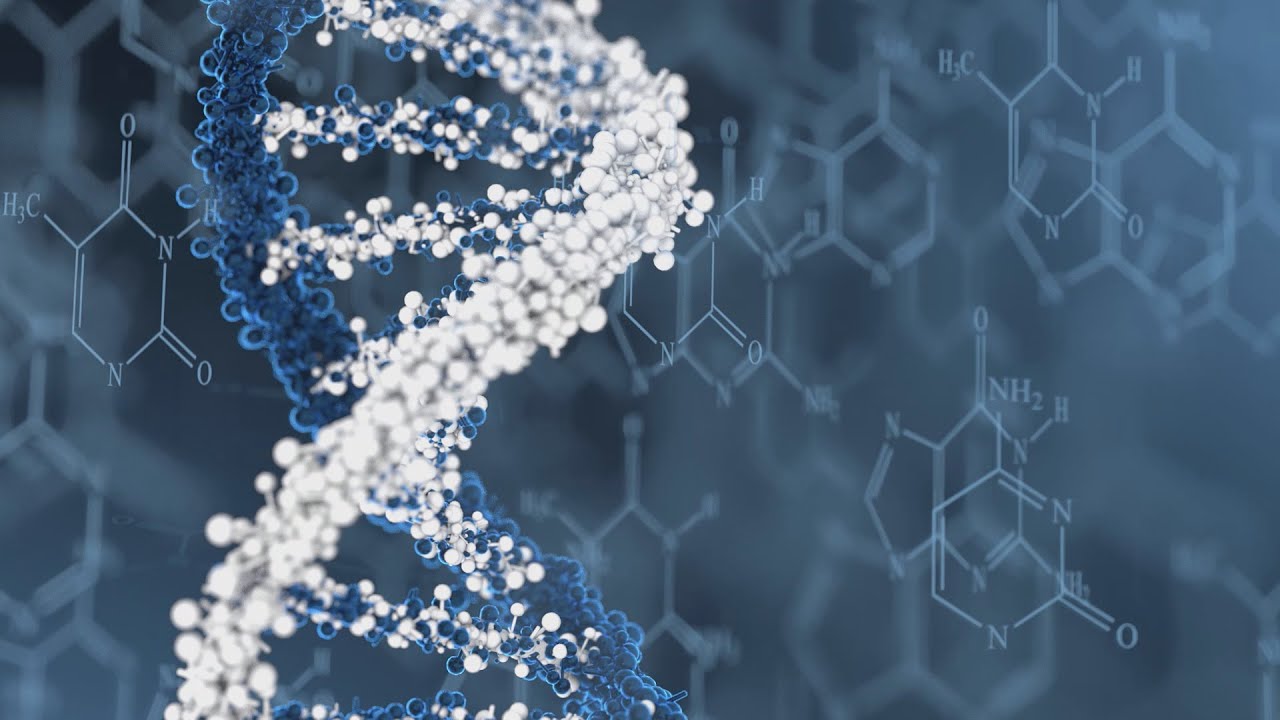
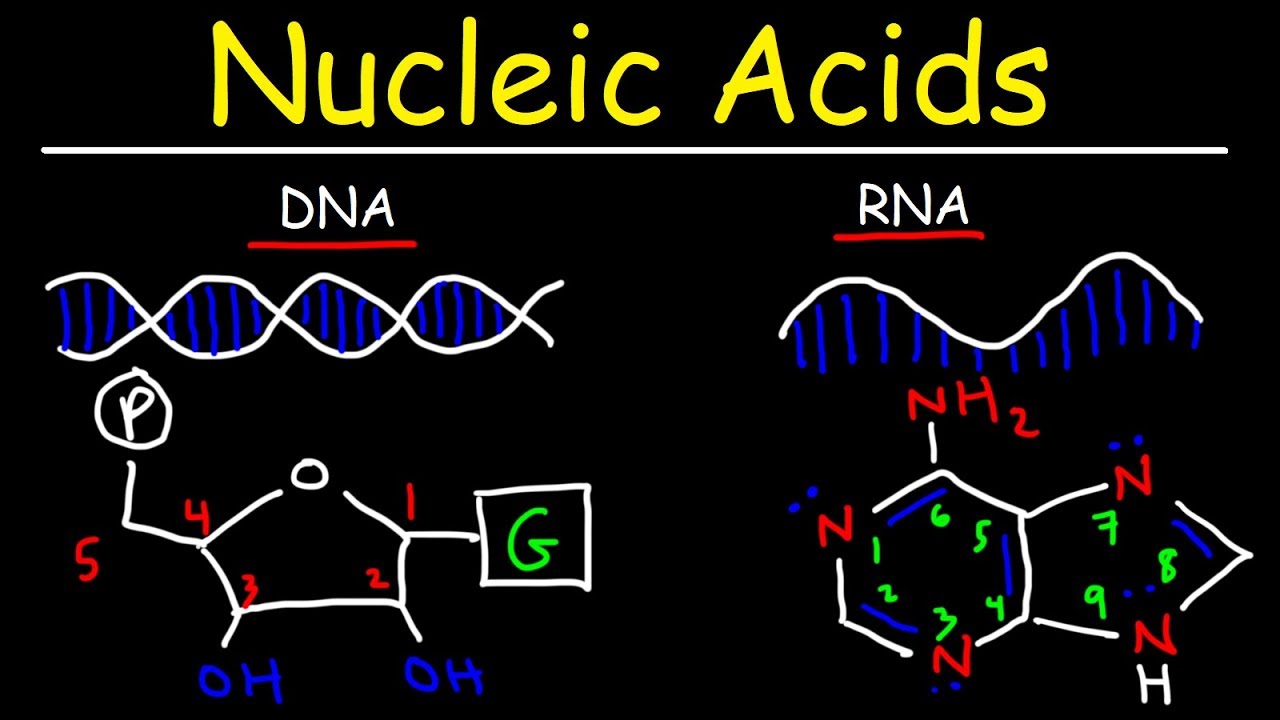
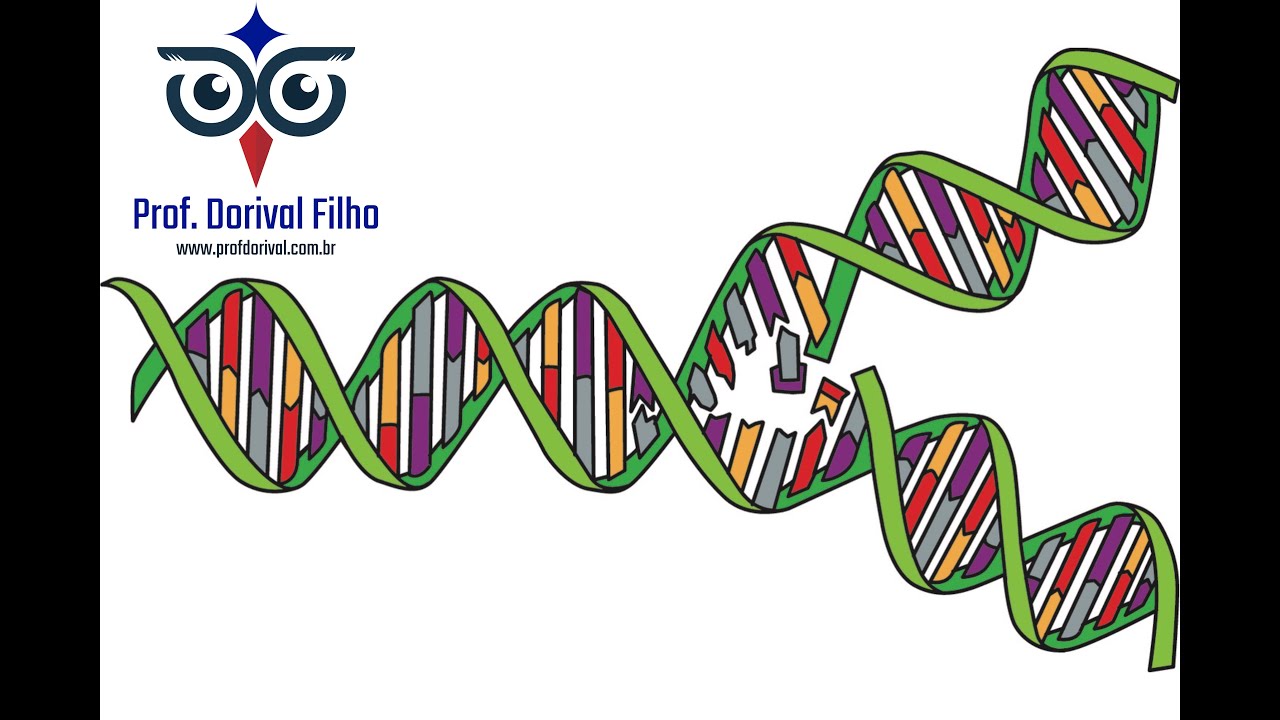
helix nucleotides are molecules that consist of a deoxy ribos sugar a phosphate and one of four nitrogenous bases the phosphodiester backbones consist of alternating sugar and phosphate groups the nitrogenous bases include cytosine thyine adenine and guanine cytosine forms three hydrogen bonds with guanine and thyine forms two hydrogen bonds with adenine this is referred to as complimentary base pairing the double helix will have one strand oriented in a five Prime to three prime Direction relative to the hydroxy group of the deoxy ribos sugar and the other strand oriented in a thre Prime to 5p Prime Direction
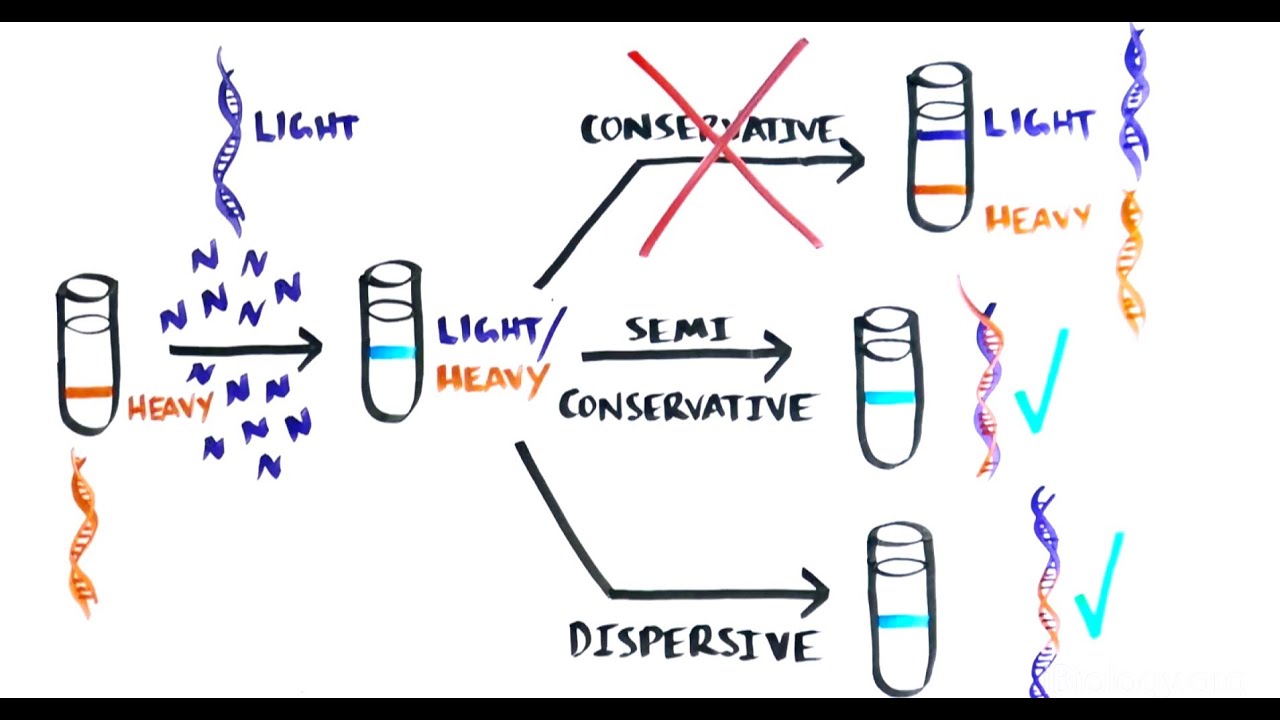
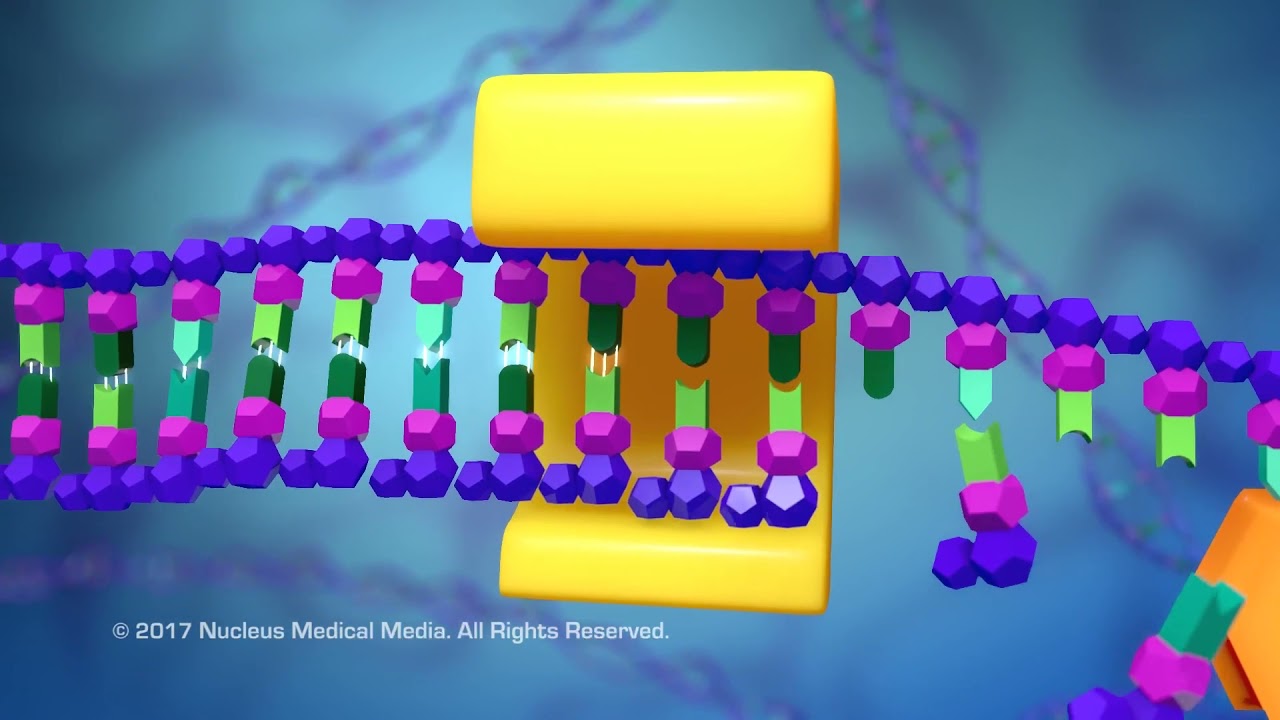
this shows the anti-parallel nature of the DNA strands the complimentary base pairing in the structure of DNA allows replication to be executed in a semiconservative manner each strand of the DNA molecule is used as a template in the creation of a new double strand replication begins with double stranded DNA being separated and each original strand called a parent strand is used as a template for the complimentary base pairing of nucleotides to make two new molecules DNA replication occurs in the five Prime to three prime Direction adding new nucleotides to the three prime end of the
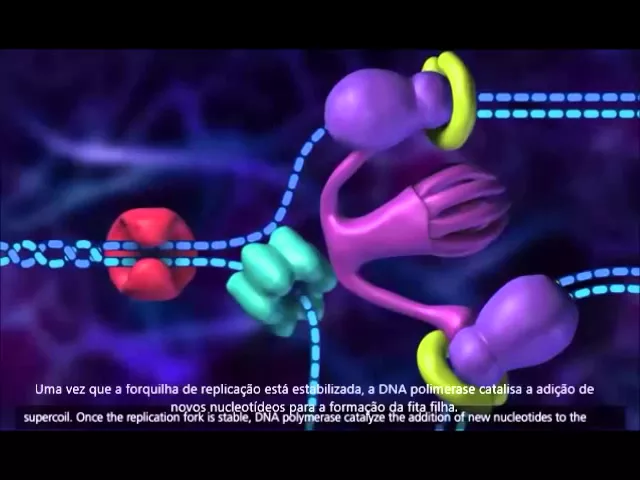
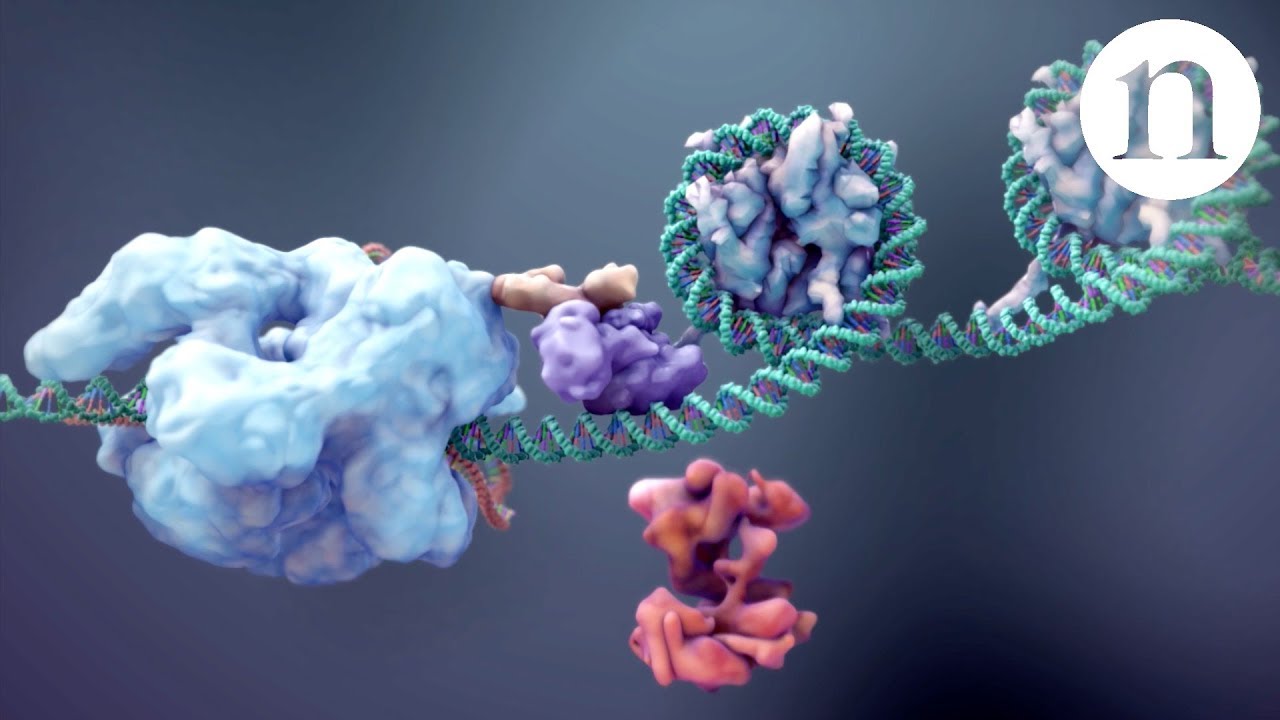
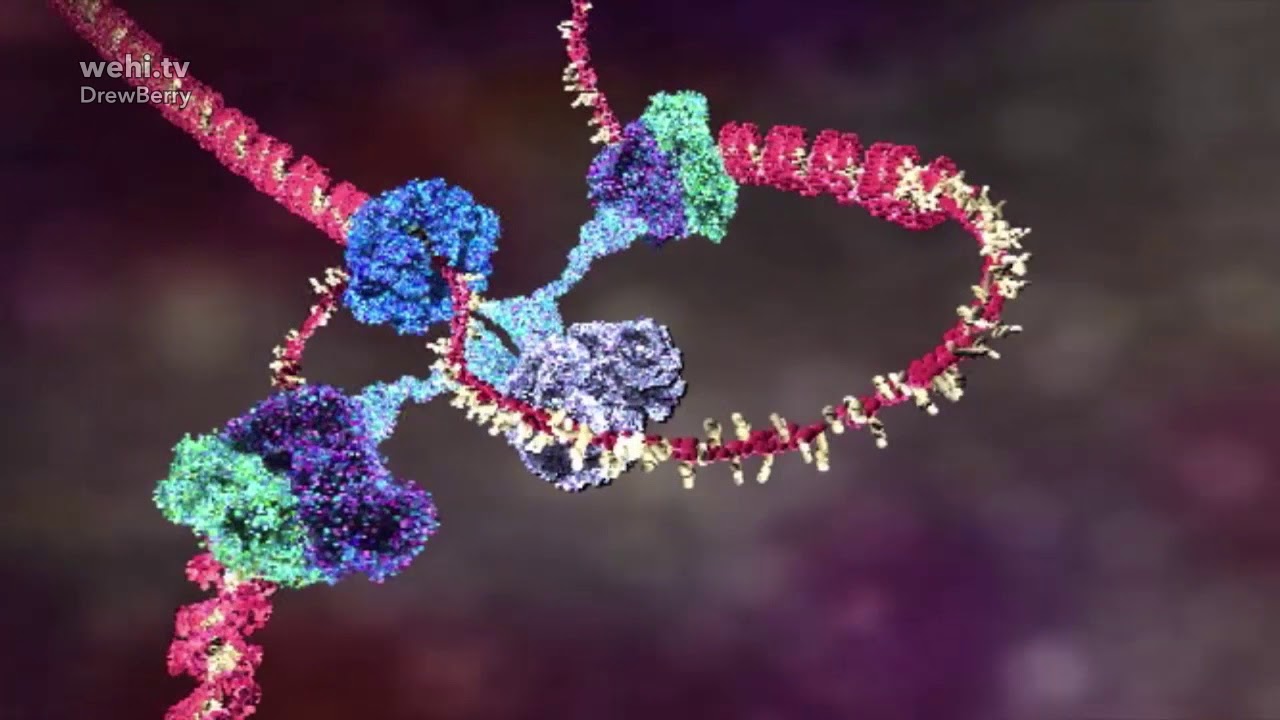
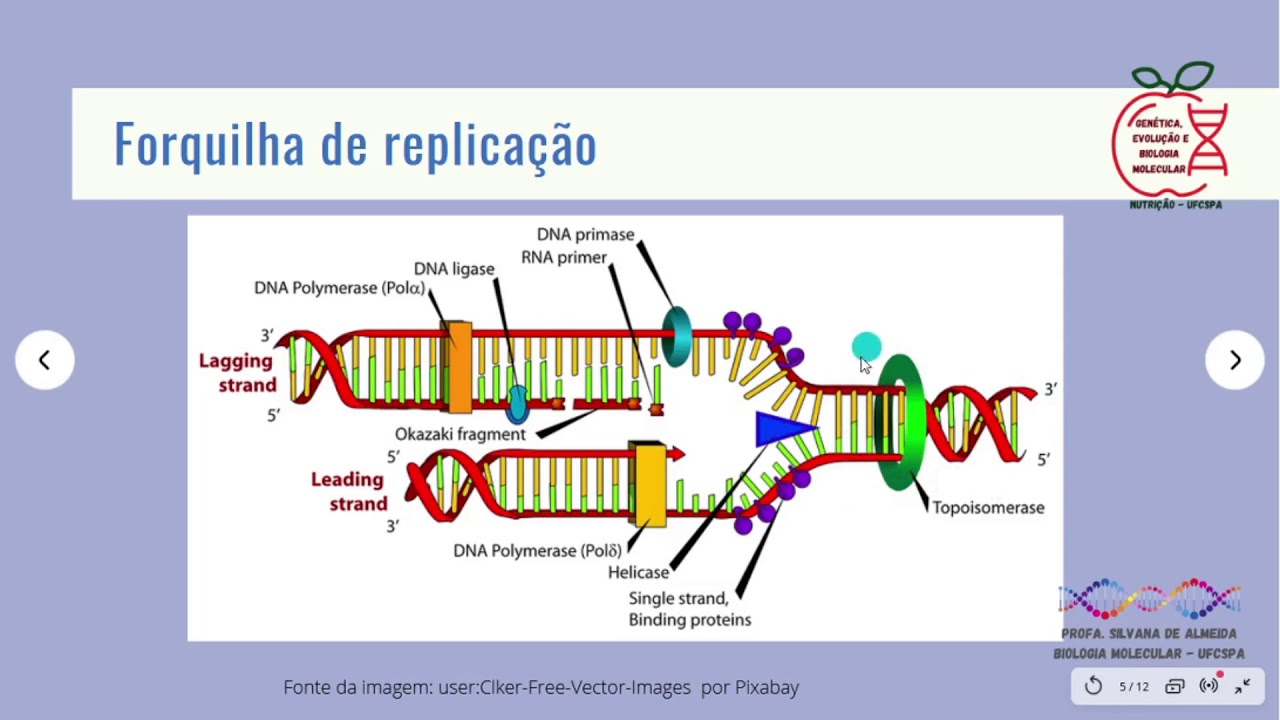
newly forming strand DNA replication will begin at a specific area of the molecule called the origin of replication the origin of replication denotes the area of active replication called the replication fork in order to understand how complex eukaryotic organisms replicate DNA scientists first studied replication in procaryotic models like eoli a number of enzymes are needed for replication to proceed once the repli application Fork is established helicase separates the strands of the double helix and single stranded binding proteins stabilize the newly singl stranded regions DNA gyas is used to make sure the doubl stranded areas outside
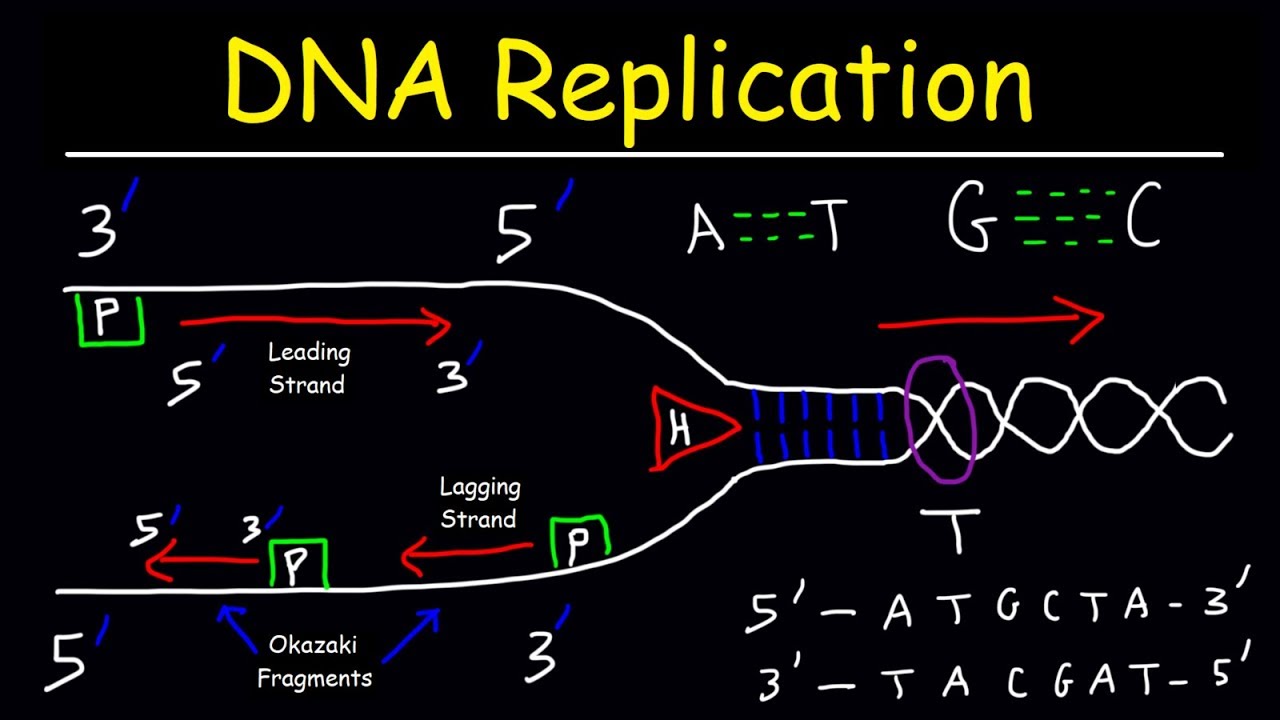
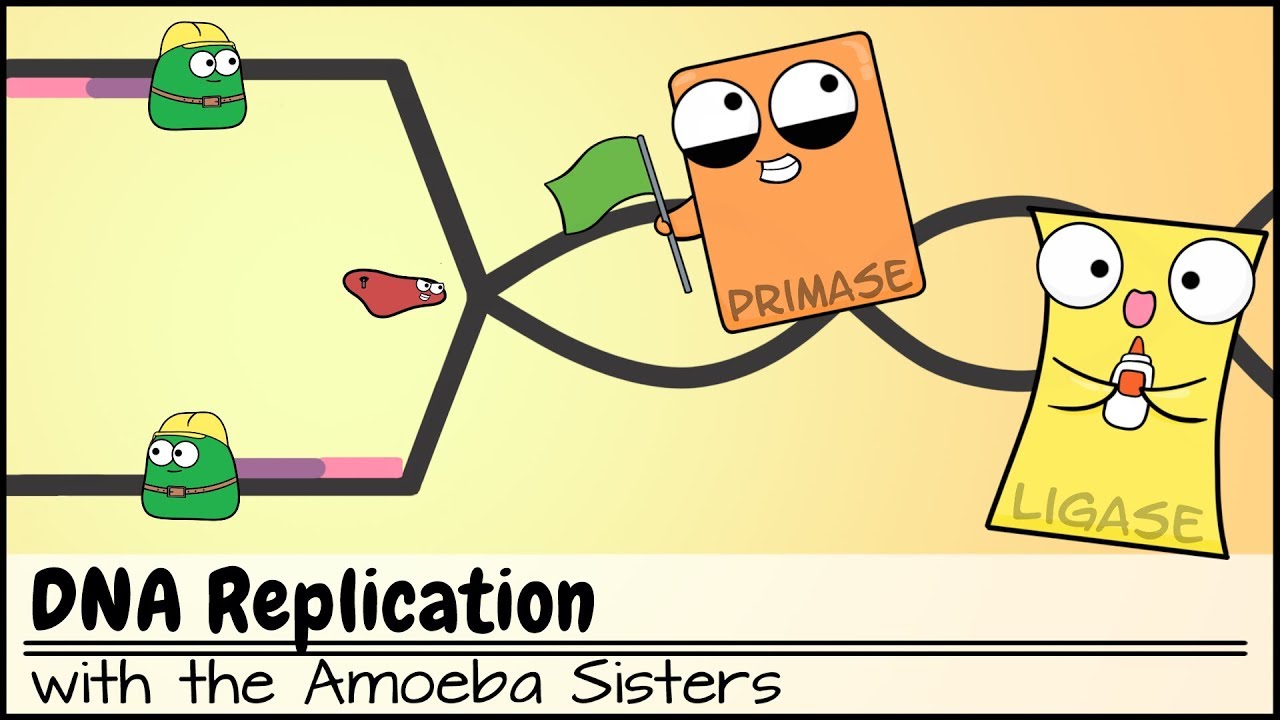
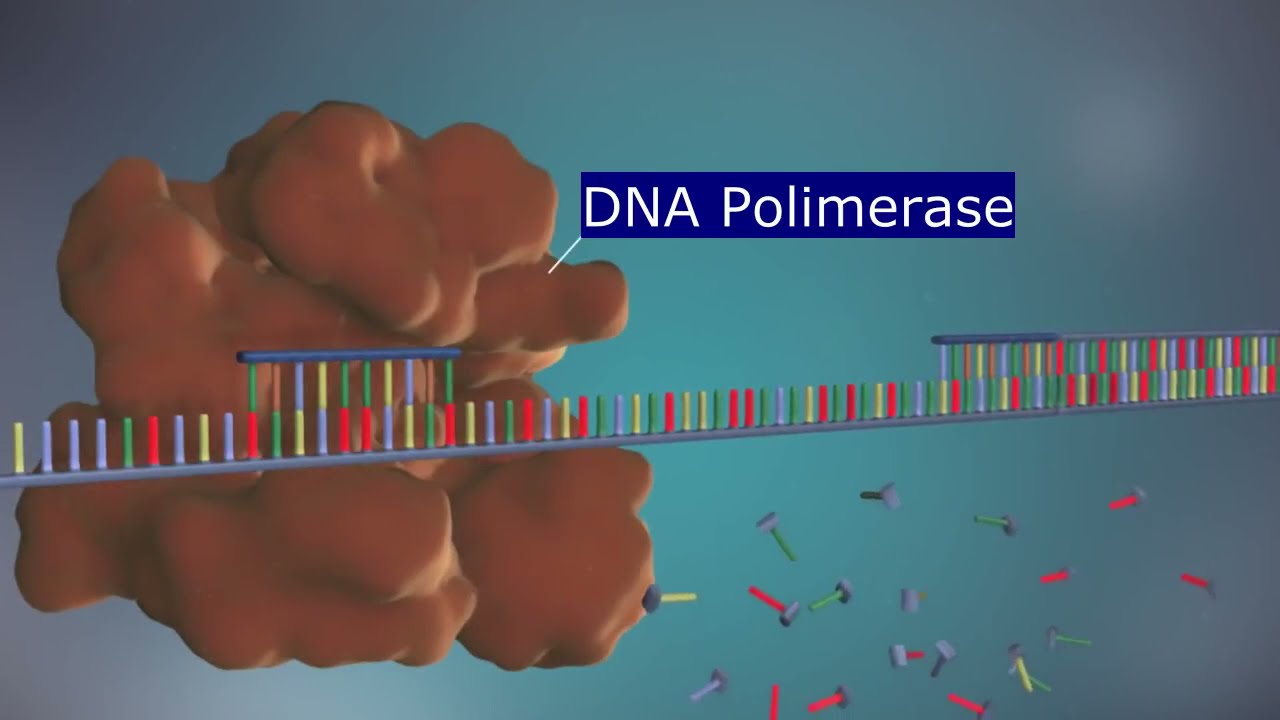
of the replication fork do not super coil once the replication fork is stable DNA polymerase catalyzes the addition of new nucleotides to the growing daughter strand other proteins such as beta clamps and the clamp loader help hold the DNA polymerase in place on the DNA short sequences of RNA called primers have to be paired to the template strands by the enzyme primase because DNA polymerase cannot begin to add nucleotides without a primer replication of both strands occurs at the same time one using continuous synthesis and the other discontinuous continuous synthesis occurs on the three prime
to five Prime oriented parent strand referred to as the leading strand new nucleotides are added to the three prime end moving continuously toward the expanding replication fork discontinuous synthesis occurs on the parent strand that is oriented 5 Prime to 3 Prime called the lagging strand and is completed in segments called okazaki fragments replication on this strand uses primase to add primers ahead of the five Prime end of the lagging strand DNA polymerase 3 then adds short sequences of nucleotides the okazaki fragments to the primer filling in the Gap as the Helix is opened further this
process repeats until the entire strand is replicated DNA polymerase 1 replaces the RNA primers with DNA nucleotides and DNA ligase is used to ensure bonding between the fragments and the replaced nucleotides once both the leading and lagging strands have completed their replication two identical copies of the DNA molecule result the process of DNA replication allows actively dividing bacterial cells to make sure all daughter cells have the same genetic instructions as the parent cell allowing them to function in the same manner thus bacterial populations can grow increasing the number of individuals in a colony