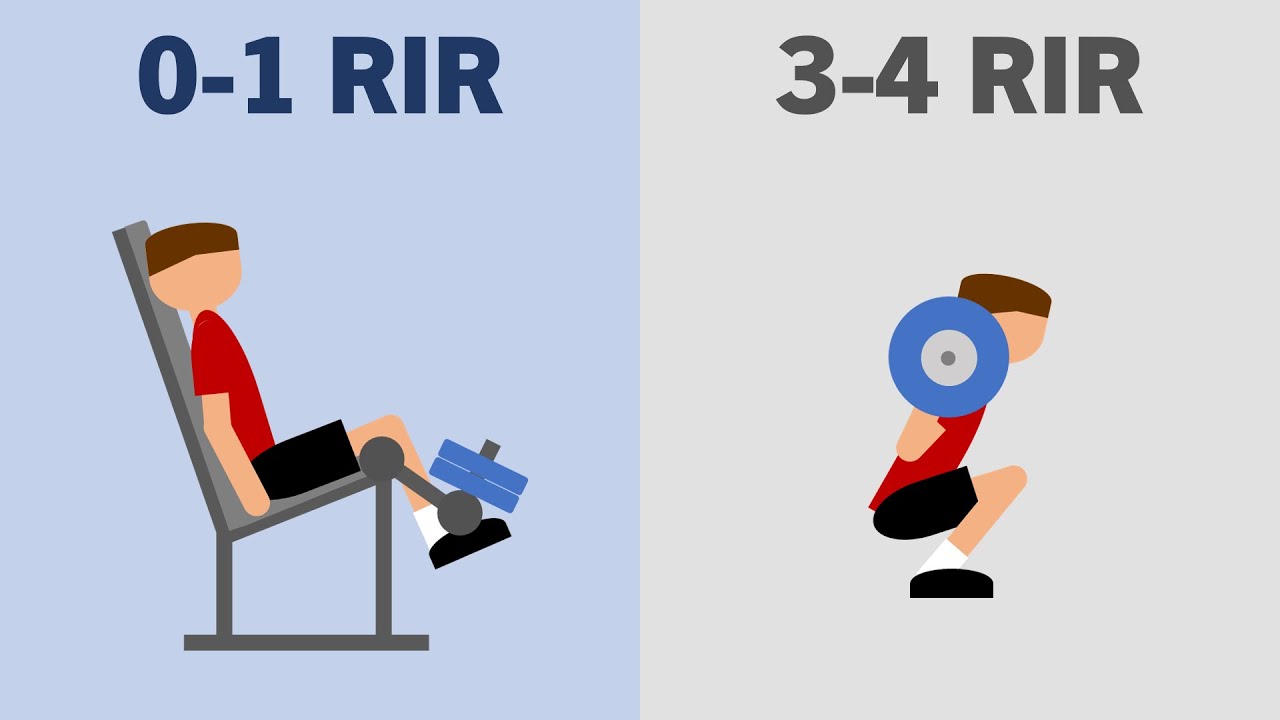
hi everyone peter here from flow high performance and in this video we will cover what training to failure really means and what implications this has for hypertrophy training [Music] first we need to establish why defining failure is even necessary for hypertrophy training this is important because we often prescribe exercise via its proximity to failure this is usually quantified using the rpe or reps in reserve scales these scales use numerical values that requires the trainee to subjectively estimate how close to failure they were during a given set 0 reps in reserve or rpe 10 means no
more reps could have been performed one rar or rpe9 means one more rep could have been performed two rar or rpe8 means two more reps could have been performed and so on these scales can be used to prescribe hypertrophy training for example we may program three sets of incline dumbbell press with one to two reps in reserve this means the trainee would take each set one to two reps before failure with whatever load is relevant for the trainee so as we can see we need to know what failure is so that it can be the
reference point for each set trainees need to know what the point of failure is otherwise how do they know what one to two reps in reserve is therefore it is important to define failure to ensure the trainee understands what proximity to failure is based on so the issue is that there is no universal definition of what training to failure means in all scenarios rather how we define failure will depend on our understanding of the term and how it relates to our training goals however we need to establish one consistency between the different types of failure
that is that failure is specific to each set once we hit our defined version of the failure for that set the set is over and any training after that can be considered a new set let's now cover the various definitions of failure and how they relate to hypertrophy training the first dichotomy regarding training to failure is absolute versus technical failure these two types of failure training are quite different and may be more or less relevant for different types of training the first form of failure we can call absolute failure this refers to training to failure
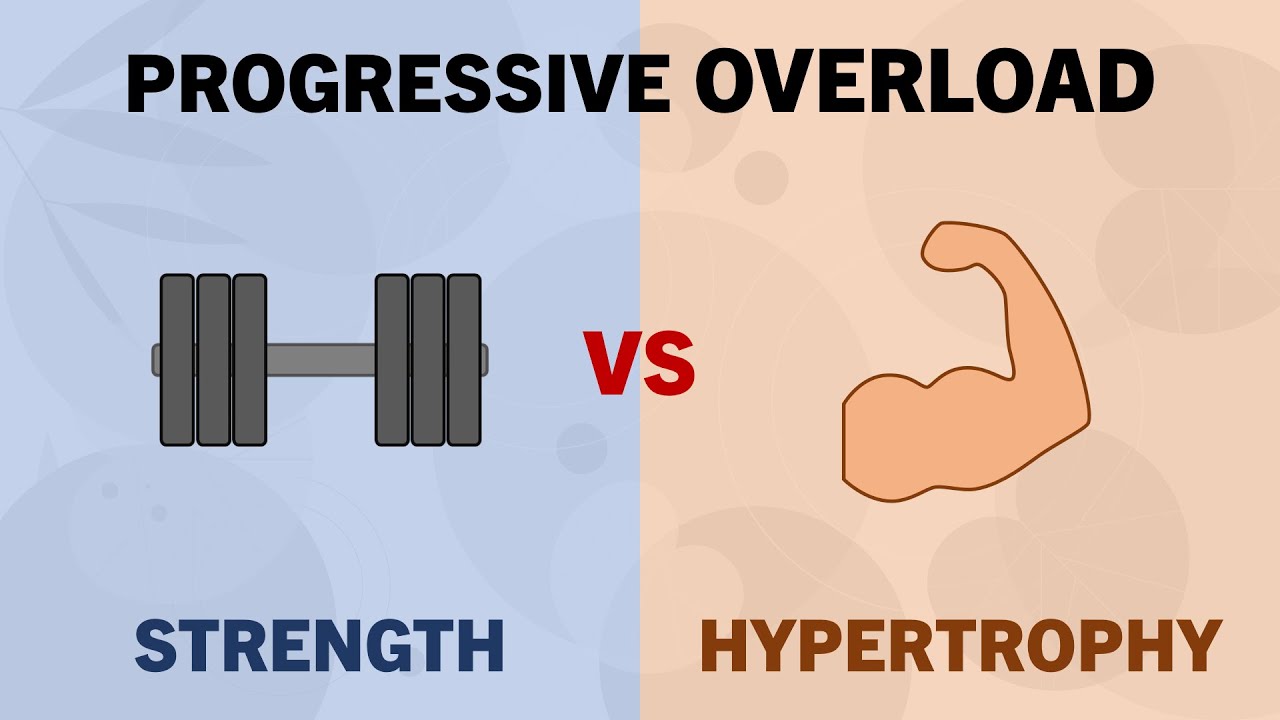
with whatever technique is necessary so failure is reached when the trainee physically fails to move the load with maximal exertion this form of failure is probably more relevant for strength training when the goal is to maximize load lifted this means it doesn't really matter what technique is used trainees are only concerned with lifting the most weight possible however this is probably less relevant for hypertrophy training since we aren't as concerned with load lifted we are more concerned with muscular stress therefore this type of failure training may allow us to lift more weight or perform more
reps but it probably doesn't maximize stress on the target muscle for example a trainee may want to use this absolute failure as a definition when performing power lifting style squats or deadlifts as these trainees want to see how far they can push performance irrespective of technique however absolute failure may not be the best method to implement when performing bicep curls for example this is because not only are we limiting tension on the biceps by swinging the weight around but the point of absolute failure is also very vague it is difficult to know when we have
even reached absolute failure do we allow a little momentum lots of momentum or whatever it takes to continue lifting the weight until we are physically exhausted the other form of failure is technical failure this can be defined as a failure to continue lifting within specific technical constraints usually this means lifting with strict and effective technique until you can no longer lift with that same strict technique if you break form to continue the set then you have already reached the point of technical failure technical failure is more relevant for hypertrophy training as failure is achieved when
the target muscle fatigues this ensures each set involves the target muscle as the limiting factor rather than any other muscles or systems however technical failure can also be somewhat subjective this is because there is no universal best technique so there is no real objective definition of what technical failure is rather trainees need to experiment with slight variations in technique and find what seems to produce the best hypertrophy response this is likely going to be an ongoing endeavor throughout a trainee's entire career as trainees generally become more effective with lifting technique as they gain more and
more experience therefore trainees must adapt over time and find what technical failure really means specifically for themselves from an individual standpoint another form of failure that doesn't really fall into either category is beyond failure training this can be defined as training to either absolute or technical failure then modifying a variable to continue lifting there are many ways to achieve this effect like changing variables such as technique load range of motion tempo using rest pause reps clusters or performing assisted eccentrics for example a trainee may reach technical failure on seated cable rows then change technique to
reach absolute failure then perform partial range of motion to failure once again in this case the trainee reaches failure three times in a sense however for this video we aren't counting beyond failure training as a form of failure this is because we initially define training to failure as specific to each set so if some variables need to be changed in order to continue lifting this can be considered the end of one set and the beginning of another set otherwise if we start to mix and match different forms of failure in the same set it becomes
very difficult to quantify volume for each muscle group the next dichotomy we need to differentiate is true muscular failure versus zero reps in reserve there is not much difference between these two factors and it practically makes little difference which definition we use however we will still differentiate between them to ensure our reference point for failure is as accurate as possible true muscular failure is probably the most commonly thought of idea when mentioning training to failure muscular failure is when the trainee physically cannot complete the last repetition of that set that is they failed to perform
another rep so the trainee attempted to perform another rep but they were physically incapable of producing enough force to overcome the resistance for example a trainee may perform 10 bicep curls and then fail on the 11th rep this means they took that particular set to true muscular failure the other way we can define the point of failure is using zero reps in reserve this is not technically training to failure rather it is training to the point of failure and stopping just before it is reached zero reps in reserve refers to lifting until the trainee thinks
they cannot perform another repetition for that set stopping before they actually fail the repetition so the trainee doesn't actually hit true failure they stop the set when they think they cannot perform another full repetition for example let's say the same trainee performed bicep curls for a set of 10 with zero reps in reserve if they tried to perform the 11th repetition they would have failed so they stopped the set after the 10th fret neither of these definitions of failure are inherently superior for hypertrophy training there is only a very small difference between them and trainees
can self-select whichever definition they prefer to use as long as this is held constant with all sets over time then the exact definition of the failure point is not going to make much difference so now we have described the different definitions of failure however failure will also be influenced by other variables too let's now cover what variables can influence the point of failure and how they relate to hypertrophy training the first is motivation this refers to short-term arousal and intent to lift simply put if a trainee is more motivated to train they are more likely
to push harder before reaching failure with whatever definition we use if a trainee is less motivated they may perceive the point of failure as an earlier point in the set training motivation can fluctuate based on the time of the year during different weeks on different days and for different exercises it is almost inevitable that motivation will dip and rise at different times throughout a trainee's career while this doesn't really have much practical application it should just be understood that the point of failure will be influenced acutely by motivation levels another factor which will influence the
point of failure is exercise selection different exercises have more noticeable points of failure compared with others some exercises are difficult to objectively assess the point of failure while others are more clear for example a seated cable row is generally quite difficult to assess the point of failure for some trainees this is because even very slight deviations in technique can allow the trainee to perform drastically more repetitions in that set furthermore trainees can often continue to perform the movement without necessarily engaging the back muscles maximally however an exercise like a machine chest press is much more
objective in its point of failure this is because the seat supports the back so leverages and momentum cannot be changed and the machine can only be moved in one specific movement pattern so the exercise relies pubely on muscular force from the pressing muscles so when a trainee reaches the point of failure it is a much more distinct point that can't be deviated and the last factor which can influence the point of failure is lifting technique what technique we use will determine what point we define failure like we have mentioned absolute failure refers to lifting with
whatever technique is required until failure is reached while technical failure refers to training to failure within specific technical constraints therefore if the same trainee performs the same exercise to failure the point of failure may be different based on what technique is used for example let's use a back squat if a trainee aims to lift as much load as possible for as many reps as possible then they may use a more low bar style technique and a greater forward lean training to failure using this technique will involve grinding out reps until they physically cannot lift the
weight any longer however a trainee who is squatting to hypertrophy the quads may use a more upright high bar style with full depth and a control tempo in this case the point of failure is defined by when the quads fatigue and give out as we have mentioned it is probably best to define failure with strict technical constraints for hypertrophy training this is to maximize stress on the target muscle while minimizing joint stress and systemic fatigue to summarize this video let's establish some practical applications of failure training firstly it is important to define what failure means
so that we have a reference point for exercise prescription the point of failure can be defined in different ways and certain definitions may be better suited to different training goals for hypertrophy training it is probably best to use technical failure as a definition rather than absolute failure however it doesn't really matter if we use true muscular failure or zero reps in reserve as a cutoff point as long as we choose one and keep it consistent failure will also be influenced by factors like motivation exercise selection and technique which may result in some slight fluctuations over
time thanks for watching and hopefully you got something out of this video remember to subscribe if you haven't [Music] already