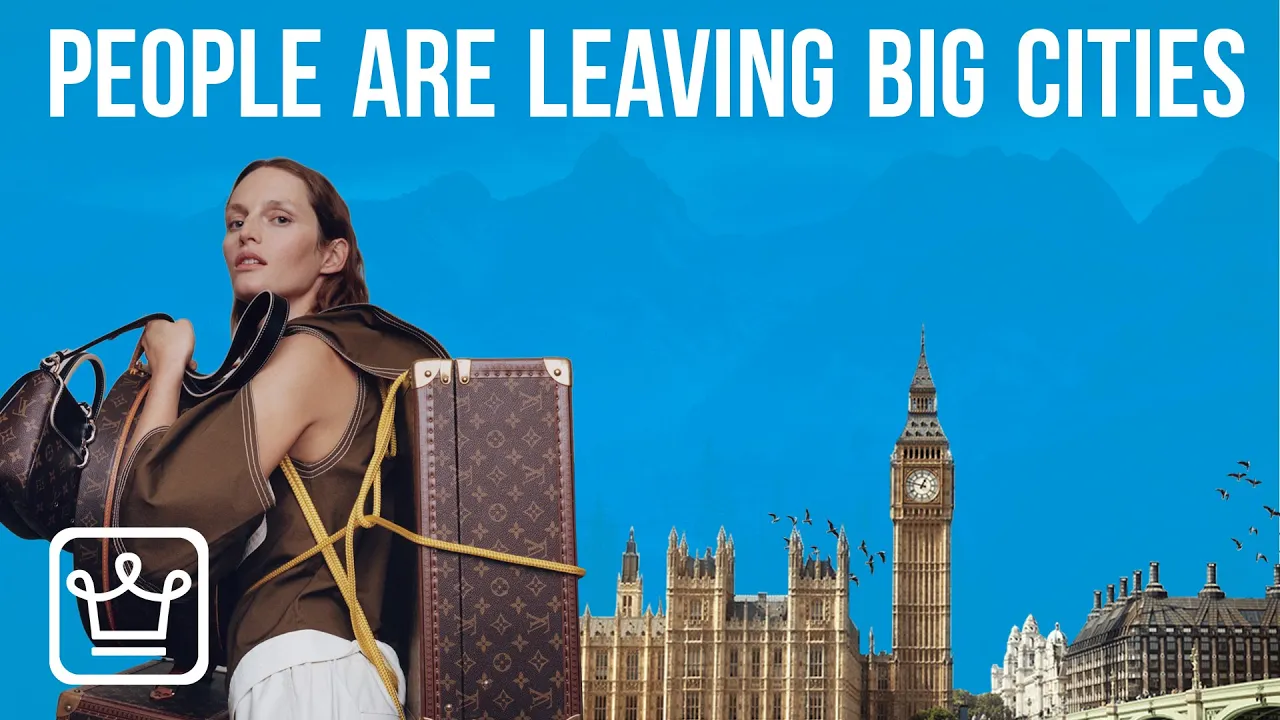
you know the saying never let a good crisis go to waste well it's been true for a lot of people over the last two years no longer tied to a physical job and with a newfound love for the outdoors we've been seeing shifts in human behavior it's almost like we're going full circle from urbanization and flocking to cities all mass to de-urbanization and leaving them behind in favor of rural regions today we're taking a look at 15 reasons why people are done living in big cities number one they can work from anywhere if they're not
working in retail or manufacturing or other job fields that require physical presence anywhere with a stable internet connection is good enough remote work was already gaining popularity before covid but it's proven its efficiency thanks to the pandemic well managers might not have been on board to have employees working from home all the time the pandemic kind of forced their hand and now here we are almost two years later and working from home is just the new norm for a lot of people so why not have that home be out of the city where you can
actually afford a backyard for your dog to happily play around while you work number two the cost of living is too high a lot of factors go into the cost of living including gas money parking average lunch expenses but the fact of the matter is housing has the biggest impact on a person's budget and while living in a big city has its advantages you can now live just outside of city limits and pay a third of the price without the stress of the daily commute or virtually anywhere in the world given the company allows for
overseas contracts a job in san francisco or new york no longer ties you down to the high rent prices in these cities and gives you more freedom to put money toward investing number three everything you need can be delivered to you even a few years ago ordering your groceries or food and clothes was more of an exception than the rule but once the pandemic hit demands for e-commerce and delivery services went through the roof leading to a lot of upgrades and streamlining making the experience better overall these days it doesn't matter much if you're living
in a city center or the rural outskirts if you have internet and a delivery address most things can come to your door and now that so many businesses have switched to online sales it doesn't look like things will revert back anytime soon number four we're done wasting time in traffic jams big cities don't just cost you lots of money they cost time your most valued resource research shows that commuters waste around 40 hours a year in traffic jams the numbers differ slightly between studies but the average is about a full weekend a year sitting in
traffic relocating outside of the city might have you commuting casually to go to meetings or to events but that's a fair trade-off to avoid daily traffic jams number five too much pollution in many of the world's major cities air pollution is a severe issue endless traffic with unregulated emissions in some cases leaves many places with smog in the sky not sun in some places like beijing it can be so bad the air quality doesn't measure up to the world health organization's standard for human safety the pandemic has made all of us more health conscious so
it makes sense why so many of us are choosing to leave city smog behind number six it's too crowded of course big crowds are what big cities are made of cars people buildings all concentrated in one area to bring everyone closer to the action but once the pandemic hit people started realizing just how problematic all these crowds can be a lot of people in one place means you're more exposed to viral infections and diseases once people made a switch to wider spaces and more rural living you know what they realize they kind of love it
which is why we're seeing such a redistribution of the population that stands to be beneficial in the long run number seven people want more living space sure living in a big city has a lot of advantages but asks were a lot of compromises too because large cities are really crowded and overpopulated living spaces are limited and if you're looking for something bigger there's a huge cost attached to it when you move to smaller communities it's not only simpler to afford a larger home but the great outdoors mountains rivers and forests could almost become an extension
of your backyard lockdowns and working from home really prove that having more living space and a place to go for a nice walk is essential making many folks never want to go back to city life number eight there is little to no sense of community throughout the first year of the pandemic we saw remarkable acts of generosity spring up in neighborhoods and towns things like pop-up food pantries and teddy bear treasure hunts kovid redefined neighborly behavior whether it was giving an extra roll of toilet paper running errands for the elderly woman next door or growing
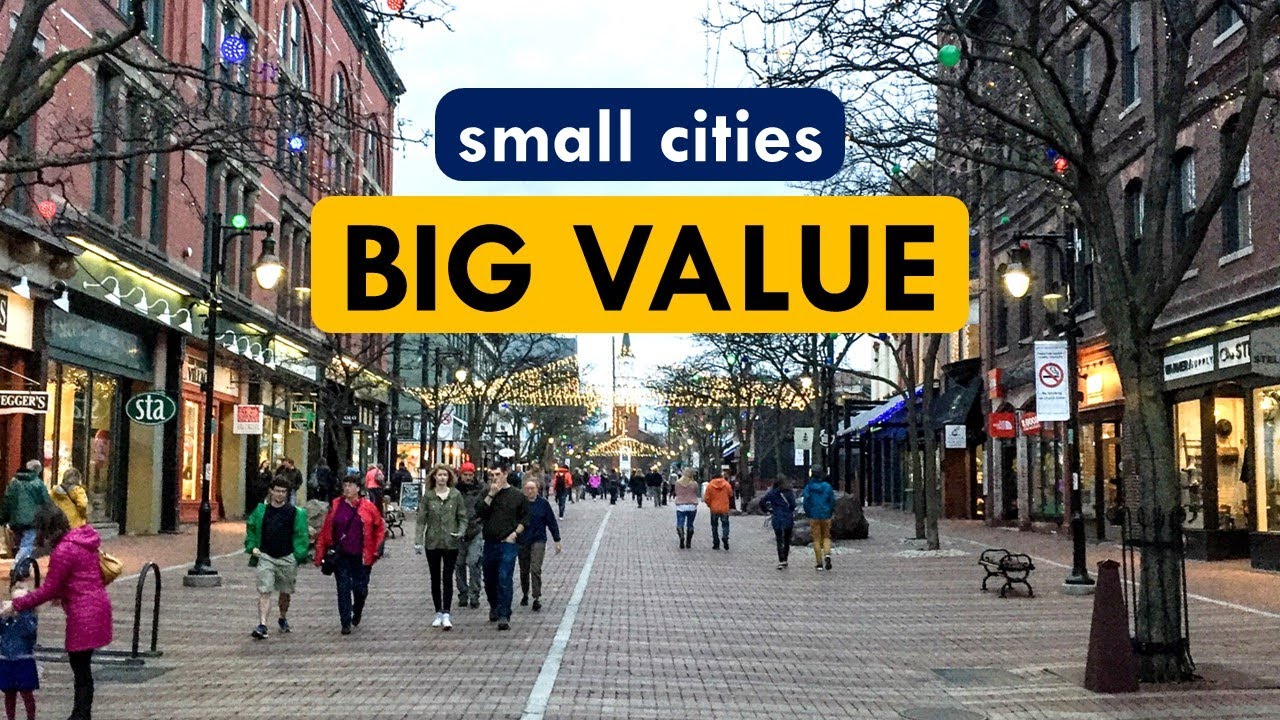
extra veggies in your garden to share the harvest with friends these tight-knitted communities tend to form in smaller cities rather than in big busy ones and once life became more isolated this came sharply into focus for a lot of us number nine better housing options exist outside of large cities in general large houses in lovely green open spaces are generally more expensive than small flats and houses in smaller town centers however big cities are a bit different apartments and houses here often cost more than that spacious home in a small town with housing costs in
city centers at all-time highs people are increasingly looking to the suburbs and beyond for their first home especially now with the daily commute going from your kitchen to your home office so like 20 steps tops number 10 there's too much noise urban noise pollution continues to rise which contributes to stress anxiety and even health issues many city inhabitants are eager to relocate to get their own piece of peace and quiet away from the constant buzz of the city this is especially true for parents with small children and those approaching retirement age but also for people
recovering from burnouts and intense levels of stress and by the way if you're looking for ways to handle your stress better make sure to watch our video 15 ways to be less stressed by clicking in the top right corner number 11 general health suffers in cities once the pandemic struck health and well-being became more and more important to everyone and where there are big crowds the chances of getting sick rise which is why a lot of people moved out starting in 2020 but even before kovid research showed that living in a city is harmful to
your health because it exposes you to increased amounts of air and noise pollution moving out of cities in the quest of finding a healthier environment guarantees improved air quality fewer cardiovascular diseases and less stress additionally time spent in nature and doing outdoor activities all contribute to enhanced mental health number 12 city crime rates are higher looking at the figures it seems that crime levels in big cities are always higher than that of rural areas which makes sense because there's just more people robbery theft street crimes these have all become daily occurrences in some of the
biggest cities especially when the crowd helps you to blend in commit crimes and slip away of course smaller rural areas are not protected from crime but with communities better knitted together and just fewer people overall the chances decrease if everyone knows everybody else it gets a lot easier to suss out who stole your tractor number 13 too much stress and anxiety cars lights people noise everything in a big city moves fast and there's little time to stop and catch your breath while there are benefits to living in a big city it might have a negative
impact on mental health researchers discovered that urbanites are 21 more likely than rural people to have anxiety disorders and 39 more likely to have mood disorders this is a big reason why many are flocking away from large cities to protect their mental health and improve their well-being number 14 to rejoin family in rural settings people often move away from home to find better opportunities better jobs and overall to improve their lives however this sometimes means sacrificing time with family and moving away from people they love once the pandemic hit a lot of people moved back
home either with or close to their families after almost a year of living there some realize that being close to family and old friends makes their lives easier and they're happier overall and wish to stay with opportunities now more accessible through remote work more people can skip out on sacrificing their family time number 15. their friends are also moving it's easier to make big changes when others close to you are doing it too for all the reasons listed so far people are choosing to majorly change up their lifestyles they're leaving behind great cities for a
life closer to nature in smaller communities it's not an easy adjustment to make but when you see someone close to you was able to adapt the way you wish to do yourself it gives you an added boost of courage to see it through so what about you a lock sir are you thinking about making a big move or maybe you already have let us know in the comments what's the one thing that would make you leave city life behind we can't wait to hear what you have to say so join the conversation and since you're
still here with us of course there's a bonus waiting for you one more reason folks are packing it up and moving to smaller towns number 16 there's more space between you and your neighbors let's be real in a city you don't have a lot of personal space you have to share public transportation working spaces and living space whether you have an apartment colleagues or not you still have to deal with neighbors all around and let's be honest sometimes they're the ones adding to all the stress anxiety and noise levels a great plus for moving outside
of the city is you usually have fewer neighbors and they're often living further away they're down the roadways not right next door or right above you which is a great bonus to rural living on top of everything else you