tips for new leaders that's the title of the video tutorial for the day and let's move on to understand not just the course overview but what expectation management is for this specific video that we are going to talk about moving further to the course overview we will certainly have an introduction part attached to this particular topic that is tips for the new leaders with specific fight tips been allocated for the new team leaders I mean there's a specific word that we are you know laying across stating that for the new team leaders because they are
in a transition role they're in transition role of just being promoted to a level where they are supposed to influence lead people so that's where the whole point comes in in terms of suggestion learning and reflecting upon what they have learnt to go back and apply the leadership skill tips to excellent new leadership's a role this is something an emphasis to talk about what are the basic you know factual information that can help you to succeed in the role of being a new team leader or a new leader for that matter tips for new leaders
in the first hundred days well there have been a lot of emphasis that have been laid for the first hundred days for the role that you join or for the promotion that you take and a specific organization that you join the first hundred days of very crucial so I'm going to talk about that new leaders improved communication because unless until you have that communication ability in terms of being variant in terms of being more accepting more open you will not be able to in a showcase that you are promoted and your enhancing not just your
own self but the entire experience of you being a leader with the interaction of your own team members or probably the group of you know team meetings or at an organization level moving further with a review and a summary laid out very clearly as to you know you just have to go back apply these practical tips and great at what you're doing course introduction so what is leadership all about well leadership has its own varied definitions and let's not get there because every time you have your own perception and there's lot of information that has
been written in books journals articles and internet every definition is accepted for leader so leadership is all about of course a skill a situation a role and a behavior so in a day the segments of your time the segments of your life where you can act as a leader where you can behave like a leader and you know following which you can transform yourself to something very different so it's all about behavior it's all about that skill that you carry and the competency that is highly needed when you up especially when you're promoted to lead
a team to influence somebody out there so generally words that get quite closely allocated to the word leader is somebody who's a change who's a changer who was somebody on change management level who is example an example who leads you know the entire team as an example somebody who has a purpose behind it hence they're promoted as a leader they carry a legacy they inspire others they allow others to do more they allow others to be leader as well there is a need for you know somebody to be at a level of leader this have
a vision of leading influencing others they carry the trust which is most important like many or any other relationship leaders carry that trust as well and you just have to imbibe with the trust moving on with other set of words is the understanding that they hold the conversation that they hold with the team members with a group of people and you know how do they invest themselves in terms of not allowing others to have a inch of a second thought whether this person can actually be a person whom I can rely on so I know
that there's a self-reflection journey that I really want you to go through here think about in the recent past somebody who has actually helped you achieve a certain task somebody who has actually helped you to complete a particular challenge that you were stuck at or somebody who's just helped you like for the random cause so whom do you consider in these instances as a leader and whom do you look up in your own family members maybe in the neighborhood maybe in the set of know friends who always help to you to lead by your own
self so this particular instance can actually help you to recognize that one person and allow you to surely take all those skills all those important attributes that the person has been carrying himself herself consciously unconsciously we know that's how we can model it and get those attributes to yourself so leadership as a skill certainly can be honed and it is always said that you know it can be modeled and it can be learnt to psychologically a technique has been proven for every aspect of skill gaining that is modeling be its child parent you know interaction
you can model it to make it effectively to be a better student at a university or college you can model the best students to be a good speaker you can model it so when I say model basically try and you know copy emulate and imitate in literal sense to whomever you look up to so all those great public speakers they have emulated I'm sure and certain good lines and they haven't not taken those skill sets to themselves they applied it and they've succeeded it likewise you and me can certainly pick up into it too so
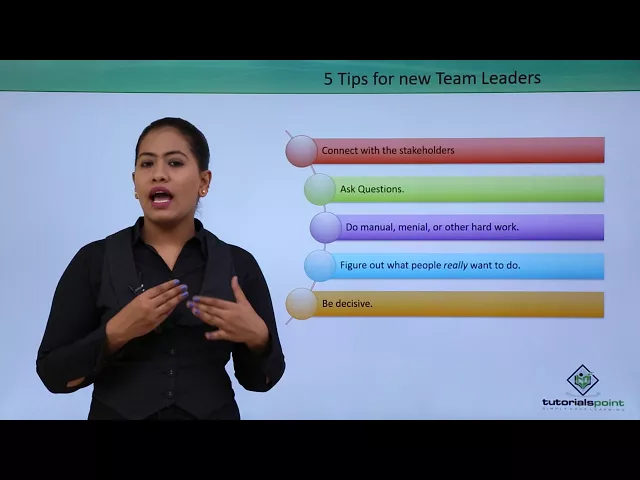
go back think over who is your favorite leader or whom do you look up to slide number two five tips for new team leaders well this specific slide is helping the new team leaders like I said it's a very new transitional journey from somebody who has been as naive and novice or to a level where they reported to us you know set of supervisors they were at a ground level understand what is leadership all about to understand oh make others influence as well well the people who are at a ground level they are certainly more
or less following to be a leader let me go to an example so you are at an entry-level job and you've been there for in the system for about three years so there's somebody who knew Lee joins your team and you're assisting the person to come up to that learning curve you helping the person to be there in terms of its own achievement of maybe doing independently well by himself or herself you are a leader absolutely there you might not have the designation called leader on you know maybe on a paperwork on a document but
surely you are leading you're helping you're influencing others and allowing the person to do much more so you might have been in that situation but however when it comes to being a team leader your situation might to vary because just about operationally assisting somebody in the organization but you're also building that trust the relationship with the set of people who are reporting to you directly so that's where the whole you know challenge comes and especially when you are in the first transition journey of being influencer which is your immediate role of being a supervisor a
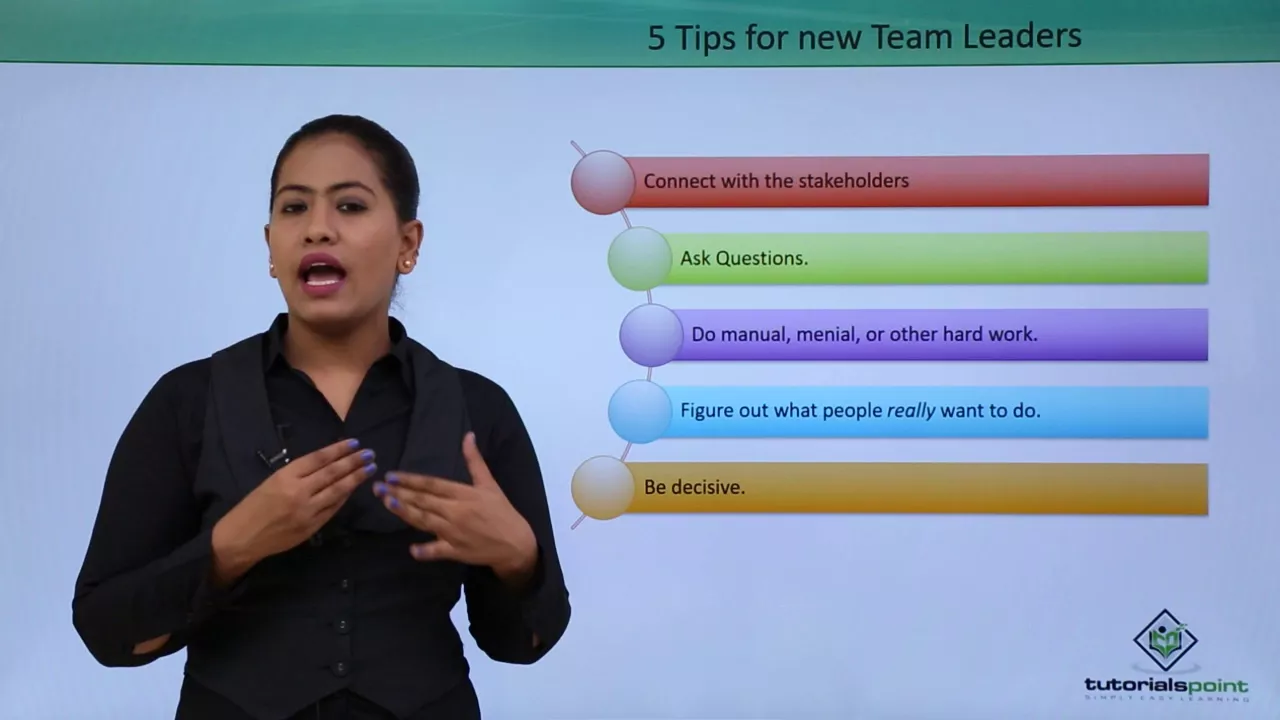
team leader so they have specific five tips that we have been laid out and this is like thoroughly researched and almost every management and leadership guru accepts this so moving on to understand the first is with connect with the stakeholders so stakeholders over here could be somebody like you know an internal customer and the external customers for your so when I say internally it is like maybe certain you know departments internally and also to the people who are reporting to you you know direct who are your direct reports and your clients tools so it's very
important that you connect when I say connect it's just not about being positive about the entire conversation experience but it is all about building that rapport that that specific trust and allowing them to know that you're committed to the task allowing them to know that you know you're there and you have an attitude and not to Bute of being an absolutely leader second important tip is ask questions well it has been always proven especially when you are in a transitional journey of being a newly promoted employee or newly promoted resource ask questions you might sound
fool for that particular instance of if in case you have that number of questions but you might come out really colorful in the entire experience of the journey where people do look up to you where people can have a klotz for you well there's a Chinese proverb which clearly says that you know if you do not ask questions for that particular moment you know and you let the questions be with you forever then you are a fool for lifetime but you ask that number of questions at that right time and that specific you know zone
is where you might be termed as a fool for that instance for that particular no experience but however there's not a no homage there's not a lot of helpers in the further successful journey of being a team leader so ask questions explore questions well the recommendation over your is almost all your statements almost everything that comes out of a mouth should end in a question form so that's how you can actually you know grab the attention of the listener and get that right set of information being instilled in your mind by not having any perception
any filters and you know also know allowing yourself to build that particular trust of you know Allah knowing that person that you are there you're grasping all the information and I'm sure in the journey it's gonna be of you know a quite a successful experience to the person who is listening to you and to the direct reporters who are reporting to you as you know as part of the work journey do manual menial or other hard work well this is something getting dirty so you actually have to get yourself dirty by doing that you know
the miniscule of hard work which is done day-in day-out well it's been always proven that you know each time you join or you get promoted to a new role it is always imperative that you understand something at a ground level to get a first-hand experience to also know as to what goes into that particular job role to better understand - better adapter and to better handle it in the future so that's where the whole love you know suggestion comes in that get your hands dirty moving on figure out what people really want to do well
this is something an aspiration that every leader should place and this was beautifully performed by people such as Steve Jobs Bill Gates Mark Zuckerberg shel Sandberg I mean all those bigger personalities who have been known for the leadership skills and maybe for few that came in very naturally going back to the psychology element that you know maybe because of the environment the childhood that they all carried and that came in very naturally to them but few have actually hold it and learnt it in the process so it's very important that we understand this particular point
that is figure out what people really want that is you're not just there to seek work help or just allow that in a particular employee to complete you know completely give you the commitment for the job role only but also making sure that you know you're there to assist the person even after you know when the work role doesn't demand even allowing the person to make believe that you know this particular conversation can assist them in the future for futuristic no application of the learning in case they are looking out for something more here so
it's very important that you lay that right foundation allowing the person to believe that you are not just going to help them for this particular job instance a job role or to complete the task but you would certainly enhance this person with that specific skill sets so that the person can good and perform the stars by her own self or himself and learning in the entire journey moving further figure out what people really want of course we just discuss on where the laughed pointer related to this is be decisive so be decisive to make certain
actions to make certain perogative at a priority level and it is imperative for us to all understand the fact that you know only your decision-making can make you an effective leader so once again with this set of five tips for the new team leaders let's move on to no read this one by one and understand the reason that they are all interconnected so I can't just pick up one thing and get the mastery over it and forget or ignore or neglect the others so once again the point number one connect with the stakeholders moving further
ask questions do manual menial or the other hard work which is needed or required figure out what people really do this is very important for all of us and be decisive next slide of the day tip still excellent noodle leadership role well highly researched pointer and they were like lot of pointers that came up but I had to really settle down with something surely more specific and something very very no quick enough handy tips to all of us to go back apply and achieve that you know better leadership experience so the first point is assess
the new organization well this is something more or less for a leadership role somebody who's leading it somebody who's like you know at larger level in the organization so assess the new organization in terms of everything you know beat people management a ratio be it's the vision of the company the mission of the company these stakeholders of the organization in every aspect is where the assessment has to come in and that as assessment has to be laid out very clearly with specific details so that it you can go back and refer for that you know
information then we have to communicate communicate and communicates so the lot of information that we keep it to ourselves and thought that let me not just overdo it let me not just you know go ahead and give out a lot of information right away because I'm still in the initial stages of building my trust and things of that sort well building trust is one thing and communicating allowing yourself to make the others others believe and certainly you know in the roll started assisting by giving solutions to the concern and the challenges and enhancing the ability
of problem solving for thee into the set of people who are reporting to you and your employees the other point is meet with everyone well over here there's a big mess which happens and this is something not to me who's trying to know let you know this information but there's a lot of research and paperwork which has been given out on of course our research in our research platform which is Google that it clearly states that little people keep it to themselves because they are so busy in terms of soaking you know and getting observing
lot of information they do not connect with people and that's where in the first 30 days 90 days is where you have not built that relationship with the set of people whom you are working and you'll be working in future your trust might be little there in terms of you know coming out as either you have you know constraint in connecting with people you might carry a certain bad attitude or unprofessional attitude of not opening up and connecting with the people well the most important point for a lot of us not just for leaders but
anybody who joins the organization this is the basic medium to let you all believe that only through the initial interaction is where you can form trust and I love yourself to you know to make others believe that you know you're committed to the role as well because each time you're communicating and you're talking and you're making that attempt to do so that fly today is tips for new leaders in the first hundred days well there's a specific book you know that something I can suggest and which actually helped me with the kind of different roles
that I believe I have been following and I'm doing fairly ok on there is the first 90 days the name of the book is first 90 days I would really recommend if it can have a hands on that book and to understand you know what has been given out in terms of through a thorough guide what are you supposed to do in the first 90 days so well again the biggest that people are you know do during this first 90 days is where they did not connect with people they're so heavily you know bounded to
technology assessing the work knowing more about the job role knowing more about what others do and coming up with solution working towards heavily on problem solving conflict management and things like that but people really end up forgetting about the fact that it's equally important for us to all connect no and have that right you know attitude towards blending and making herself match with the team the set of team that you're working with so the first point is you know craft your story so the well we all believe that you know we carry certain accomplishments that
cannot be showcased on day one neither your resumes can you know showcase all your accomplishments that you have achieved that you you know maybe have been given lot of a Klotz for maybe you've been you know coming out as a very modest person and you really don't want to you know put it there on your resume and again cover letter has its own limitation so you have to really craft your story as to what makes you bring to this leadership role how committed are you certain experiences of in the past where you succeeded in this
particular role or certain failures which made you believe that you have to go back and relook into the entire model of being you know you what leadership skills you have been displaying and how you learnt in the entire journey I mean at least I am interested to know more about this so I'm sure likewise your team members would also be more inclined and more you know you know keen enough to know your stories set up stories that you can in a showcase and show your commitment level to the second point is select to do so
well over here it's a clear clear information that I'm laying out is select a backup of yours so you have to start training you have to start choosing set of people and then go to the selection process and maybe after 100 days or during this 100 days regime is where you're supposed to really knock on one person and start training the person to be your backup in your absence or maybe you would be Dell getting heavy work to this person in the future well true leadership skill if I have to really you know shame my
own reading and my own understanding about it is all about effective delegation the better you delegates the better leader you are the third point is no though I team that is knowing in and out an offline catch-up can help you save nor of you know behavior challenges emotional challenges you don't really have to nurture anybody's ego emotion if you know the person in and out and that can only happen maybe during offline catch up offline parties of line in or spending time with them moving further help your team find its purpose well we all work
we all maybe are into the process of you know in the completion of tasks by going through certain situations of you know avoiding obstacles walking towards you know breaking the obstacles but in the interim we lack the purpose like life's purpose is important to all of us likewise there has to be a goal within the team and there has to be a purpose of beautiful purpose that can be laid out in terms of creating that sensitization with respect to the each other's viewpoints and emotions working towards this particular purpose should be all our should be
the ideology for all of us next is listen to understand like we we don't have to listen to reply but listen to understand that happens like in almost all relationship likewise you've been a leader all annoyed possibilities that you know we might miss out in terms of hearing the others out we might not allow the others to give out the entire viewpoint so listen to understand and then you can respond the last pointers Trust is the accelerator so I forget all these points and I still am at only this I can still lay the right
foundation and I can still achieve what I desire to achieve that is a great leadership experience not just for my own self but also for the entire team so Trust is something we all have to work gone and that'll take some time but once built is created forever in the future and the most important commitment that I have to keep it to myself is not breaking bats next slide new leaders improve communication well this was there's a reason that I really wanted to speak on this particular slide for simple thing that you know communication can
be overly done or communication can be something you know under given that is no you can under communicate that is not give out a lot of information about what your vision is what are you trying to do and for this particular task what are you trying to you know make others believe in the purpose of the you know the the team's goal so you have to run you know start communicating and has to be improved communication that is open channel communication and a communication where you're acknowledging acknowledging others viewpoints and something what you have not
really applied earlier for the new role it has to be in absolutely new terms in terms of communicating clearly declaring in the team meetings or in the discussion that you're open for any sort of communication so if you want to be a little more specific you can just use the word professional communication this is something that I love the person to not feel stagnated with their own experiences with the other team leaders or with the other supervisors in case they are wondering no not so great experience this might not limit them to open up and
share with you because you're clearly declaring that particular aspect out there next slides review so let's all believe in one thing by John Quincy that is leadership if something if a leader inspires you to do more learn more become more and listen more then you're an effective leader so thank you for watching