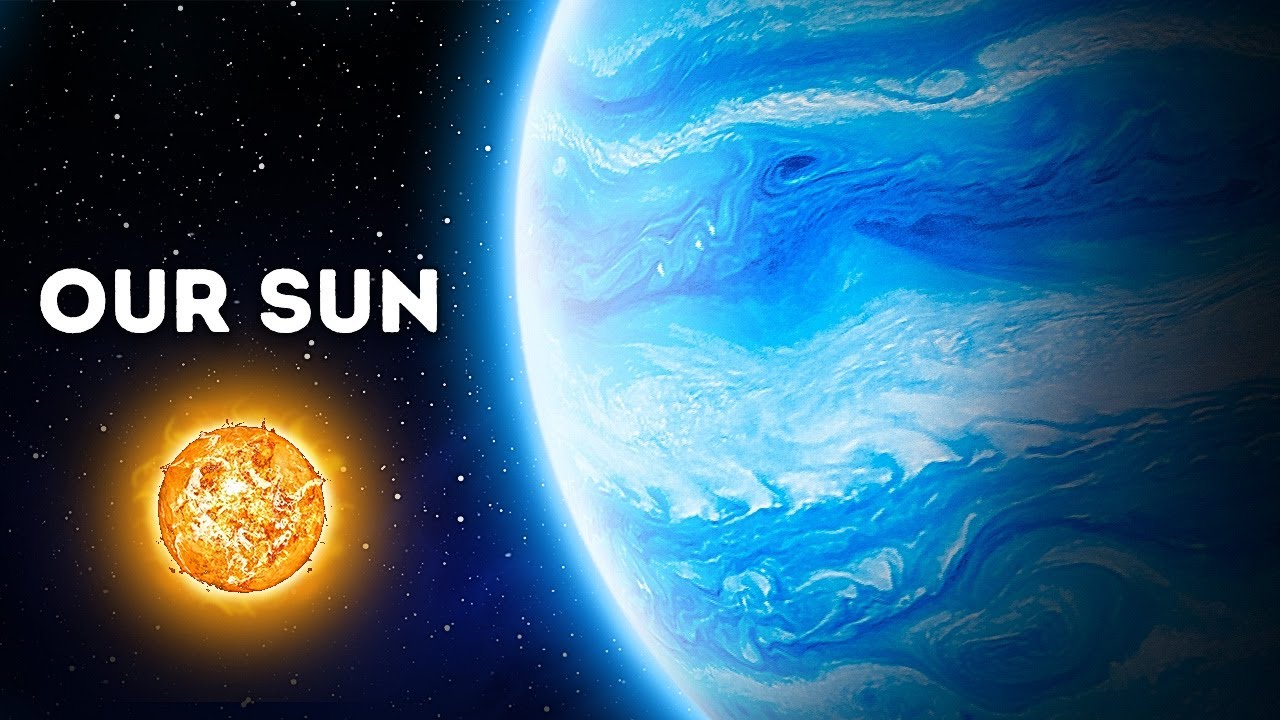
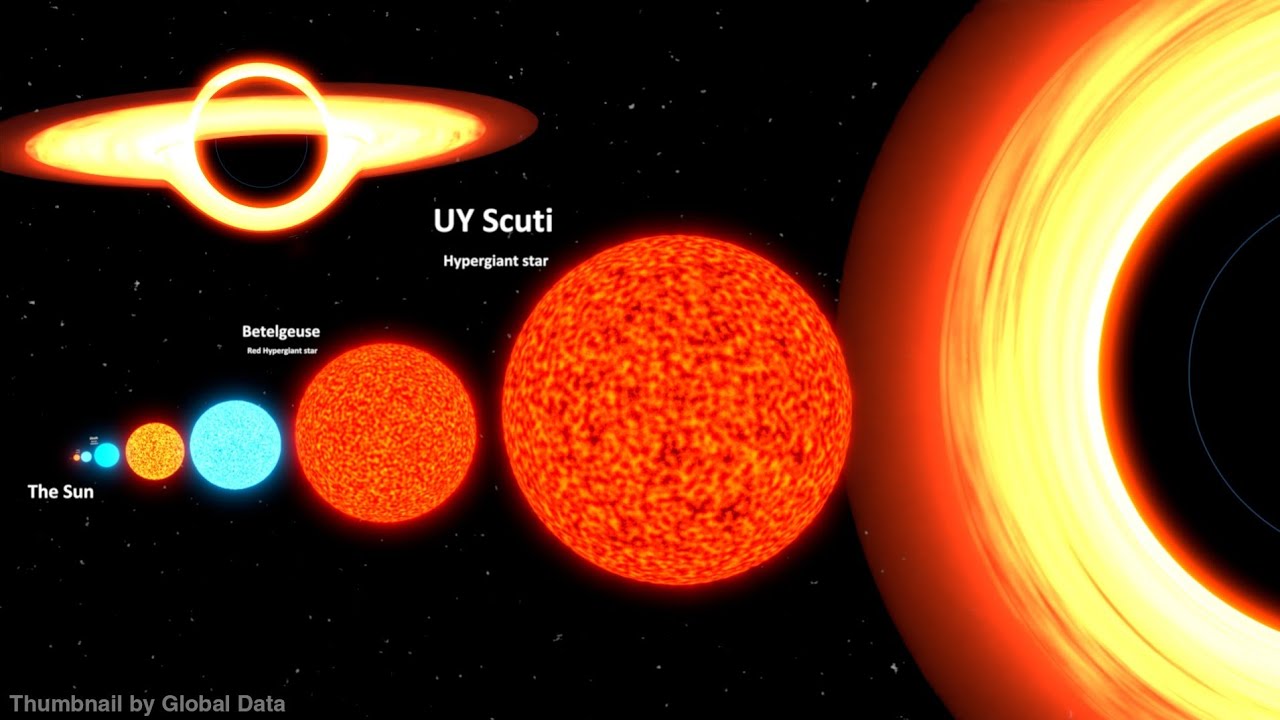
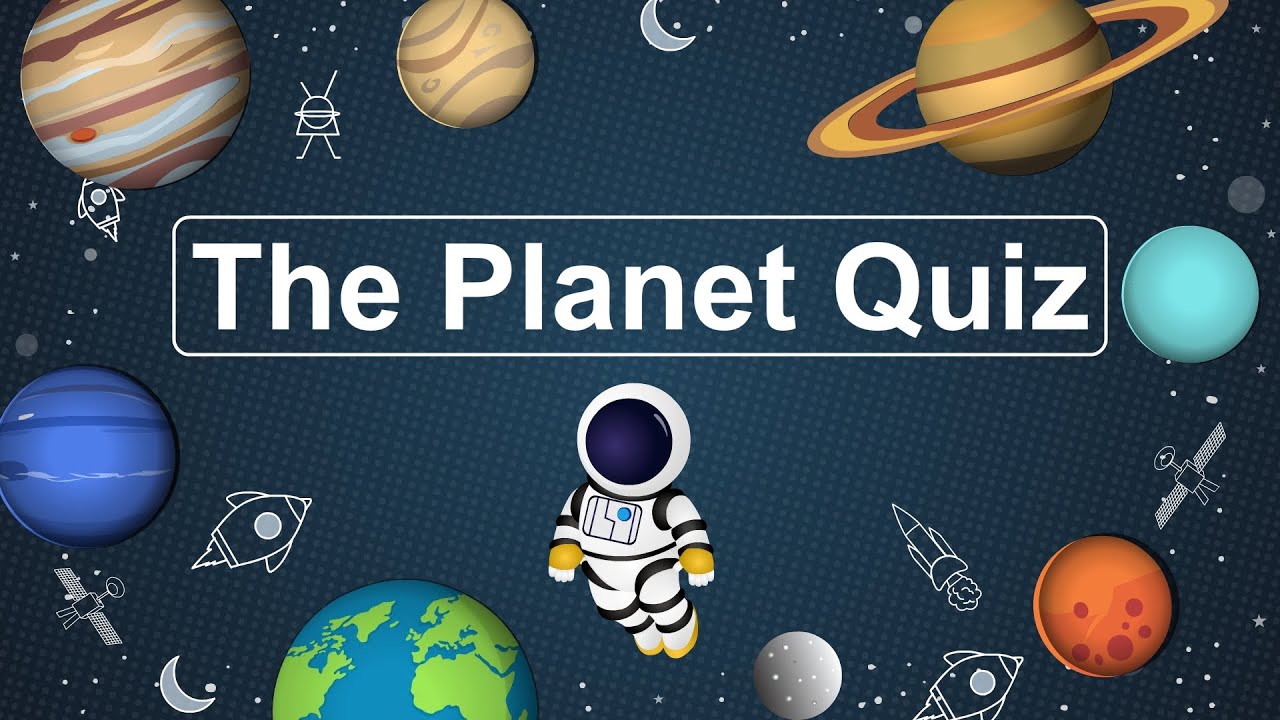
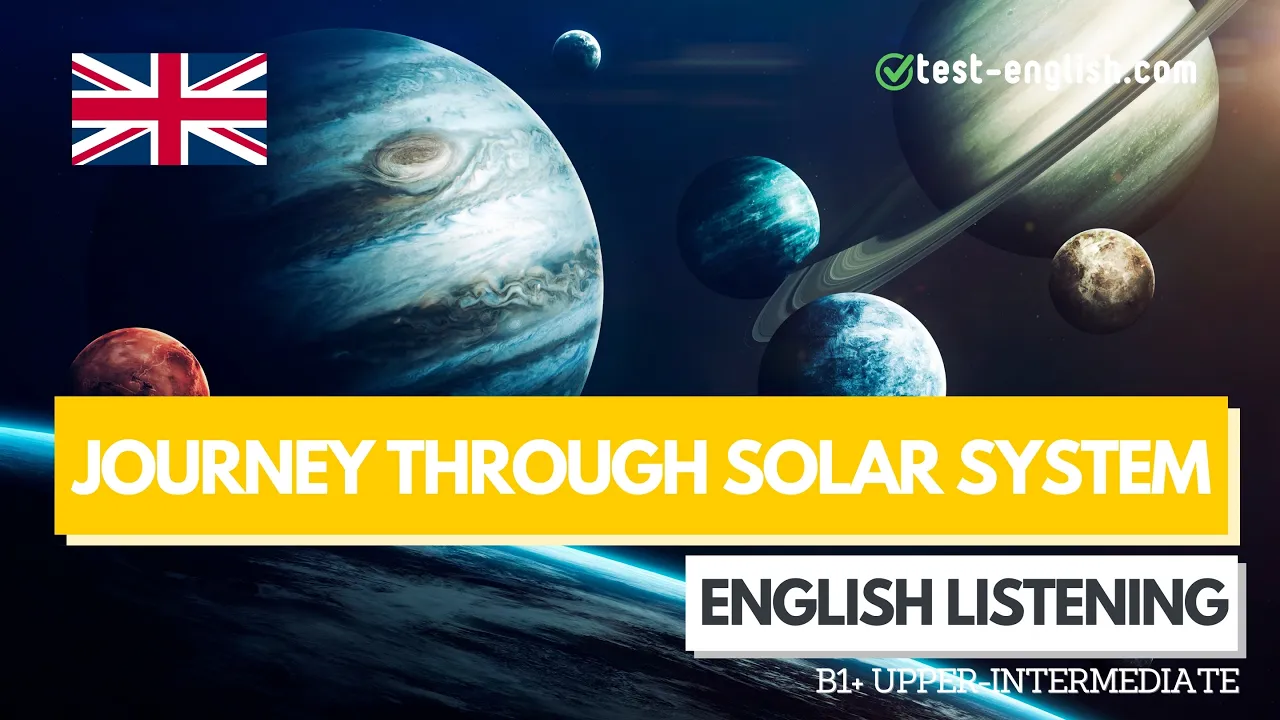
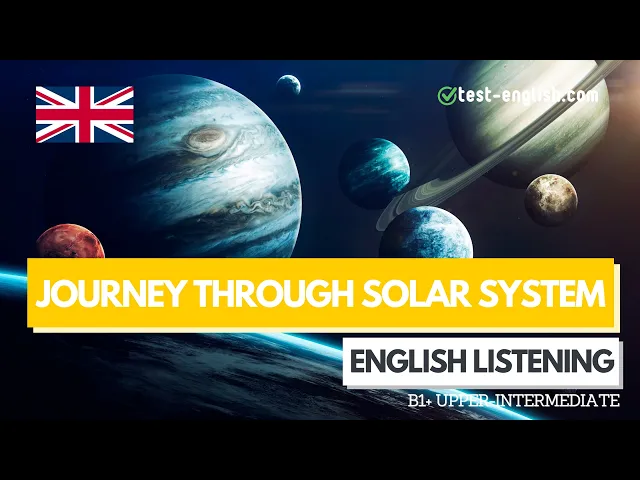
let's go on a journey through the solar system let's start at the center of our solar system the sun the sun is a giant ball of burning gas mostly hydrogen and helium it weighs about 330,000 times as much as Earth and it's so big that about 1.3 million Earths could fit inside it next up is Mercury the closest planet to the Sun Mercury is the smallest planet in our solar system and it experiences extreme temperatures daytime temperatures can rise to 800° F 430° C at night without an atmosphere to retain the heat temperatures can plummet
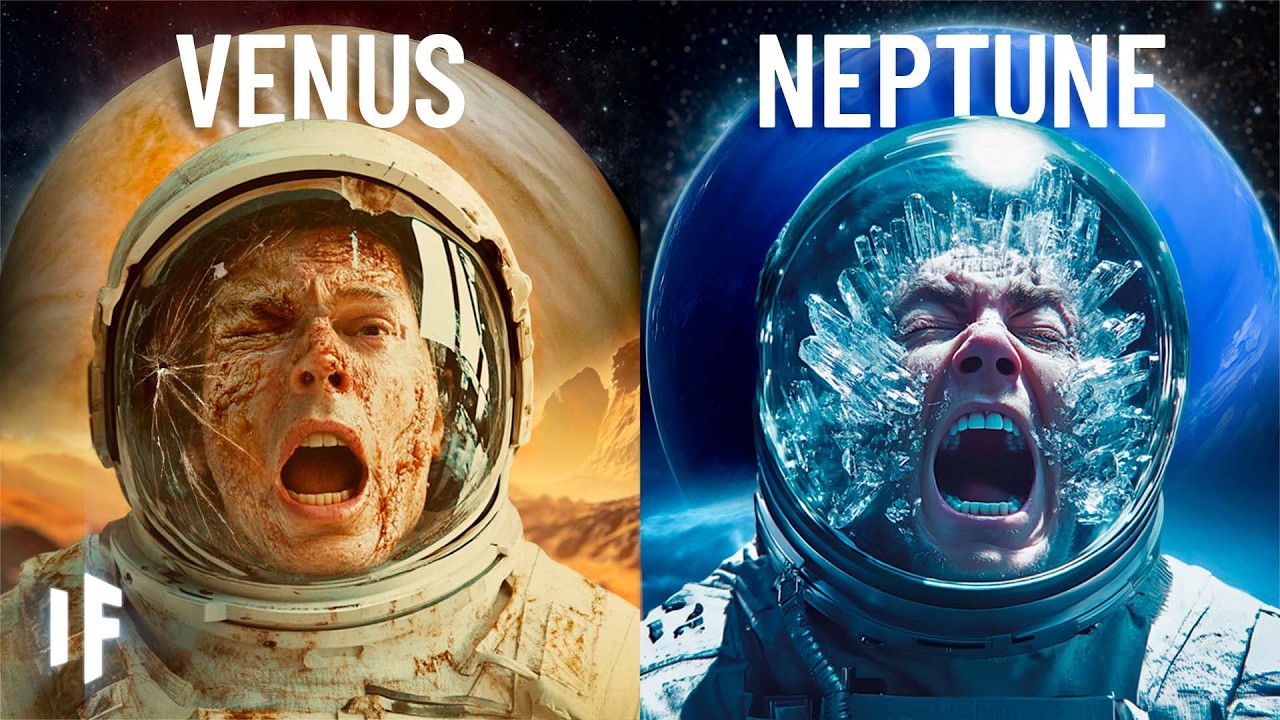
to - 290° f- 180° C and days and nights Along on Mercury one full cycle of day and night from one Sunrise to the next takes 176 Earth days so both daytime and nighttime last about 88 Earth days each Venus the second planet from the sun is often called Earth's sister Planet because they are similar in size however Venus's thick atmosphere filled with carbon dioxide makes it the hottest planet in our solar system even hotter than Mercury so if we don't want to end up like Venus we'd better stop sending any more CO2 into our
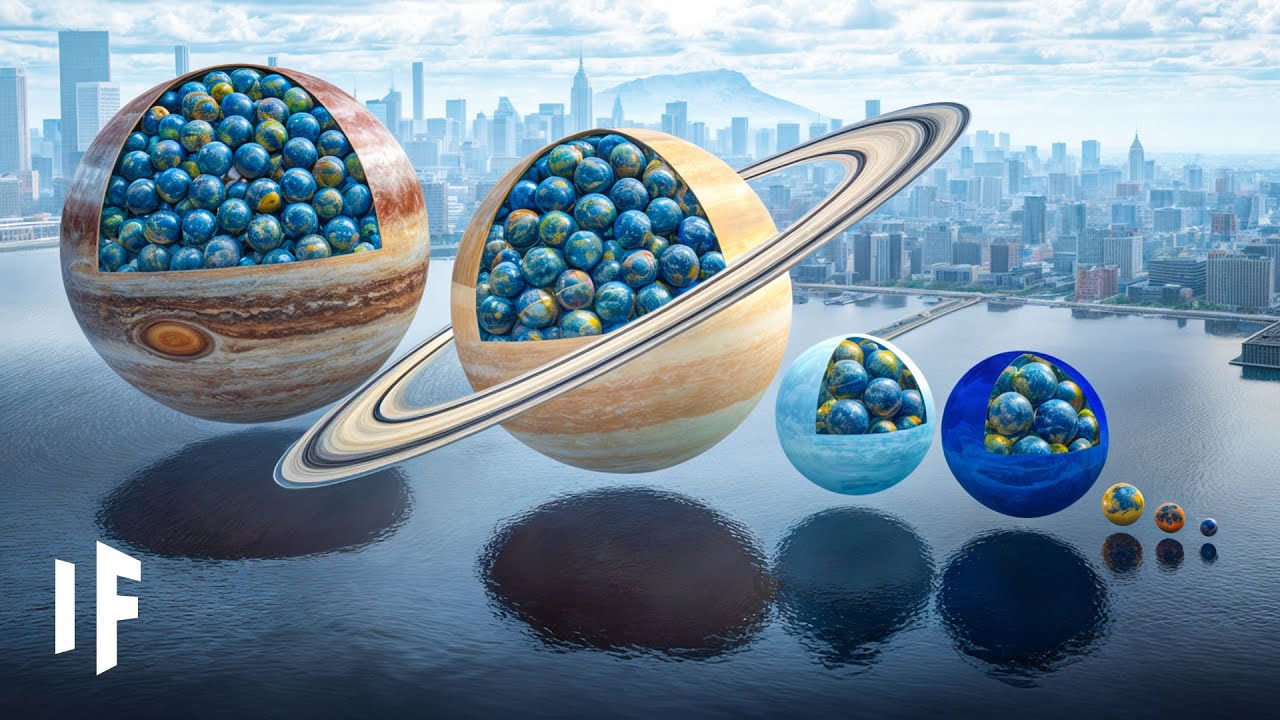
atmosphere Earth our home is the third planet from the Sun and the only planet known to support life about 71% of earth's surface is covered by water making it appear Blue from space in contrast Mars the fourth planet is often called the red planet after Mars Jupiter is the fifth planet from the sun and the largest in our solar system it's so big that all the other planets could fit inside it Jupiter has a visible red spot which is not lava or a volcano but a giant storm that has been raging for at least 150
years or maybe longer according to NASA Jupiter also has 95 known moons including ganam the largest moon in the solar system and larger than Mercury Saturn the sixth planet from the sun has the second largest moon in the solar system Titan which is larger than Mercury Saturn itself is very large second only to Jupiter and has 146 known moons out of the total 293 moons orbiting planets in our solar system it is the planet with the most moons and this number increases each year as new moons are discovered Uranus the 7eventh planet is an ice
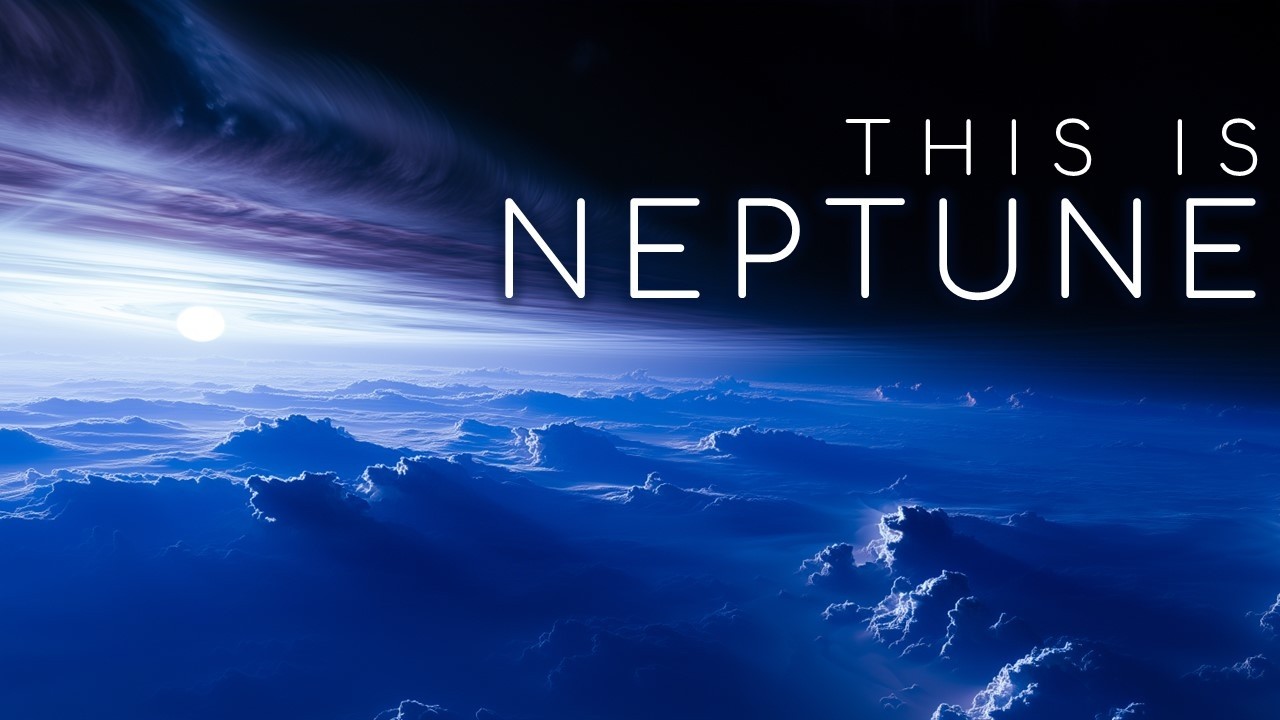
giant that has recently gained popularity among scientists due to the belief that its atmospheric conditions could cause Diamond rain yes they think it rains diamonds on this planet the same is believed about Neptune the eighth and farthest planet from the sun which is quite similar to Uranus in size and composition known for its intense blue color Neptune EXP experiences the fastest winds in the solar system reaching speeds of over 1 1200 mph 2,000 km hour finally let's visit Pluto which was once considered the ninth planet but is now classified as a dwarf planet Pluto is
smaller than Earth's moon and is about 39 times farther away from the Sun than Earth from this distance it takes sunlight approximately 5.5 hours to travel from the Sun to Pluto whereas it takes just 8 minutes for sunlight to reach Earth Pluto is so far that it would take around 10 years to travel there on a spaceship that could take you to the moon in about 80 hours

![✨ Space Ambient Music • Deep Relaxation Space Scenes [ 4K UHD ]](https://img.youtube.com/vi/X-XZx1o_w-A/maxresdefault.jpg)