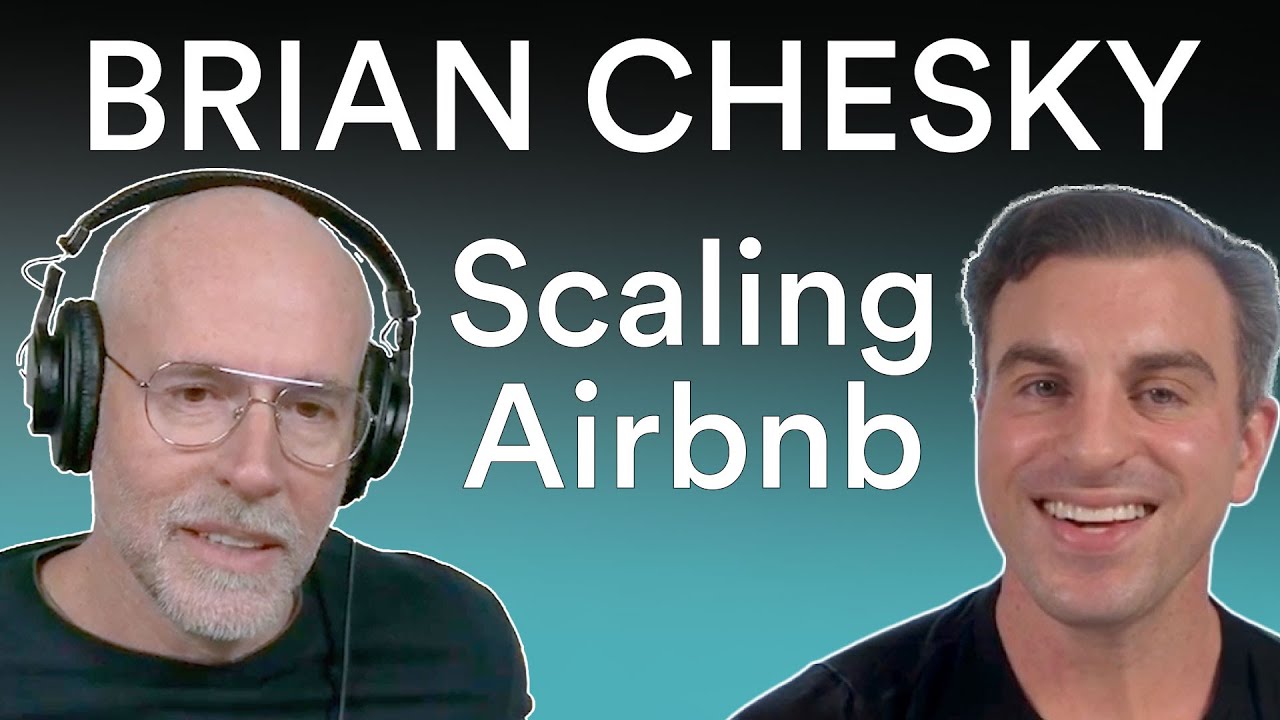
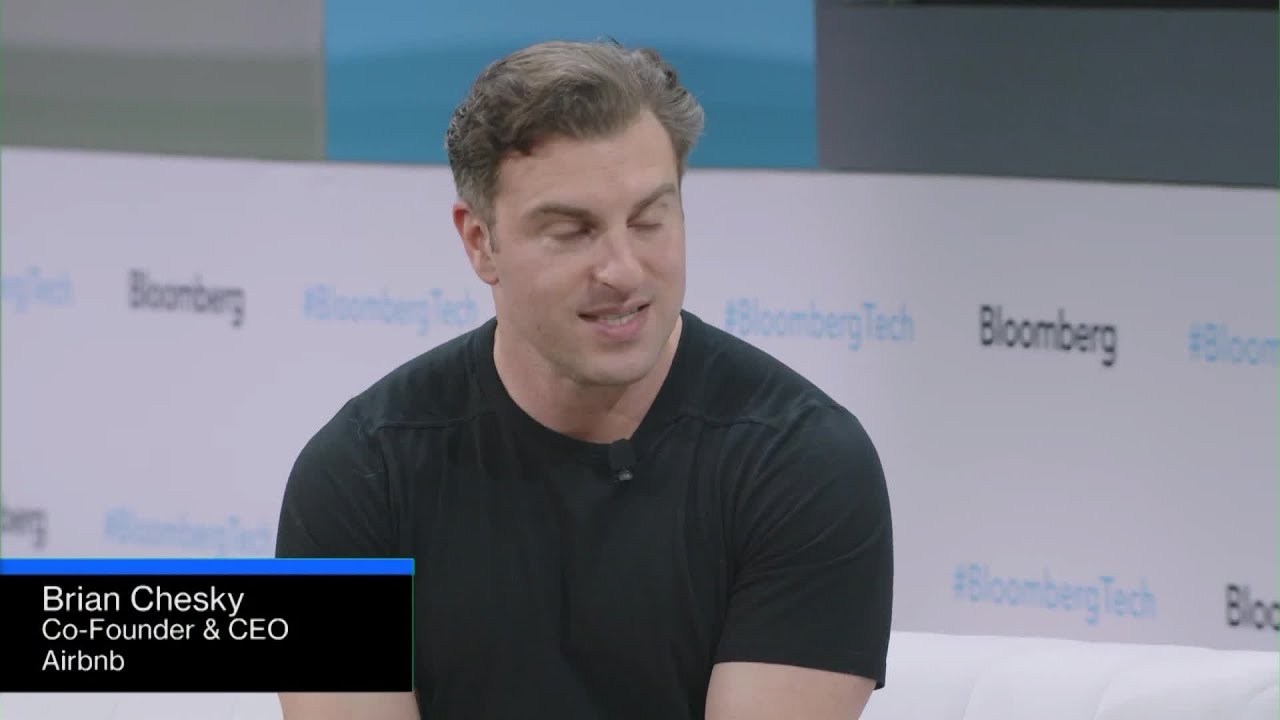
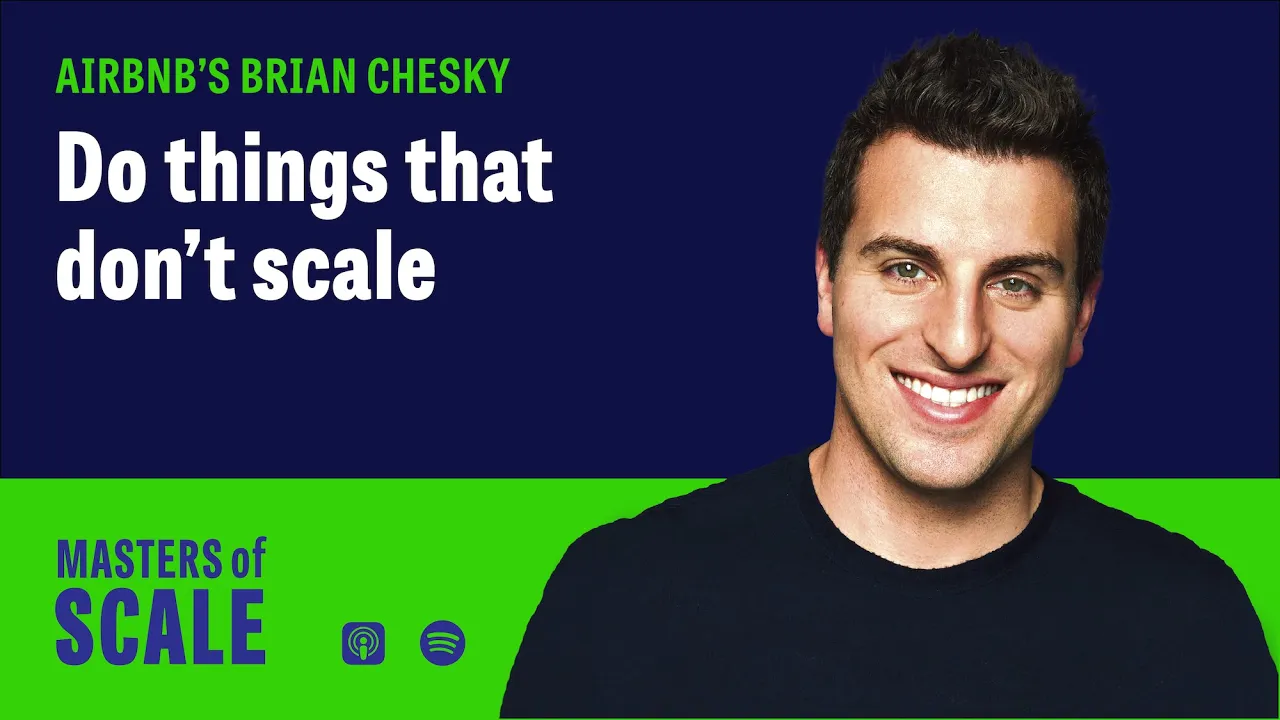
Joe and I are broke we're losing weight and I know have a lot of weight to lose you know those binders that you put baseball cards in we put credit back to them at this point I am twenty five thousand dollars in credit card debt Joe is tens of thousand dollars in credit card debt so this is like make-or-break we need the Lifeline that entrepreneur in need of a lifeline that's Brian Chesky co-founder and CEO of Airbnb a service that lets you rent a couch for the night or a cabin or a castle today Airbnb
is valued at thirty billion dollars eight years ago a very different picture we have his website and maybe 50 people a day are visiting it and we're probably getting like 10 to 20 fucking's a day so invite that we've been working out for a year and a half so for anyone who's worried your company has an abstraction that was our traction it was 2008 an election year in the United States Barack Obama was running against John McCain Brian was at the Democratic National Convention hatching a PR campaign for Airbnb one that could rescue the company
and on their credit card bills Joe and I look each other if he said where air bed and breakfast the air beds aren't going so well maybe breakfast well as we thought what if we could sell breakfast maybe we make some money what's a non-perishable breakfast cereal and so we thought the presidential campaigns coming up we just launched the DNC what if we created a Barack Obama themed breakfast cereal we thought what would a brocco bomb breakfast he'll be called Obama Oh like Cheerios the breakfast of chain we thought well we want to be a
nonpartisan website so we'd also have to need a John McCain themed cereal that's a no-brainer John McCain was a cap in the Navy and so he came up with Kathleen McCain's like Cap'n Crunch a maverick and every bite we ended up making a thousand boxes of collectible breakfast cereal we sold them for $40 a box that's $40,000 not bad for pocket change and it got them through a cash crunch but it came at a cost we had to physically make the breakfast here ourselves meaning we get a printed poster board and we had to fold
it in hot glue it no one told me I had a how cool breakfast era and they should call burn glue because every time you get on you you burn you and I had a perfect one-to-one ratio of burned a box and so I literally had the hot glue a thousand boxes girl at one point in the middle of the night I remember reading I wonder if when Mark Zuckerberg started Facebook he had a hot glue breakfast cereal the answer was no and this was not a good sign but what was a good sign was
Brian's willingness to work with his hands burns and all I'd argue that painstaking handcrafted labor is actually the foundation of a success in order to scale you have to do things that don't scale you got to have incredible talent at every position [Music] and then you go back to this is totally gonna be amazing there are so many easy ways so it's do I have no idea what sorry we made a mistake but you have to time it right [Music] nutballs ten years later well that's how you do and we haven't been [Music] this is
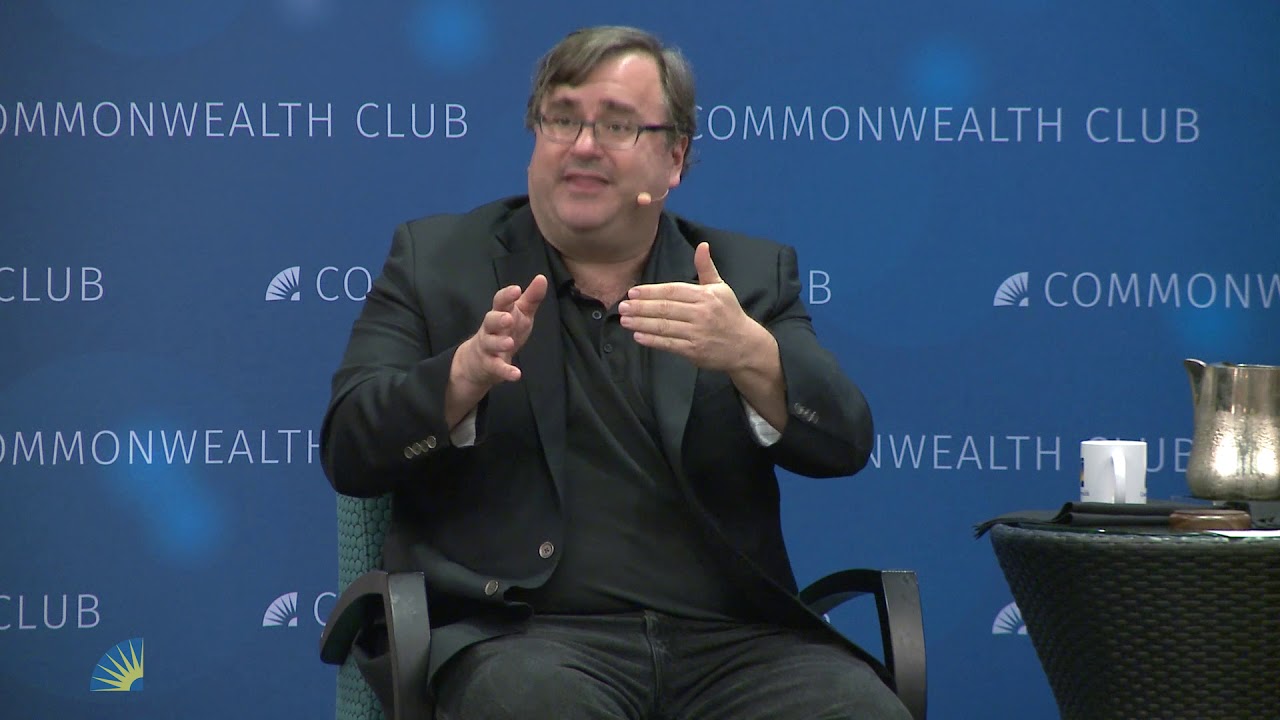
masters of scale I'm Reed Hoffman co-founder of LinkedIn partner Greylock and your host on this episode I'll make the case that the only way an organization can truly scale is to first do things that don't scale at all I'll try to prove that theory through stories from some of the smartest entrepreneurs I know over the last 20 years I've worked on or invested in many companies that scaled to a hundred million users or more but here's the thing you don't start with a hundred million users you start with a few so stop thinking big and
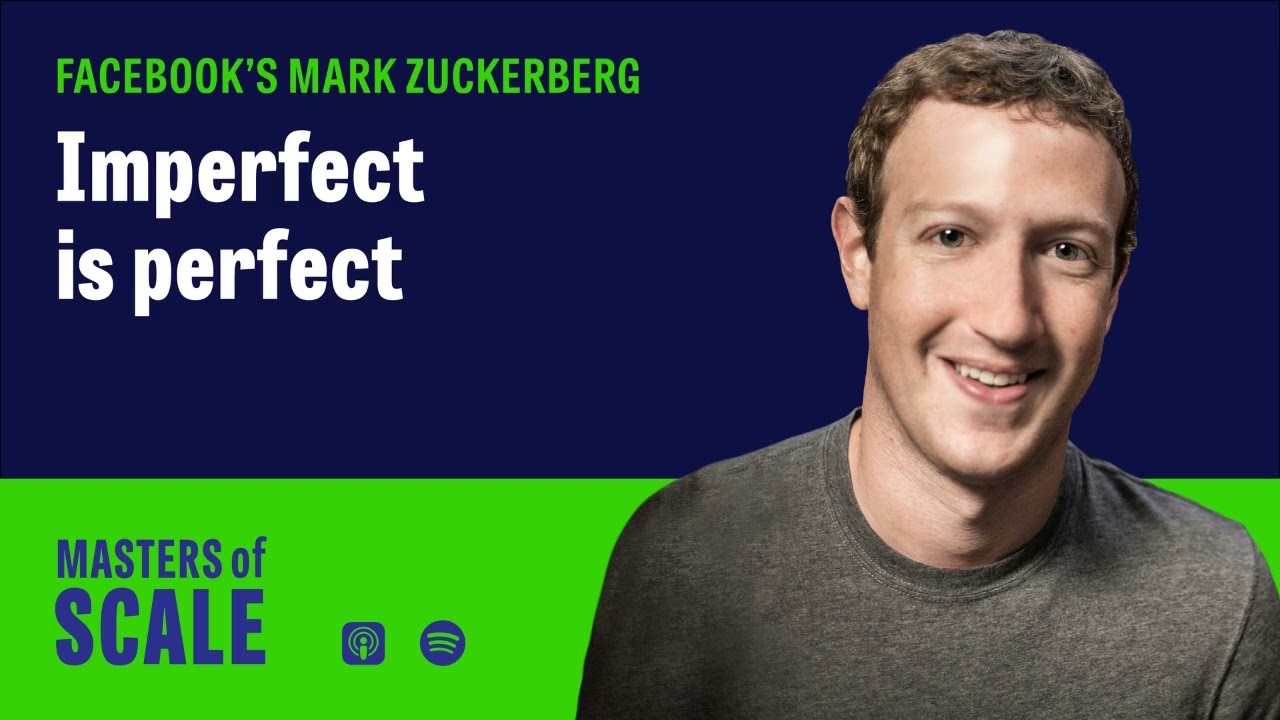
start thinking small hand serve your customers win them over one by one now this may sound like odd advice if you're an entrepreneur with global ambitions Mark Zuckerberg didn't personally invite 1.8 billion people to Facebook he built a great product and the users just poured in right not exactly on this show I'll dispel that myth by talking to founders who fought to win their users I'm starting with Brian Chesky CEO of Airbnb because he epitomizes the idea of handcrafting the user experience before you start to scale it's a principle he first absorbed in design school
I was doing medical design once I designed the children's ventilator I had to sit in the shoes the child and so I had to like imagine being a child getting like the operating table and like you have to put yourself in the shoes of the patient or the person using your product and if you're only doing a/b tests like you're never designing with empathy but a funny thing happened to Brian when he moved to Silicon Valley he's sort of forgot about designing with empathy for a single user it's a common mistake amongst entrepreneurs with global
ambitions they have to promise investors the world tens of millions of customers billions in revenue it's intoxicating just listen to Brian go this is a travel industry that is something like 7 percent of global GDP summer between five and seven trillion dollars ten times the market size of Google's market size and Brian might have stayed in the stratosphere if not for a fateful meeting with Paul Graham co-founder of Y Combinator Y Combinator is a startup incubator which cultivates and invests in early-stage companies Brian was admitted to Y Combinator in 2009 and his first meeting with
Paul was confounding Paul tends to stump people with deceptively simple questions and he asked us where's your business and I go what do you mean like where's your traction I go well we don't have a lot of traction he goes well people must be using it I said there's a few people in New York using it and he said something I'll never forget he said sir your users are in New York and you're still in Mountain View I said yeah he said what are you still doing here and I go what do you mean he
said go to your users get to know them get your customers one by one and I said but that won't scale for hugely millions of customers we can't meet every customer and he said that's exactly why I should do it now because this is the only time you'll ever be small enough you can meet all your customers get to know them and make something directly for them Brian and his co-founders followed his advice to the letter we literally commutating you air command view so we would be in Y Khmer for uh was it two night
dinners and then Wednesday Joe and I would go to New York we literally would knock on the doors of all of our hosts and had their addresses we say knock knock hello hey is Brian Joe we're founders who just want to meet you it's a little creepy just to knock on the door unannounced we need to excuse it to get her home so they came up with an offer that the host couldn't refuse we'd send a professional photographer to your home and photograph your home of course we'd have any money and we couldn't have play
photographers so Joe and I we just show up at their door and they're like wow this company is pretty small these home visits became Airbnb secret weapon it's how they learned what people loved it's really hard to get even ten people to love anything but it's not hard if you spend a ton of time with them so if I want to make something amazing I just spend time with you and I'm like well what if I did this what if I did this what if I did this from those questions a handcrafted experience is born
we'd find out hey I don't feel comfortable the guests I don't know who they are well what if we added profiles great well what do you want your profile do I want a photo great what else I want to know where they work where they went to school okay so you add that stuff and then you literally start designing touch point by touch point the creation of the peer-review system customer support all these things came from us literally we didn't just meet our users we live with them a nice a joke that will you bought
an iPhone Steve Jobs didn't come see from your couch but I did yes was there a particular experiences really stuck in your mind I remember we met with a couple hosts and it's winter it's snowing outside and we're like in snow boots and we walk up to the apartment and we went there to photograph the homes and we're like hey I'll upload your photos to the website um do you have any other feedback and he comes back with a book a little binder and he's got like dozens of pages of notes and he ends up
creating like a product roadmap for us like we should have this this this this is this and we're like oh my god this is our roadmap because he's the customer I think that always stuck in our mind as the road map often exists in the minds of the users that are designing things for it is typical to get very detailed feedback from some of your early users and if you're not getting some people who say this is super-important to me I love this I really need this to work well it usually means you're off track
passionate feedback is a clue that your product really matters to someone and one passionate user can turn into many if you listen to them carefully it's essential to get this kind of feedback early while you're still defining the product it's like setting a foundation as an architect you wouldn't build a skyscraper before you've built a solid foundation user feedback ensures you won't build a dozen floors on an unstable swamp brian is a simple method for extracting detailed feedback from users he doesn't ask what the product he already built he asked about the product of the
dreams we'd asked these questions that what could we do as a prize you like what could we do not to make this better but to make you tell everyone about it and that answer is different if I say what could I do to make this better they'll say something small if I were to say read what would it take for me to design something that you would literally tell every single person you've ever encountered so you start to ask these questions and it really helps you think through this problem it's essential to seek out and
listen to user feedback but the caveat is you have to figure out which users to listen to you're going to have different kinds of users giving you feedback and some of it will take you in the wrong direction so you need to exercise judgment in discerning will this particular user and particular feedback lead me to the mass-market or is it an edge case for example at LinkedIn we had one group of users who invent a name for themselves they call themselves Lions which is LinkedIn open net workers because their theory of the world was that
everyone wants to directly connect to everyone else in the world because that's the way they wanted it but they're actually not the majority case a lot of people who are very busy who have access to resources who have some celebrity status do not want that and if we followed their feedback LinkedIn would not be where it is today we had to steer away from a bunch of passionate users who told us very explicitly that we were fools for not following their advice if you want to build something as truly viral you have to create a
total like my experience that you tell everyone about and so we basically took one part of our product and we extrapolated what a five-star experience being then we went crazy so a one two or three star experience as you get your mean B and no one's there so you knock on the door they don't open that's a one star you know or maybe it's a three star if they don't know open you have to wait 20 minutes and if they never show up and you're pissed you need to get your money back that's one star
you never unions close again so a five star experience is you knocking the door they open the door they let you in great that's not a big deal you're not gonna tell every friend about it you might say I used Airbnb it worked so we thought what would a six star experience be a six star experience knocking the door the host opens hey I'm Reid welcome to my house you're the host from this case and you would show them around and on the table would be a welcome gift you would be a bottle wine maybe
some candy you'd open the fridge there's water you go to the bathroom this toiletries and the whole thing is great that's a six star experience and you'd say wow I love this more than a hotel I'm definitely gonna use Airbnb again it worked better than I expected what's a seven star expanse knock on the door Reid Hoffman opens get in welcome here's my full kitchen I know you like surfing there's a surfboard waiting for you I've booked the lessons for you it's gonna be an amazing experience and by the way here's my car you can
use my car and you know I also want to surprise you but I got you this is best restaurant the city of San Francisco I got you a table there you're like whoa like this is way beyond adding stars clearly excites Bryan it took some time to run through this mental exercise we'll skip ahead to the ten star experience so what a 10 star check can be a challenge our check-in would be the Beatles check-in in 1964 I get off the plane and they'd be 5000 high school kids cheering my name with cars welcoming me
to the country I get to the front yard of your house and maybe a press conference from and I would be just a mind experience so what would eleven starts maybe I would show up the airport and you'd be there with Elon Musk you're saying you're going to space the point of the process is that maybe nine 10 11 are not feasible but if you go through the crazy exercise of keep going there's some sweet spot between they showed up and they open the door and I went to space that's a sweet spot and you
have to almost design the extreme to come backwards suddenly doesn't just like having like knowing my preferences and having a surfboard the house seemed like not crazy and reasonable it's actually kind of crazy logistically but this is the kind of stuff that creates great experience but how far do you go toward the 11 Start experience to create the Nirvana product all successful entrepreneurs at some point have to come back down to earth there's really two stages of a startups product the first design a perfect experience and then you scale that experience and that's it but
which part of the perfect experience do you scale so the most ambitious entrepreneurs let's call them the elan z' after my friend Elon Musk probably get there through raw energy because they're convinced they need to solve a problem and the unscalable thing is one step that they have to push through on the way the Elan say I'm going to Mars but first I've got to solve this problem right in front of me first I need to get that rocket launched and I need to have a business model for that first rocket and that looks like
satellites okay I'm gonna try satellite launches and how do I get my first rocket I need to create a scaleable rocket platform but unless I get the first rocket up it doesn't matter and you kind of work back to that then you've got folks like Brian who say I realized that to get this awesome experience I have to Ratchet back to something that still seems like magic but it's totally doable and then I need to design the elements that get me into the totally doable thing so how does Brian decide on the doable thing he
settled on a service with the appropriate level of magic and started building it and here's the next thing to notice they didn't launch perfectly scaled services they built everything by hand we had a saying that you would do everything by hand - was painful so Joe and I we could photograph home stills painful then we gonna put our verse though we'd manage them with spreadsheets tools painful in turn I don't think I knew how anything would grow to the level that it did that's Ellie feel she's the intern who managed those spreadsheets she still works
at Airbnb very manually I would email the photographer and the host and connect them and the photographer would then send me the photos I would go through each one giving feedback if they needed to be retouched and then I would manually upload them to the host website they're listing one by one it would take hours to upload multitasking was the name of the game and then we automate the tools and make her more efficient and we kind of looked at this and we said okay what is the easiest thing that we can automate any little
thing that changed was you know quite a shift and what I had been doing but for the better and I remember one day Ryan would come to me at the end of every day how many did we get how many photos were shot and it was like oh gosh I have to go through and count all of these and then eventually a system does everything we build the system where now the host comes they press upon an alert start system which goes to a dispatch of photographers so it's all managed through technology they get the
job they mark it through an app that we build and then payment happens the whole thing is automated no note how they gradually worked out a solution they didn't guess at what users wanted they reacted to what users asked for and then they met the demand through a piecemeal process and here we come to the true art of doing things that don't scale it's not just a crude way of succeeding on a shoestring budget it also gives your team the inspiration and urgency to build the features that users really want I've seen this handcrafting story
play out over and over again with entrepreneurs take my friend Patrick Collison he's the founding CEO stripe an online payments company today thousands of businesses use stripe to process payments from their online customers but in the early days they were a scrappy startup and Patrick paid close attention to his users very close attention we had a chat room for you just help customers with whatever issue they they wanted to ask about and we were very distressed if for a while to notice that occasionally people would come into the chat room hugger sleeping and asked question
you know they wouldn't get any response and so we wrote a bot that would just page one of us if somebody asked a question they didn't get a response after more than 30 seconds or something and someone would braga leave who URI I'd wake up and like help that and then go back to sleep so in addition to being CEO Patrick had become stripes bleary-eyed customer service rep frustrated users would page him at all hours it sure did not feel glamorous tapping away on my laptop for half an hour in bed actually reminds me I
don't know if you know Paul English who founded kayak kayak is an online travel service that finds the lowest available rate that cross different web sites we know a little bit yeah Paul for a number of years in kayak had his cell phone number as the customer service number we also had one of our someone at stripe to who did exactly the same thing now it's common for entrepreneurs to swap stories like this and I think it's worth dwelling on these early days of handcrafted work because most entrepreneurs tend to have a funny reaction of
these experiences they may laugh about it later they may call the work unglamorous they may celebrate the day they could hire a helping hand or automate these chores out of existence but thoughtful founders will never say what a complete waste of time they'll often look back on this period as one of the most creative phases of their careers Nancy Lublin for instance scrapple II launched an international nonprofit from her New York City apartment her organization Dress for Success started as a clothing drive for women who needed to walk into a job interview looking sharp and
feeling confident Nancy stockpiled sweaters on her bed and jewelry in refrigerator and soon she was inviting volunteers into her apartment for informal training sessions so people start hearing about Dress for Success and would contact me just random people would contact me and say I want to start this in st. Louis I want to start this in Hartford and I would say great you want to come stay with me people literally strangers would fly from st. Louis and stay on my futon my college futon in my tiny like law school apartment in New York and I'd
be like how can I help and I would send them postcards like saying like don't give up I know it's really hard you got this I just killed them with kindness today Dress for Success has affiliates and 145 cities world but let's be clear the transition from the handcrafted phase to the massive scale phase is a challenging one and I wanted to spell any illusions that you can switch from one to the other with ease in fact it requires two opposing mindsets you have to fully empathize with a single user at the same time you
have to worry about everyone I like the way that Brian describes the difference the designing of experience is a different part of your brain than a skill and your experience it's a different skill set the scale and experience is a highly analytical operations oriented technology oriented problem the designing of experience is a more intuition based human empathetic and end experience one parallel might be writing and editing so the handcrafted phase tends to be more like writing it's a more inventive and creative process whereas the scaling phase tends to be more analytical it's more like being
an editor at that point you tend to do more pruning you realize well this whole thing is magical but if we focus on this 20% we get 80% of the magic so you prune you compact you distill and you architect so can now run at a rocket ship rate you're transitioning the product or service over to a scale organization that can now run it the organization needs a simple plan with very few errors and very little improvisation now you might think the first step design the ideal user experience drops away as soon as your product
goes viral then comes the glamorous work of expanding new countries and thinking about your strategy in the years ahead handcrafted work is essentially a kind of booster rocket that helps you get an orbit but it's not the kind of rocket for the whole trajectory it gets you out of the gravity well and after that get ready to slingshot around the world we became an international company then middle 2011 we raise money relate this billion-dollar valuation company and then in summer 2011 a woman's home got trashed and then we had to go the next step which
was we are just this little company apartment but as far as the world is concerned we have a giant office building we better be grownups so we had to build 24/7 support I had to have more secure payment instruments we had to add a trusted safety team we had to verify people's identity I mean he realized we had to get our money transmission licenses so then there's this whole like administrative bureaucracy that gets added then 2012 we get to the point we are we have like 50 100 employees we have no executive team there's no
management there's no like company meetings there's no communication so no one knows anything like look literally nothing I don't even know how we ran the company and so I instituted some basic things like I have to have an executive team and then the lawsuits come in and you have to really sort it out and unfortunately we're not regulate the federal level we're a girl you at the city level and every city is different and they're like I see what you do in Paris but here in New York we're different and so you go city by
city you've got to hire those people it really triage and deal with all these issues it's like a video game you slay a dragon you think you've completed the board game and then you of the next level and all of a sudden the Dragons get really big but when you're slaying dragons it's hard to hold on to the handcrafted mindset still I would argue that the sharpest founders never fully abandon the mindset no matter how big their company gets and so the organization will start having antibodies against new handcrafted things it's a response that protects
organizational efficiency it says look this new thing we can't get it to scale it won't operationalize it won't fit within our process the reason the scaled companies have a hard time with this handcrafted process is all in the list of objections about why this won't work why this shouldn't be integrated as part of the company and so what you need to do as a founders be extremely choice 'full about which handcrafted innovation you choose and how you protect it organizationally you need to protect it because the natural reaction of the scale organization will be to
kill it he wanted to reinvent the industry again and he knew he had more to learn about the travel experience in order to do it so he turned the Hollywood for help I often find that to reinvent an industry you do not take inspiration directly from that industry that you need to look at orthogonal industries and for us the orthogonal industry to travel with cinema and the best trips you've ever seen are the trips that characters and movies have that we would provide that analogy in real life and I actually literally hired a storyboard artists
and Pixar and we had him story where the perfect air of me experience when we did that we realized there was like this two-hour movie and only 20 minutes were in the home there was all this like leading up to the home getting the airport going around going to dinner hanging out with friends out and about and like most the trip was not in the home but we realized that point we need to be in the end end business of travel so the same way that we did things that don't scale we called it magical
trips we decided let's find one traveler and create the perfect trip for them notice how quickly Brian turns his attention to a single traveler in an instant he switches from global concerns back to his artisanal roots and that's because he's building something radically new here he wants the scale the perfect trip but what is the perfect trip what are the essential ingredients that make a vacation truly memorable it's a question that Brian can't even begin to answer until he delivers that experience to at least one person you're about to get a masterclass in hand crafting
and so we put up these fliers anonymously saying seeking a traveler will photograph your trip to San Francisco if you let us follow you this guy named Riccardo replied he was from London and we sent a photographer around him while he was just traveling to San Francisco what we learned was his trip was awful like he'd show up he'd go to Alcatraz by himself put on the headset and they'd go to Bubblegum's shrimp he'd stay in like a like budget hotel he'd go to a hotel bar by himself like sitting like with a bunch of
dudes at the barber he really talked anyone because introverted we calm back we said Ricardo we want to create the perfect trip to San Francisco for you we fly him back and we had the team storyboard the perfect experience for Airbnb we had a driver pick him up the airport and we took him to the perfect Airbnb there all these services he went on these dinner parties we got the best seats at restaurant we took him on his midnight mystery bike tour that 60 riders go on there and nobody but the leader knows what will
end up and it's just like there was this crazy magical world I see him again the trip I say how was your trip he says was amazing and then I walk away yells at me Brian one more thing and he starts like crying and he breaks ties - thank you this is the best job I've ever had I was like oh my god I guess it kind of kind of worked like it really moved him because I don't think anyone ever tried to like design end to end experience or somebody like there in a movie
before and we did it that became a blueprint and we said we are confident on an unscalable basis that we know how to create a trip that deeply moved somebody's better than anything they've ever experienced the question is can we develop a technology scaled and do 100 million times notice here how quickly Brian switches back to the analytic mindset he can extrapolate from a single journey to a list of essential ingredients here is a systemic breakdown of the perfect trip when you first go to city you need a welcome event within the first 24-48 hours
we are around people the day when you land you get acclimated to the neighborhood that by day 2 or 3 you need to have a challenge out of your comfort zone if you do not leave your comfort zone you do not remember the trip and if you can belong out of your comfort zone and something new happens to you then there's gonna be a moment of transformation where the person you were in a small way dies and a new better version yourself is reborn now this is being narrative of every movie ever seen a main
character starts in the ordinary world they leave their ordinary world a crossed threshold to a new magical world where if all these obstacles happen and they overcome something and they call it the hero's journey when we applied this to trips build a small team and we spent the last couple years figuring out how to scale this and this has led to what we have today which we call Airbnb trips in November of 2016 Brian unveiled 500 trip packages in 12 cities and now he's fully in the scaling mindset figure out how to expand the service
to new destinations but as Brian will tell you he misses the handcrafted work he is a surprising message for entrepreneurs who have only a handful of users to serve I kind of tell a lot of entrepreneurs who don't have traction I missed those times I mean that yes is exciting that traction have a super sister like companies like huge scale but the biggest leaps you ever get as we are small another way of saying is your product changes less the bigger you get because there's bigger more customers more blowback more systems more legacy the most
innovative leaps you'll ever make often especially for your network are gonna be when you're really really small you can change the protocol entirely in a week try doing that at LinkedIn or Airbnb today it'd be a huge disaster so I think taking advantage of that subscale designing the perfect experience asking yourself what you could do is amazing and if you have a teeny start-up I have good news for you now is the moment you can take the most daring leap to your career dream big and act small pay passionate attention to your users handcraft the
core service for them create a magical experience and then figure out what part of that magical handcrafted thing can scale [Music] I'm Reed Hoffman thank you for listening for additional insights and practical lessons based on my theories go to entrepreneur comm slash masters of scale next week on masters of scale is a five year old girl Roger gets on the phone so I think we went on earth am I gonna say to this five-year-olds I said hello hey could I buy your domain name in the weeks ahead you'll hear from Mark Zuckerberg Sheryl Sandberg and
Eric Schmidt subscribe on Apple podcasts stitcher or your favorite streaming audio service master the scale is a wait what original in association with stitcher our executive producers are June Cohen and Darrin trip our producers are Dan CAD me Jenni Cataldo and Ben Manila special thanks to jessicajohnston sada sepi Ewa Alisa Schreiber Chris Shea David Sanford J Punjabi Stephanie Kent and Rafina mod original music is by the holiday brothers visit masters of scale calm to find a transcript for this episode