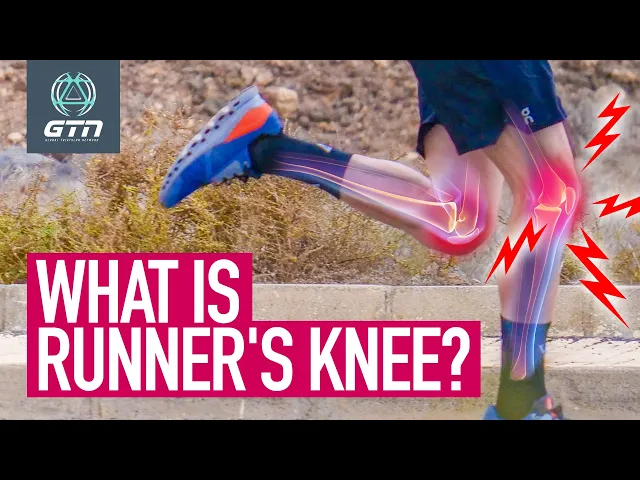
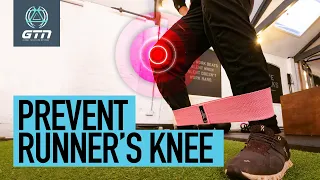
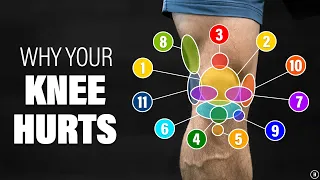
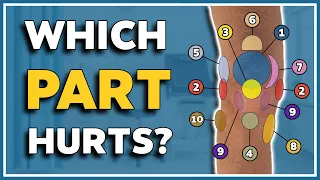
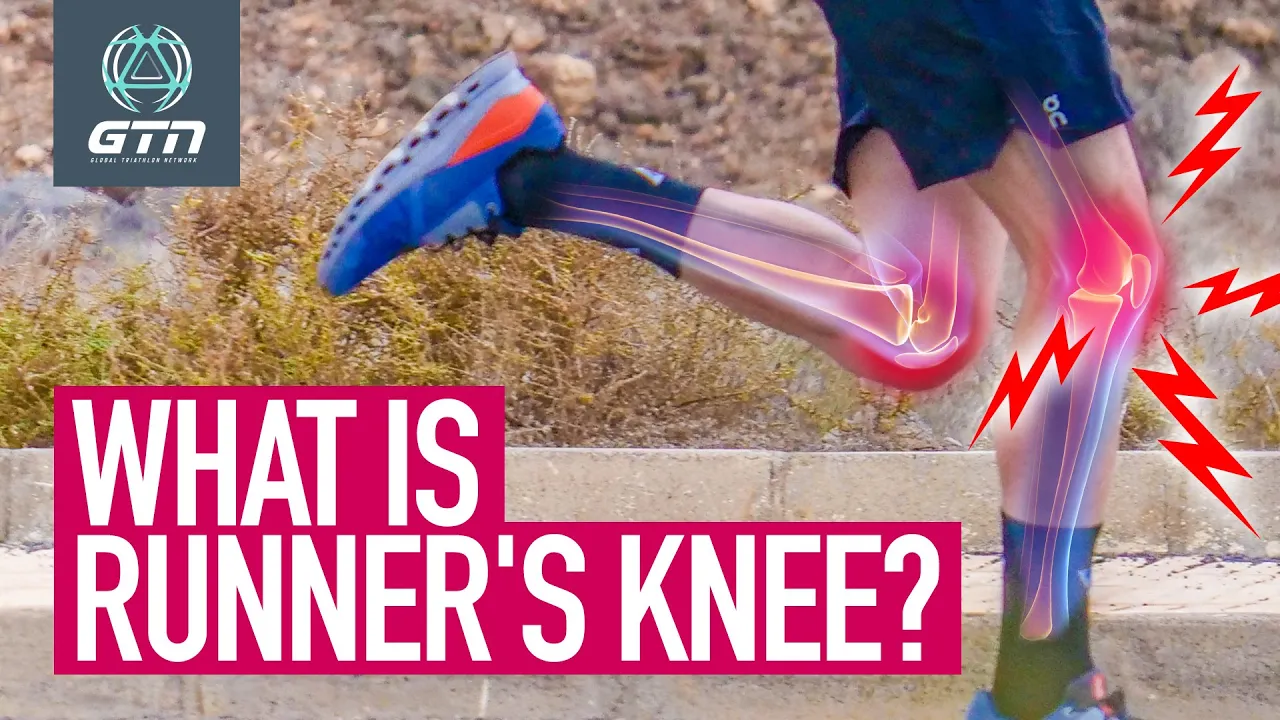
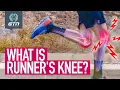
runner's knee is knee pain from running okay that part is obvious So today we're actually going to be looking at the mechanics behind knee pain what brings it on and of course the most important part how to prevent it from happening in the first place but first we need to meet Barry [Music] well let me introduce my glamorous assistant Barry now Barry's not going to be contributing that much but he will be providing us with his knee later on but before we do crack on with the video just a quick reminder to click on that
Bell icon and the globe so you make sure you're subscribed and you'll be notified every time we have a new video out on gtn well to the point what is runner's knee what does the name suggest it is a pain that often comes on from running in the knee area usually towards the front of the knee and with that in mind it's often also called anterior knee pain which if you see written down and abbreviated it's AKP we're often presents with some visible swelling and it'll have that feeling of the joint when it is a
little bit swollen by that I mean if you try to bend it or put it into a tight action it just feels tight as though you're compressing it so I personally notice if I've got a bit of knee anterior knee pain that it'll be worse when I'm walking downstairs or I'm trying to squat or maybe sit cross-legged anything that's just putting your knee into that position and it's something that can come on fairly quickly but on the plus side when it's treated correctly and with rest it can also ease and disappear quite quickly well to
give you a little bit of an idea of what the knee looks like and where the pain is I am going to bring in Barry for this now Barry is fairly basic however he does have all of the bones even if we don't have any ligaments or tenders we've got all the bones involved in the knee joint here so the Deep joint is a hinge joint between the FEMA and the tibia that is officially the knee joint and on the outside you've got the fibular bone but I'm going to brush over these as anterior knee
pain is most commonly a result of this bone not moving that correctly the patella in this case it looks like it's sort of floating but of course it's not in real life now all of our joints are held together by ligaments tendons fascia muscles and the patellar bone aka the kneecap is no different this is a rather mobile joint it's called the patella femoral joints you've got the patella and the femur is held in place by the quadricep tendon at the top and then the patellar tendon beneath it and give you an idea of how
mobile that is I'm sure you guys at some point have sat with your legs out straight and just sort of fiddled with your kneecap and you'll notice just how much it can move laterally side to side and even up and down to a certain extent which is great until it stops tracking correctly and it needs to track in a fairly smooth and fairly narrow plane so you can see there's a bit of a Groove in the femur here and it has to sit in that Groove because as soon as you've got the muscles surrounding it
that are either over working or just getting a little bit fatigued and not working or not switching on enough can start to pull it off track and then if you imagine how many steps you do a day or how many steps you do when you're out running if that tracking is ever so slightly off place it's going to start to cause you issues well now you understand hopefully a little bit more about runner's knee and sort of what's going on physiologically the clinical term might make a little bit more sense so it's patellofemoral pain like
we've explained kind of just saying what's happening here but I don't need to go into any more detail it's time to look at why we get it and more importantly what to do when we actually experience this runner's knee pain so for that I'm going to head back outside [Music] tension every time you bend your knee but don't worry it is designed to do that but if that movement is ever so slightly misaligned well it will start to aggravate it and this will cause inflammation which then causes your pain receptors to Fire and say oh
your knee hurts if you add running into the mix well not only you're going to be bending your knee more often you're also going to be adding the pressure because every time the quadriceps contract your big muscles at the front of your leg they're going to add the pressure to that joint it's a common misconception that the repetitive motion of running alone causes this knee pain but it's more likely that running actually highlights areas of weakness and tightness which then manifest as poor joint tracking and if you take away this increased force on the patella
femoral joint so in other words stop running you'll find that the inflammation reduces and the pain usually disperses within a few days up to a week and you can actually speed up this process by resting and maybe even doing some icing on the area and in severe cases non-steroidal anti-inflammatories will also help speed it up [Music] [Applause] well getting rid of the pain is one thing but none of us really want to stop running so what happens when we return to running unless we've actually addressed the cause of these symptoms the symptoms are simply going
to return now there are several reasons for injuries as with any injury but with anterior knee pain there are a few more common ones for example if you're running and your foot is turning ever so slightly out or in that's going to cause your kneecap to potentially slightly misalign and bring on that knee pain well this can happen if your legs and your core are not quite strong enough so for that you need to look further up the chain your glutes hold your hips level and in the rungate they have to work even harder each
stride you are in effect doing a single leg mini squat if you drop your hip on Landing this will cause your knee to move inwards now running is known for making muscles tight and if you're naturally a stiff person and then add running into the mix you're open to issues in particular the quad intercepts and hip flexors being tight in this area can put even more pressure on the patellar femoral joint and result in knee pain a lot of downhill running if you're not conditioned will again be adding to the pressure on that joint another
couple of potential contributing factors which are actually true for most running injuries are increasing your running too quickly and your running shoes themselves now I'm not going to go into too much detail here because this is something we talk about plenty of times on the channel but if you do up the rate of your running too fast well your body's not going to have enough time to adapt and get strong and this is going to manifest in those early issues that we talked about such as having muscles that are too weak or too tight or
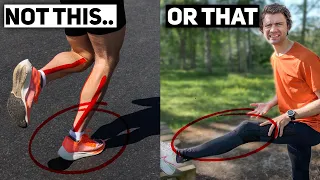
quite likely a combination of both your running shoes could also be contributing check that they are not too worn and are giving your foot the support that it needs I mentioned earlier that the causes can be poor movement at the hip but below the knee as in the Foot and Ankle can also be bringing on the issue for example if your foot excessively Falls inwards AKA over pronates this will lead to the knee following suit and also falling in it's worth getting a gate analysis and speaking to the Professionals in a running store for some
advice I will just caveat that though with the fact it could actually be the hips causing poor knee movement and then actually looking like it's happening at the foot sometimes it's hard to tell which is actually the initial cause but with that in mind it's just a good idea to tackle all of it I mean who doesn't want to be stronger and more mobile well that's the cause it's covered it's time to move on to prevention [Music] taking the pressure off the patellar femoral joint through stretching is usually pretty rewarding I find that it's effective
and tends to work quite quickly but as with any type of stretching make sure that you only do it when you're warm and you do it correctly and you take your time on that and one of the main areas you need to stretch are your quadriceps and this stretch doesn't really need any venting you need to find a position that you can hold either lying or standing I would recommend lying on your side to get the best stretch and isolate the quads hold your lower knee towards your chest and take your other leg by the
ankle and pull the ankle towards your bottom the idea is to keep your hips still and stretch purely the muscles down the front of your thigh and into your knee you can opt for doing this stretch in standing just make sure your balance you've got something to hold on to and that your pelvis is really still and stable otherwise you'll just end up tilting your pelvis as opposed to stretching the quads so standing on one leg get a hold of the ankle with the hand on the same side pull the ankle towards your bottom but
trying to keep both of your knees level your pelvis level and then the stretch is purely going to be down your quads alternatively if you are comfortable doing this while it's quite a I guess an acute stretch you can do it kneeling down or kneeling on one knee I would suggest putting a pillow under the back knee and you're in a sort of semi-lunge or kneeling lunge position again get hold of that back ankle and pull it towards your bottom and you'll be stretching that back quad but the knee will be on the pillow so
it might be a bit too intense for some people not all of these stretches are focusing on the same area and doing the same thing so it's just a matter of finding out what works best for you and then we need to move the focus further up the leg into the hip flexor so like it sounds it's the muscles which actually help to flex the hip as opposed to just moving the knee and you've got various options again for this area you can adapt the previous stretch by stepping the front foot further forwards and widening
The Stance then dropping your hip forwards you should feel the stretch move further up the front of your leg and moving that Focus away from the front of your hip there's a hip mobility exercise which I really like and I find helps just relieve things so lying on your front bend your knees so that your feet or your ankles are basically facing up to the ceiling and then you're going to simply lower your heels and your ankles out towards the outside of either legs so sort of opening up your hips and then you can repeat
that keep that as more of a fluid movement as opposed to a stretch that you hold but you might find that's quite relieving and then we need to also take a look at the glutes as they obviously play a big part in hip mobility so another good stretch lie on your back with your feet on the floor and your knees bent Place one ankle across the opposite thigh and then then pull that thigh towards you you'll know if you've got it as you'll certainly feel that stretch in your glutes I focused on those muscles but
if you know that you're prone to tight calves or hamstrings then make sure you give those areas some attention too lengthening the muscles should not be done alone strength is equally if not more important and it might not give you that immediate release you feel from stretching but it will have a greater impact when you return to running and glutes need to be the main emphasis for this strength workers along with your core having strong and actively firing glutes it's going to help with that tracking of your knee or of your patellofemoral joint and this
is going to help make you a more efficient Runner as well as reducing the chance of any return of anterior knee pain you can focus on the glutes with exercises such as hip bridge crab walks sideline clams which will really help with activation and strength I won't go into details here as we have a video dedicated to strong glutes but introducing more of the whole body exercises such as deadlifts and squats can also really complement your run training all of those stretches and strengthening exercises are naturally going to have a positive effect on your running
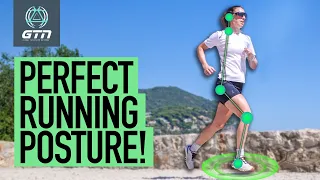
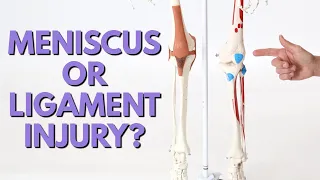
form but you can actually look to focus on that in particular with some run drills which will help with that running efficiency and cause better knee alignment which reduce the chances of any injuries but in particular that knee pain I just want to finish with a disclaimer that not all knee pain even front of knee pain is going to be patellar femoral joint problems and if you have been having this issue for a long time pain in the knee for a long time or it's so severe please go and seek the advice from a healthcare
professional but anyway I do hope you've watched this video purely out of Interest not because you've got a running injury at the moment but here's to happy pain-free running give us a like if you're on that page