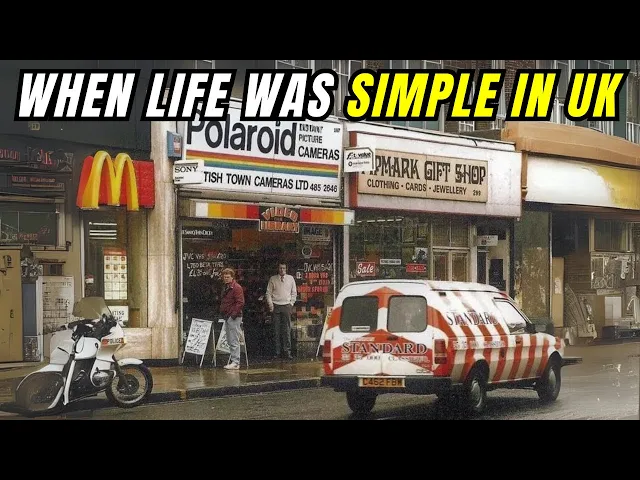
You could hear it before you even opened the door. Plastic wheels screeching on pavement, seaax buzzing on the telly, and the clink of milk bottles at dawn. None of it's here anymore.
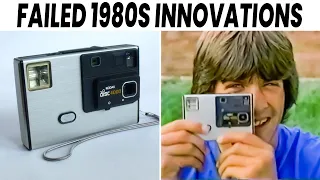
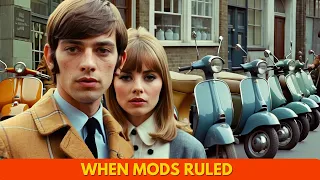
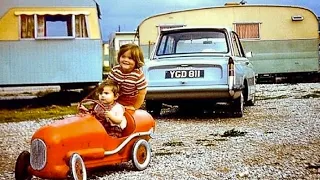
But if you grew up in Britain in the 80s, every one of these memories is burned into your bones. We dug up 20 things we truly miss from that wild, colorful, unforgettable decade. And warning, some of them might hit you right in the nostalgia.
Before smartphones, before PlayStations, there was the ZX Spectrum, a rubber keyed marvel that turned British living rooms into pixelated battlegrounds. Released in 1982 by Sinclair Research, it wasn't just a computer. It was a right of passage.
Kids learned to code, load games from cassette tapes, and type commands like load while praying it wouldn't crash halfway through. It sold over 5 million units and introduced a generation to games like Manic Miner and Jetet Willie. For many in Great Britain, it was the first time technology felt personal and noisy and painfully slow.
But no one cared. It made you feel like the future had arrived, even if it came with loading screens that took 10 minutes. In the kitchens of 80s Britain, the Soda Stream was practically a badge of honor.
With a satisfying hiss, it turned boring tap water into fizzy magic. Kids loved mixing their own cola or orange flavors, often way too strong, while parents hoped it would save money on canned drinks. It wasn't just a gadget.
It was a mini science lab on the countertop. Get busy with the fizzy wasn't just a slogan. It was a challenge.
Before smartphones and weekend lions, many British kids had a paper round. Waking up before 6:00 a. m.
, rain or shine, to deliver newspapers doortodoor was a right of responsibility and a source of pocket money. It taught discipline, grit, and the value of a crisp£5 note. Back then, news wasn't digital, and every street had someone cycling with a heavy canvas bag.
For many, it was their first job. And the quiet streets of Dawn still hold the echoes of rattling letter boxes. When Michael Knight hit British screens in the mid80s, everything changed.
Night Rider wasn't just another import. It was mustwatch television. And Kite, the talking car became an instant icon.
Every kid wanted one, and every commercial break felt like an eternity. aired on ITV. It combined action, tech, and slick American cool in a way that stood out from anything else on telly.
Friday nights felt electric, and Playgrounds buzzed with talk about the latest episode. If you could bring back just one show from the 80s, would it be this one? Cheap, cheerful, and unforgettable mini milk ice creams were a staple of British childhood in the 80s.
For just a few p you got a creamy milky treat that somehow felt both simple and perfect. No chocolate coating, no gimmicks, just frozen nostalgia on a stick. They came in strawberry, vanilla, and chocolate, and they melted faster than you could eat them.
Every corner shop freezer had them, and every summer memory seemed to include one. Before Spotify and Bluetooth, the Sony Walkman was the height of cool in 80s Britain. It gave you the power to carry music in your pocket with chunky headphones and that satisfying click of a cassette door.
Suddenly, the world had a soundtrack and it was yours. Tapes wore out, batteries drained fast, and you'd use a pencil to rewind them. But none of that mattered.
Wearing a Walkman felt like freedom. Even if your tape only had nine songs. In the 80s, nearly every British neighborhood had a green grosser.
often run by the same family for decades. Before the rise of supermarkets, this was where you got your apples weighed on metal scales, your spuds in paper bags, and a smile with your change. They knew your name, your mom's usual order, and the exact type of tomatoes she liked.
It wasn't just shopping, it was community. And it's one of those everyday rituals that quietly disappeared. There was no streaming, no pause button, and no second chances.
If you missed Saturday morning cartoons, you missed them. British kids in the 80s would wake up early, bowl of cereal in hand to catch shows like The Raccoons, Dungeons and Drgons, and He-Man. For a few sacred hours, telly belonged entirely to kids.
It felt like a weekly holiday with flashing colors, over-the-top intros, and characters that lived rentree in your imagination all week long. Long before the internet, Sefax and Telet were Britain's window to instant news, football scores, weather, and even quizzes, all on your TV screen. Launched by the BBC in the 70s, but thriving in the 80s, they looked like something out of a sci-fi comic.
blocky text, neon colors, and page numbers you had to type in. It was slow, clunky, and completely addictive. Page 302 for football.
Page 101 for headlines. Everyone had their favorites, and somehow it felt like magic that it worked at all. No fashion trend screamed 80s.
Britain louder than the shell suit. Made from shiny, swishy material in clashing neon colors, it was part tracksuit, part statement, and entirely unforgettable. Worn by kids, teens, and even the occasional gran, it became a staple from high streets to school discos.
They weren't breathable, they weren't subtle, but they were everywhere. Matching top and bottoms were non-negotiable, and the louder the pattern, the cooler you looked, at least back then. Every morning in 80s Britain, you could hear the familiar clink of glass milk bottles as the milkman made his rounds.
Left on the doorstep before sunrise with silver, red, or gold foil tops, they were a comforting start to the day. It wasn't just about milk. It was part of the rhythm of life.
Even the birds knew when to peck through the foil, and returning the empties felt like a small, satisfying ritual that kept the world in order. British telly in the 80s wasn't just about the shows. It was the ads that stuck with you.
Catchy jingles from brands like Bird's Eye, Milky Way, or Rally Bikes became part of the national soundtrack. Some were so memorable you'd sing them at school without realizing. They were short, bold, and weirdly brilliant.
You can probably still hum a few today, even if you haven't heard them in decades. Which jingle from the 80s is still stuck in your head today? In the 80s, Britain, no magazine captured pop culture quite like Smash Hits.
Packed with glossy posters, cheeky interviews, and full song lyrics, it was a must-have for every music obsessed teen. It didn't just report on pop stars, it made them larger than life. From Boy George to Wham, it gave fans a voice and a connection.
Reading smash hits felt like being part of a secret club. One where sarcasm and silliness were just as important as music. Before electronic superstores took over, there was Rumble.
In 80s Britain, it was the place to rent or buy TVs, VCRs, and washing machines. If your telly broke, chances are you got your replacement from there, delivered and installed by someone who knew your post code by heart. It wasn't glamorous, but it was dependable.
Rumble was part of the high street fabric until it quietly vanished in the '9s, taking a piece of everyday life with it. During the summers of 80s, Britain, the Radio One Road Show turned seaside towns into live music hotspots with DJs like Simon Mayo and Steve Wright. It brought the energy of national radio straight to the beach, complete with giveaways, live bands, and crowds singing along in the sun.
It wasn't just a broadcast, it was an event. Families planned holidays around it, and for many kids, it was their first live music experience. The road show made radio feel alive, local, and loud.
British school lunches in the 80s were hit or miss, but the puddings were legendary. From jam roly pololi with custard to cornflake tart and chocolate sponge with pink sauce, these desserts were sweet, heavy, and totally unforgettable. They weren't gourmet, but they were comforting.
Everyone had a favorite and even decades later, just hearing the name brings back memories of mica tables, plastic trays, and that unmistakable smell of the school canteen. Woolly's as everyone called it was the beating heart of the British high street in the 80s. You could buy pick and mix suites, cassette singles, toys, school supplies, and even socks all under one roof.
No trip to town was complete without popping in. It wasn't just a shop, it was a ritual. The smell of the pick and mix aisle alone is burned into memory, and losing Woolworths felt like the end of an era no one was ready for.
Before streaming and digital downloads, a trip to the video shop was a weekend event. Places like Blockbuster or Local Independence let you wander the aisles, judge movies by their covers, and argue with your siblings over what to rent. New releases had a waiting list, and horror sections felt offlimits and thrilling.
You'd rewind the tape, drop it off in the slot, and do it all again next Friday. It wasn't just about the film, it was the whole ritual. And no algorithm has ever replaced that.
Share in the comments what movie did you rent over and over, even when you knew the ending by heart. Before YouTube and on demand content, tissues and multicolored swap shop were the kings of Saturday morning TV in Britain. One was chaotic, full of custard pies and water buckets.
The other, more wholesome, let kids call in to trade toys and talk to their favorite stars. They weren't just shows. They were live, unpredictable experiences.
You never knew what would happen next, and that made them magic. For many, they were the heartbeat of childhood weekends. In 80s Britain, few things were as oddly terrifying as public information films.
Aimed at kids and adults alike, these short clips warned about dangers like playing near water, crossing the road, or talking to strangers, often with eerie music and stark narration. They stuck with you for life. Charlie says green crosscode man and that haunting film about electrical substations weren't just educational.
They were burned into your memory. Maybe it's the sounds, the smells, or the colors. But some memories from 80s Britain never really leave you.
These weren't just things. They were part of how we grew up, laughed, learned, and connected with the world around us. Which one hit you the hardest?
Or is there something we missed that still lives rentree in your memory? Tell us in the comments. We'd love to hear your stories.
And if this trip back in time made you smile, leave a like and comment to help more people rediscover the magic. Because sometimes the past isn't gone.