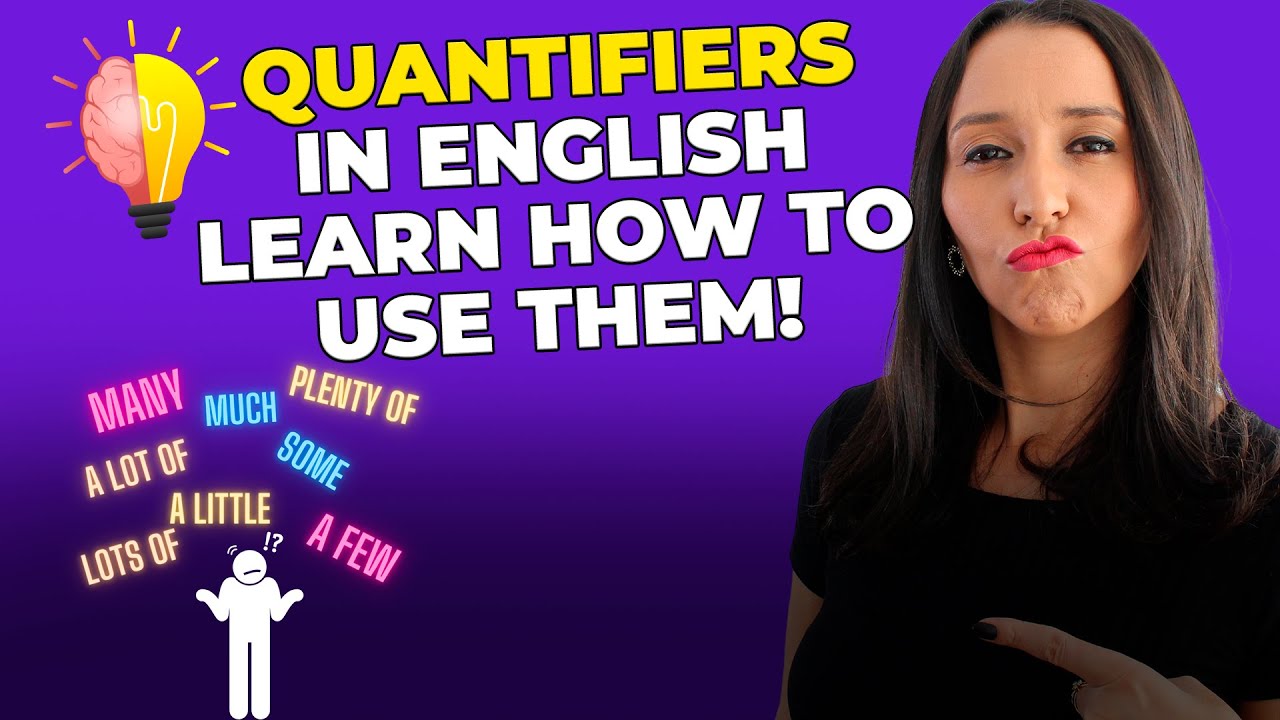
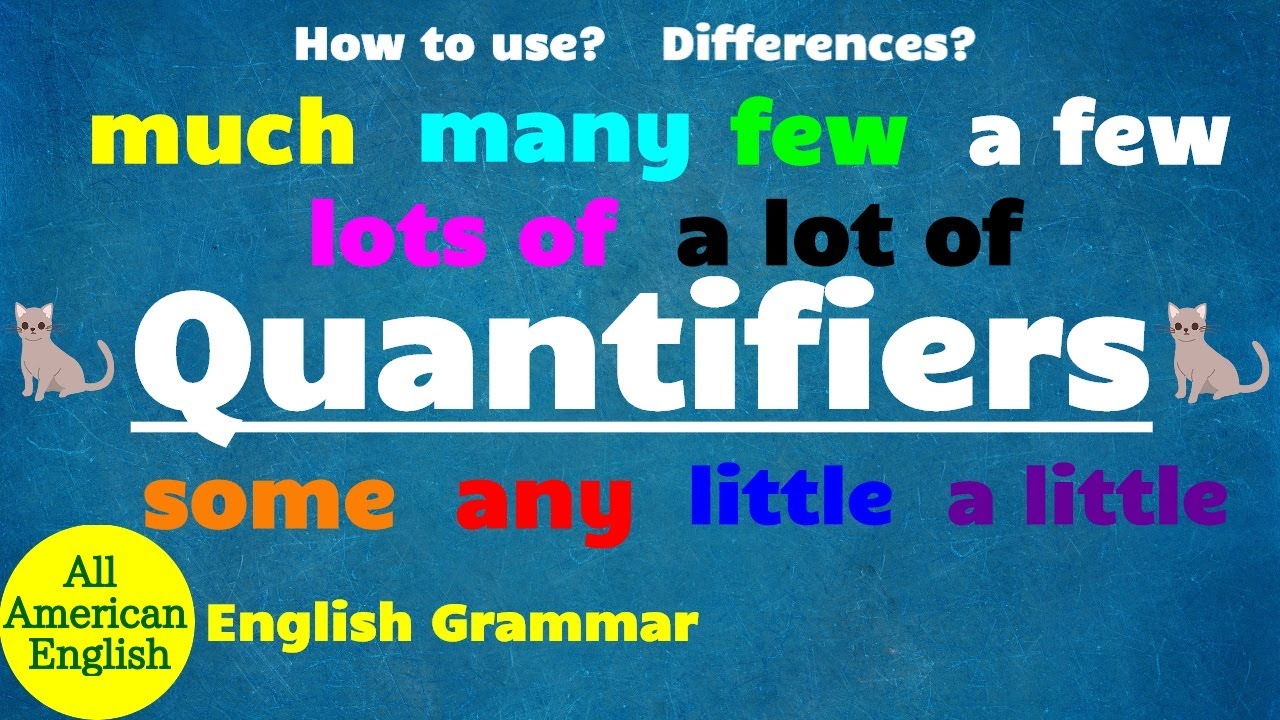
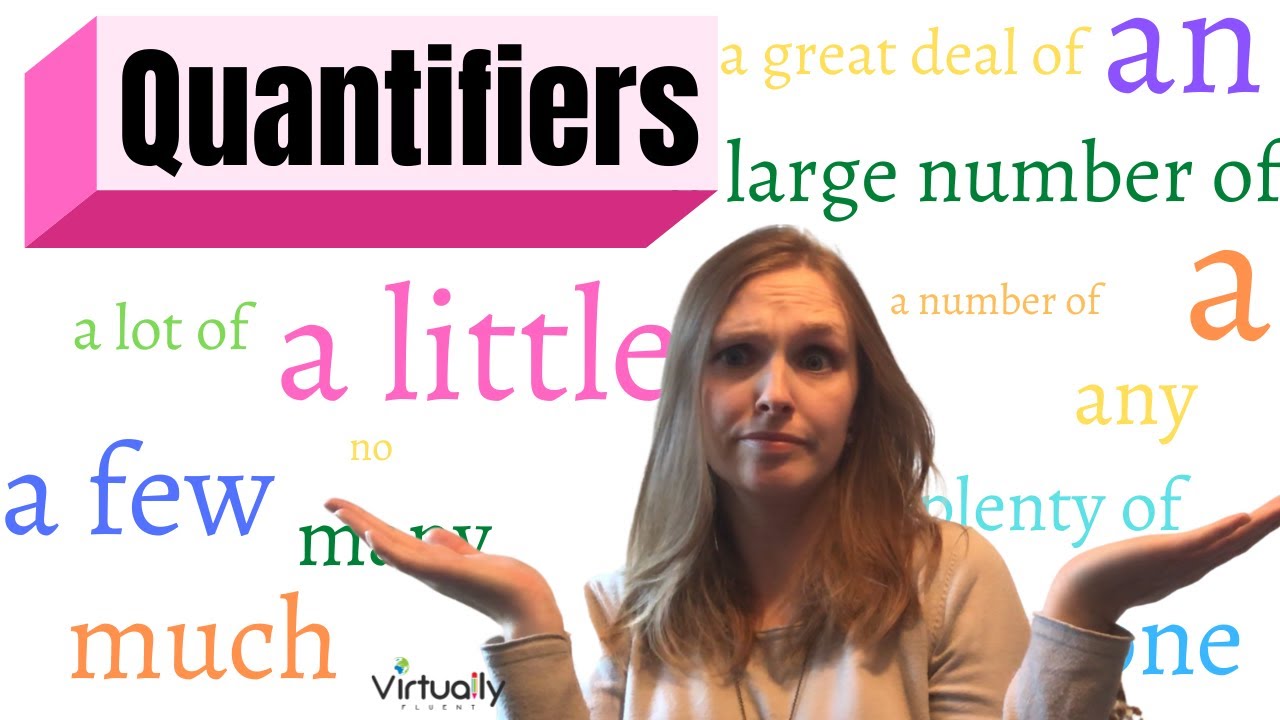
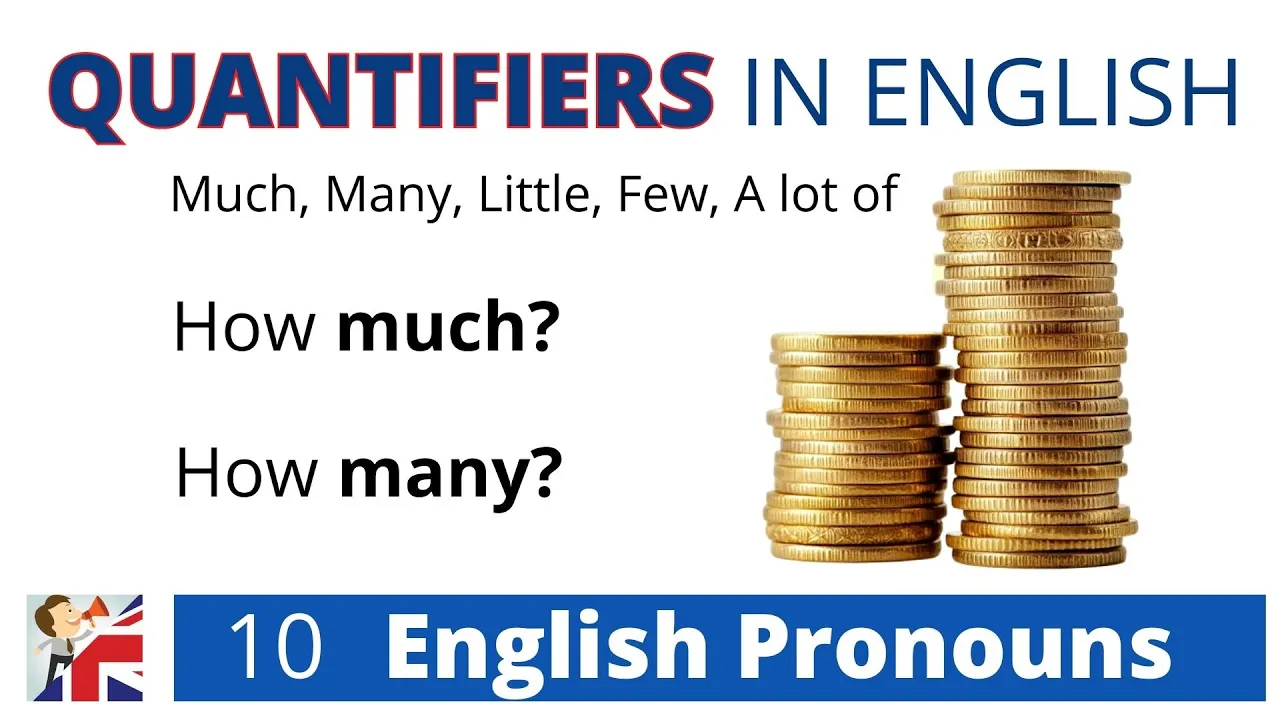
quantitative pronouns we are confidently moving forward on the path of studying english pronouns and in this chapter we will study quantitative pronouns attentive students will ask how can a pronoun replace a number the answer is quantitative pronouns do not replace the exact number they describe an inaccurate or undefined number of objects quantitative pronouns express the value of an undefined number and are applied to both countable and uncountable nouns there are the following quantitative pronouns little a little few a few much and many all these pronouns have the meaning of an amount of something but some
of them are used only with countable nouns and others are not so now it's time to remind you which nouns are countable and which are uncountable countable nouns are all that can be counted and referred to with figures these are objects such as trees cars pencils etc or specific concepts of time years days hours uncountable nouns are something that cannot be counted these are the following concepts liquids such as water oil and milk innumerable sand and flower and abstract time work knowledge etc the scheme will best help understand how to properly use such pronouns for
uncountable and countable nouns now let's take a look at each of the pronouns little and a little both pronouns are used with uncountable nouns and have the meaning little or insufficient number what is the difference the difference is the shade of meaning which is easy to remember little carries a negative meaning it is not enough very little almost none at all i have very little money means almost no money a little carries a neutral meaning just a small amount with a little training the sportsman could win means just a little bit of training few and
a few pronouns are used with countable nouns and have the meaning small and insufficient number what is the difference the difference is the shade of meaning which is easy to remember few carries a negative meaning not enough very little almost none at all for example i have few friends which means really not enough friends a few carries a neutral meaning just a small amount for example i have a few friends which means a small number of friends note the pronouns few and little have degrees of comparison few fewer the fewest for countable nouns and little
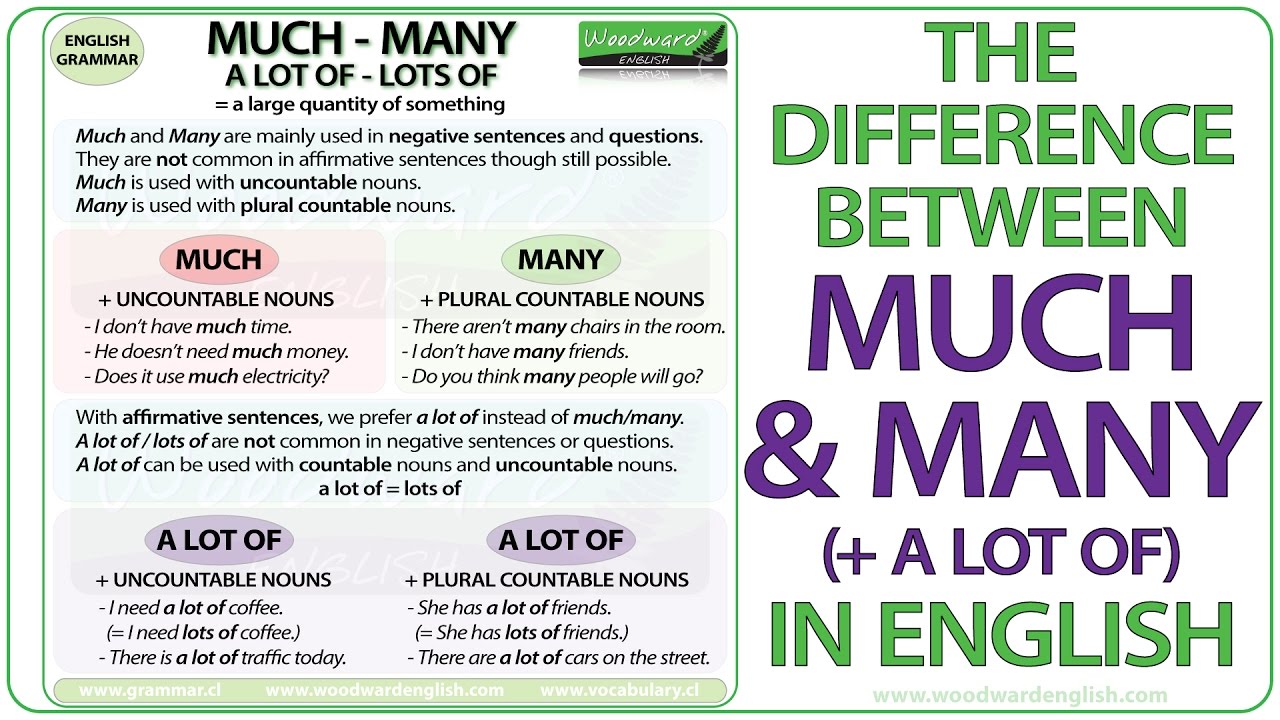
less and the least for uncountable nouns many and much both pronouns mean a lot of something manny is used with countable nouns the opposite of the concept of many is few for example how many friends do you have friends are countable much is used with uncountable nouns the opposite of the concept of much is little for example how much time do you need for work time is an uncountable noun very often before pronouns much or many in order to strengthen the meaning adverbs to and very are used for example there are not very many students
who speak two languages i have too much work to do a lot of lots of plenty of instead of much or many you can use synonyms a lot of lots of or plenty of these words also mean a lot they are convenient to use because we can use them with both countable and uncountable nouns but the shades of meaning are slightly different a lot of or lots of replaces many and much for example he has a lot of friends in spain there are lots of flowers in the field i drank a lot of coffee yesterday
it is believed that lots of is more used in informal speech plenty of means very much so much more than necessary there is plenty of time check yourself how much water do you drink i eat a lot of apples i read a few pages but passed the test are there many trees in the park i have a little time quantitative pronouns usually do not cause difficulties and typical errors are associated with countable or uncountable nouns please catch any chance to practice quantitative pronouns by using them in everyday speech for example i haven't much milk in
a fridge many people would want the same bike as you have i spent a lot of money and finally we remember the proverbs they are very instructive hope for the best but prepare for the worst and most importantly we remember that practice makes perfect you