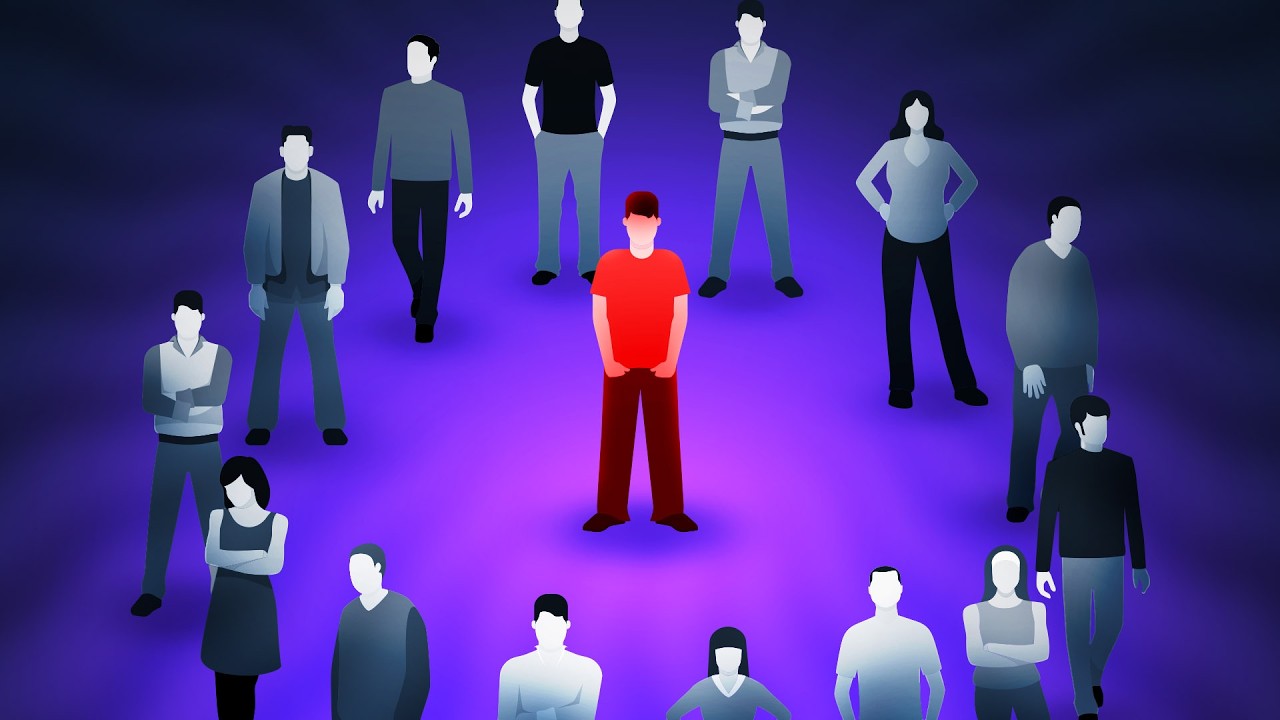
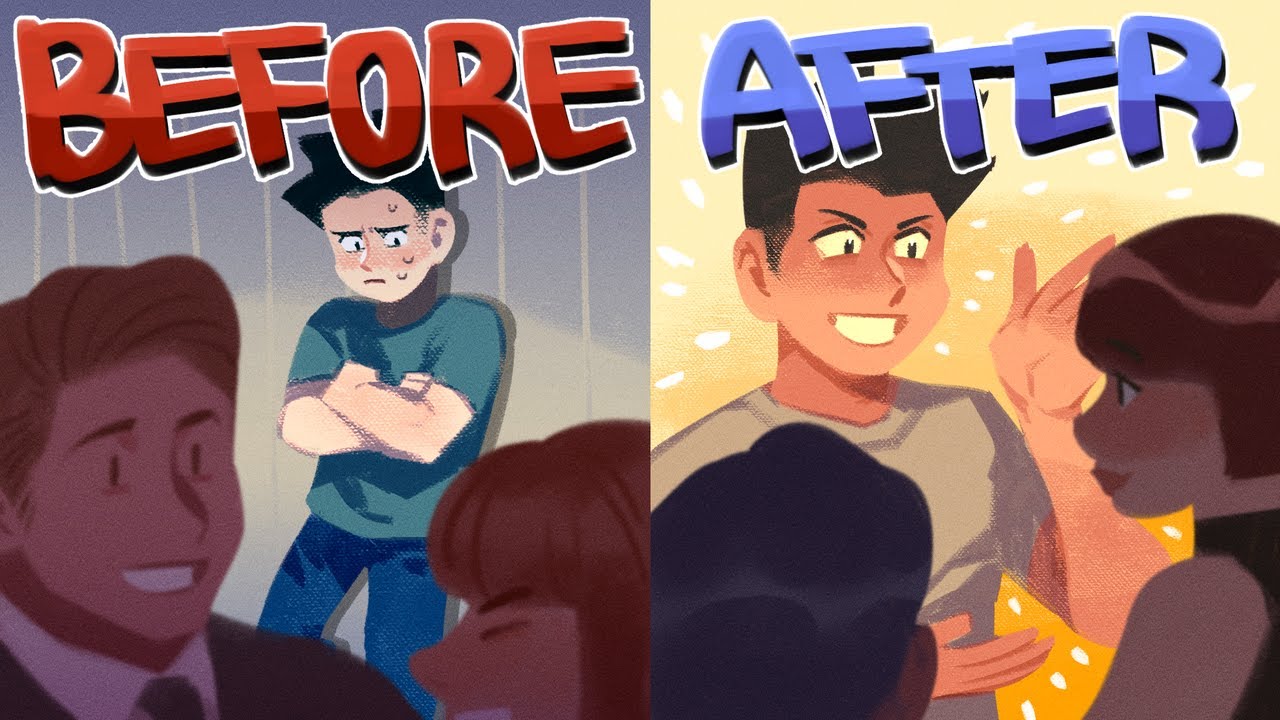
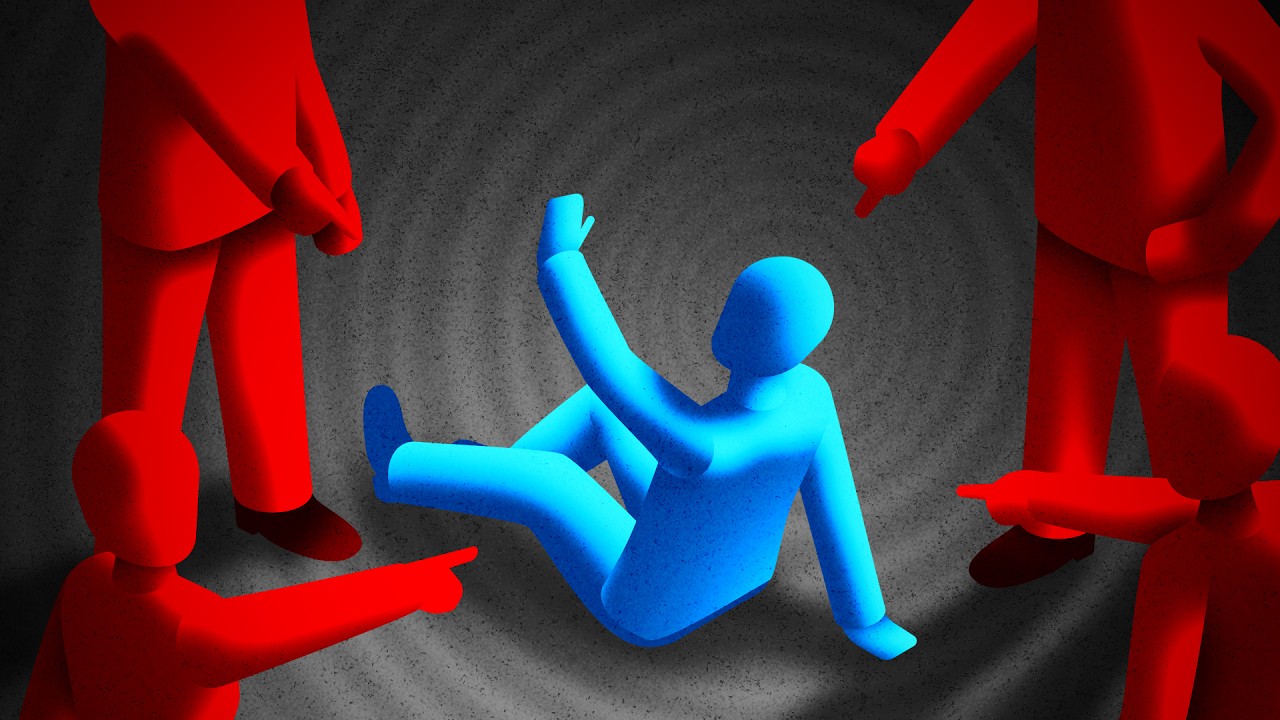
today we're going to talk about how to shortcircuit social anxiety so if you're struggling with social anxiety chances are you go into a situation and you're kind of overthinking things your mind is producing all of these thoughts like what will people think what will will people like me or not like me what should I say what should I not say should I speak now should I speak later should I wait how do I find an in into the conversation and so your mind is in kind of overdrive or analytical overdrive and even if you're able
to overcome your social anxiety right you can take all those thoughts and all those worries and squash them way down and then like engage in the social conversation there's still this basic problem because you've got this inner voice and so you're fighting against that inner voice in order to overcome it with rationality and Analysis and reassurance hey just a quick note a lot of people will ask us what do I do next and that's why we built Dr K's guide It's a comprehensive resource that distills over 20 years of my experience both as a monk
and as a psychiatrist and it's designed in a way that's tailored to fit your needs so if you're interested in better understanding your mind and taking control of your life check out the link below today we're going to talk about how to actually disable that inner voice so that you don't have to struggle or fight every time you feel anxious in a social situation we're actually going to start by looking at how social communication actually works and instead of turning to a a success story of some kind of person who was very very shy and
then became an alpha Chad we're actually going to turn to the Animal Kingdom because here's the Wild Thing animals don't even know how to talk they don't I don't think that they sit there and they struggle with social anxiety in their head and use analysis and watch YouTube videos and like Google things and Wikipedia things somehow animals despite having all none of these tools can actually overcome their social anxiety they're very social creatures and so if we stop and think about it what we realize is that animals are using all of these different circuits in
their brain they're using these the social circuitry empathic circuitry they're reading body language tone things like that and they're actually able to communicate very effectively and so what's the problem in today's world the problem is that we don't use any of those circuits right when we're in a socially anxious situation what are we actually doing what's our approach to resolving our social anxiety it's actually analysis logic reassurance research on the internet you're watching a video about social anxiety in a room probably all by yourself or on your phone this is the way that you approach
the problem and now here's the problem with that is that if we sort of think about what we find socially reassuring it's actually all of that other stuff it is that stuff like body language and tone So today we're going to talk about how to harness that the other thing that we've got to touch on is that we tend to think about social social anxiety is a psychological problem right the place that you feel the suffering is in your head you have all these thoughts have all these worries maybe your heart is racing some and
so we also send people to like therapists and we sort of think about Psychotherapy as a treatment for social anxiety and if you've got a disorder that's actually a really good idea but one of the things that we have to understand is that anxiety and social situations is not purely a cognitive problem it's actually a problem of perception and Physiology as well and if we think about how animals become comfortable in social situations they use the full Suite of their senses right they'll pay attention to body language they'll pay attention to tone they'll even make
eye contact with each other and a lot of animals will also use smell and so that's what we're going to talk about today how to use smell to overcome your social anxiety so when you enter into a room one of the most reassuring things that you can do to disable these parts of your brain is to sniff other human beings and to raise your armpit and allow other human beings to sniff you actually we're not going to do that at all that is a terrible idea don't do that okay but in actuality there's a really
good principle there which is that when we utilize our other senses we can actually disable some of the circuits that cause social anxiety the next thing that we need to understand is social reassurance so we feel socially anxious and that largely comes from the left hemisphere in the cerebral cortices this is where all of our hyper thinking comes from at the same time we get activation of our amydala which is our fear Center which is kind of in a primitive part of the brain and so the social anxiety picture is really a combination of those
two things hyper analysis from our higher order brain functions and A Primitive fear response the interesting thing is that social reassurance actually comes from different parts of the brain it comes from some of our ability to interpret signals and different kinds of perceptions and so what we really need to do is recruit those parts of the brain the challenge is that in the society that we live in today those parts of the brain tend to get shut off and I'll give you all just a really simple example so let's say I walk into a party
and I'm feeling really anxious what are the signals that I could perceive that would make me feel relaxed if I saw other people looking at me and smiling at me and like waving me over they're like hey look it's Dr K Dr K is here awwesome like hey man thanks for coming they can say all of those things but I don't even need them to say it if I if I walk in and I see other people and they smile and they wave me over that will be socially reassuring I may feel like I'm on
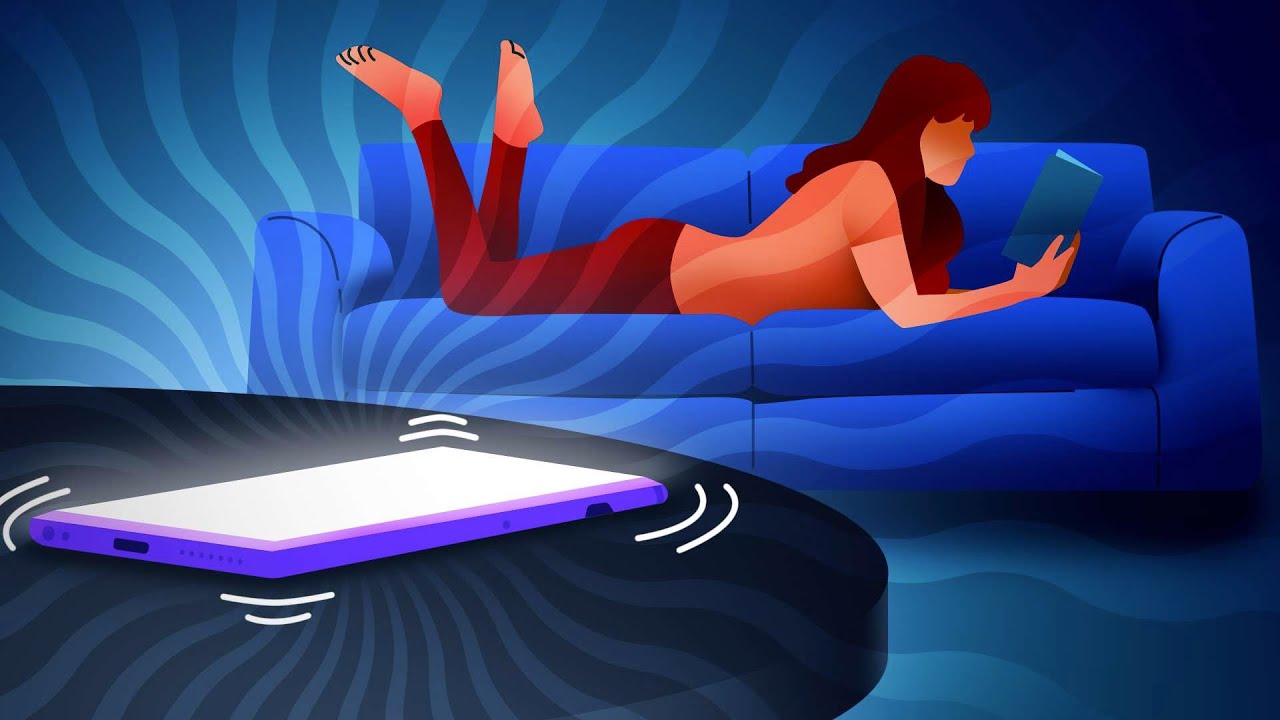
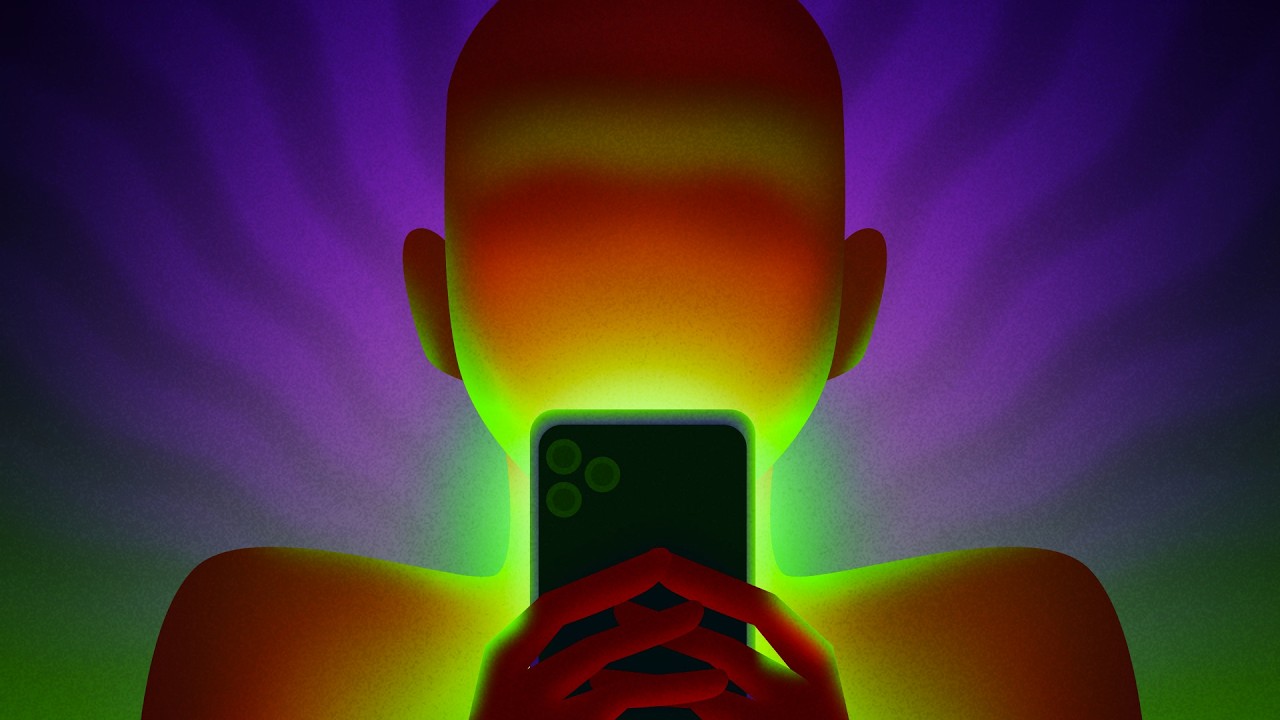
the spotlight for a split second but it'll feel very reassuring and this is the problem is what do we do when we walk into a party and we feel socially anxious we pull out our phones and we start looking at our phone and now our perceptions are locked into here and if my perception is locked into here how am I going to to get all of those socially reassuring signals how am I going to see that people despite being near me their body language is relaxed or excited or that they're smiling or they're trying to
make eye contact what all I'm going to do is I'm going to be kind of locked in over here and as my perceptions are locked in over here I don't get any of that reassuring feedback so the empathic circuits of my brain aren't receiving the kind of information that they need so we have these parts of the brain called for example the visual Association cortex this is the part of our brain that when we get visual stimuli attaches meaning to it so like I can look at things and my the visual cortex kind of processes
information but then the meaning attached to that information so for example like if I come into my house and there's a bouquet of my favorite flowers there that means something to me because those are my favorite flowers and then I'm going to feel loved and cared for and I'll relax a little bit more so the visual Association cortex is really really important for helping us feel reassured the problem is that nowadays we're always on our phone so we literally don't turn that on and that voice inside you that feels very very very socially anxious that
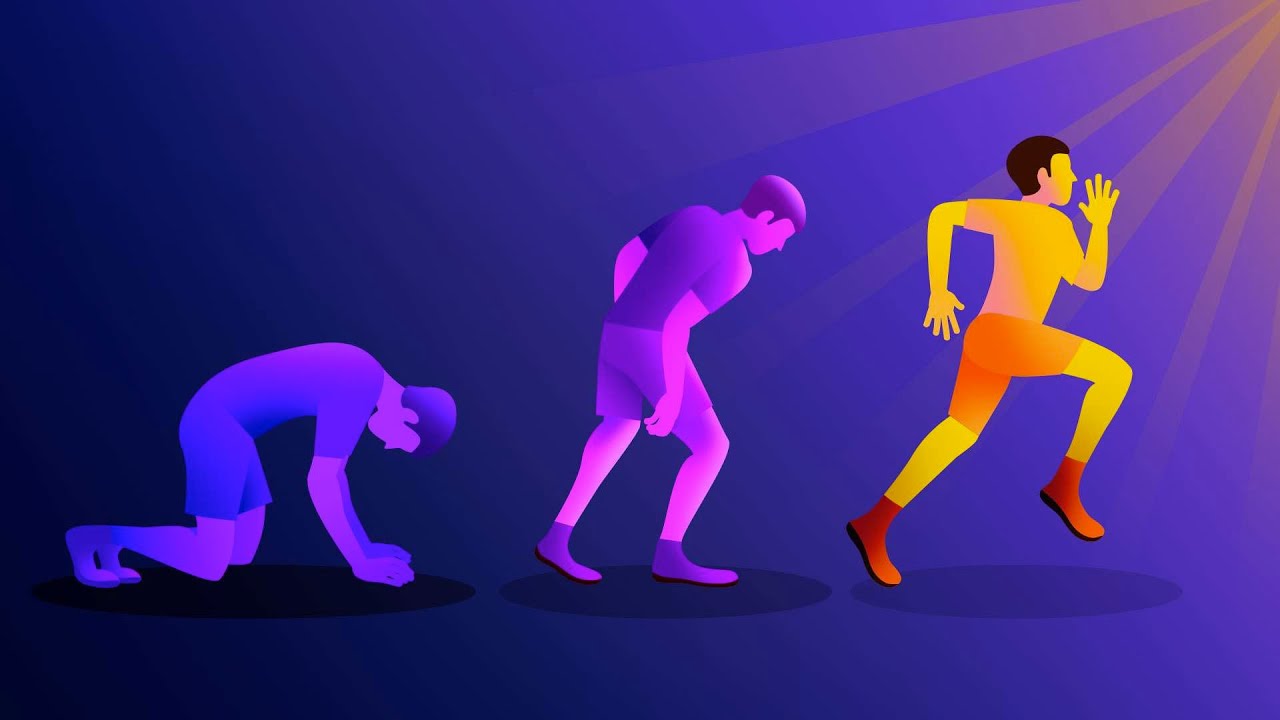
voice is actually disarmed by some of these parts of the brain like the visual Association cortex so if we want to short circuit our social anxiety what we really need to do is recruit these other parts of the brain and sort of really think about from a phys physiologic standpoint how we can disable social anxiety so there going to be three things that we can do the first thing that we're going to do is actually stand up straight and roll our shoulders back and breathe very slowly and especially slow exhalation so this does a couple
of things so when we feel socially anxious our adrenaline is going to be higher as our adrenaline is going to be higher it changes our pattern of breathing and that adrenaline is actually going to make us feel more panicked so from a physiologic standpoint we need to take a step back roll your shoulders back and there's a really simple exercise that I'll give people which is try to crack an egg with your shoulder blades so imagine that there's like an egg and that you're sticking it between your shoulder blades and you're kind of rolling your
shoulders back a little bit to crack it you don't have to hold it like that you don't have to like walk into like a room like walking like this but sort of do that a little bit to counteract that kind of hunched cell phone posture okay so once you sort of do that you're going to raise your head up so you're going to sort of adopt a more open posture instead of like hunched and defensive and then the other thing that's that that's going to do is sort of expand your lungs from a mechanical standpoint
and as you expand your lungs from a mechanical standpoint you can take in sort of slow uh deep breaths but especially slow exhalation is really important it'll physiologically disable that adrenaline and as we disable the adrenaline we'll start to feel more relaxed our amydala will start to shut off and so as as our amydala shuts off that voice inside you that is worried will start to actually get short circuited so that's number one so shoulders back head up high and take especially deep breaths with long exhalations now that we have our shoulders back and head
straight the second thing that we're going to do is make eye contact now this may terrify you because if you're feeling a lot of social anxiety the whole point is to avoid eye contact you don't know what people think and you're like just over here and you don't want to make eye contact and it feels really terrifying to make eye contact the problem is that without eye contact our visual Association cortex cannot get any reassuring stimuli right like we don't have any reason to be reassured because we're blocking out those messages and this is the
problem is when we don't actually have information or experience or data our brain is left working with the analytical portion so this is essentially like Theory crafting without ever playing a game so you're sitting there and you're not actually getting any data you're not getting any information and your brain is going through 6,000 iterations to try to Theory craft your way to success but I'm sure that you you all know like you can't Theory craft your way to the top of a ladder you can't watch porn to the point of like Theory crafting to be
good at sex you can't watch like movies and suddenly become like an amazing human being Theory crafting only gets you so far in the basic problem with social anxiety is all we're left with is our analytical portion because we're not actually receiving data so we want to make eye contact we don't want to make eye contact for very long A lot of people are wondering like okay how long should I make eye contact what I would sort of recommend is if you're in a social situation you make eye contact for one second at a time
and then you move on to something else and really simple way to do this is that if you're part of a conversation you just look at whoever is talking okay and when someone is talking what they're going to be doing is automatically making eye contact with everyone around them so you want really brief periods of eye contact if you're in a one-on-one conversation you don't want to stand directly across from them you usually actually ideally want to be at like a 45° angle so you can kind of look over it them while they're talking and
then you can like look to like a neutral situation and you want to sort of do this for like a 1 second period so it doesn't feel overly excessive and you may sort of struggle with this a little bit at the beginning you don't have to count it'll actually feel natural and your body and brain will actually like take over on its own so how long you want to look over here okay you're saying this oh that's really interesting as you speak you can kind of like look to a neutral location Okay the third thing
that we're going to do is smile so smiling is really really really important the reason that smiling is important is when I smile at someone else they smile at me this is just natural empathic mirroring right so if I go like this right what are you doing chances are if you're watching this you're smiling too and it's cool how that works and so let's think about that from a social anxiety perspective when I smile at someone else and they smile at me and I am keeping eye contact what does that do for my visual Association
cortex it relaxes me because hey this person actually likes me I'm starting to receive this kind of data now smiling can also be pretty terrifying because like we're not kind of used to it and so what I would recommend is you do these three things in neutral social situations to get some practice this is like a 30second kind of bit if even this is a 15-second practice where let's say you walk into a store shoulders back head up high make eye contact with like the person that you're ordering the sandwich from you smile hey h
how are you doing today or hey how's it going today I'd like to get a sandwich and that's it you just practice that for like 10 seconds what was that 5 seconds and so you do that practice for like 5 10 you know 15 times it doesn't really cost you very much there are no consequences right because your socially anxious brain is like what what are they going to think what are they who cares what they think you're never going to see them again practice these things a couple of times and as you practice them
then you can start to Institute them in a in a social situation and as you start to Institute them you are actually going to take like 90% of your brain which is what animals have and how they're able to maintain healthy social situations without language without analysis without Google without even Dr K oh my God how do these like Prides of of lions and like packs of wolves how can they socialize even ant colonies they don't have any of the stuff and yet they're able to form healthy social societies and that's because we're not using
all of these gigantic parts of our brain because we're like literally staring at our phone the whole time so if you want to sort of be more socially reassured what you need to start doing is start utilizing these parts of the brain and the more that you can do that the better off you're going to be there's one last thing that I want to leave with y'all is that when we smile we're also not talking about smiling for a long time okay so like here's like what we want to do is like flash a smile
so we want to go like this we want to go hey how that's a f one so let me try a real one hey how's it going today right that's a little bit fake but instead we don't want to do like this kind of smile like Hi how are you doing today right so we don't want long smilees smile for like a second or two flash a smile and then then sort of cut it out okay and so let us know how this works for you feel free to like comment or subscribe and let us
know in the comments like does this work for you not work for you practice it for a while and let other people know hey this is complete BS it's not working and then we'll go back to the drawing board and try to come up with something else [Music]