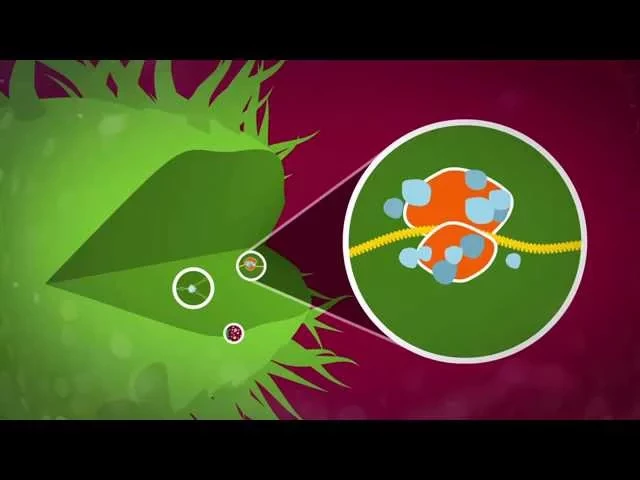
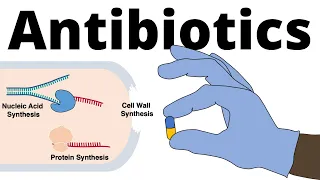
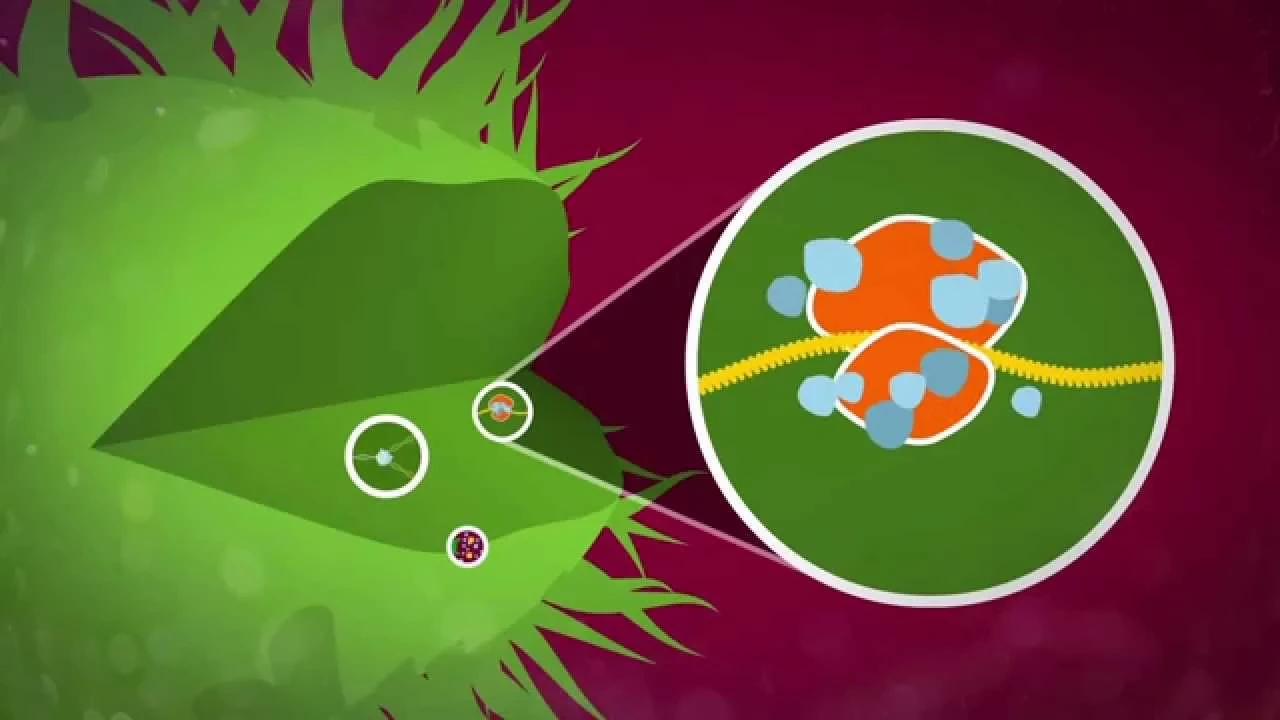
how do antibiotics work pathogenic bacteria in the body cause infections which can be treated by antibiotics antibiotics can be bacteriostatic or bactericidal bacteriostatic antibiotics slow the growth of bacteria by interfering with the processes the bacteria need to multiply these processes include dna replication metabolism eg enzyme activity protein production bactericidal antibiotics kill the bacteria for example by preventing the bacteria from making a cell wall penicillins are bactericidal penicillins include penicillin 5 for sore throats amoxicillin for chest infections and flux loxicillin for skin infections antibiotics can be so-called broad spectrum affecting many different bacteria in your body
including useful bacteria in your gut some antibiotics are more narrow spectrum only affecting one or two types of bacteria it is better to use narrow spectrum antibiotics where possible most antibiotics have no effect on your immune system antibiotics do not work on viruses because viruses have a different structure to bacteria viruses incorporate themselves into a host cell in your body in order to multiply bacteriostatic antibiotics that affect bacterial dna metabolism or protein production do not attack body cells and therefore do not slow the growth of viruses viruses do not have a cell wall and therefore
bactericidal antibiotics that act on cell walls cannot kill viruses