why do Pentecostals lay hands on people when praying for them what is the significance of this Dr David K Bernard explains in just a few moments welcome to Apostolic life in the 21st century a podcast dedicated to helping modern-day Believers live out the teachings of the first century church this podcast is part of the Teaching Ministry of Dr David K Bernard Dr Bernard has dedicated his life to studying the Bible and helping Believers a apply its message to their daily lives in Apostolic life in the 21st century Dr Bernard answers your questions about what the
Bible teaches and how those teachings apply to everyday life if you enjoy this podcast we encourage you to check out Dr David K Bernard's books Dr Bernard has written more than 30 books on biblical Theology and Christian Living and Leadership visit Pentecostal publishing.com and search David Bernard for a list of available titles enter promo code D kb10 at checkout to save 10% on your order that's Pentecostal publishing.com promo code dk10 to save 10% at checkout the New Testament makes several references to the laying on of hands in Hebrews 6 the writer makes reference to laying
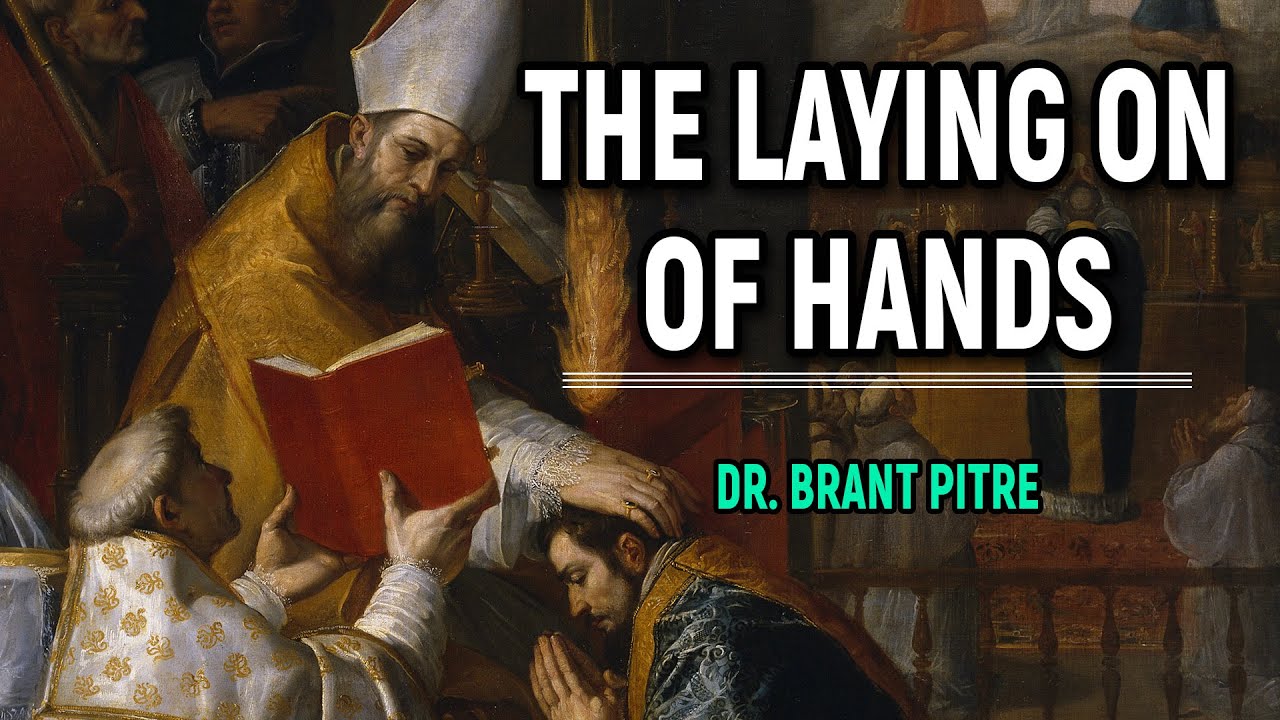
on of hands as one of the basic teachings of Christianity and and if somebody visits a Pentecostal Church they are likely to see the pastor Andor other church leaders lay their hands on people and pray for them and that can seem very strange and very uncomfortable if you are not familiar with a Pentecostal church service why do Pentecostals do this what's going on what's the big deal about laying hands on people when you pray for them when you study the laying on hands in scripture you start with the Old Testament the laying on of hands
is highly symbolic uh the human being doesn't really have any power but it represents God laying his hands on the person so it's a a focusing of our of faith for specific work of God at that time so in the Old Testament hands were typically laid on people when they were being ordained as a priest or ordained for other purposes maybe a prophet or a king there will be the anointing with oil which oil is symbolic of the spirit the laying on of hands also representing God's intervention so what we see then is the laying
of hands represents in the New Testament can uh be used to represent healing uh receiving the Holy Spirit um it can be used for ordination to uh various types being chosen as what seems to be in Acts chapter 6 deacons or uh later in the New Testament Epistles ordination for Ministry various form Ms of ministry so the Common Thread is it's a symbolism representing that God is laying his hands upon a person for a particular purpose and of course that operates by faith but with the visible use of the laying on of hands and then
sometimes also for healing the anointing with oil then it it makes it easy for we human beings to focus our faith at that particular moment instead of a generic Faith yes I believe God is going to help me or God's going to bless me we can say right now I'm believing that God is going to bless me for this particular work I believe in Hebrews 6 the laying on of hands is listed as one of the key doctrines of the church because it's representing the life of the spirit in the church so from church government
the laying on of hands for ordination to the laying on of hands for healing you see that in Mark 16:18 they shall lay hands on the sick and they shall recover uh James 5:14 the Elders of the church shall lay hands on the sick anoint with oil and pray for their recovery and and so we find this as a a symbolic gesture that helps to focus Faith so if someone is not familiar with the practice I think it's important to explain it so many times when people come up to pray and uh they're seeking God
maybe they're wanting to receive the Holy Ghost then I would explain to them as a pastor or leader in the church I would say now I we explain you must repent of your sins that's first then you open your heart and Faith now once you've repented of your sins you've surrendered everything to God you're ready to receive then you transition for repentance to worship to praise to expressing your faith speaking it out maybe you'll raise your hands to God when we see that you're ready we're going to lay hands on you as the Bible says
now some people in the Bible receive the Holy Ghost without the laying of hand so it's not essential but many times when a person came to the leaders wanting to receive the Holy Ghost then the leaders would lay hands on them and so in this example that I'm using someone is seeking the Holy Ghost I will say once you've repented uh once you've surrendered to God now begin to worship change from uh seeking repentance and forgiveness to seeking the Holy Spirit to worship and praise and when I see that you're doing that when you're raising
your hands you're calling out praises I will lay hands on you as a symbol that God is laying his hands on you and when you feel the laying on of hands that's an accordance to the Bible you can expect that God will lay his hands if you'll believe that at that moment you will receive the Holy Ghost and so it becomes a way of focusing Faith to receive so that could be for blessings but most commonly in the New Testament we see it's for healing and for receiving the Holy Ghost and when it's taught and
explain then it's very effective in helping people to have faith at that time to actually receive now I will uh add a few things that in the context of the church service I think the laying of a hand should be reserved for those who are identified as ministers or those leaders who are approved by the ministers because if it's just done indiscriminately it loses its significance there is something about the leadership of the church the people who have been chosen by God specifically to communicate the gospel and to pray when when that's used as a
symbol of authority if you think about it in our culture when would we ever lay hands on somebody's head we wouldn't do that unless it's maybe a child I might Pat the little boy on the head but that's because I'm in a superior relationship that's just a little kid so since it represents Authority we should be careful not to be indiscriminate now uh Mark 16 which I mentioned it does say these signs shall follow them that believe they shall lay hands on the sick and they shall recover so I do believe there's a Ministry of
the Saints so in the congregation you may feel led and if it's appropriate to to hold someone's hand or put your hand on their shoulder or put your hand on their arm well that's a non-authoritative way so I think that could still be the laying on of hands that wouldn't be restricted to a preacher or a leader or someone designated as such by the pastor to do the laying on of hands but I think that's the best of both worlds so if everybody's going around laying hands on the heads of strangers that's going to inhibit
U the work because who are you to have authority over me uh and what are you doing this for and if it's indiscriminate it loses that special quality of here's a point to focus your faith but if the leadership does it properly then it is recognized ing Authority and it is focusing Faith but to broaden it to every believer can intercede every believer is a priest unto God than the non-authoritative laying on of hands of um you know the arm or the shoulder or the hand can still communicate I'm believing with you let's have faith
for right here right now and certainly any believer if you're witnessing to someone if you're in someone's home or you're someone's in your home and you want to pray well then there the laying on of hands is not restricted to these signs shall follow the preachers it's these sign follow Believers so there is a role for the laying on of hands but it should be used uh purposefully intentionally not indiscriminately and when used properly it can become a great U tool for helping people to focus their faith to receive the promises of God thank you
for listening to this episode of apostolic life in the 20 2st Century if you enjoy this podcast please take a moment to give us a review on Apple podcasts Spotify or your favorite podcast app we also appreciate it when you share Apostolic life in the 21st century with a friend or family member and make plans to join us again next time as we look at how the Bible applies to Everyday Life