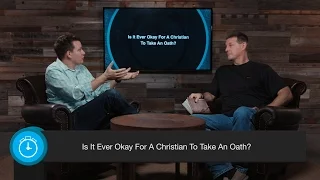
in The Sermon on the Mount Jesus said I tell you do not swear an oath at all all you need to say is simply yes or no anything beyond this comes from the evil one Jesus words present a problem for Christians who want to serve in law enforcement the military and even medicine because these and other professions require members to swear an oath before entering the field are these OES a violation of Christian teaching what should these Christian professionals do welcome to Apostolic life in the 21st century a podcast dedicated to helping modern-day Believers live
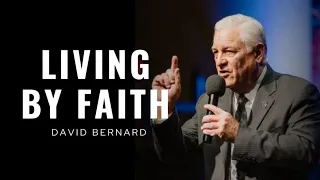
out the teachings of the first century church this podcast is part of the Teaching Ministry of Dr David K Bernard Dr Bernard has dedicated his life to studying the Bible and helping Believers apply its message to their daily lives in Apostolic life in the 21st century Dr Bernard answers your questions about what the Bible teaches and how those teach teachings apply to everyday life if you enjoy this podcast we encourage you to check out Dr David K Bernard's books Dr Bernard has written more than 30 books on biblical Theology and Christian Living and Leadership visit
Pentecostal publishing.com and search David Bernard for a list of available titles inent her promo code dk10 at checkout to save 10% on your order that's Pentecostal publishing.com promo code D kb10 to save 10% at checkout in The Sermon on the Mount Jesus said you have heard that it was said to the people long agoo not break your oath but fulfill to the Lord the vows you have made but I tell you do not swear an oath at all all you need to say is simply yes or no anything beyond this comes from the evil one
that's Matthew 533 and 34 and verse 37 from The New International Version so some of our audience members have read these verses and they that is has sparked a question for them because they're in professions that require members to swear and oath this would include members of the military uh doctors lawyers judges uh political office holders just to name a few is swearing an oath when you go into one of these roles for example the military or law enforcement is it a violation of Christian teaching and is is there an alternative for Christians you know
this is a a a teaching of scripture that we don't often consider and we should consider it more than we do and the the root teaching is honesty integrity and there's a problem in our culture and I see it even in church people take the truth very lightly and so it's very easy to lie to get out of trouble it's easy to shade the truth when it's in our best interest or we think it's in our best interest interest and so I think we need to really heed the words of Jesus what he's really trying
to say at the bottom line is we should as Christians we should be known as telling the truth at all times now I I will hasten to add maybe you don't have to say everything you think or everything you know um also uh you're not obligated to tell the truth you shouldn't lie but you're not obligated to tell truth to uh the the full whole truth nothing but the truth to everyone who asks so so to your spouse there's a high degree of accountability to a stranger you're not obligated to explain a lot of things
so part know one question could be to whom do you owe the truth and so like if it's the Nazis are knocking on your door saying do you have Jews in your house do you have an obligation to tell them the truth and you know there there there could be different questions on that that that brings up another issue is that is there hierarchy where it's you you can do a lesser evil to avoid a greater evil but aside from those rare cases I think what Jesus is saying is we should be known as people
of our word we always tell the truth it's a given we we're going to always tell the truth um our friends our employees employers our co-workers are going to know whatever we say they can count on and so when you if you think about it when you swear by an oath what you're actually implying is normally you can't trust me to tell the truth but in this rare case I promise you and again our society doesn't fully appreciate this but when you say oath what that technically means is you're calling God to be your formal
witness so what you're saying is if I'm not telling the truth I'm asking God to strike me dead right now so for people that really believe in God that believe in judgment believe in heaven in hell that's pretty serious so in Generations past for people to take an oath and usually they would do it on the Bible that is actually saying I want God to judge me and if I am lying or if I don't keep my promise I want God to kill me and send me to hell and so for people that are believers
that's about a strong as you can say but Jesus comes against that saying no because you're implying there two standards of truth that most of the time you can't count on me to be honest but this time you can and also maybe you don't really have authority to do that you know and and Jesus uses the example um you know don't swear by God's Throne uh be don't swear by Heaven because it's God's Throne nor by Earth because it's his foot stol nor by Jerusalem for the seity of the king nor shall you swear by
your head because you can't make one hair white or black I guess some people try to challenge the Lord on that uh so he's saying whatever you would swear by you don't have authority now in the Old Testament we find God swearing by himself that's okay because he he's vouching for himself but who would we call we we don't have control over so you're swear on the Holy Bible can you change the Holy Bible you know you don't have the right to to say that and and so Jesus saying just be known for telling the
truth also we have the same teaching in the Book of James which is kind of interesting because James often Echoes several places Echoes The Sermon on the Mount which maybe he's writing to a primary Jewish audience but maybe he he's the half brother of Jesus so he's one of the ones that seems to actually go back to the very words of Jesus more than most of others but uh James 5:12 but above all my brethren do not swear either by heaven or by Earth or with any other oath but let your yes be yes and
your no no lest you fall into judgment now some people have also said there's a few places in the Apostle Paul's writings he says I'm telling the truth I'm not lying you know God's my will witness or they say isn't he writing isn't he you know taking oath I I don't think it rises that level he's just trying to say as we might say when we're challenged or when our integrity is questioned it's not that we can't be trusted normally but when we're under attack we can say look you know God knows I'm telling the
truth I'm yes I'm I'm I am verifying so the Practical case I do think this means in our normal speech we should not say I swear this I swear that because you are implying two standards of Truth you are implying less trustworthiness for most of what I say um so I don't think in our conversation we should we should ever do that now when it comes to a formal declaration many Christians theologians have said well that's not what Jesus or James is talking about because it's more like what Paul was saying when you're when you're
in Integrity is challenged or when you're formally put on formal legal notice um that you are are you telling the truth or not and of course in a legal context you're assuming not just you as a Christian but the whole society which cannot be trusted so many will argue there is an exception for that however what's very interesting under us law going back from Early times and this is because of the and a Baptist of the Reformation they took this very literally and said we don't want to take any oath and the Quakers and others
so under us law you can say I affirm which simply means yes I'm affirming this statement so you can always say and usually you'll see if you're asked to sign something do you swear or affirm or when you go to a court they can ask you do you swear or airm and sometimes they'll give you a choice and and and or or if they say do you solemnly swear you could respond and say I'm willing to affirm now some would regard that as a technicality but the distinction is when you swear you're calling God as
the witness when you're firm you're just simply saying I'm telling the truth if you if you're wanting to know you're challenging me you're questioning me I am telling the truth but I'm not presuming to bring God in the picture I'm not Su presuming because you know even though the concept is if I'm lying God can strike me dead but who's to say God is going to strike you dead what if he does it does that mean you're telling the truth not necessarily who are you to manipulate God who are you to put God on the
spot saying well God if if I'm not tell the truth you have to kill me no he doesn't you know he's Sovereign he can do what he wants to do my personal feeling is this my what I practice don't say that swear by anything and I do always whenever whenever I'm called in a legal context I always say I'm willing to affirm I'm not saying that is is essential but I do think we should take this seriously that what we say as Christians we should be committed to the truth in our society our friends and
our acquaintances should know we are going to always tell the truth we might not say everything we know um if we're in a context where we don't owe certain obligation to someone we may not tell them what um they might want to know uh there is a right to conceal there I don't think there's a right to lie but there is a right to conceal from people that don't have a right to know and you can find examples in the Old Testament where even God himself uh told Samuel when you go to anoint David as
king go with a sacrifice if so someone ask you don't tell them about what else you're going to do just tell them about the sacrifice well some might say that's lying no it's not because the person that would be ask the question doesn't have a right to know because they would use that to try to kill David so you're not going to lie but you don't have to say everything you know so there are a lot of you know there are a lot of nuances that I've just briefly alluded to but I think the fundamental
teaching is we should not have two standards of Truth we don't need to take Oaths we don't need to swear we just need to tell the truth thank you for listening to this episode of apostolic life in the 21st century if you enjoy this podcast please take a moment to give us a review on Apple podcasts Spotify or your favorite podcast app we also appreciate it when you share Apostolic life in the 21st century with a friend or family member and make plans to join us again next time as we look at how the Bible
applies to Everyday Life