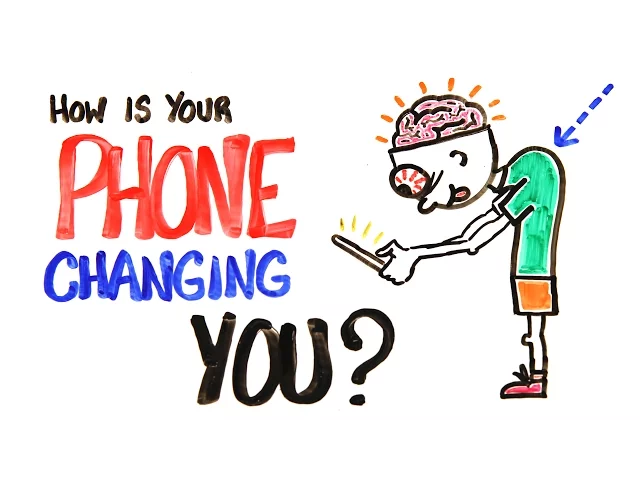
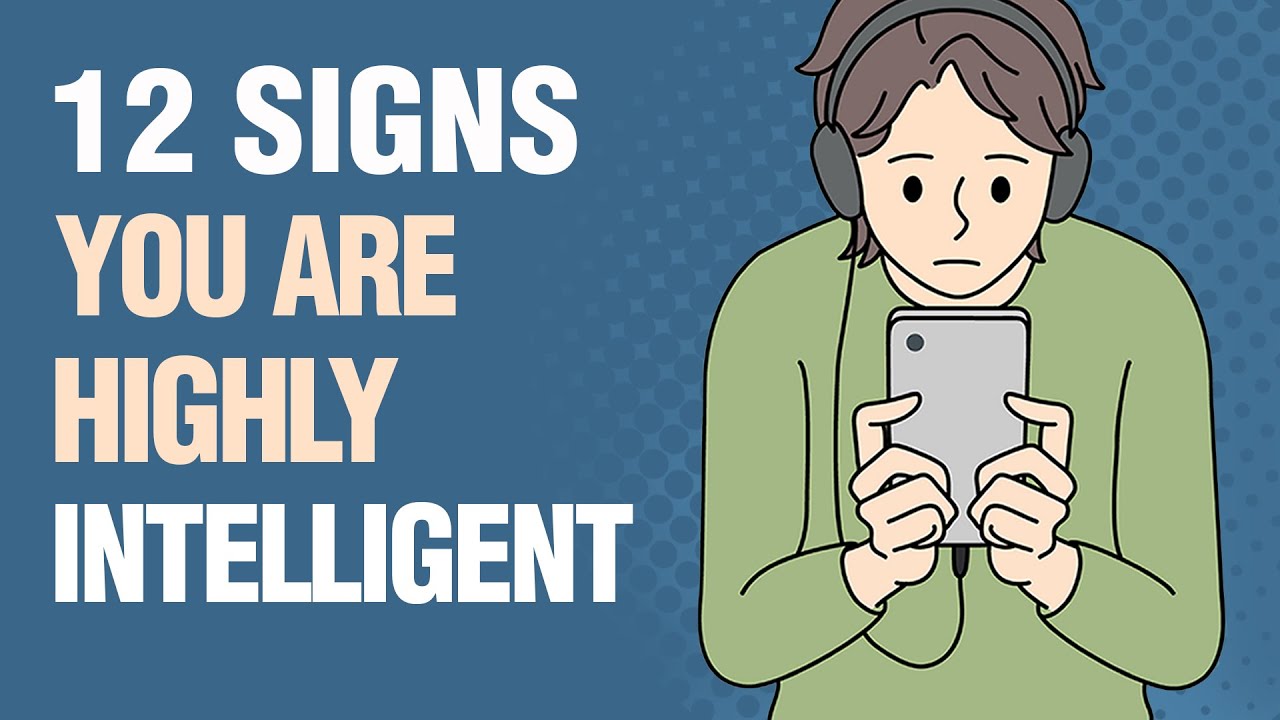
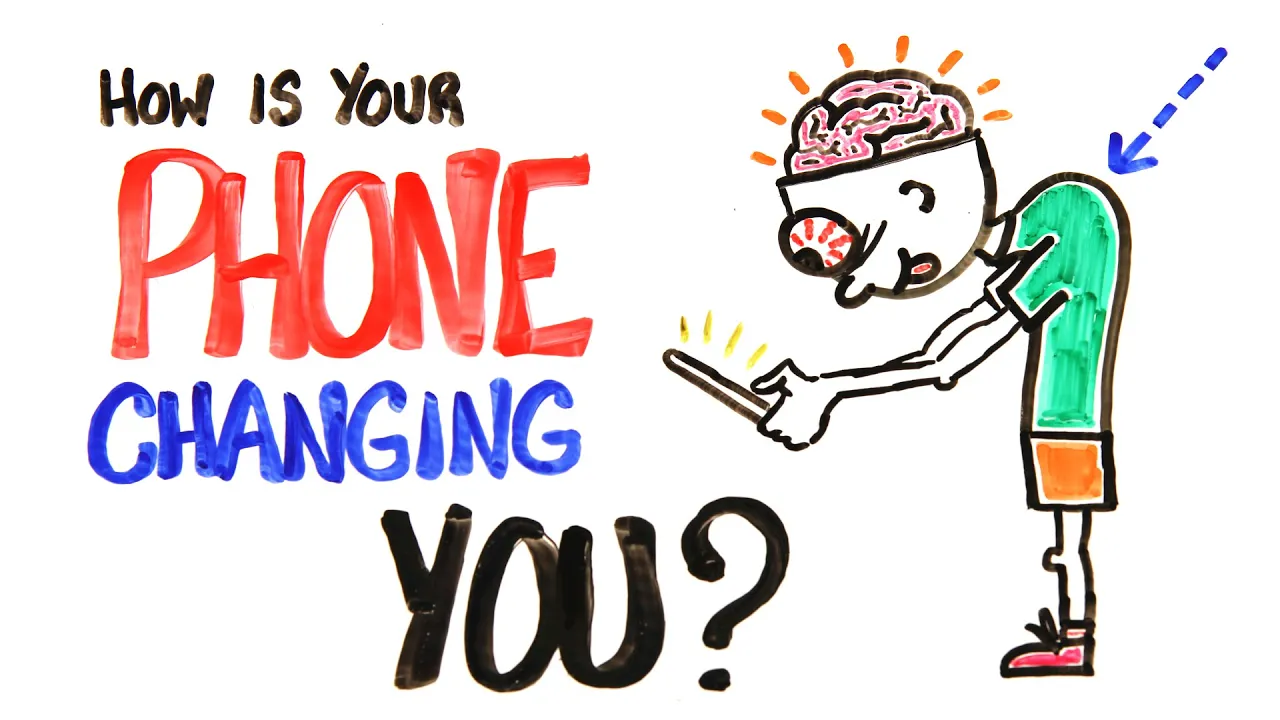
of the 7 billion people on Earth roughly 6 billion own a cell phone which is pretty shocking given that only 4 and2 billion have access to a working toilet so how are these popular gadgets changing your body and brain If you're looking down at your phone right now your spine angle is equivalent to that of an 8-year-old child sitting on your neck which is fairly significant considering people spend an average of 4.7 hours a day looking at their phone this combined with the length of time spent in front of computers has led to an increase
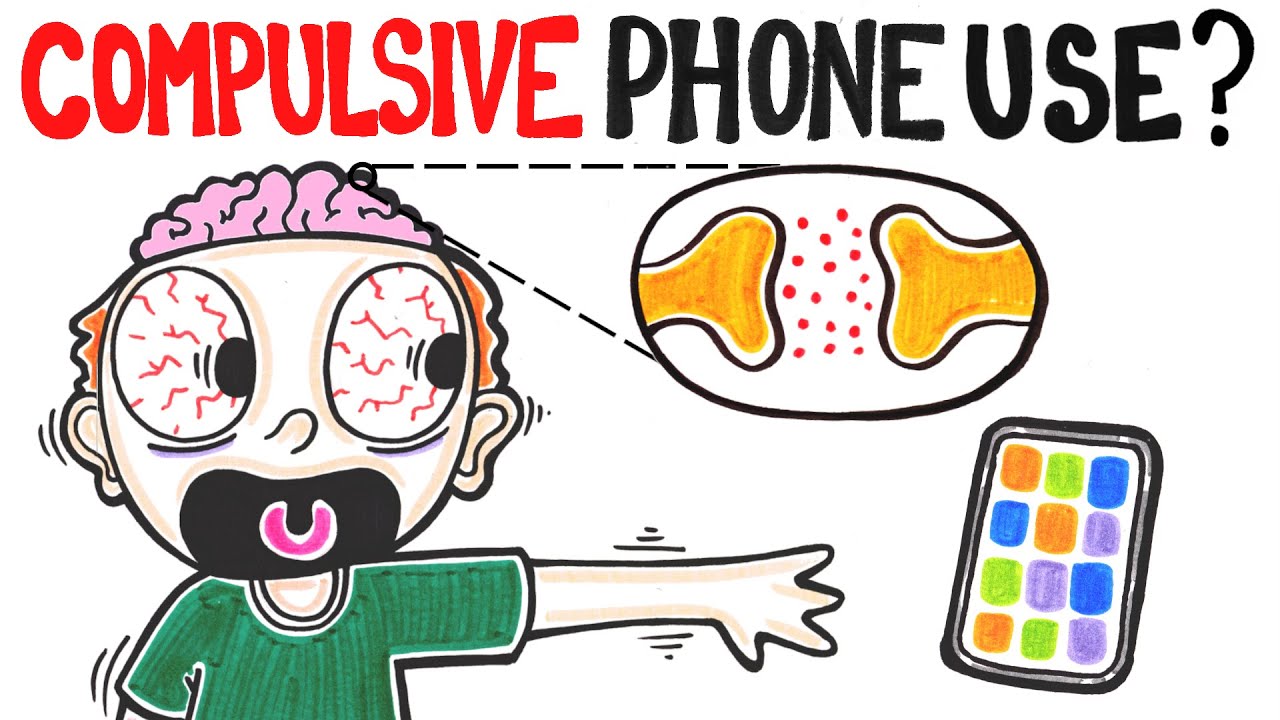
in the prevalence of myopia or nearsightedness in North America in the 1970s about one quar of the population had myopia where today nearly half do and in some parts of Asia 80 to 90% of the population is now nearsighted and it can be hard to put your phone down take for example the game Candy Crush as you play the game you achieve small goals causing your brain to be rewarded with little bursts of dopamine and eventually you're rewarded in the game with new content this novelty also gives little bursts of dopamine and together create what
is known as a compulsion Loop which just happens to be the same Loop responsible for the behaviors associated with nicotine or cocaine our brains are hardwired to make us novelty seeking and this is why apps on our phones are designed to constantly provide us with new content making them hard to put down as a result 93% of young people aged 18 to 29 report using their smartphone as a tool to avoid boredom as opposed to other activities like reading a book or engaging with people around them this has created a new term nomophobia the fear
or anxiety of being without your phone we also see a change in brain patterns Alpha rhythms are commonly associated with wakeful relaxation like when your mind wanders off whereas gamma waves are associated with conscious attentiveness and experiments have shown that when a cell phone is transmitting say during a phone call the power of these Alpha Waves is significantly boosted meaning phone Transmissions can literally change the way your brain functions your smartphone can also disrupt your sleep the screen emits a blue light which has been shown to alter our circadian rhythms diminishing the time spent in
deep Sleep which is linked to the development of diabetes cancer and obesity Studies have shown that people who read on their smartphone at night have a harder time falling asleep and produce less melatonin a hormone responsible for the regulation of sleep wake Cycles Harvard medical school advises the last 2 to 3 hours before bed be technology free so pick up a book before bed instead of course smartphones also completely change our ability to access information most notably in poor and minority populations 7% of Americans are entirely dependent on smartphones for their access to the internet
a 2014 study found that the majority of smartphone owners use their phone for online banking to look up medical information and searching for jobs so while phones are in no way exclusively bad and have been part of a positive change in the world there's no denying that they are changing us but many successful people have now decided to take smartphone vacations in order to increase productivity in our new ASAP thought video we break down the top six reasons you should take a smartphone vacation and how it could benefit your life right now and subscribe for
more weekly science videos