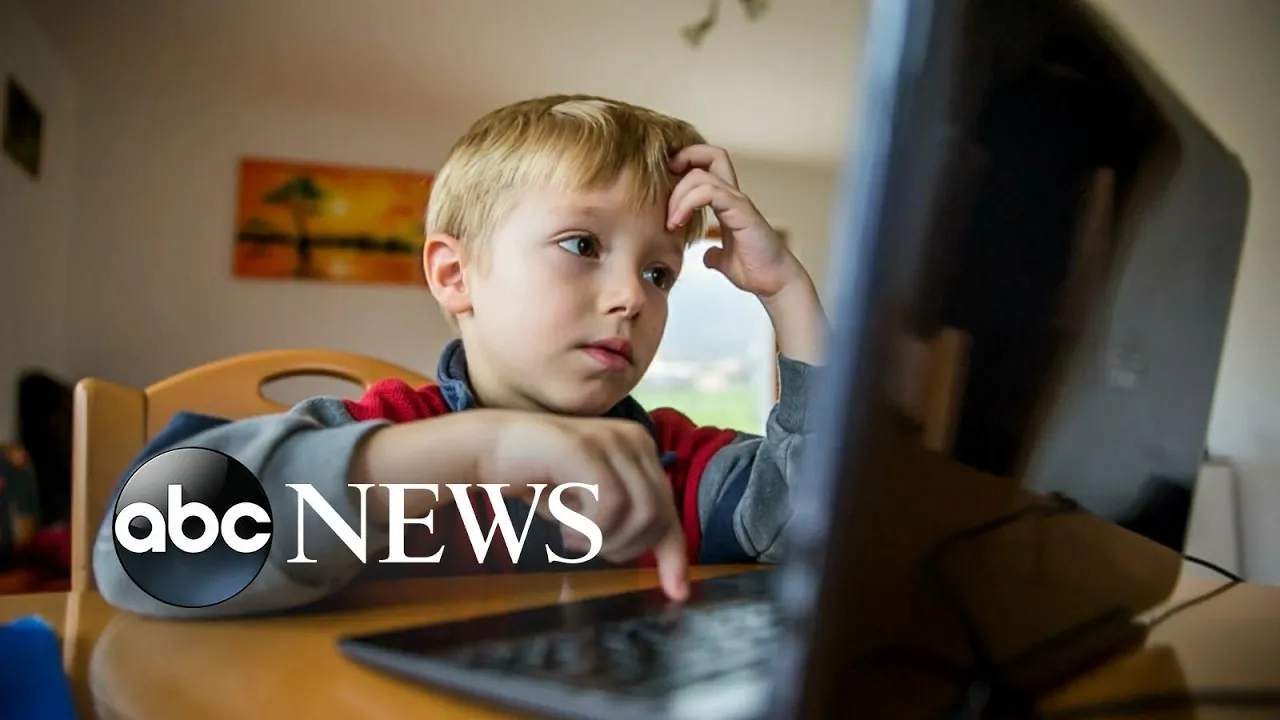
so many of us myself included keep it real have spent too much time this past year in the digital space whether it's zoom calls for school or work or to catch up with loved ones or maybe even binging on our favorite shows during lockdowns we're all watching screens a lot more but what is all of the screen time doing to our brains and could the impacts be long lasting especially for kids abc's rena roy reports [Music] these days screen time seems to be all the time non-stop stimulation in an infinite virtual playground everything has been
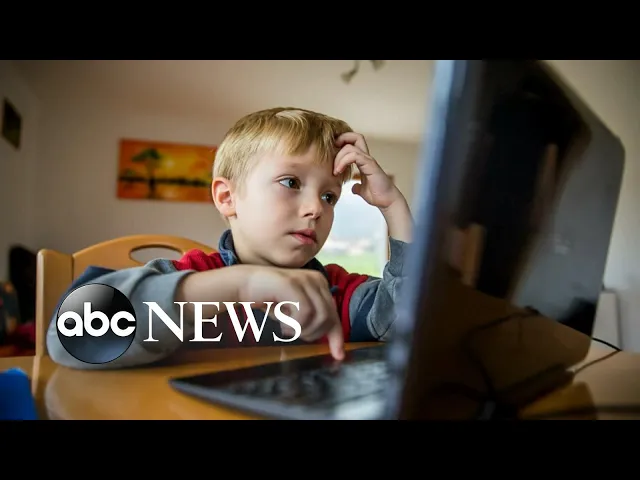
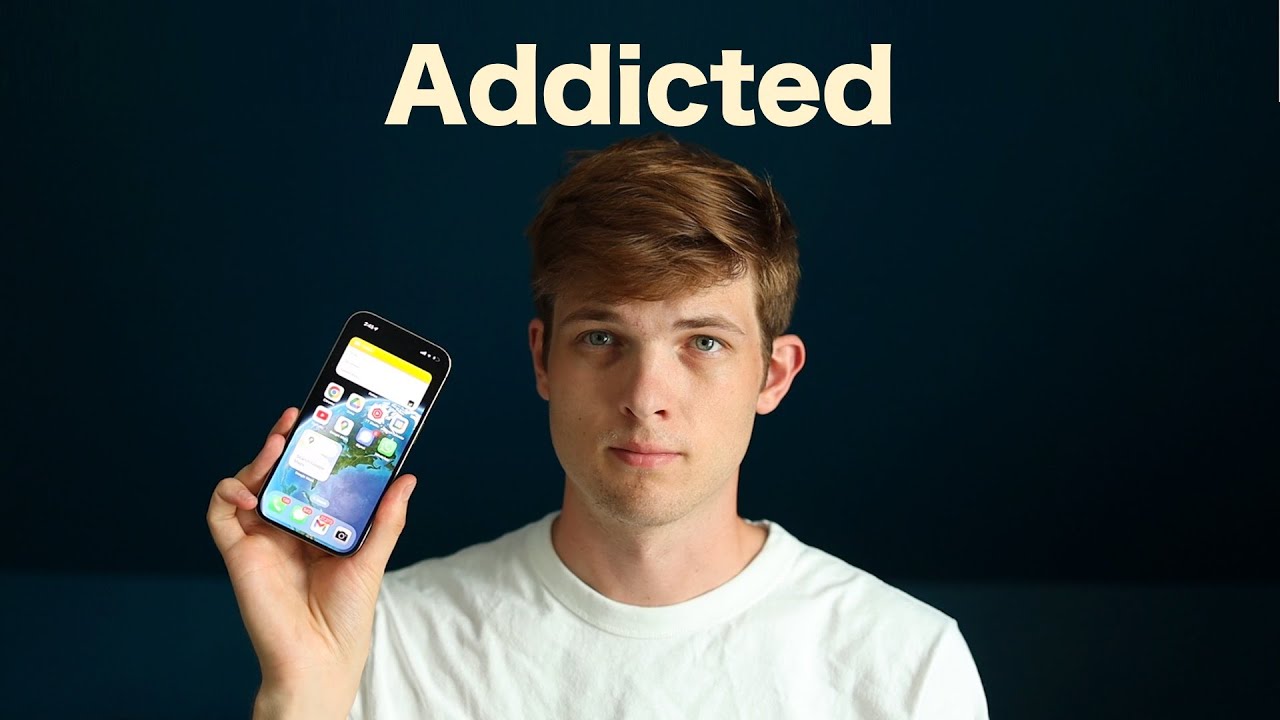
kind of transformed to this 2d world our brains on screens it's an addiction the most susceptible among us kids eleven-year-old ion mukherjee got his first computer when he began remote learning last spring let's just start from the beginning let's go back to april 2020 when virtual learning began you got your very first laptop what was that like i mean it was very exciting because i usually had to like share devices with people in my family but he says in just a matter of days things were getting out of hand i started with a couple of
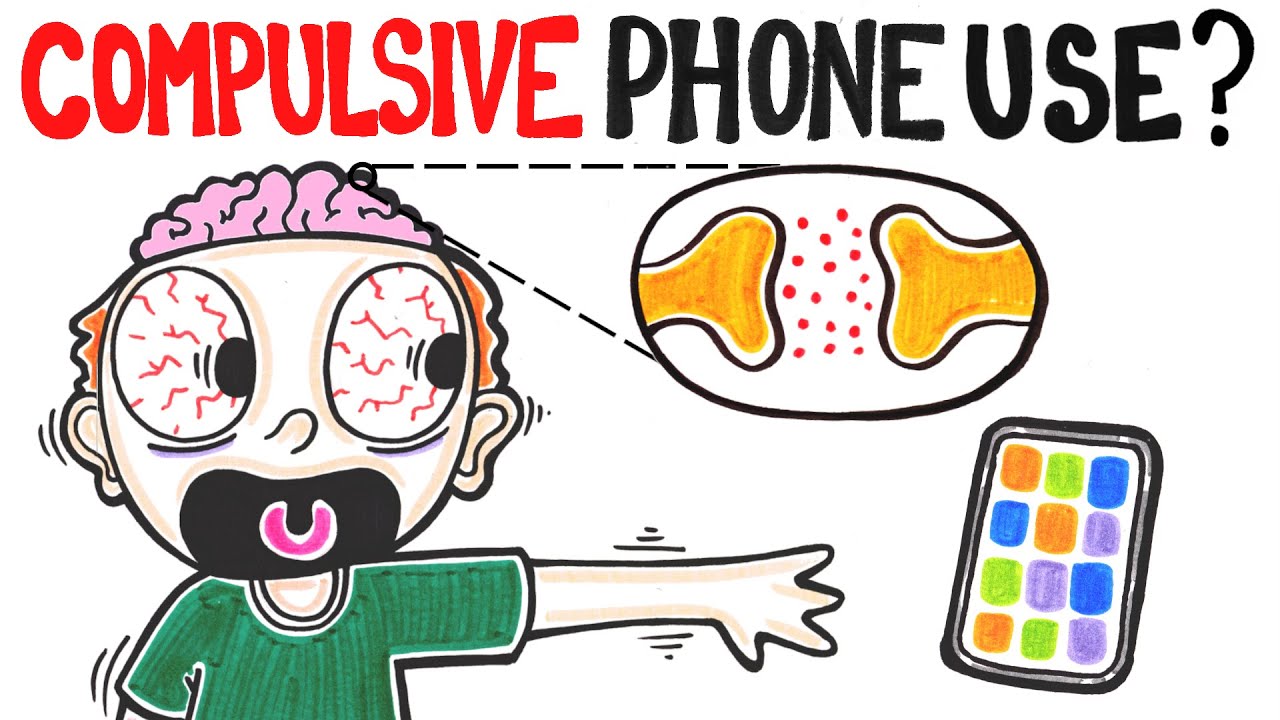
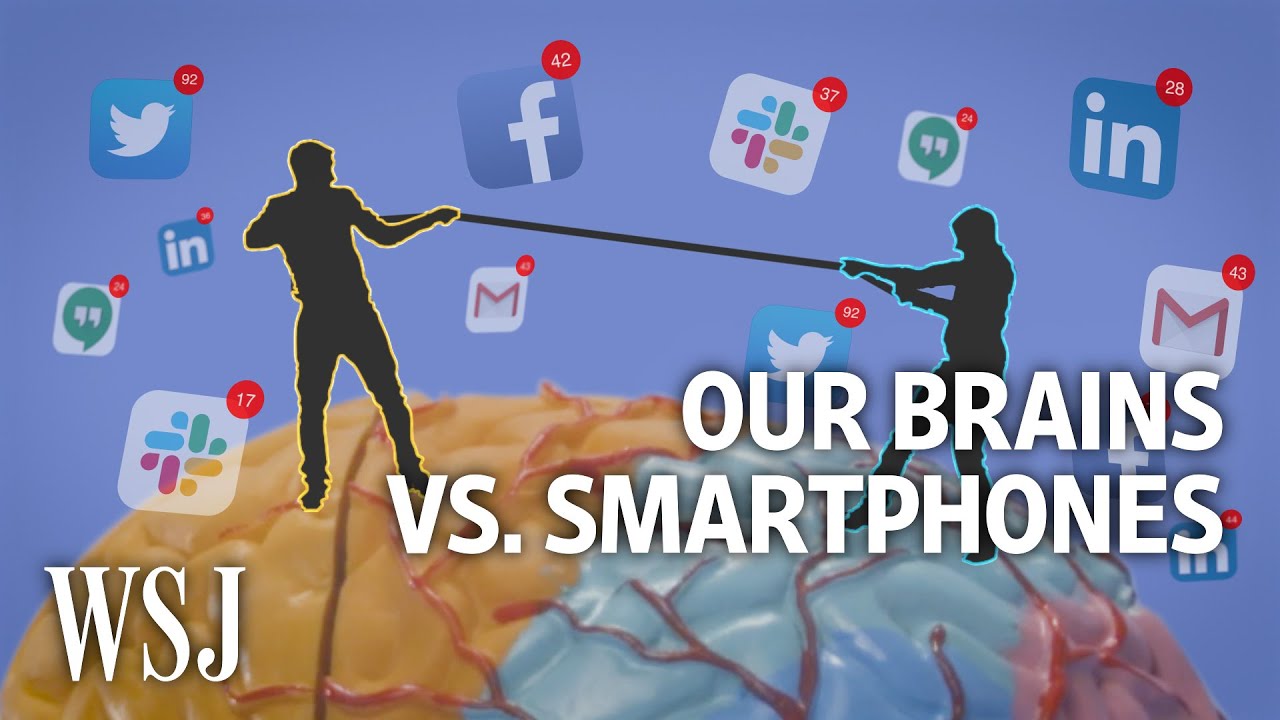
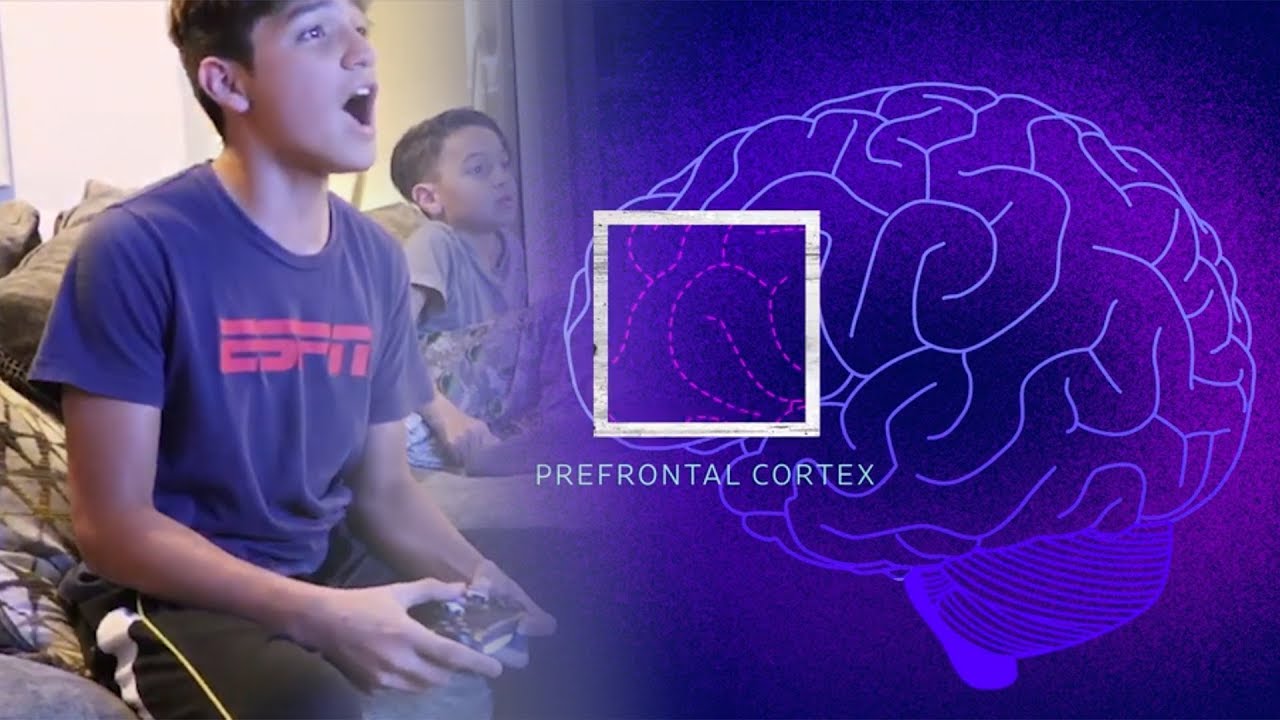
videos then i started watching more and more i watched every free moment i had and day and night and it turns out our brains are wired to keep watching binging activates the reward center found in the midbrain where dopamine is released and sent to our nucleus accumbens in the basal ganglia it taps into the more survival and pleasure-based centers of the brain driving us to watch that next episode or just one more video from a creator we love on youtube the prefrontal cortex of the brain more recently evolved in humans is more rational and works
to weigh the consequences of certain decisions like binging it might step in to tell the brain that you need sleep so you should probably turn that video off it's a constant battle between immediate pleasure and self-control making us pretty exhausted dr heather berlin a neuroscientist and clinical psychologist says it's taking a toll particularly on kids studies show that with children the longer amount of time they spend on screens the worse their social and emotional development ion's mother dr preethika mukherjee is a neuropsychologist herself and tells us she noticed an immediate shift in his behavior saying
he was extra tired moody and irritable and as a mom during that shift how did it feel to see your son kind of acting out in this way it was hard it was difficult because he's usually not this dysregulated he's a very even keel calm kid we were questioning what could it be according to the mayo clinic excessive screen time in kids has been linked to loss of social skills behavioral problems less sleep or irregular sleep obesity and even violence lindsay reckler a mother of two has been working and parenting from home like millions of
americans for over a year now when you're fully plugged in you lose a little bit of sense of boundaries really just ends up immersed in this screen of images and work she's had to balance her own screen time as a busy director at an investment bank with that of her young children learning from home we went from don't take mom and dad's ipad to here's your own and taking that ipad away after that virtual session is over proved to be very difficult especially as the internet became the vital link to the outside world they went
from interacting with every day going to the playground seeing their friends to just pure isolation in our home dr berlin says that in person our brains subconsciously pick up on cues like body language and touch to help us respond appropriately in social settings but on platforms like zoom these cues are missed and the brain adjusts to a digital world of disrupted conversations exaggerated expressions and a lack of eye contact this is not how we were evolved to communicate causing what's now being dubbed zoom fatigue professor jeremy bailenson has been leading stanford university's research on the
subject zoom fatigue is when you've been doing for hours a day you get this kind of exhaustion you feel drained you feel exhausted perhaps more than you would after meetings around people in the real world all the kids from your class on zoom rectler captured our new reality in a parody children's book called good morning zoom a riff on goodnight moon when i first wrote the book we were trying to explain to our children why they were not seeing their grandparents here all of these children are enduring this unbelievably terrifying experience together scientists say our
intimacy with loved ones is really suffering one surprisingly important thing our brains are missing out on is smell it's the only sense that can go straight from sensory receptors directly to the cortex the primary sensory area of the brain making it especially powerful and informative smell is also linked to empathy i find so interesting and fascinating is just the idea of smell and that being such a big part of the way that we interact with other humans we're getting information from people in terms of odors about about emotions about how they're feeling and we're losing
out on a lot of that it's making us less connected in certain ways it's a dizzying combination of effects on the human mind and the long-term impact of all this zooming is still a mystery we don't know the answer but we are working pretty hard to figure it out for now there are ways we can limit the impact ion has taken all devices out of his room and has created a set time limit with his parents for when he can use them it was hard at first like in the first few days first week but
as it went by i felt more relieved that i wasn't spending as much time on the screen even writing an open essay about his experience as a psa for other kids what are you hoping the message is from your essay i'm hoping that it helps kids be less addicted to screening but still we're likely to see an awkward transition post-pandemic when we have to adapt to the next normal recluse hopes her children will be able to readjust i think i need to teach my kids how to be a friend again teach them that it's okay
to have human interaction the good news is that the human brain especially when young is very resilient with children they're fortunate in the sense that they'll probably come out of this and be able to re-adapt again there might be certain critical periods of development of social and emotional development that they miss but i think that it'll be very quick for them to catch up with what they have lost rina roy abc news new york and for a lot of us grown-ups we might need to get used to interacting with people in real life say hi
to somebody six feet apart at the grocery store tonight our thanks to rita roy hi everyone george stephanopoulos here thanks for checking out the abc news youtube channel if you'd like to get more videos show highlights and watch live event coverage click on the right over here to subscribe to our channel and don't forget to download the abc news app for breaking news alerts thanks for watching