hello and welcome to my channel in this channel we explain various nursing concepts in a simple form for better and easy understanding these videos could be used by both lpn and rn students as well as nurses who are trying to refresh their basic concepts my name is nasmosh so in this video we're going to start talking about various disorders oncology disorders and more specifically in this video we're going to talk about oncology disorders or cancers that directly affect the respiratory system in that we're going to talk about lung and thyroid cancer okay so let's start
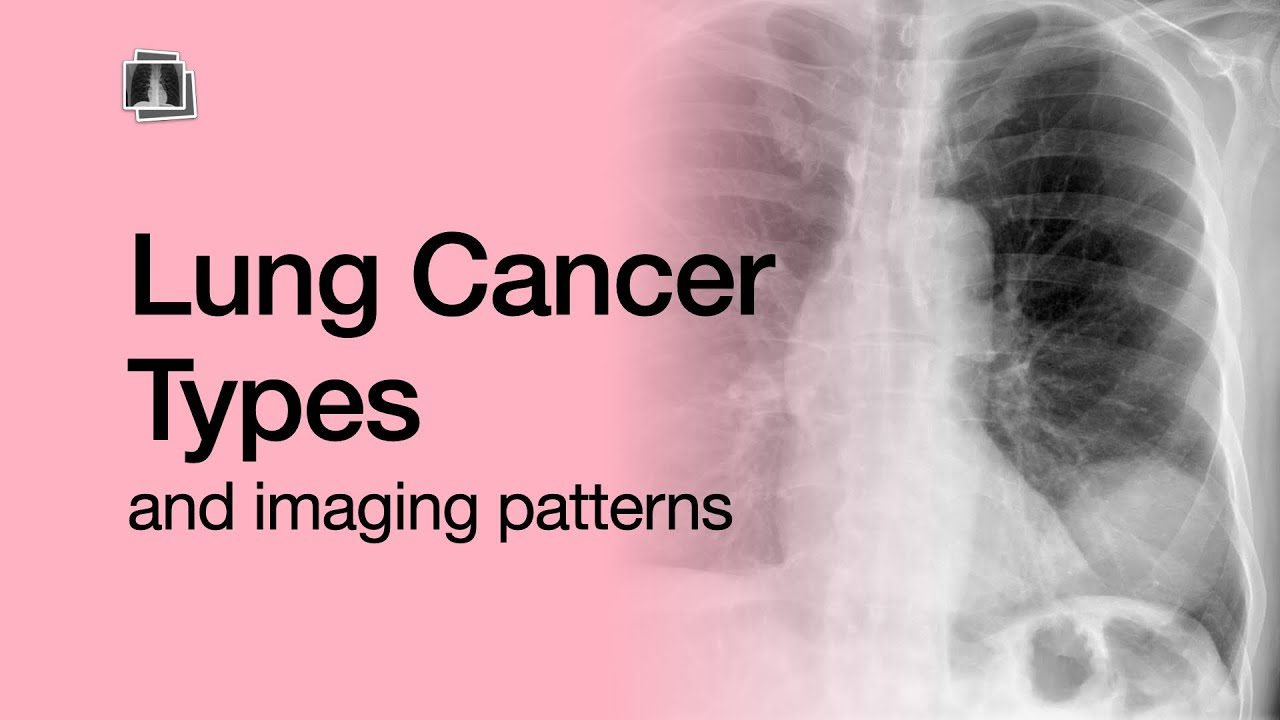
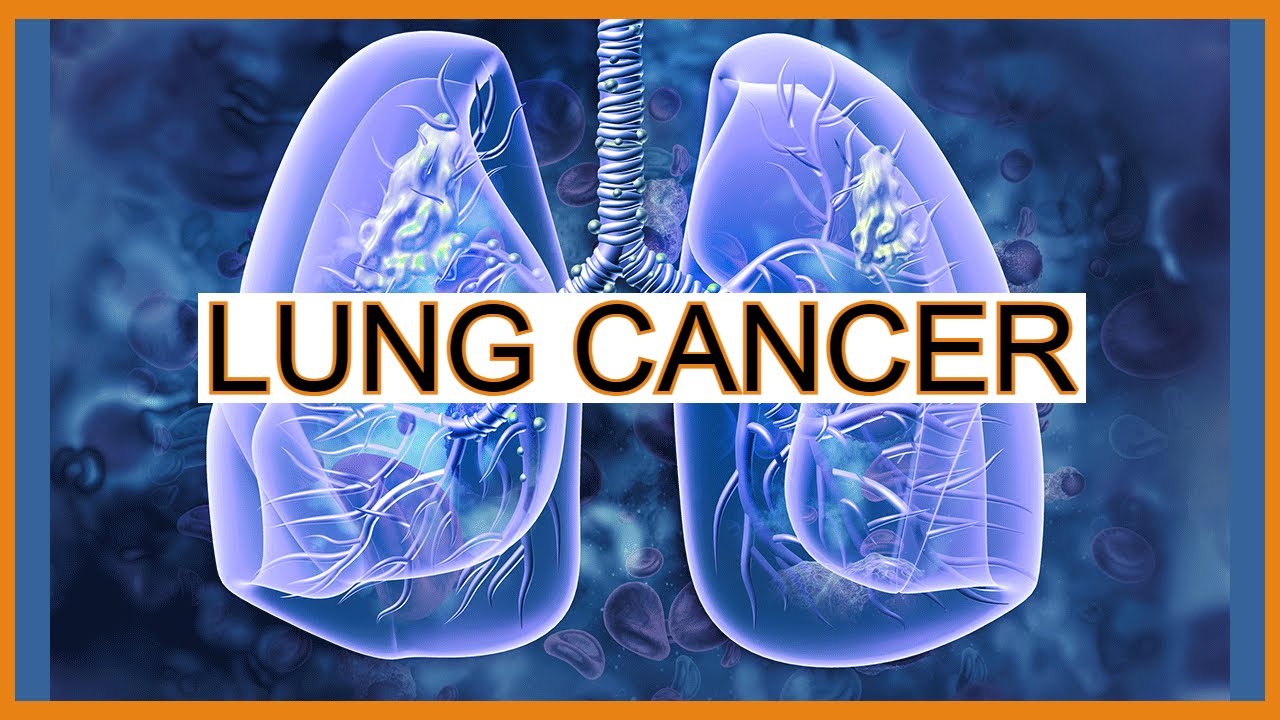
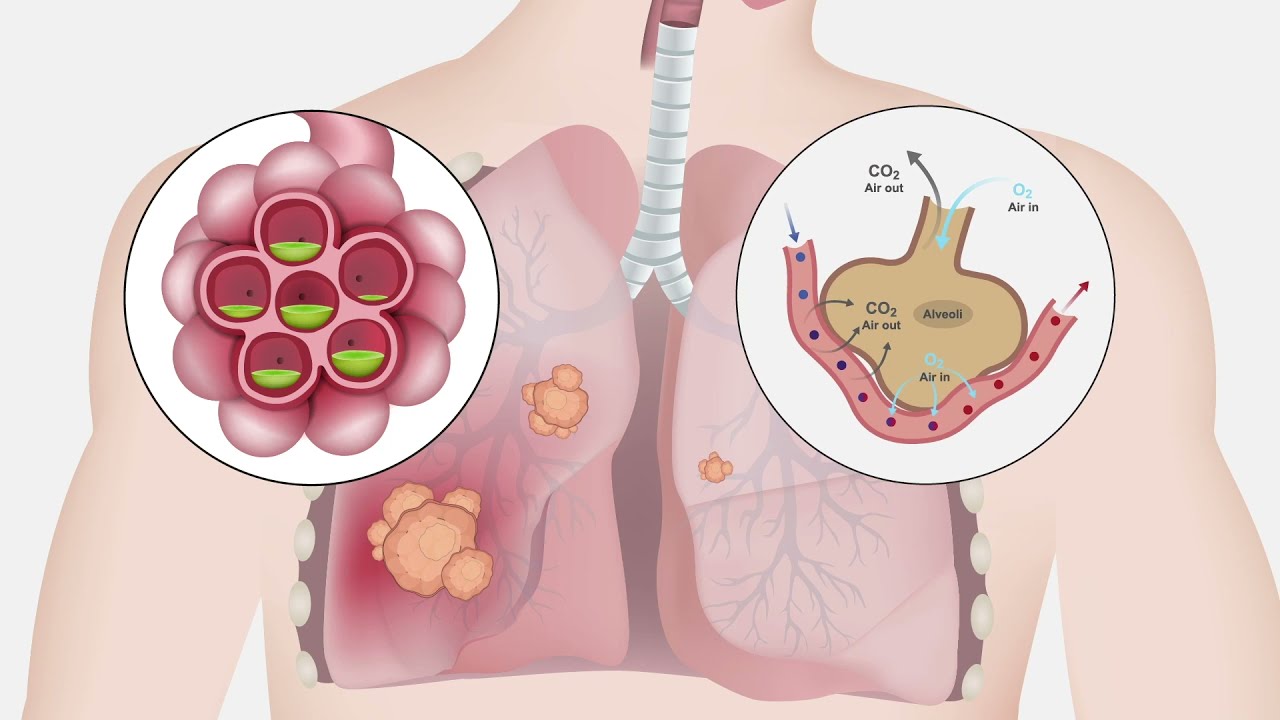
with lung cancer so what is lung cancer lung cancer is actually only screened on patients who are at high risk of getting this lung cancer a low dose of ct scan can be performed so if you're not at a risk fact you know you don't have the risk factors for getting lung cancer it's not done routinely and what are the risk factors that could make you get this lung cancer include like smoking okay exposure to certain chemicals males secondhand smoking as well as pollution some signs and symptoms of this remember this this is a famous
question what are the signs and symptoms of lung cancer a cough persistent cough that does not go away blind change spirum weight loss unexplained weight loss fatigue a dull chest on percussion sob shortness of breath as well as chest pain some diagnosis that we do of course we'll do a ct scan and we can do a bronchoscopy with a biopsy with that it's when we'll you know do the bronchoscopy do the biopsy with a needle to collect a tissue sample just to get you know differentiate what kind of cancer the stages and you know staging
of the cancer and how do we treat this you know a patient with lung cancer this is our respiratory this is our airway abc is always remember airway breathing airway comes first so with this patient we're going to give them bronchodilator scores their respiratory will be compromised as well as corticosteroids for the inflammation we'll do some chemical chemotherapy targeted therapy radiation photodynamic therapy loboctomy as well as uh nectomy so it's either they will take up a lobe or a certain part of the lung that is actually affected one of the common complications with lung cancer
is actually superior vena cava syndrome and actually you need to know that when somebody has or exhibits superior vena cava syndrome this is a medical emergency that results from pressure placed on the vena cava by the tumor so when you have pressure pressed on your vena cover your cardiac go back to cardiac learn about you know your heart so we need to release this pressure and how do we do this by treating the issue which will be the tumor so we'll place a stand to open up the vena cover as well as radiation of that
tumor that is causing this pressure so let's talk about thyroid cancer so thyroid cancers do interfere with the function of the surrounding structures so remember the thyroid where they're placed right it affects your respiratory okay and what are the structures around the thyroids the thyroid glands you have your larynx your pharynx your esophagus as well because they increase in size and spread so when they increase in size and they spread they compress your respiratory tract right so types of thyroid cancer there are various types we have um plastic carcinoma this invades the areas surrounding the
tumor it replicates quickly and usually metastasized before diagnosis papillary carcinoma it's slow growing and is the most common medullary carcinoma it mostly occurs due to endocrine disorders which causes multiple tumors common in older adults when you talk about older adults the range for this medulla is 50 years and above and follicular carcinoma it actually affects the blood vessels bones and lung tissues it attaches to the trachea muscle vesculature as well as the skin some risk factors for thyroid cancer include females okay a lot of females have thyroid issues and then low iodine diet this could
lead to the follicular carcinoma radiation exposure as well as older age diagnostics will do a serum thromboglobin and with this will not an elevation we'll do our tsh t3 and t4 levels this check the thyroid function then usually normal with thyroid cancer that's something you need to know calcitonin will be elevated while we're talking about calcitonin remember the parathyroid glands they release calcium right so they're on top of the thyroid so if there is an issue with it you know of course the parathyroid glands will be affected okay so we can also have a biopsy
mri our imaging stuff biopsy ultrasound mri and ct scan nothing care for these patients remember we always have to monitor a patent airway because this is like a direct involvement of the respiratory system right we assist swallowing aspiration precautions and we administer medications as prescribed because most of the time was if they do a treatment where they remove the thyroid gland this patient will have to be on thyroid replacing hormonal medication like thyroxine so let's talk about treatment so with treatment they will do a thyroid suppression therapy by medication by administering levothyroxine so what does
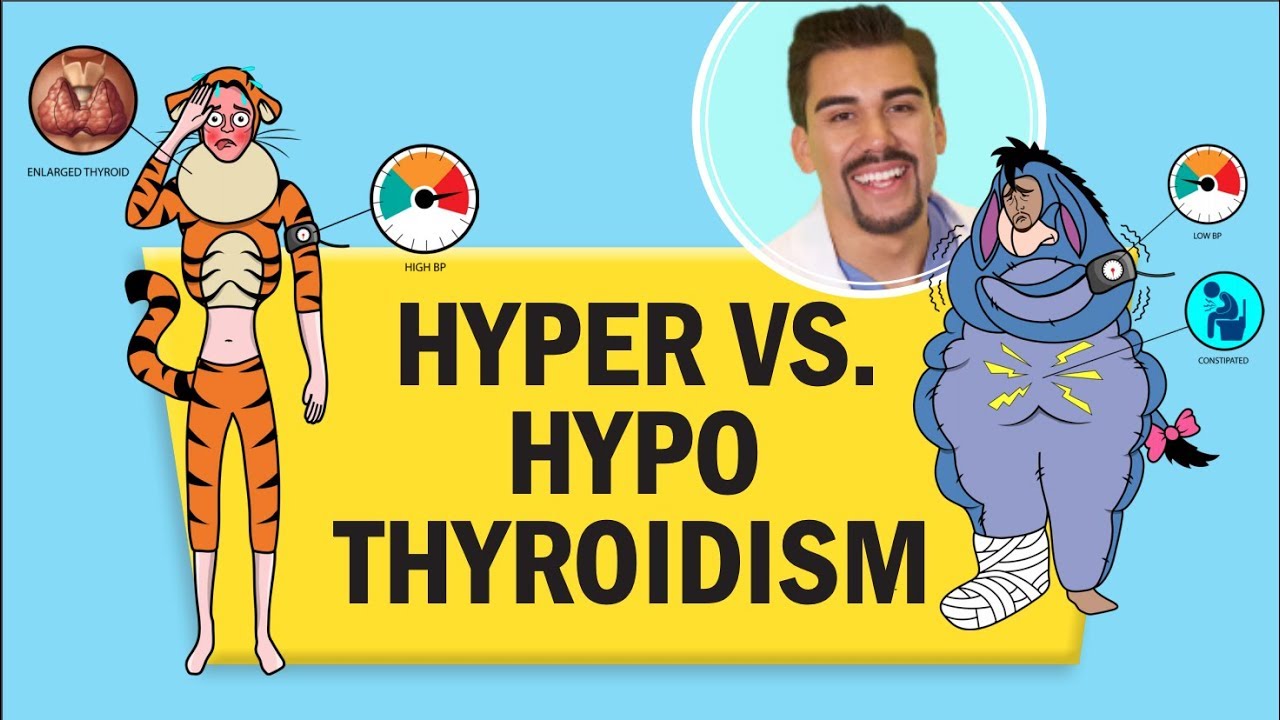
that levothyroxine do this replaces the t4 need in the body function after thyroid surgery we can do radiation okay we can do radioactive dye therapy as well as surgery we can do a thyroidectomy which could be either total or partial and a thyroidectomy as well some complications that we need to know about with thyroid cancer include mexi edema coma i talked about mexican coma in our endocrine because it's word it's an emergency and what is this this is due to a deadly low level of the thyroid hormone which is hypothyroidism signs and symptoms include stupa
hypoglycemia hyponatremia respiratory depression altered cardiac functions like hypotension as well as decreased cardiac output and we could also have a thyroid storm and what is a thyroid storm this is actually also a life-threatening emergency caused with excess thyroid hormone releases so with hypothyroidism everything slows down that's mixed edema but with a thyroid storm you're like electrified everything is going up so it's hypothyroidism and this is after no surgery you watch this after somebody has had that thyroid surgery and signs and symptoms of this include seizures right we are electrified tremors anxiety confusion psychosis nausea and
vomiting diarrhea fever tachycardia and systolic hypertension that's the it for this video we'll catch you in the next video thank you thank you for watching please like share and subscribe to my channel see you on the next one bye