Say it’s your first day at a new job. Maybe you’re nervous or jittery. You want to make a good impression.
Those feelings are pretty normal, and may actually help you be more alert and careful. But after a few weeks, once you’re used to the job, and you know your coworkers, that nervousness usually diminishes, right? Well, for some people that initial anxiety is really high, and stays really high over time.
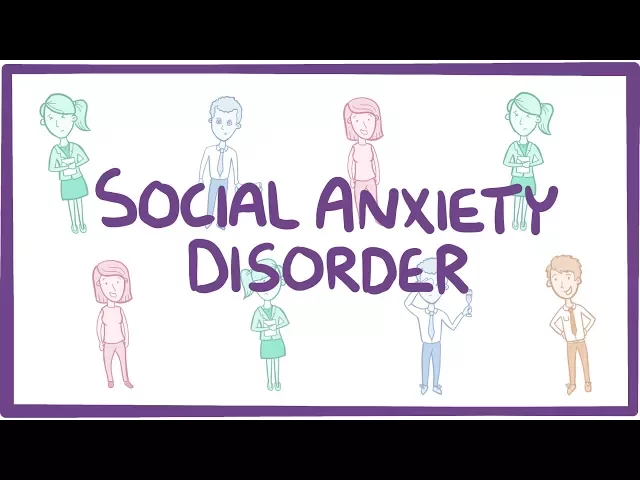
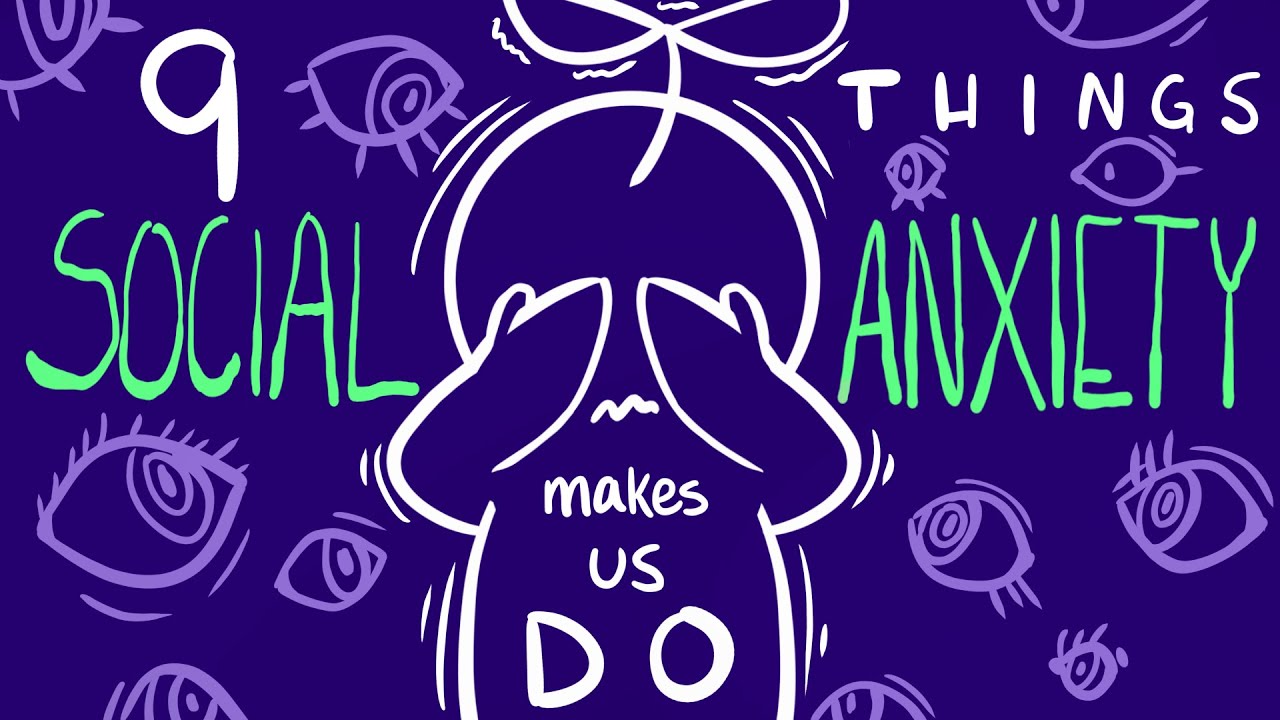
For those people, the fear of being judged negatively by new people might be so daunting that it affects their ability to do their job well. In fact, even the idea of having to be somewhere where they may be scrutinized by others might make them not want the job in the first place. This describes social anxiety disorder.
It’s unclear what causes social anxiety disorder, but it’s thought to be a combination of genetic and environmental factors, like having a close relative with social anxiety disorder or being exposed to neglect or abuse. The Diagnostic and Statistical Manual of Mental Disorders, or DSM-5, defines social anxiety disorder as causing individuals to fear acting in a certain way that might make them get judged, and it can cause anxiety that interferes with their normal routine as well as their relationships. What’s more, is that the fear or anxiety is persistent, lasting for 6 or more months.
Usually social anxiety disorder causes distress for individuals in specific social situations or circumstances. For example, one person might get really anxious while making small talk with acquaintances, or meeting new people. Whereas another person might get performance anxiety, and not feel able to give a presentation, or give a toast at a friend’s wedding.
Social anxiety disorder is an egodystonic condition, meaning people who have the disorder usually understand that their anxiety is unwarranted. But, unfortunately, that awareness can cause more anxiety, because they’ll fear others can tell how anxious they are. Sometimes individuals might worry that they may be having physical symptoms like trembling or blushing that others might notice and judge them for.
Sometimes the anxiety can get so severe that it causes something called derealization, meaning that a person might feel “spaced out” and be less able to recognize their surroundings. In order to reduce their social inhibitions, some people with social anxiety use drugs and alcohol, and that can lead to dependency and addiction. The DSM-5 states that in order to make a diagnosis of social anxiety disorder, the fear or avoidance shouldn’t be due to the effects of a medication or due to another condition.
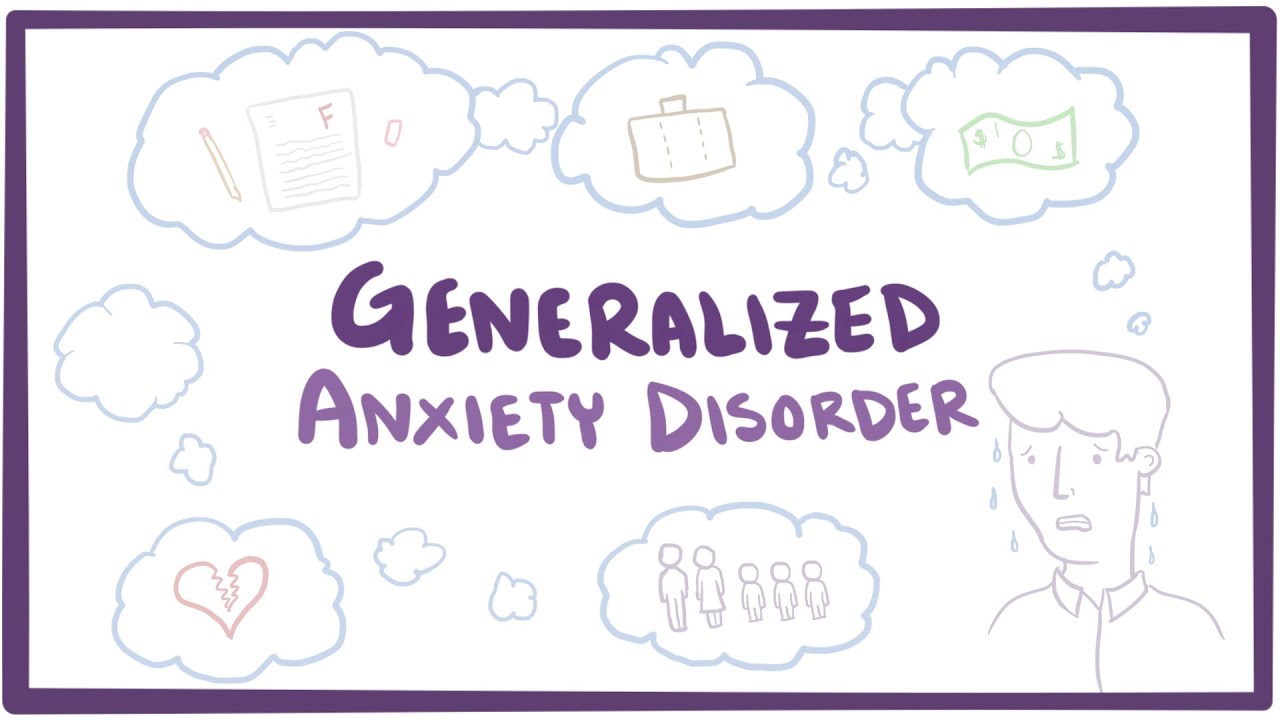
That’s important because there are key features of social anxiety disorder that overlap with other conditions. For example, in generalized anxiety disorder individuals have anxiety, but it’s not limited to being judged in a social context. The anxiety is usually broader, and includes non-social concerns, like finances or physical safety.
Another example is agoraphobia where people avoid public places, for fear of being trapped and not being able to escape, just in case something embarrassing happens or they begin to panic. But in agoraphobia the fear is less about being judged and more about being trapped in a crowd and not being able to escape. Treatment usually involves psychotherapy, medication, or a combination of the two.
If it’s psychotherapy, cognitive behavioral therapy is recommended, since it teaches a person new ways of thinking and behaviors to help in being around others. Antidepressants are the most common choice of medication, specifically selective serotonin reuptake inhibitors or SSRIs, serotonin-norepinephrine reuptake inhibitors or SNRIs, as well as benzodiazepines, and beta-blockers. SSRI’s help regulate serotonin levels in the brain, while SNRIs help regulate serotonin, norepinephrine and dopamine, to manage anxiety.
Benzodiazepines are psychoactive drugs that have a relaxing effect. Beta blockers can help ease the physical symptoms of performance anxiety. Though medication can be effective in the short term, cognitive behavioral therapy has more advantages in the long term, due to the potential of unwanted side effects.
All right, so as a quick recap, people with social anxiety disorder have heightened anxiety about acting in a way, or showing symptoms of anxiety, that will be negatively scrutinized by others. Anxiety that is restricted only to performance is a specific type of social anxiety. The anxiety is almost always present in the particular social situation and is severe enough that it interferes with the normal course of life.