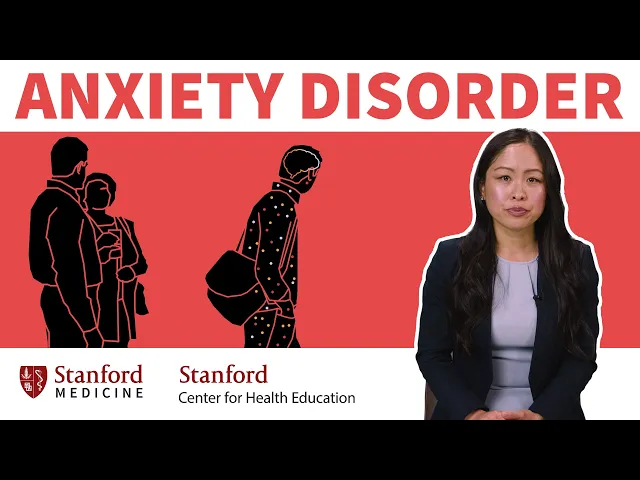
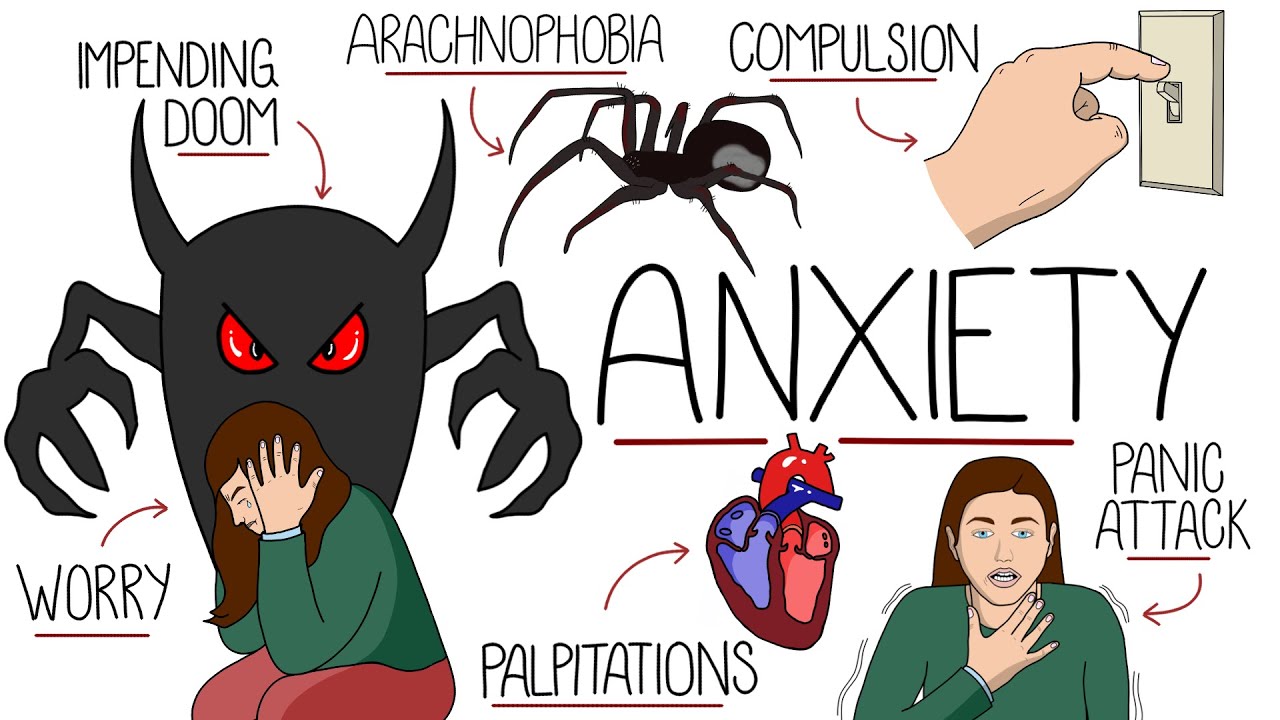
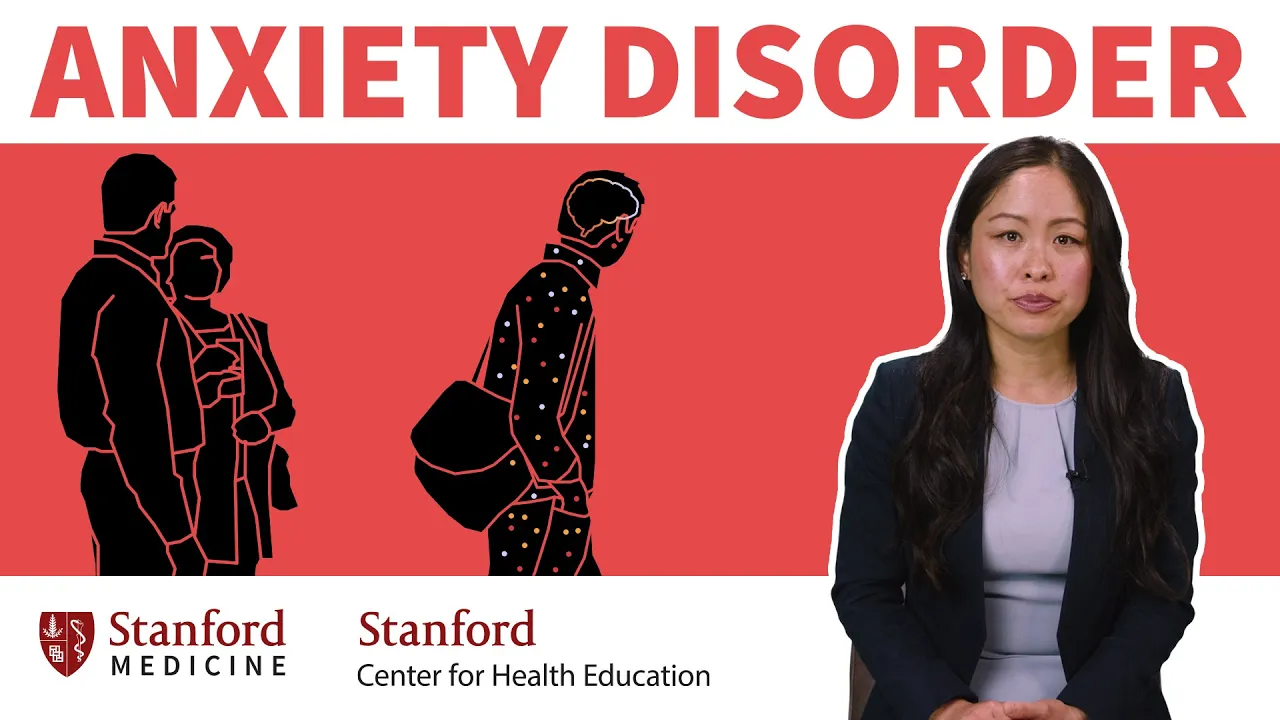
think about the last time you felt anxious maybe you were studying for a major exam or taking care of a seriously ill family member in the hospital you couldn't think clearly and you had a difficult time sleeping at night each one of us has experienced anxiety and knows what it feels like to be anxious however when anxiety controls our lives that might mean that there is an anxiety disorder one in three people may experience an anxiety disorder in their lifetime but in good news anxiety disorders can be successfully treated hello everyone i'm dr paula tran
and i am a child adolescent and adult psychiatrist at stanford university in today's video i will cover the following first the purpose of anxiety second what causes anxiety disorders third i will focus on two types of anxiety disorders generalized anxiety disorder and social anxiety disorder and lastly i will go over the general treatments for anxiety disorders the purpose of anxiety let's consider how having some anxiety can be helpful anxiety was meant to prepare us to react to life-threatening situations such as being chased by a large animal what happens when the brain senses danger is this
the brain tells the body to be on high alert to be ready to run away from the threat or fight to stay alive chemicals called epinephrine norepinephrine and cortisol are released as a result the heart beats faster and breathing increases blood rushes to the parts of the body that aid in escaping the threat keeping us on our toes extra alert and ready to run is helpful in times of danger but when the brain and body are constantly on high alert it prevents our brains and bodies from functioning at their best it becomes a disorder and
can even be harmful in the long term having some anxiety day-to-day is normal for example if you're getting ready to ask someone out it's very normal to have anxiety if you're studying for a test it's normal to have anxiety and even beneficial because it makes sure that you study and be prepared however when the anxiety becomes constant and gets in the way of you doing things it can signal that there is a disorder if you're finding that you're avoiding situations you're not able to do the things that you want to do if your experiencing a
lot of physical symptoms of anxiety that might mean that it's time to seek professional help many times people experience anxiety as mainly physical symptoms so people might report a lot of stomach aches headaches lots of aches and pains a lot of muscle tension can be signs that there is an anxiety disorder if the medical workup has been completed and nothing was found causes of anxiety disorders the causes of anxiety disorders can be passed down from your parents or shaped by your environment this means you might be at higher risk of developing an anxiety disorder if
there is a family history your life experience and situations and how you think about them might increase your risk as well it is important that you mention to your doctor when you notice new or worsening anxiety symptoms since certain medical conditions can cause anxiety if a medical condition is identified fixing the medical problem can also fix anxiety anxiety disorders as a group involve excessively thinking and worrying about what might go wrong in the future there are many different types of anxiety disorders let's talk about generalized anxiety disorder and social anxiety disorder today generalize anxiety disorder
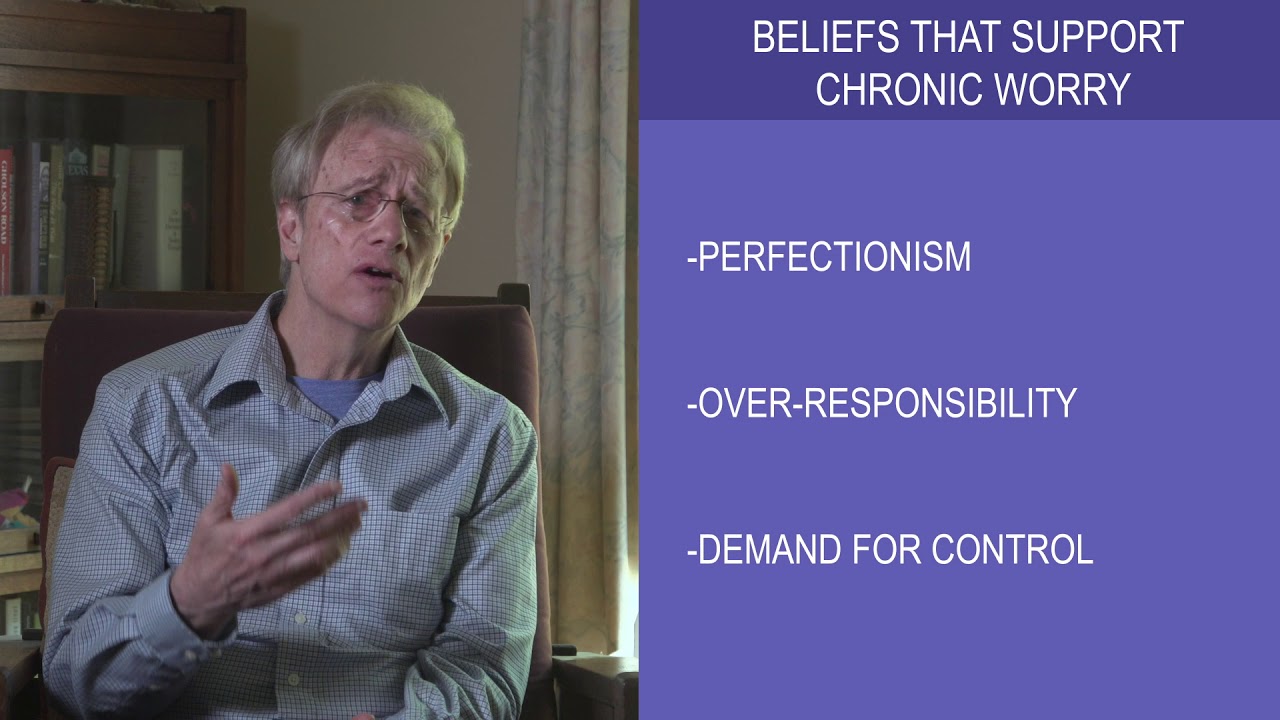
in generalized anxiety disorder people disproportionately worry about many different topics on most days for at least six months worries can range from thinking that a loved one will get injured or sick or that a natural disaster will occur people with generalized anxiety disorder think that the worse will always happen these worry thoughts get in the way of daily activities and interactions muscle tension sleep difficulties irritable mood feeling unable to relax and tiredness may all be present children and teenagers may have medically unexplained symptoms like tummy aches and headaches most often generalized anxiety disorder first appears
in the late teenage to early adult years because generalized anxiety disorder affects a person in many areas of their life for example how they interact with family members how they interact with their peers how they interact at work perhaps it appears during this time frame in the late teenage to adult years because at that point in life individuals are able to be part of many different settings social anxiety disorder in social anxiety disorder people worry a lot about what others think of them the worries are related to being in social situations so even day to
day things like going to the grocery store can be really stressful these worries need to occur on most days for at least six months these worries may be about how peers will judge their appearance or abilities people with social anxiety disorder might avoid social events altogether to avoid feeling anxious or embarrassed the most common time for social anxiety to develop is during middle school to early high school it makes sense that social anxiety disorder first presents during middle school to early high school because that is the developmental time period that people really place an emphasis
on social interactions that is really a time when people start to form groups at school and the peer influence is really important at that time it's a big part of the identity it also makes sense because during middle school to early high school children and teenagers are starting to find their identities in terms of who they are attracted to who they want to ask out where they belong what kind of social cliques they find themselves belonging to in middle school is also when adolescents start or finish puberty and really find themselves either belonging to a
group or feeling left out a big part of their identity is that social belonging treating anxiety disorders recognizing anxiety disorders jump starts the treatment journey either for yourself or someone you care about cognitive behavioral therapy known as cbt teaches people with anxiety disorders how to adapt their thinking actions and reactions since how we think feel and behave affect each other changing any one of these areas can improve anxiety symptoms cbt is usually completed weekly over the course of several months and there are practice exercises to apply the skills learned in therapy sometimes psychiatric medications can
be helpful for anxiety disorders selective serotonin reuptake inhibitors or ssris have the best evidence for treating anxiety disorders in children adolescents and adults these medications work by boosting the level of a chemical called serotonin in the brain if you don't see improvements from ssris right away this is expected it can take several weeks before you notice an obvious decrease in anxiety levels with ssris the treatment for anxiety disorders includes making lifestyle changes for example by improving the amount and quality of sleep each night we are better prepared to act and react in the morning you
might notice that increasing physical exercise can help with the physical symptoms of anxiety as well we can all make sure to eat healthy regular meals and build up a supportive social circle you or someone you know might have an anxiety disorder but with the right treatment it is possible to live comfortably alongside anxiety and feel in control talk to your doctor and seek professional help if you think you might have an anxiety disorder if you or someone you know is thinking about suicide please call the national suicide prevention lifeline at 1-800-273-talk that's 1-800-273-8255 or text
hello to the crisis text line at 741 741 [Music]