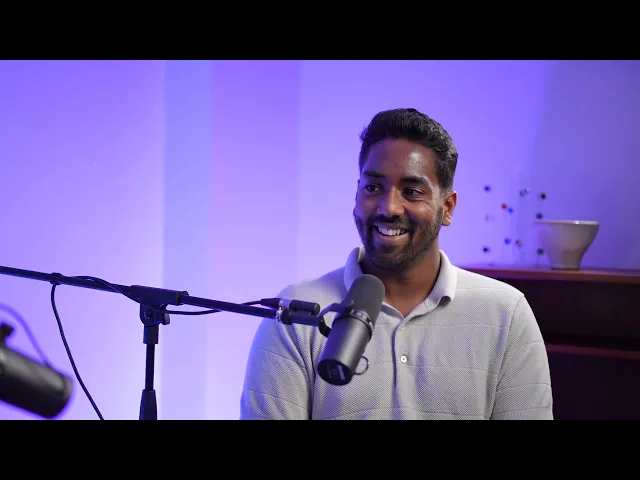
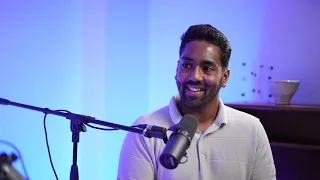
my name is abash Moran and I've written the fundraising blueprint a guide to raising Capital with confidence and an insight into the hidden nuances of the Venture Capital world since 2019 eucalyptus has followed the quintessential Venture fundraising pathway they've raised a $100 million across five funding rounds from Australian and American investors and done so in a way that not many Australian startups have before today we've got Tim Doyle with us on the podcast who's eager to share everything he knows about fundraising including the tricks and tribulations of dealing with investors forming a board and what
actually sets early Sage Founders apart from the rest here's my conversation with Tim today we have Tim Doyle founder of uh eucalyptus here to share um the last five years of fundraising 100 million bucks plus from Global Investors and everyone in between um I think you guys have had probably the quintessential funding Journey for a venture back startup yeah but weirdly not really like a linear business building Journey like there's a few different elements and and all of that and so I I really want to unpack a bit of that but first let's start off
with um maybe off the top of your head what's been like the weirdest fundraising interaction with the VC or the craziest most outlandish something like that most outlandish I think I think like it was a real experience the first time I went to San Francisco uh fundraising uh just because of the the the just the amount of money that's there and then before the behavior that drives like I think like I uh I'd been in a meeting um with a particular kind of series a investor um during the day and we'd spent like 45 minutes
with together and I didn't think it went that well and then I went to a drinks that night and he just like fully blanked me at the drinks like just fully like like we' never met and just like looked at me and just turned and looked away and I was like oh clearly like I'm not not up to that that whatever that is I'm not getting that and so like just the like Australia is small and um and much more networked I felt and so um the incentives to like disregard people are pretty low um
but but in the US it's a completely different game like yeah I guess just the volume of capital there the number of startups that they're meeting on a daily basis and all that for sure like a lot of the niceties just disappeared I certainly wasn't ready for that you made some really viral comments about window washing what would you say differently this time around I think one thing that's really important is understanding uh what shape your business needs to be in at certain times so like the way that I would think about it um and
I would choose more selective language if I were to go through that moment of my life again um is uh almost like it's almost like preparing for like a competition or like a the crudest way to think about it is like I think of it's like a bodybuilding competition where it's like people don't spend the entire lead up to that extremely ripped right like it's like you make certain decisions um on like lengths of return from a capital perspec I so you might you know you might you might do more Marketing in the 6 months
before a fundraise you might hold back hiring you might um you might like make a whole lot of sub optimal long-term decisions in order to have the best business in the best fundraising shape possible and then you present that shape and that narrative right so it's like um I think there's a there's an understanding of timing that comes with a getting yourself like fundraising fit and B then reshaping the story around your business for the next 2 years to 3 years of um of growth and so that you have both a fit business and a
clear to growth when it comes to um like the action moments of fundraising I think you got into some really interesting threads about timing your fundraise how did you know to do that early on so eucalyptus has never been the shape of business that is particularly attractive from a like unit economics perspective to uh most fund most funders right like so I think like you know being a dtoc business being in healthare um moving physical Goods uh multibrand multimarket not not Global from day one um you kind of have to really think about what the
value proposition to investors is and why they should believe in the thing that you're going to do um and so unlike SAS businesses where like you prove the economics and then you pour money onto scale we knew that we were going to have to be um different businesses and solve different problems at different stages for us to even be a successful business and so like in my mind I had like a plan for what the different stages might look like um on the journey to building you know a multi-billion business hopefully um and so I
had that like intuition as to what the stages was and then I put a lot of effort into shaping narrative around those stages did you have framework for that narrative or like do you have I think there really simple ways to think about it is um so going into a conversation with a VC or just with kind of any any fundraising Source generally um you want to present a fund returning scale outcome so you want to be really clear about what um the $500 million Revenue plus business looks like um then you want um a
really clear view of the unique Insight that says that you will be able to win in this category that can be there many forms of that as initially was team um and then you need to be able to show a really clear path um to a next fundable Milestone um and so like with X doll we will get to Y point and then actually Fidelity between those um landmarks is actually not very important at all what I see a lot of uh people do is they bang heaps of detail about the business plan and things
none of that actually matters the software none of that actually matters it's like one fundable milestone in the future and a path to a $500 million Revenue business and the rest is and a unique insight and then the rest is all um up for the conversations that follow yeah and I guess for the conversations that follow how did you manage that with investors how did you think about investor bias and shaping The Narrative around that or did you just disregard and kind of uh no you can't I don't think you can disregard I see a
lot of um companies go into fundraising conversations naive to um the biases that are going to exist and I think um what we tried to do with our unique Insight at every point was say hey um we understand that business businesses in this category fail for this reason here is the Insight that says that we can get through that and you know like um the first version of it was um the team that we thought we could bring together the second version of it was uh multi-brand um multiple Brands as places to deploy Capital meaning
that individual Brands didn't suffer the same strain as um uh kind of normal DC businesses and then later than that it was kind of more about um what uh individual brands that we had could become as part of a path to a broader Health platform and that's why like so basically like if you if you look at ukus now um the funer skepticism or bias would be that very few people have actually been able to build um High touch cross oriented experiences in healthcare and so the counter argument that we have to make to that
is like a there's never been a moment like now and then B uh that because of what we've done in obesity we have a fantastic um High touch relationship with patients that can be a wedge into more and so that then the conversation centers around that yeah I I think that's really interesting and the one thing that's probably more pertinent now than ever before is like the topic of competition at the early stage and even at series b c where you guys are there competitors everywhere and it's becoming easier or the barriers to entry to
getting into the market is easier how do you deal with that how do you deal with the bias there so something that I often say to people is like most companies are only really good at one thing yeah um and so like you should only really listen to advice um from Founders um about the thing that they're well class at but from an execution perspective and for a lot of them like that is software building but you know for others that's design design um it might be whatever it is but understand um really really deliberately
what your thing is and then how that gives you um competitive Advantage um and so like I would never say that like eucalyptus is one of the great software building companies cuz it's not um but you know when it comes to uh like building highly retentive um like essentially communication experiences or marketing experiences like we're really good at that and so we when we talk about competition we talk about how we win on that and then how that creates space for us to be the med company across a whole lot of other things um and
that can still be a great company so I think you spoke a little bit about sort of you know the different pivots you've made from a business perspective or the different approaches how did you sort of you know manage existing investors through that process but also to communicate those changes um without making them sound like negative or business ending or whatever to prospective ones uh so I I said to um Nick the partner from Blackbird who's who's been an investor with us since our first money in um said recently as we were talking about another
uh fundrais is that like um eucalyptus has always been framed in our boad context as like a bit of like a lily pad business in the sense that like it jumps to a new opportunity executes to that new opportunity jumps to a new opportunity executes that new opportunity and so um so it's not necessarily about being really clear about where the next like lily pads actually are it's more about um having a really great engine for the jump and then being able to navigate when you arrive and so um there is a level of comfort
and uncertainty that is built into the business that um we have a track record of succeeding against and so when um it comes time to take on more uncertainty we can point to our backstory of being able to do that and go and go here's the path that we've that makes sense and I think that it's a tricky one at least from my perspective in terms of how you actually forecast the capital requirements there how have you thought about that uh so I mean like there's there's a lot of complexity there I think like um
Capital requirements are like fundamentally down to which bets you're willing to take and how much you want to spend on them and how uh like they are to return and on what timeline right so at any given time we will arrive at a new fundraising kind of Milestone or destination um look at the capital markets generally and go what do we think we have access to and then kind of build a series of bets around that and examples of bets might be new countries might be new conditions might be new technology um think of the
hiring plan and the risk associated with that then kind of sum those together to get a view of like probably about this and this many bets then pull those bets together into a narrative and that narrative kind of informs the fundraise yeah so to bring that to a really tangible example like if we were fundraising right now um we would be super aggressive with the number of bets we were thinking about doing um because the business is performing really well and um there's strong reasons to believe that like the capital availability is there um when
we last fundrais which was at the beginning of 2023 completely different market right and so what you're actually doing is presenting like a relatively low creativity um High execution narrative that has no uh new BET but rather continued execution of the thing you're already doing yeah that's super interesting taking a bit of a different turn how do you test for investor conviction when talking to them uh I don't think it's like a particularly uh strategic thing that you're doing there or like or like kind clear thing it's like these conversations feel very natural um and
then you you feel you feel like there are behaviors straight after the meeting that indicate conviction right and so like once you've done a thousand investor meetings which I I definitely would have um you start to get a feel for like whether or not these people are legitimate and serious pretty quickly and like things like speed of followup things like depth of question things like understanding of the business model um they all are precursors to Serious um levels of interest and actually any of those being absent you very rarely see an investor turn around you
very rarely see an investor slowly warm up um it's much more that they go from warm to cool cool yeah makes sense and does that sort of translate across different geographies as well like what what are the nuances between raising from an American VC versus a non-american one I like I find this um this like narrative around Australian VCS being more conservative or um or different in some ways to mostly not be true to my experience okay um I I found that uh the big Australian VCS have largely been as aggressive if not more aggressive
um particularly at the early stage than their American counterparts yeah um uh obviously like I I can't speak for all investors but you know like let's talk the the three to five big funds that there are um and then but I do think that Australia doesn't really have later stage VCS and so from the time we raised our series B um so we've raised a b a c and a C1 because who cares about naming conventions anymore um I think you get into a different type of mindset with the investor which is a much more
financially oriented conversation and none of the Australian do that financially oriented conversation particularly well and so you end up having a much more detailed analytical discussion about things like the market um uh and things like kind of your unit economics and and competition um that that tend to Anchor more around Financial models than they do around narratives um and so uh that is a big jump that you make but it happens kind of from what I would call like if you call um seed investors like largely people-based series a investors largely idea and Market based
but Prett Vibes based and then grow investors lar financial model based the biggest thing you notice is when you go from um the series a investors to the financial model based investors because you just completely different style of conversation whether you're starting or scaling your company security program demonstrating top-notch security practices and establishing trust is more important than ever vant automates compliance for Global Frameworks like ISO 271 noft 2 and the latest Australian Frameworks like the CPS 234 and essential 8 saving you time and money while helping you build customer trust over 10,000 global companies
like atlassian handle fireand indebted and tactic IO use vanta to manage risk and improve Security in real time start with V's ISO 271 compliance checklist which breaks down the process into clear steps so you can spend less time on compliance and more time growing your business so you've kind of raised through 2021 2023 2024 there's different you know in incentives and biases on investors and forces on investors to guide their decisions how did that work for you yeah it was like such a uh like a drastically different experience one year to the next and I
mean people often talk about this but like you know we raised in 2021 um you know at like a 10 times Revenue multiple um we raised twice that year we raised like I think $90 million in the year um it was reasonably easy to do so terms are very competitive things happen very fast um then middle of 2022 comes um and like you can feel the market sentiment changing and you can certainly hear it from our board but we're growing really quickly so um and and the business is being built to grow like the entire
infrastructure is there for fast growth um and so you're like oh do we have to change tact do we have to change tact and like before we decided to change tact we were like well let's get some debt into the business to um give us time to to change tact um and uh so we did that and then like the the debt um kind of D period dragged out and was uh pretty painful and then on the last day of the DD period they pulled the term sheet which means that like we had then we
were burning I think let's call it somewhere between three I can't remember exactly but somewhere between three and $4 million a month at the time um and had to get to realistically sub1 million of burn within three months and so that just meant that like the bets you know we're talking about bets before we just cutting bets left right and center and then that obviously meant to having to cut staff and do redundancies as well which is like super painful but I think like um as I reflected on in the context of the fundraising process
it's like um I've been through a couple of changes in the the market mood since then and you've just got to really be willing to change your own risk appetite alongside the market and change quickly yeah interesting and how have you been able to change quickly uh I think like like it's having a really good uh understanding of what bets like Capital allocation is so important inside a business right and so um having a really good understanding of what bets you're taking and what timelines they're going to return on and the risk associated with them
um and then knowing that like you know on the current the capital we have now we can afford to have three bets going um and then with more Capital we can we can have more and here's the ones we would cut if we needed to cut um sense like it's so so important and I think what's massively un misunderstood particularly I think in Australian Founders is that like there's a naivity around being able to do all the things um and I think like that is really painful and a dangerous position to get yourself into why
do you think that's the case um I don't think we have a great startup and growth stage CFO cohort yeah um I from what I've seen from us-based so my experiences of CFOs are um we had Alexi at the start who um had been at canva and at koala with me and he was fantastic and so kind of put Financial discipline into the business early um that then led to us being able to build a good Finance function um but then I I when he left I went through the process of interviewing um probably another
100 to 50 CFOs to fill that Ro and just was amazed by how little understanding of growth there was there's great accountants out there and then there's great kind of steady company Finance managers um but the like Risk on Capital allocation based role that like a growth day CFO needs it's just so rare and so I probably met you know three or four in Australia and then it's such a more known skill set in in the valley that I think you get a lot better at it there yeah that's really interesting and I think like
at the early stage it's a bit tricky cuz the founders coming through that stage haven't necessarily been exposed to this stuff do you have any advice for them to like what what should they expose themselves to or what should they uh I guess like my like I don't think you can build um a $10 million plus Revenue business so relatively small without a good understanding of Finance I think like um it just becomes so much of what you do and not in the bookkeeping context but like in the context of like how are we going
to grow and how are we investing into that growth um only the best best best companies don't have to worry about that because the growth looks after itself but for everybody else I think like it's the number one survival skill that you need and I think it's like I find a little bit naive that people are less willing than I would hope to to take it on yeah that's really interesting cuz I mean feels like a fundamentals of business building um yeah but I mean you see deck all the time right where it's like the
financial models are like like sell perfect and Sheet ridiculous you know like like and it's just like what's going on here yeah I think that's an interesting one in terms of like presenting forecast for example like you said I see ridiculous forecasts all the time it's kind of like either super conservative or super bullish and like hardly anything in between like how did you think about that for uke especially when you are placing bets all over the place Milestone based like it's just so so important to have a really clear view of where you're trying
to get to in 18 months to 2 years and be reasonably clear about the end the growth levels that you have to get there um and so and like obviously in my business it's actually relatively simple because it's mostly um either new brands or marketing spend that dictates the growth rate um uh for more product heavy businesses you have like the Returns on unknown product Investments but um I think you've got to forecast those in like you've essentially got to have a Bas and stretch case in most of those scenarios you've got to be saying
like hey if this goes okay and doesn't work it'll be like this and that's fine because the business will be alive and we have other ways to grow but if it works it will look like this and then we'll fundraise at the top of the curve you sort of spoke about you know the debt deal sort of falling through and a bit of difficulty through that fundraising period like what have you noticed between like really helpful investors versus like time wasts so there are different types of useful investors um I think at the junior levels
there are only really one type of useful one the ones that are willing to get in the detail um and uh do the work and then kind of present information based on what they see uh so like the the best un investors I've ever worked with are the ones that like know the finances of the business better than we ourselves them and are willing to be like ask good questions based on having thought deeply around the bus and then have relatively low ego about those questions I'd imagine like you probably seen similar right yeah yeah
I I I think it's like I think my role as a junior investor is you know one digging into the numbers knowing it better than the founders and then two like being able to identify the things that actually matter about the business like you've spoken about the growth levers and The crucial like growth leaps that you need to make through through the business building journey and you know some businesses it's easier to find that and some businesses it's harder but it always helps if like the founder can kind of guide you that way so you
understand what their assumptions are and then from there it's my job to dig into that and like and I think the shared language of that dialogue has to be a good understanding of the numbers on both sides for sure and then I think when you talk about Partners in VC firms or more senior investors you're talking about like them ability their ability to extend their patent matching history to your context and and and see things ahead of you that you don't see so the best ones that I've seen at that level are completely different they're
not in the detail particularly much but they go this category is shaping out this way and I've seen this before and therefore you should do this and I found like there are it's a rare skill it's also where there's the most room for error because um often uh people think they're at that level but they're not and so they're the most dangerous VCS um but uh when they're when they're gr at that patent M like the ones that you hear about the globally best you know best VCS that they tend to be like that of
that style yeah and I guess like drawing that further how how did you think about building your board or sort of surrounding yourself with those types of people I wouldn't say we've been particularly intentional about how we've built out the board or the advisers around that I think like the reality of fundraising is that uh it is part of the negotiation as to getting to the dollars into the business and that's the primary thing that you're looking to do and then um you deal with the kind of consequences of that from a board structure and
board quality perspective as a result of that and so um we've been lucky to have um some really great people join um at different points in the life of the business but I think only now are we really starting to be um intentional so we brought on like our first independent uh maybe 12 months ago and we're starting to CH the path to um a mature kind of public company ready board over the next year um but I wouldn't say that like I've been able to tactically balance skills on the board over the last five
years um it's just whichever investors have come in with what rights at what times have dictated that largely which is means that you don't have you know the greatest of um insightful relationships with that group but that's okay like it is what it is you've got lots of ways to get that sure yeah I think I think that kind of kind of makes sense and thinking through the negotiation of a deal you know what sort of terms did you think about or especially at the early stage when maybe there isn't too much to the business
how how did you think about pushing back with investors it's so hard right because at the early stage I was so lucky to be surrounded by um people who had done it before um and particularly from Alexi cuz I had no idea um and then and then Blackbird acted with integ um when they could have me but I had idea that they hadity at the time so situation was that we raised 2 million bucks and then um we got kicked off stripe because of um just some some uh complexities around processing payments for pharmacies in
Australia um and we're about to run out of money uh and Blackbird kind of wrote a very clean extension to that another million and a half dollars um and I had seen in other situations where you get all types of um terms put into those those kind of predatory term sheet stages where you have like you know I mean the classic ones are like liquidation preferences right um uh anti dilution or anti-dilution right and you see either of those two Provisions there and you're like oh this is a path to this business actually dying um
and so like cleanliness above all else but also um it can be hard like I get that you don't always have options and so like we've been lucky cuz we've apart from that one example we've had competition at the term sheet at every round and so you can just rip out of that termet um but that's not necessarily there for everybody and so I don't think there are hard and fast rules just hopefully align incentives with the people that are funding you um and try and remove protections on the downside yeah I think that's an
interesting point around aligning incentives how did you think about that within the construction of your cap table small funds big funds everyone in between yeah was that intentional for you again like it's really hard to be intentional on that right like I think um I'm feeling it now where we have investors that are you know up 50x on eucalyptus and have been in since the beginning and it's now a life-changing amount of money for them and so any path to liquidity is a good path versus um some of our funders are probably sitting on two
times and you know need to see it go two times again um and you can sense the um the differences in incentives when you have those discussions um you know even funds where where a small part of the fund versus funds were a large part of the fund um you can sense that difficulty and so I think like uh all the only real Council I can give is like awareness of that not necessarily like there is a really hard and fast way to negotiate it um just like it is there and and people are people
in that sense and you know it matters at different levels to their careers absolutely I I've seen it manifest in like pretty terrible ways where it's like blocking an exit or blocking a liquidity pathway that could have been really beneficial for a Founder for example but you're right like there isn't a lot you can do especially at the early stage it's more about knowing it exists being aware of it and all of that I think like the only thing that I think is redeeming in this in this kind of world is um that reputation Echoes
for a long time and so if people act uh against like often small companies have no leverage but their only Leverage is their ability to talk to other small companies um and so hopefully most people on the investor side particularly funds they realize that you know like um like nickel and diing for the last couple of$ hundred, that are available in a dying is notth it relative to the um uh reputational that damage can be done on the next deal like I think like some of the early you know Mega successes of Australian startups um
had some pretty toxic behavior in their early fundraising rounds abely and that echoed through the returns of those funds for the next 10 years and so um I think that's probably the lesson yeah that's an interesting one in that I kind of think maybe that behavior is swung really to the opposite side where now is are just preserving optionality everywhere where it's like okay founder friendly terms great that's good that's kind of like you must have but also it's like not really harsh feedback for Founders or being really like wishy-washy in terms of like their
engagement with the founder and that sort of thing like and manifested in like terrible ways my take on that is um know where you sit in the fund because if you get you feel personally like a million and a half dollars is a lot of a billion dollar fund or $100 million fund it's not right and so like they will place these seed bets um and then only really start to care about you when you raise an A and like that's fine that's like that's that's the way it is um you've got the freedom to
spend that million dollars so they kind of couple of lessons there they were like don't expect them to get a whole lot of feedback from them don't expect to get a lot of help from them but also don't really worry too much if that million a half dollars like be as risk on as you can be with that because like the thing that I see heaps of is like PE companies that were like funded a million half dos out of a great VC fund um down to their last half a million dollars it's clearly not
working and they're like desperately fighting to survive um mostly for reputational reasons and I'm like nobody's going to Care like let that go you know like it'll be fine when companies are down to their last half a million dollars and the first million dollars of bet clearly hasn't worked I think like often the best thing to do is to take a moon shot there you know have a crack at have a crack at something completely new um rather than you know desperately claw your way out of the thing because it's just so rare that that
works and honestly the impact for the fund itself is not going to be um life or death for them um and I think like the freedom to actually realize that you're not that important in the context of VC fund is actually very freeing um like even at series a for us I was like if this goes to zero it's probably not the end of the world for any of the funders yeah you know now I'd be a little bit more concerned um but but uh but yeah I think like early stage early stage companies need
to realize that a little bit I think that's a really interesting one where where let's say you had a smaller VC fund on your cap table and like the mill and a half actually matters to them and they're kind of guiding you to this path of profitability they shouldn't be writing seed [Laughter] checks I think that's a fair take um well they certainly shouldn't be writing a million and a half dollar seed checks you know like if they're if they got $10 million fund write 25 Grand yeah like that's on the fund for fund construction
being a mess yeah yeah I think that's fair um I guess how do you think about that from a Founder perspective where okay down to the last 500 you know the conventional wisdom is like okay shoot for the moon it's what we're doing in Venture but there's something in you that's like oh man I just need to keep this business alive just eek it out and maybe something will work like how do you think about that weird like mental challenge yeah I mean like there are better people to give advice on this than me cuz
I haven't really lived through that but I think um it seems when I've heard people speak about it like the separation of their own identity from the business it feels like a big Challenge and very important and I think like that's what frees you to do that yeah yeah that's fair you obviously see all the tropes around VC advice to Founders at the early stage about how they should fund raise like what are the things that people get really wrong yeah I think what people get really wrong is one the timing piece that we kind
of spoke about before is very much like a lot of them come to me where either they don't have a lot of money or they're running out of money and they're like oh I just need like a million dollars to survive a bit longer and what you were saying about you know not like driving to a milestone they just don't have that and I think that's what really frustrates me because whatever they're building it's just kind of for nothing like there's no end goal there or the end goal is actually just like a bit of
tangible yeah fundraising can't be to survive right yeah of course exactly so like that's one big thing I see at the early stage the other one is probably thinking through like the leaps between what we're doing now the big vision and being able to tell that story such that it's attractive yeah like a lot of people kind of say hey we're doing this don't really know how to get to the other end the vision blah blah blah and kind of like muddy it a little and like it's not entirely that inspiring or exciting or um
yeah enticing to actually invest and that's that's the other big thing that people people seem to stumble on is the sequencing and you know I think you had a really interesting anecdote of like hey like we built the trust reputation that we could say hey we're going to make all of these Lily Pad jumps and see what works sometimes people just don't have that at the early stage especially if it's their first business and then secondly it's kind of like their existing track record maybe it's like nine months of business building haven't really shown that
it's 2025 uh VCS are as much personal brand builders as they are um useful sources of advice how do you differentiate between VCS who are building personal Brands and VCS who are actually there to help you um I think what VC advice or even support or yeah VC advice or support should actually be is asking the questions that matter and basically challenging Founders or keeping them accountable to the things that scare them um I don't think it's you know aining on company building stuff or you know figuring out should you price your product $11,000 or
$2,000 that's that's up to the founder it's really like pinpointing okay this founder is really really spiky at a bunch of different things but they're like super scared of that one thing and calling them out on that and keeping them accountable towards like okay like spend a bit more time there like figure it out like you have to work through that weakness I think that's that that's kind of where like VC advice should sit or you know where VC should spend a bunch of their time and I think there's a bunch of incentives that drive
VC Behavior where that's not actually the case they just kind of assume they're better at than Founders at like building a business or maybe they've done it before and they just are itching to get their hands dirty and that's just detrimental to Founders I agree agree so a lot of people ask for uh podcast or book recommendations um on podcast I'm going to ask for anti recommendations give me three podcasts that you prefer people didn't listen to when they were building a company oh man yeah easy um I reckon 20 VC um di for CEO
yeah perfect I don't know the third one's hard I agree with those two and I would add Lex to it these are entertainment products not advised products you shouldn't listen to anything they ever say thank you through the Journey of eucalyptus like what do you think like the 1% thing that's created the biggest outsize impact for you uh I so from a fundraising perspective fundraising business building anything like what what's something that you think is like people don't pay that much attention to it but like actually had immense value I think like if I had
my time again would like you know how I was saying earlier that most businesses are good at one thing I would be more willing to double down on that one thing um I think like I like kind of grew up business building in a fa in an era where um it was a lot about like uh kind of like democratization in the workforce kind of building really good structures um for for management and and I think like I actually was probably too inamed with that and like stepped out of my own core skill set too
early and what that meant is that like what I could do uniquely is kind of create Oxygen by for the business by ex like having a unique ability in a certain space and then my inability to stick to that actually created a whole lot of pressure on the business at different times um and so I wish I hadn't done that and so I guess the generalizable advice is like know what your superpower is and um and like remain world- class at it as best you can and is the flow on advice higher for the other
things or yeah I think so I think like also like don't premature optimize like there's a lot of people that will tell you at different times like oh you know it's time to mature this function and that function and like the reality is is like a lot of that doesn't actually matter um until quite a lot later um and so sequencing is really important there yeah awesome cool and maybe final question what's one piece of fundraising advice that you think is commonly dished out but actually quite wrong uh oh I mean like the number one
is just like people get the finances side of it so badly wrong like you just see these excruciatingly detailed models made up of ridiculous assumptions where people don't understand the assumptions um like the best models have like the three or four levers that going to dictate whether or not this thing is going to work or not and someone to talk to them really really clearly um like just less detail and more basic first principles understanding of the levers that you need to pull and then talk to those yeah for sure I think like talk to
those is like the underrated thing here because every time like I go in into a spreadsheet and I'm like okay why is this assumption the way it is people kind of just BL and say hey that's kind of the assumption that gets us to like 3 m don't work back from the number of the AR number right like that's so common and it's like and then tweak the assumptions underneath that like like yeah exactly like back solving is just such a it can work at times but it's a big mistake a lot of the time
yeah yeah for sure thanks so much no problem thank you so much for listening to that conversation I really hope that you've learned a lot and picked up some really practical tricks and tips for your fundraising process if you're Keen to learn more or get a better insight into the hidden nuances of the Venture Capital world then feel free to subscribe to the super fluid newsletter or buy my book both links will be in the description below