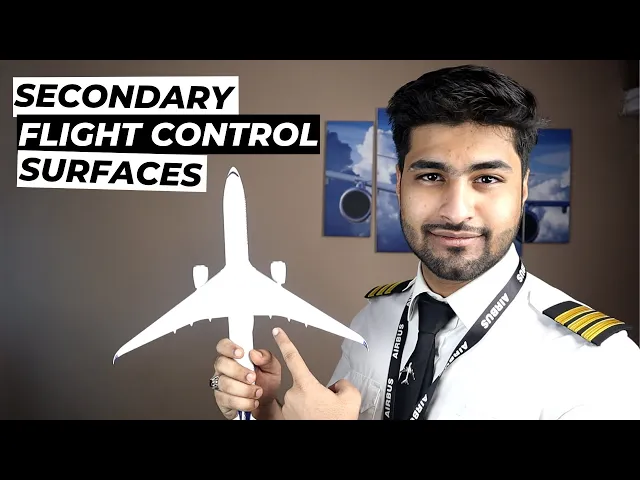
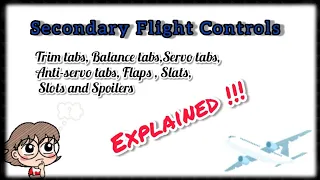
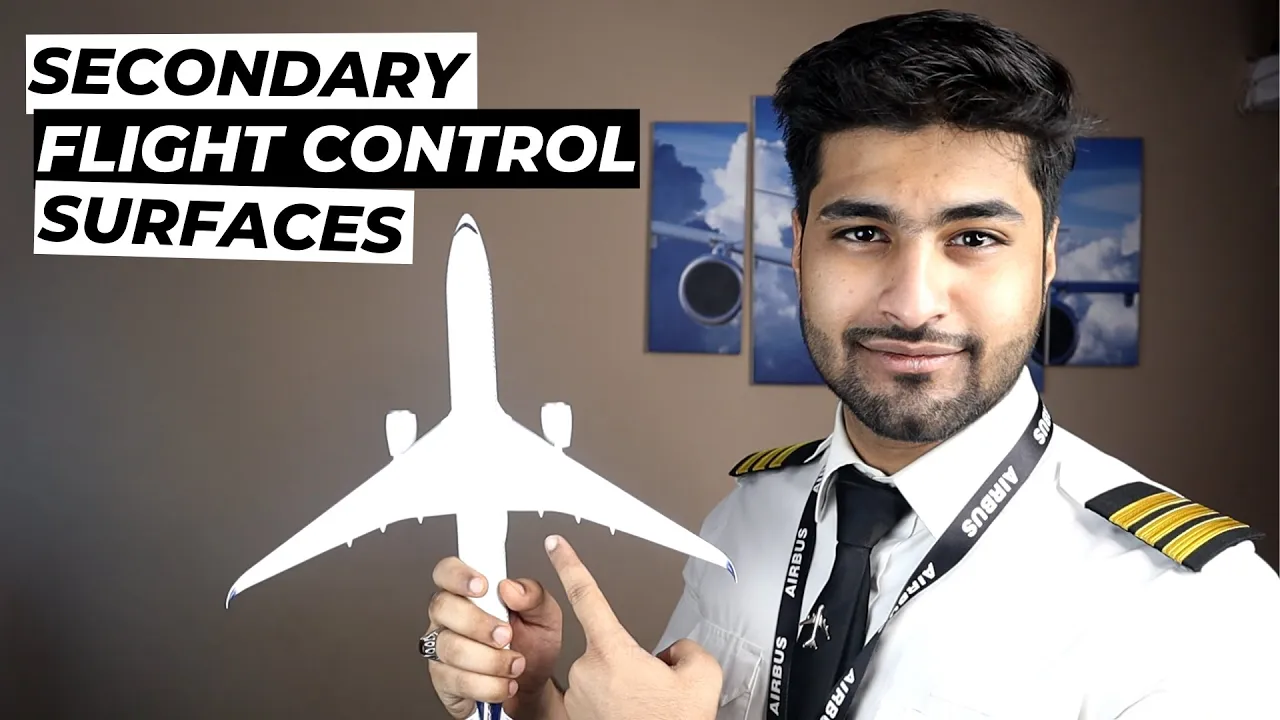
this is the sixth episode in the fly tuber ground school series and in today's video i'm going to be talking about secondary flight control surfaces i'm going to tell you what these are why do we need them and then uh what do these guys do so if you guys are ready for this video fasten your seat belts because you're ready what's up velveeters and welcome back to the fly tuber flying simplified through youtube my name is alias here and on this channel i talk about interesting aviation facts and aircraft knowledge and aircraft theory just like
in today's video and also i do some aircraft uh you know uh simulation videos on this channel so if you guys are an aviation geek animation freak and if it's your first time on this channel and if you haven't subscribed yet i highly recommend you guys to go ahead and first subscribe to the channel you can do that by clicking on that subscribe button down below or alternatively you could just click on my channel logo here and you can subscribe to the channel from there as well and do not forget to press the notification bell
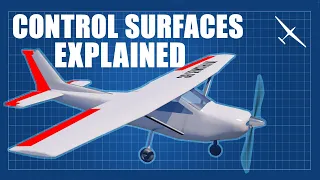
icon let's continue with the video so first things first we need flight control surfaces to maneuver the aircraft or change its flight path there are two types of flight control surfaces primary flight control surfaces and secondary flight control services i've already covered the details about primary flight control surfaces in a previous video in this very series i think if i'm not mistaken in the second episode in the ground school series anyways which i'll be linking up that video up here and also in the description so go ahead and check that video out and also uh
i suggest that you guys watch this series in a chronological order that will be you know giving you a good idea of what is happening and you know these videos will make much more sense but anyways for today's video i'm going to be talking about the second part or the secondary flight control surfaces now why have we even classified the flight control surfaces into primary and secondary there is a very good reason behind that now primary flight control surfaces as the name suggests are really very very critical and very important for you know aircraft maneuvering
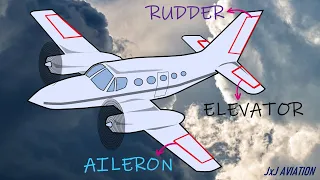
there are three flight control surfaces if you have seen from the previous videos that is elevators ailerons and rudders and these guys keep moving almost all the time all throughout the flight these guys keep moving and the failure of one of these uh no the complete failure of one of these pet control surfaces will really make the aircraft almost unflyable or even at least you know it will be very very difficult to give you a really hard time as a pilot to fly the aircraft whose uh one of the primary flight control surface is uh
completely failed on the other hand a secondary flight control surface uh you know it is very important once again when you compare this one to uh you know primary flight control surface it isn't uh as important the reason behind that is uh these pattern two surfaces don't move all the time you know there is a separate time when we use one of these secondary flight control surfaces and apart from that for most of the flight we don't even use these and the failure of a secondary flight control surface is critical let me tell you it
is critical when you compare it to any other failure but when you are comparing it with a primary flight control failure then it might be not as much of a big deal because i told you right we don't use it all the time and the aircraft would still be flyable and it will just make your life a little bit difficult and that's pretty much it not really major consequences well there are three types of secondary flight control surfaces let's look at what these are but before that if you guys are getting value and information out
of this video like this video share it with your friends and guys i cannot stress on this fact enough that there are a lot of viewers on this channel but they are not subscribing that is what my channel analytics is telling to me and that is really a disheartening thing for me because i know that you guys are liking the video and the quality but you aren't subscribing if you do then that'll be a great motivation for me to bring out much more videos and good quality ones uh otherwise you know it's really disheartening so
yeah uh if you guys haven't subscribed subscribe the channel and if your friends haven't let them know about the channel and about the informative videos that i'm creating here if they are interested in aviation then let them know and ask them to subscribe as well let's go ahead without any more fuss towards the video itself so as always it's really mandatory for us to get back our big baby the a350 to explain about the flight control surfaces the first one of the three secondary flight control surface is the flaps and slats i mean if you
guys might know what these are and you know it would if you would give me time i might continue for talking for hours and hours or maybe even a day or two or you know even months might not be enough to you know completely cover about what these are and how critical they are but still uh just to cover the basics maybe i'll be making a separate detailed video later on but for covering the basics uh slats are surfaces that extend from the leading edge or you know the the forward portion of the wing they
you know they extend front and down and flaps are you know these are extendable surfaces from behind okay the trailing edge the behind edge of the wing these extend backwards and down now these flat control surfaces have you know quickly and briskly touched about in a previous video of how they help in increasing lift and that is what they basically are they are also known as high lift devices they increase the lift and in a way uh you know you could say that these allow you or help the aircraft to fly at a slower speeds
which might not have been possible without these surfaces right and when do you fly slower and the answer to that is near ground that is when you are taking off or when you are coming in to land because when you have taken off your speed isn't as much and when you're coming into land you cannot land at really high speeds so at these instances wherein you want the aircraft to fly slowly but not fall off the ground that is when we use these flaps and slat other than that in cruise we do not use the
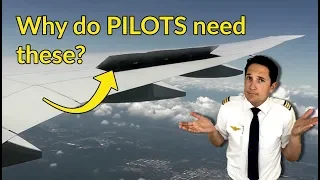
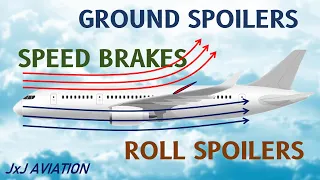
flaps and slats and that is why they are one of the secondary pad control surfaces the next and second type of secondary flight control surface is spoilers or speed brakes both of these are one on the same it's the name for the same flight control surfaces these are essentially surfaces that extend or protrude upwards from this portion of the wing here okay they protrude upwards like that they disturb the airflow that spoil the lift okay they reduce the lift that's why these are known as spoilers and these also help the aircraft to slow down so
once they are in the air if it is used to slow the aircraft down through the air because you know these surfaces can just come upwards towards the airstream and they can act just like you know a surface against the instrument that's how they can slow down the aircraft at that time these are known as speed brakes on the other hand these are also the same surfaces that are used at landing so you guys if you uh have seen from the passenger window uh you know at landing there are certain surfaces that you know extend
upwards as soon as the aircraft feels touched down these are the spoilers the same uh things are known as spoilers and you know they help to slow down the aircraft after landing and reduce the landing distance as a whole and when you compare the spoilers to the flaps and slats these are used more frequently because they also have another function that is roll spoilers that is when the aircraft is trying to roll to left or right i've talked about that in the previous video i'll link that video also up but along with the ailerons here
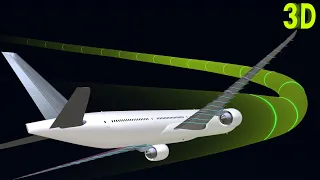
these uh you know uh these spoilers these surfaces also extend upwards and you know on on only one wing so if this wing has to go down to help reduce the lift on this swing this these uh you know spoiler surfaces or you know roll spoilers also protrude upwards and help in turning the aircraft or roll for the aircraft roll that's why they're also known as roll spoilers in such instances now the third and last type of secondary flight control surface is trim tabs or trim surfaces to understand better what these are and why do
we actually need them i want you guys to imagine that you are in the cockpit of an actual aircraft pretty great imagination right i hope that this imagination turns into a reality pretty soon but imagine that your guys are in in the cockpit of an actual aircraft you have just taken off and you want to climb up till 40 000 feet the typical rate of climb in today's aircraft is about 2000 feet per minute and plus or minus a few hundred feet per minute but for the sake of ease in calculations let's say that you
are climbing at 2000 feet per minute basic mass and calculation would tell you that you would require 20 minutes to reach your closing altitude of 40 000 feet now how do you climb uh i had code that in the previous video in this ground school series and that's why i asked you guys to watch this series in order but just to touch on it basically you would need to you know pull the control column or the side stick towards yourself and that would deflect the elevators and that's how you would you know take off and
climb up towards the sky but do you really think that you will have to cut you know keep the control column on the side stick towards yourself for the whole 20 minutes no you don't have to and that is where these trim tabs pitch in so basically trim surfaces are just an extension to the elevators itself you can say it's an elevator for the elevator itself and how they work is basically you know imagine that this is your elevator the trim tab is like an another extension okay uh and how the deflect is if you
want to climb for example you would trim the aircraft from the cockpit such that this trim tab deflects downwards and it stays there what that will do is you know if you apply the same elevator logic you know this airstream will go hit and it will go down because of which there will be a net upwards force here and that will make the whole elevator you know lift upwards and this is a bigger surface the elevator itself is a bigger surface and uh you know the elevated trim tabs goes down the elevator itself as a
whole goes up and that will make the aircraft climb so once you have trimmed it uh if you want you know for what uh angle of climb or for what nose attitude do you trim if you trim the aircraft once and leave it if you leave the control column if you leave the side strike the aircraft will maintain that attitude it will maintain that rate of climb and will uh climb higher without you needing to you know physically hold the control surfaces sorry the control column or the side stick now if you guys are thinking
that why not to have a trim system that you know just we could change the neutral position of the whole elevator itself why do you need another extension so let me tell you that that is how exactly uh it happens in the bigger aircraft like the a320 etc uh because these guys are powered by hydraulics so when you once you trim the aircraft you will just tell the computers that how much to trim the computers will tell the hydraulic jacks that now i want the elevator to be in so and so position and will keep
so these elevators and bigger aircrafts don't have additional surfaces or additional trim tabs as such but these can be found only in smaller aircrafts like cessna's and yes i am aware of the fact that i keep telling aircrafts which is not correct aircraft is in itself a plural so please pay me with that myriad here leave it and very similar to these elevator trim tabs you also have rudder trim and uh how and when is it used a good example is for example if you have an engine failure if this engine fails then the aircraft
will yaw because there is a pressure from this engine uh in a forward force then to bring the back the nose of the aircraft you need constant input from the rudder and that means you have to constantly keep pressure on the rudder pedal from your legs which is really tiring and in such cases you can simply use the rudder trim and that will do the trick for you and similarly you also have aileron trim but it's not in most of the aircraft maybe it might be used when you want to continuously keep rolling to the
left like if you want to circle or orbit to left or right so these were these three flight control surfaces the flaps and slaps that are high lift devices that allow the aircraft to fly at slower speeds we use it for landing and takeoff the second one is your spoilers or speed brakes used for helping in the roll also to slow down the aircraft through the air and also once it has landed the spoilers come up to slow down and you know reduce your landing roll or the landing distance and then finally the trim tabs
these are used to remove the uh or trim of the forces from the control column so that you can you know continuously keep climbing for or descending as well for a long duration of time and that's it for this video in the next video i'll be coming up from the flight school series on this very topic so stay tuned for that if you guys want to know more fun facts about aviation or guidance of how you yourself can become a pilot and if you haven't subscribed to the channel then this space is for you go
ahead and subscribe to the channel and activate the notification bell so that you guys get a notification as soon as i upload a new video and i'll be coming out with interesting videos very soon until then you guys can watch any of the videos on the screen right now or in the description as well take care bye bye happy landing you