once you have your research question ready then you need to know more about the topic by studying the previous research in the area and this is where you need to do your literature review so it is very important that you review enough literature relevant to your research question to better understand the context from which your research hypothesis arises because scientific progress is made by an accumulation of previous knowledge which is a collection of related hypotheses answered by past research in addition literature review will help you identify the most up-to-date information and the current state of
affair in the field topic or theme of your research literature review will also help you find the gaps in the field that have not been fully investigated or need more research and finally a successful literature review will help you refine or redefine your research hypothesis and the scope of your research before you review literature obviously you need to first search and collect as many relevant literature as much as possible and save them in some safe place in old days you would need to go to library but these days literature search cannot be easier than ever
thanks to the internet you can start your search with major bibliography databases a bibliographic database is a specialized digital collection of references to published literature such as journal articles or books for vision sciences probably pubmed will be the most relevant database to use which is a database primarily dedicated to life sciences or biomedical topics you know google is always your best friend for any search so you can use google for the same purpose of literature search but they have a bit more specialized search engine called google scholar or literature search finally another way to do
a literature search is to use one of the citation indices in fact citation index is another type of bibliography database which is an index of citation between publication this becomes particularly useful when you have a seminal paper or very important paper from the past that you think is the foundation of your research because it is quite common to start a new research based on the old research citation index will be helpful to find out what has been done since the publication of the old paper to learn more about the current state of the affair or
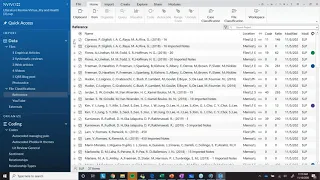
gap in the research area gcu has a license with web of science so you can use this citation index for free to do a literature search and you will have a chance to learn how to use these database databases for your project or dissertation in much more detail in your fourth year if you're doing your literature search for a study and planning to write an academic paper later you must i will say this again you must use one of the reference management software which is a specially developed program for authors to easily manage collected literature
for publication i cannot emphasize enough how useful it can be once you get to use it so this is a you know basically the lifesaver they're basically integrated with word processing software such as microsoft word they can populate formatted bibliographies reference pages or inline citations to any preferred style or recommended style such as harvard or apa style with a few button clicks you will have a chance to learn more about you know how to use one of these software in your fourth year and make sure that you attend the session to learn how to use
them gcu has license with refworks in the middle right so you will get to learn how to work with web forks in that session but if you don't like it for whatever reasons there are tens of if not hundreds other reference managers out there and i can recommend either zotero on the left or mandalay because they are free easy to use and pretty much platform independent so once you finish collecting the relevant literature then you need to review them individually because not all the collected literature will be directly relevant to your research question and you're
not going to be including all of them in the year reference section therefore you want to quickly exclude literature by reading the title and abstract first then sift further to pick out the most relevant literature to read in full so when i was a student actually i found this step most demanding and time consuming as the journal articles or the scientific paper are usually very difficult to read to begin with moreover reading a research paper is different from reading a textbook you do not read it to find direct answer or crystal clear evidence to your
question and if you do then why would you do your own research when you already found the answer from reading right and when you read a full paper you first try to understand the research question of the paper and read closely how they arrive their answers from the question so the very first thing you want to do is to identify the hypothesis if there is one and if not try to identify at least the goal aim or purpose so basically you need to um identify why they're doing what they're doing and whatever possible rephrase the
question in your own words to clarify what you think they're doing is what they're actually doing as you read along and for literature review um you need to be intentionally judgmental throughout to uh throughout the year the process to find out if the entire q a process so basically that is q a process is sound and logical and to select quality evidence related to your research so you have to be willing to wonder constantly and keep asking yourself questions and stay skeptical i'm asking questions like you know are the evidence or data good enough to
support or refute the original study question or you can ask questions like you know if the methodology is valid to answer the research question or whether or not the rationale leading to the claim or conclusion is logical and reasonable is there any oversimplification or sweeping generalization in their conclusion and while you're reviewing this literature you also want to watch out for hidden assumptions and biases and whatever possible consider other viewpoints or alternative interpretation and finally be willing to tolerate uncertainty and this is unavoidable right because you know the journal articles are very difficult to read
to begin with and also you're going to come across a lot of difficult terms words paragraphs you probably don't understand but you do not want to get stuck forever so you want to you you want to be ready to settle for tentative answers until you find further evidence or understand and then you would just move on