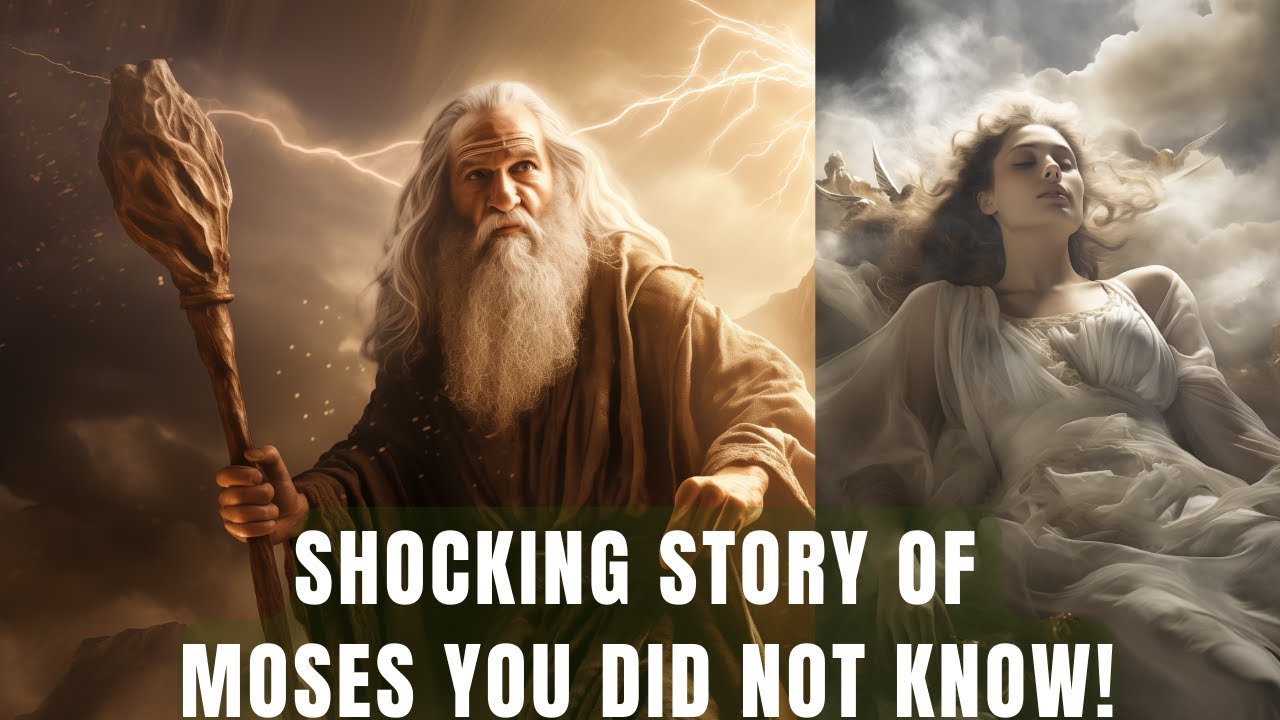
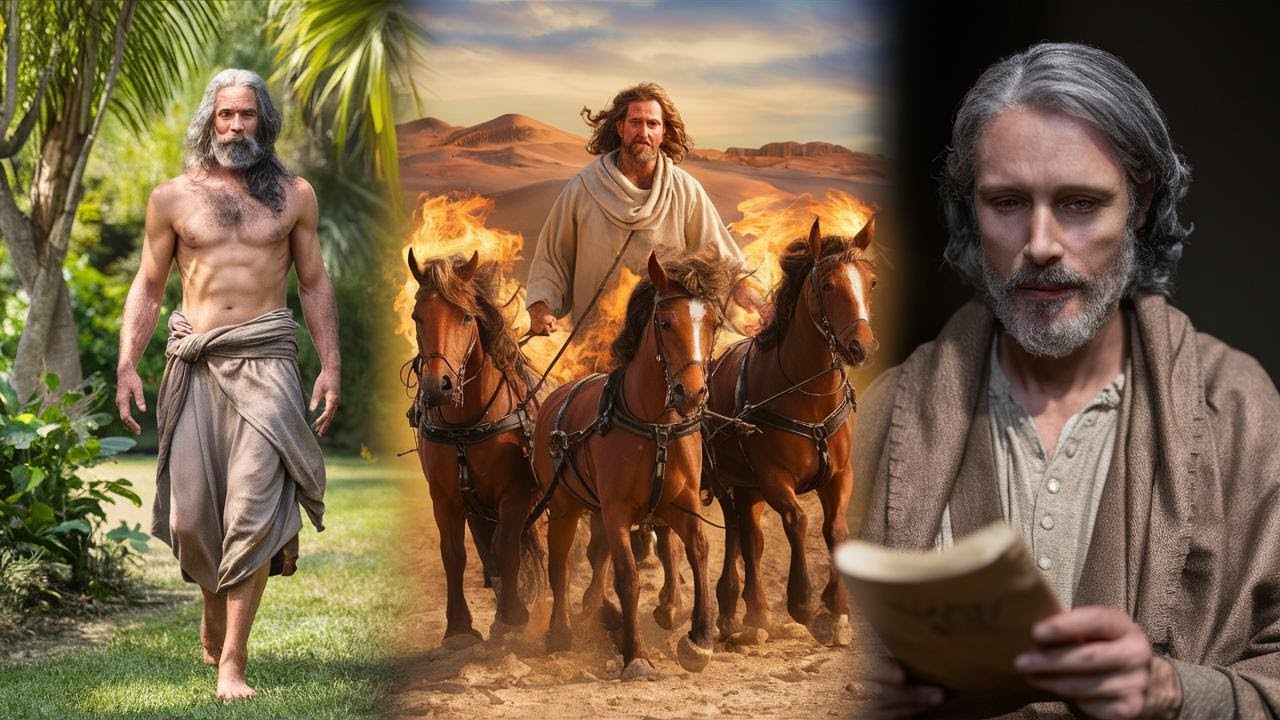
Have you ever wondered why Satan so desperately wanted the body of Moses after his death? This question might seem unsettling or even bizarre; yet, it's deeply rooted in biblical accounts. Moses, a towering figure in history, led the Israelites from the shackles of Egyptian slavery to the doorstep of the Promised Land.
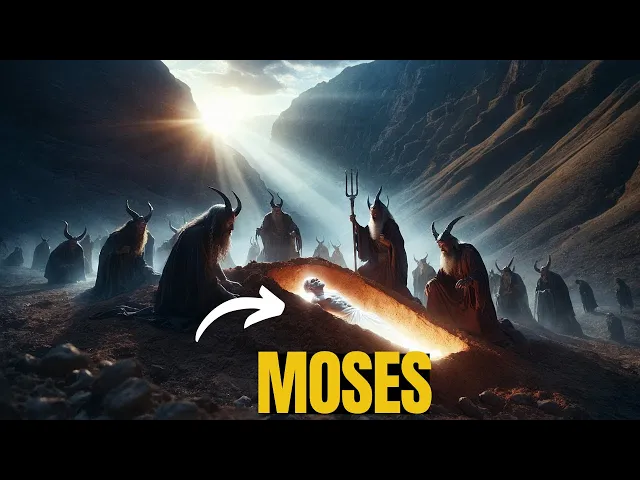
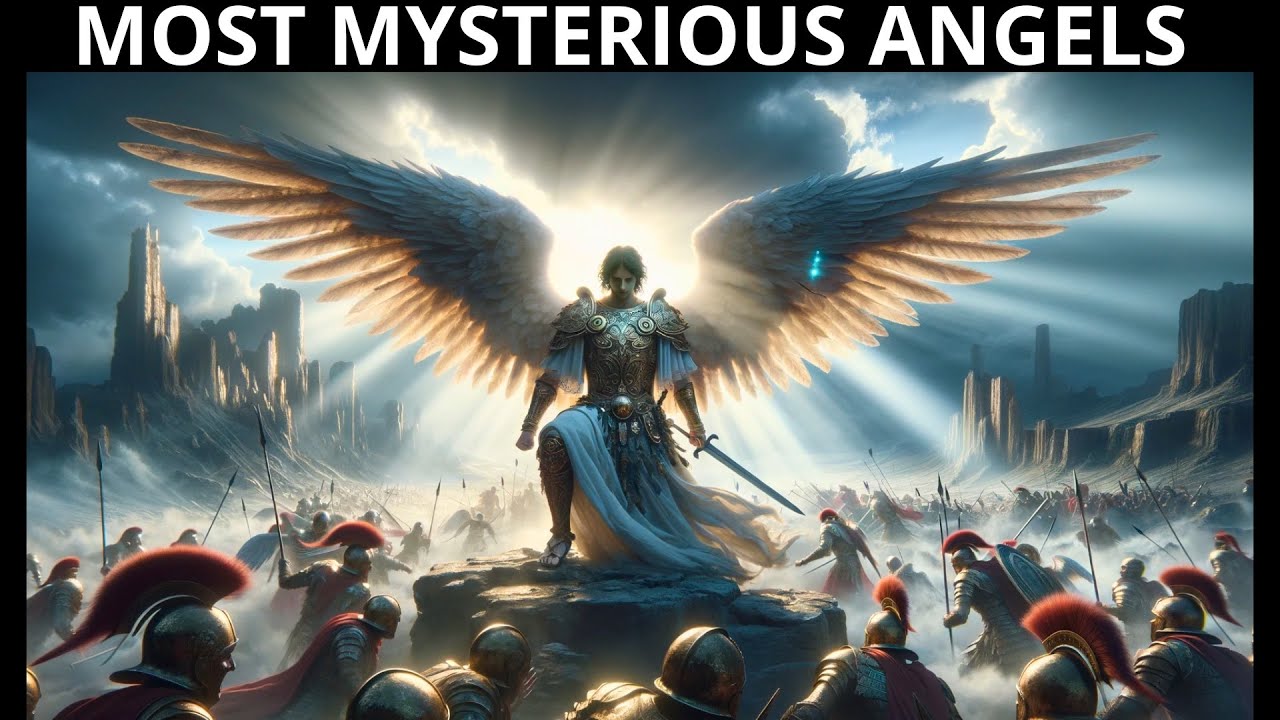
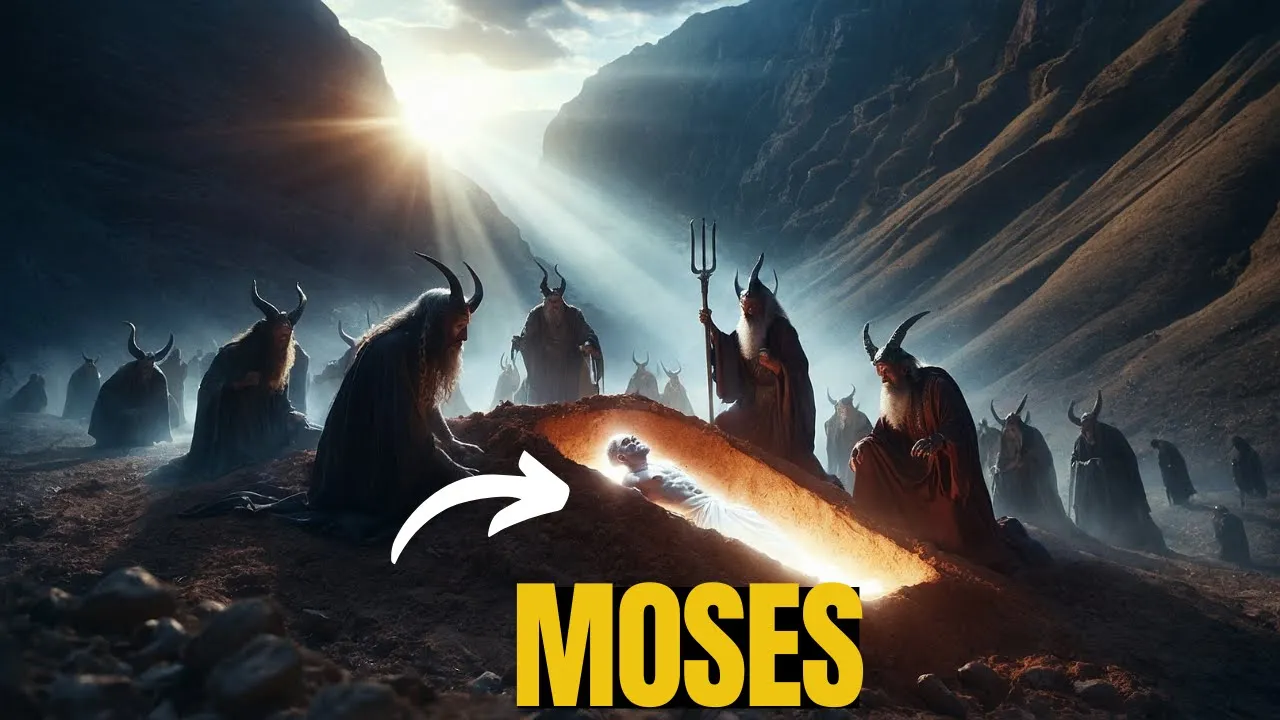
He was the conduit for the Ten Commandments, a beacon of hope and faith. But what transpired after his demise was shocking. According to the Bible, God laid Moses to rest in an undisclosed location; yet, a peculiar event unfolded: there was a fierce altercation between the Archangel Michael and the devil over Moses' remains.
This isn't a tale spun from thin air, but a reference from the book of Jude, verse 9, where the Archangel Michael and Satan lock horns seriously over the body of Moses. This scenario raises more questions than it answers, so let's delve into the biblical events surrounding Moses' death and this peculiar dispute. Moses, the man who had led the Israelites out of Egypt, who had received the Ten Commandments directly from God, and who had guided his people toward the Promised Land, was now on the verge of death.
His life was filled with extraordinary encounters, divine revelations, and powerful miracles. Yet, just before he entered the Promised Land, he made a very serious mistake that almost cost him his ministry. God had specifically asked Moses to speak to the rock so that water would gush out and the children of Israel would drink.
But unfortunately, due to the pressure from the Israelites, Moses, out of anger, turned to the people and said, "Must we always bring out water for you to drink? " Although this statement might have sounded innocent, it had very serious consequences. The first mistake Moses made was to use the word "we" instead of saying "God.
" It was God's power that was to bring out water, not Moses. By saying "we," it meant Moses attributed some level of power to himself. Secondly, Moses struck the rock when God had actually told him to speak to it.
Immediately after doing this, God told Moses that he shall no longer enter the Promised Land because of his error. Think about it; can you imagine all that Moses had gone through just to miss it at the end? After which, he died.
The book of Deuteronomy 34:5-6 narrates the event of Moses' death. It says, "So Moses, the servant of the Lord, died there in the land of Moab according to the word of the Lord. And he buried him in a valley in the land of Moab opposite Beth Peor, but no one knows his grave to this day.
" This passage tells us that Moses died in the land of Moab as per God's words, and then in a mysterious and divine act, God himself buried Moses. This is an unusual occurrence in the Bible: God, the Creator of the universe, personally involving Himself in the burial of a man. It is not often that we hear of God carrying out a burial.
This act of divine intervention signifies the special bond that Moses shared with God. Moses was not just a servant of the Lord; he was a friend, and in this friendship, we see a remarkable act of love, respect, and honor. But then a question arises: why did God choose to bury Moses in a secret place?
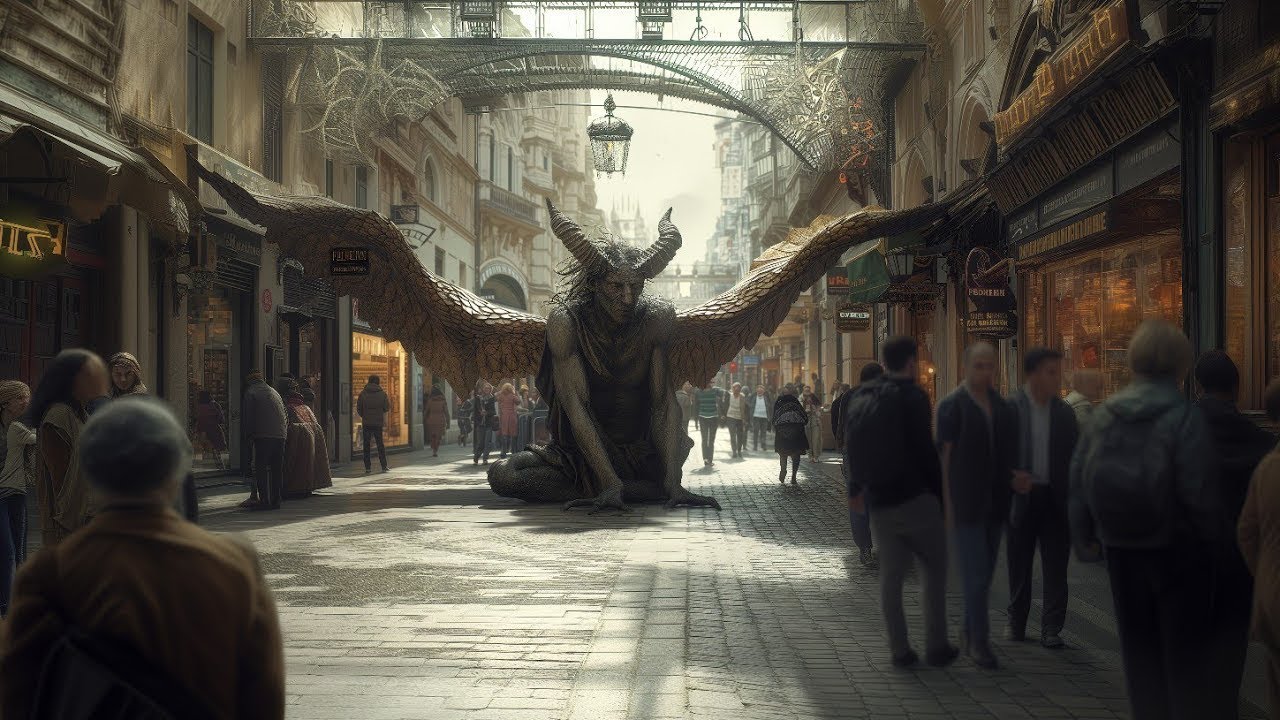
Why was the location of his grave kept hidden from the world? The answer to this question takes us into a deeper exploration of God's wisdom and Satan's cunning plans, where we find Michael the Archangel and Satan locked in a fierce dispute—not here on Earth, but in the heavenly realms. This was no ordinary argument, but when Satan came to claim the body of Moses, his audacious move was met with resistance by none other than Michael the Archangel.
The Bible doesn't provide us with all the details of this celestial confrontation, but we know that Michael, standing firm in his divine duty, resisted Satan's claim. Michael, an archangel of great power and authority, stood his ground. However, he did not rebuke Satan in his own name or power; instead, he said, "The Lord rebuke you.
" Here, we see the humility and wisdom of the Archangel Michael, who acknowledges that the power to rebuke Satan comes from God alone. One might wonder: why would a celestial being like Satan be so interested in the mortal remains of Moses? What could he possibly gain from possessing the body of a man who had already passed away?
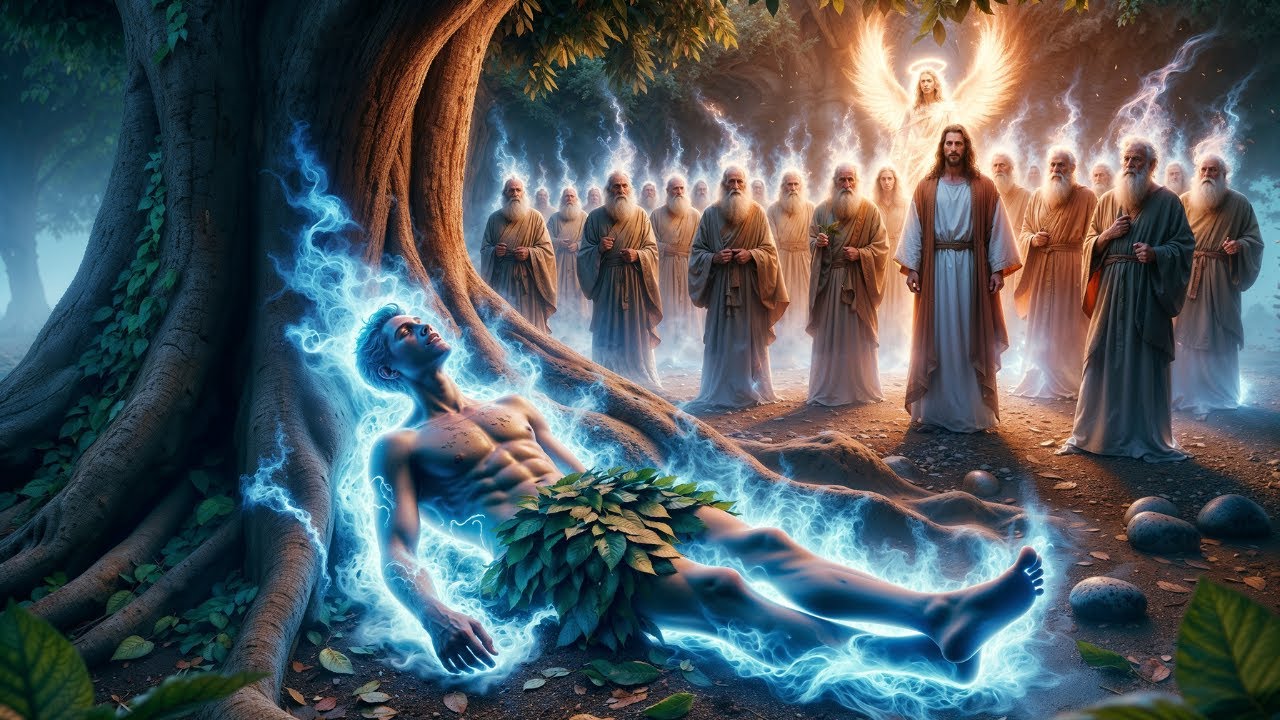
Firstly, there's a chance that Satan wanted to prevent Moses from being resurrected or assumed into heaven. Satan might have wrongly assumed that God planned to take Moses into heaven just like Elijah or Enoch. In the Gospel of Matthew 17, Moses appeared with Elijah on the Mount of Transfiguration with Jesus.
Satan, being the cunning adversary that he is, may have tried to stop this from happening by taking possession of Moses' body. Another major reason Satan wanted the body of Moses was likely because he wanted to use Moses' body as an object of idolatry for the Israelites. Remember the golden calf incident in Exodus 32?
Satan, knowing this, may have intended to tempt them to venerate Moses' body or relics. This would have been an effective way to divert them from the true worship of God. God, in His wisdom, may have hidden Moses' body to protect His people from this snare.
The third reason is that Satan, who is referred to as the accuser in Revelation 12:10, could have wanted to accuse Moses of his past sins and unworthiness before God. Satan could have used Moses' past failures—such as killing an Egyptian, breaking the tablets of the law, or striking the rock instead of speaking to it—as grounds for condemnation. The devil loves to accuse and condemn, and Moses.
. . Despite his great deeds, he was not without sins.
Lastly, Satan might have wanted to mock God's plan and power by seizing Moses' body. Satan could have attempted to claim a trophy of his victory over God's chosen leader and mediator. The devil, in his pride and rebellion, constantly seeks to challenge God's plans.
But let's remember this: while Satan's cunning nature knows no bounds, neither does God's wisdom. God's power and wisdom are infinitely greater than Satan's schemes. Even when Satan fought hard for Moses' body, it was God who had the final say.
God's purposes cannot be thwarted, and His plans cannot be foiled. Satan's cunning knows no bounds, but neither does God's wisdom. God is always one step ahead, and His wisdom and power far exceed anything Satan can muster.
Even in the face of Satan's craftiness, God's plans always prevail. So remember, no matter how crafty and cunning Satan might be, God's wisdom, power, and love for us are infinitely greater. Beyond the dispute, there's a greater lesson; it's a story we've unraveled today—a complex narrative woven into the fabric of our faith—a tale of God's chosen leader, Moses, and the battle that ensued over his lifeless body.
But let's step back for a moment. Let's look beyond the battle, beyond the motives of Satan, and find the greater message hidden within this story. First, it's a reminder of the importance of true worship.
The Israelites, time and again, fell into the snare of idolatry. Whether it was the golden calf or the bronze serpent, they were easily swayed away from the worship of the one true God. The potential misuse of Moses' body as an object of veneration underscores the struggle, reminding us to keep our worship focused on God alone.
Second, it's a testament that God's grace extends beyond our shortcomings and that His love is stronger than our past failures. Finally, this story serves as a stark reminder of the need to resist Satan's temptations. Satan is crafty, cunning, and will use any means to divert us from God's path.
But as Michael the Archangel demonstrated, with faith and the power of God's Word, we can stand against these temptations. Let's remember the story of Moses' body not as a gruesome battle but as a testament to God's enduring protection and guidance. It's a testament that continues to resonate, reminding us of the importance of true worship, the power of God's redemption, and the need to resist Satan's temptations.