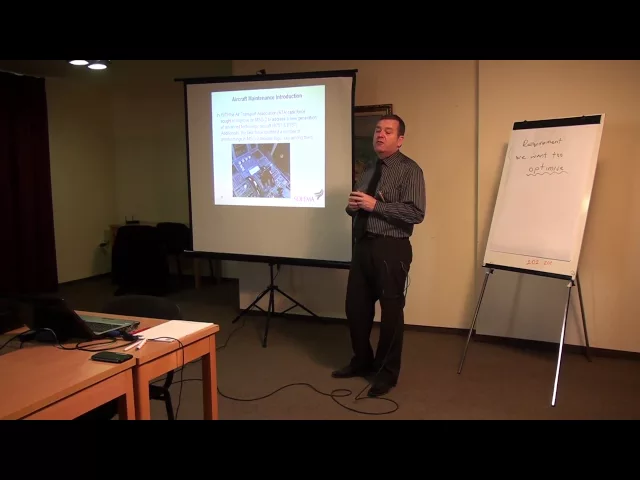
creation maintenance planning the aircraft maintenance introduction module during this module we're going to look at some of the precursors and the history of what we now look at as our maintenance product when dealing with complex technical systems and the extensive competition the consequences of unreliable service become critical a main luda i cost of operation if aircraft are grounded due to technical failures he can be very expensive we're not just talking in fact we're really hardly talking about incidents and accidents incidents and accidents are very very rare very very few and far between what we're talking
about with our maintenance is a cost effective product that gives us a reliable operation unreliable service may lead to annoyance inconvenience and lasting custom of this dissatisfaction if people are not happy they're going to go somewhere else so in a business that depends on customer support and of course aircraft operations is exactly such a business then we must keep the customers happy and to do that we need to be on top of our maintenance problem a company can rapidly the branded as unreliable after providing Paul series whereas building up a reputation for reliable service takes
a long time there it's critical for air carriers to achieve high standards of safety and reliable service while optimizing their profits and there is a perfect example these guys are acquiring this is an Airbus a380 of course they are acquiring an Airbus a318 ed single one month every single one month they're getting two triple sevens that means at the end of the year more than 20 triple sevens more than a dozen Airbus a380s that's on top of their existing fleet of more than 200 airplanes how to maintain such a product by managing the customer satisfaction
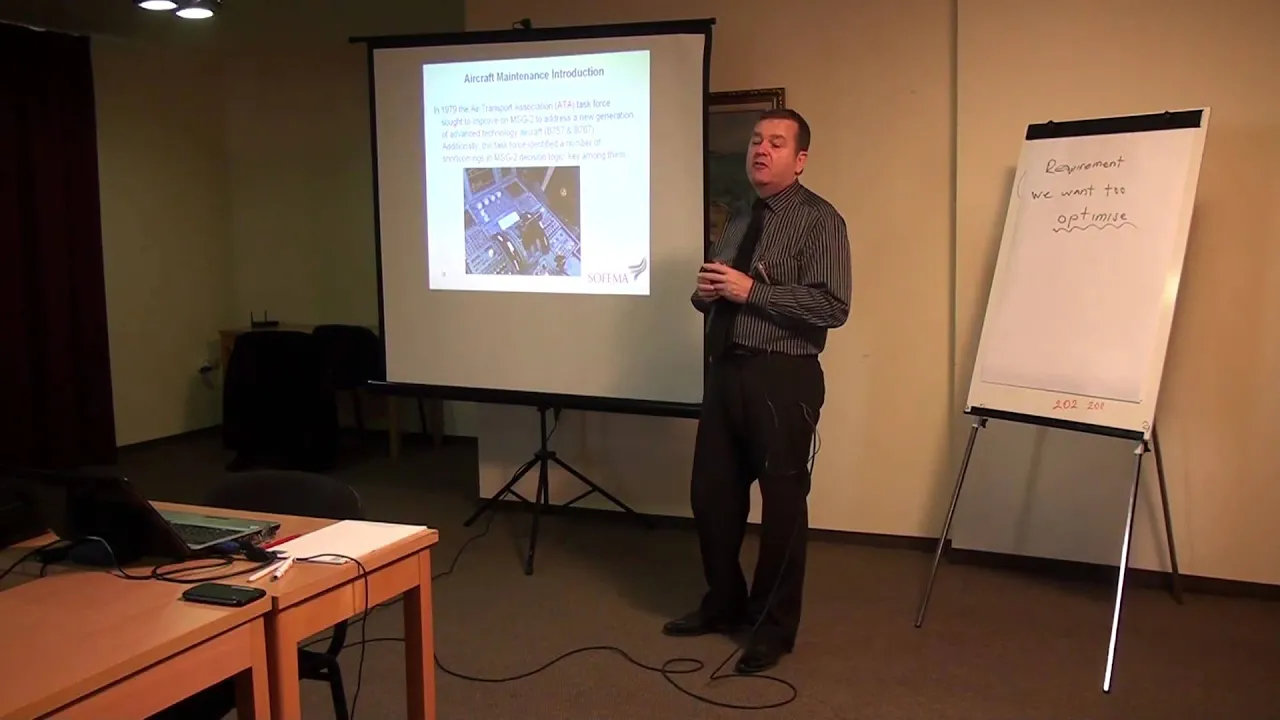
to this end aircraft operate bility is considered one of the major requirements aircraft operability is the aircraft's ability to meet the requirements in terms of operational ability and reliability the percentage of scheduled flights that depart and arrive without incurring a chargeable technical or operational interruption typically if the aircraft departs within 15 minutes of its scheduled departure time it's considered an on-time departure in 1979 the air transport association sought to improve on msg to what is msg to msg is the maintenance steering group logic which determines the type of maintenance activities that were going to perform
we will go in very much detail through the entire msg process to address a new generation of advanced technology aircraft the 757 and the 767 boeing developed to air played simultaneously and they had a very similar technology they were using instead of instruments in the panel they were using screens they had screams for the engine instrumentation called the I casts and they have screens for the flight control flight direct Radio altimeters was also called Efus this was a whole massive change from the previous generation of airplanes and of course this is the forerunner of what
we've got now all aircraft now have glass cockpits with the LCD and so on so even smaller Arabic brand new era bites all now have this method of presenting information there was a show of some shortcomings in the decision logic msg to logic did not effectively deal with the increased complexity of aircraft systems the msg to process was ten years old at that time it came in at the beginning of the 1970s did not address regulations relating to damage tolerance and fatigue evaluation of structures in actual fact the structural integrity and the corrosion prevention corrosion
protection programs were separate in the msg to environment as I say we will talk about this in in a lot of detail whereas within the msg three environment they're integrating corrosion prevention control programs and requirements mandated through an aging aircraft men's program so msg to did not differentiate between maintenance being done for safety reasons versus economic reasons sometimes we choose to do maintenance why because it prolongs the life of the component we don't have to when choosing to therefore the driver for that particular maintenance activity is economic in doing so we improve the cost-effectiveness of
the maintenance product and what we should pay attention to that the operator is responsible for the maintenance program and the operator through the reliability program determines the effectiveness of the maintenance many operators simply copy the MPD and do nothing with it it's not correct operators that understand the MPD and understand the maintenance process and have a strong and effective reliability program are able to adapt the maintenance program to suit the conditions of the operator in doing so you can optimize the effectiveness of the maintenance program to do this you need a particular competence within the
organization you also need a particular competence within the regulatory environment to oversee the organization and so this is the challenges that the industry faces in having sufficient competence within the organization and the vision competence within the regulatory oversight systems