WD [Applause] all right we are back in the afternoon day three augmented World Expo so next up we are keeping things going strong with a panel on um how emotion AI is unlocking the power of trust and judgment I'm personally very interested in this because I know in real estate emotion avatars things like that are are super crucial as obviously in the real world but um you know interested to hear um you know from from the AR VR mixed reality perspective and with that we'll bring up Umesh Sanchez of unifor all right it's great to
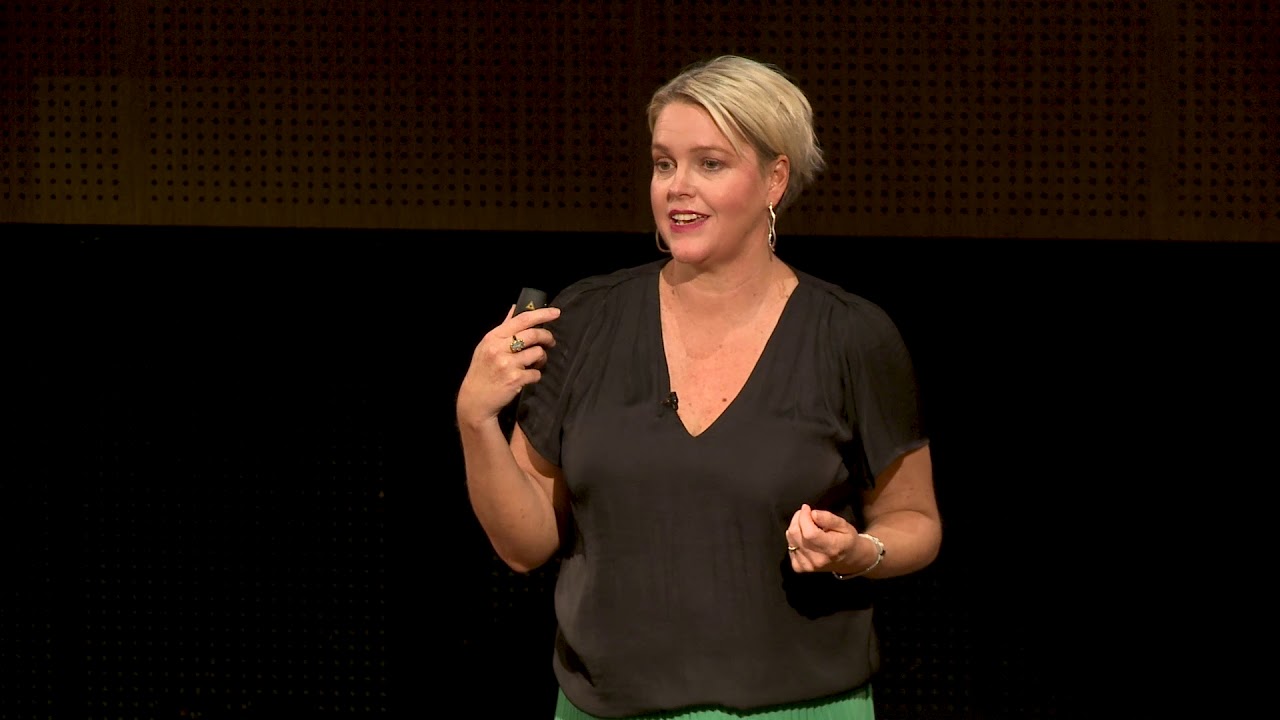
be here it's great to be with you all my first time at AWA and I could not be more excited uh to talk to you about emotion AI but first I want to start with a personal story a short personal story um you know last year my family and I we moved into a new neighborhood here in the Bay Area and to celebrate the new house this spring we we had a housewarming party to call our friends and our neighbors to celebrate the occasion it was an exciting time for my family but especially for my
eight-year-old daughter it was a particularly exciting day the house was decorated it was buzzing with energy and as part of the food menu we had lots of treats for kids so we had some candies and we had Cookies Cakes And even ice cream and for her this was only second to being allowed to be Beyond her bedtime and watching Harry Potter movies so my wife and I as the party got started we told her that she and her friends for the evening were allowed to run around and eat as they please and middle of the
party I wanted to check in with her and I was expecting to find my daughter with a huge sugar high probably were still sidelined with a sore stomach but to my surprise when I met her she said even though she wanted to have more cookies she stopped herself because she realized that overeating them would make her fall sick that was a moment where she practiced judgment good judgment and this is a unique ability that we human beings have but AI not yet and the reason humans have this ability to create judgment to pass judgment is
because we have the gift of when we communicate with each other we are able to add emotion to that communication so beyond words as we communicate with each other as human beings we are able to bring in changes in our tone which communicates emotion and meaning gestures body language facial emotion eye roll even and so coming back to the story when my wife and I were telling my daughter that she could have as much food as she as she liked she was able to filter the understanding of our Direction by the emotional connection that she
subconsciously has formed with her parents emotions is what lets us human beings connect with each other and even form a bond or trust and right now as we are going through a major technology transition in different Industries and this one is led by generative AI where every business every field different parts of the technology Spectrum are thinking through the opportunity of how many applications of generative AI can they bring into their business generative AI is not going to be enough for businesses and applications to unlock the full power of AI within their environments for that
to happen AI will have to develop a full understanding of how we as human beings communicate with each other and it's not just words we communicate with words and emotions together [Music] yeah oh no no no no no no no no you're grounded you're grounded until you graduate I see it last time you see at the middle of the beach he has the Lord you stand front of the defense my son now always tells me I love you Mama but for 48 years you realize I didn't say love you to my mom and so as
I was mentioning beyond words the human communication has many different aspects to it which includes intonation which includes using our tonal variations facial emotions and that video clip was a perfect example of that and so when I founded my company unifor 15 years ago what I set out to develop was first a speech recognition technology because I wanted to help poor people in India at the base of the pyramid connect to the internet and my hypothesis was that they wouldn't be able to connect to the internet because it's hard for them to go up to
a computer open the browser that's a certain level of literacy which seven eight hundred million people are not going to have so I wanted to bridge this digital divide with speech recognition and allowing them to communicate with the machine in a language of their choosing and using just their voice but as we went on in the journey I realized that it's not enough for the machine to understand the words that are being spoken by the user in any domain in any application unless we capture the other forms of human communication and in that case I
next looked at tonal variation as a way to to enlarge the understanding and the meaning that the user had to give inputs and so as we develop that technology we not only found applications in business but specifically in areas like contact centers and call centers where there are millions of people today working really hard every day receiving calls from all of us trying to address our queries trying to get the answers Etc and so our technology uniforce artificial intelligence now sits as a co-pilot next to those millions of call center agents helping them be better
at their job and as the pandemic happened as businesses move to doing more meetings over video channels not just phone like zoom and WebEx and teams we realized that the additional element of facial emotion using computer vision was equally important for us let's just think about the power we all have in this room you're listening to the words that I'm speaking you're able to watch me you're able to get a sense of of the feeling in this room there is just tremendous amount of information that I'm communicating beyond my words and that is the power
of emotion AI and so you know I hope you're beginning to recognize that the for the full understanding of AI for human communication it's really important for the computer machine to understand our emotions as well and that is where emotion AI comes in uniforce technology stack for several years have now been very rich with using several forms of AI including generative AI but like I said that's not enough for us to deliver value in different business applications that we've been using it and so several years ago we started our r d efforts in the area
of emotion AI we then figured out ways to fuse voice AI emotional and knowledge as single models where in real time when the machine is trying to listen to or understand a conversation it's able to take multiple signals and put weights on them we've been constantly investing we have several phds and researchers in the company in this space and then more recently we started incorporating emotion AI into our products and deliver value to several different Enterprises and as a founder of an AI company I am particularly excited about the research that my company does in
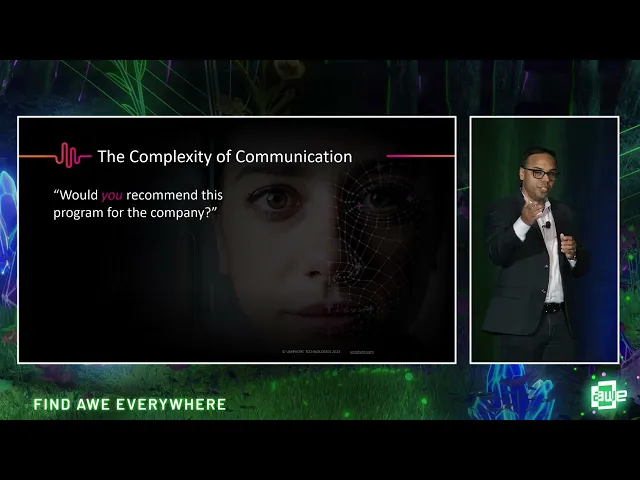
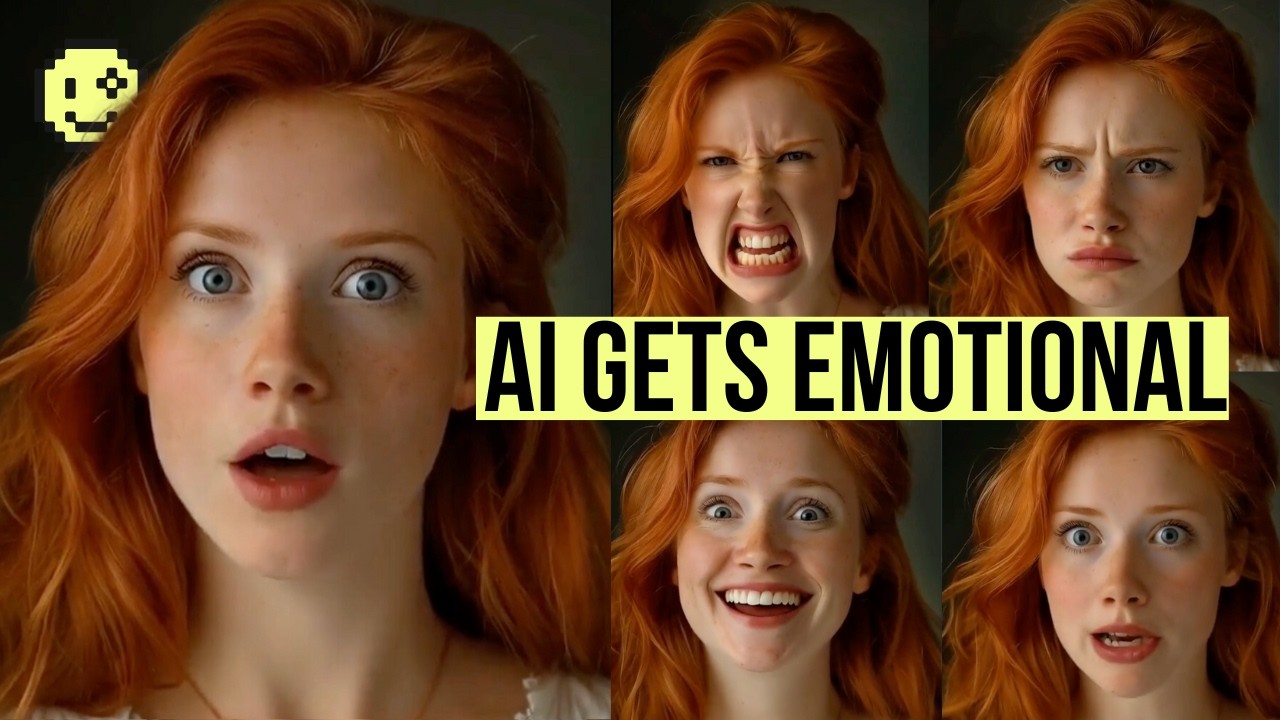
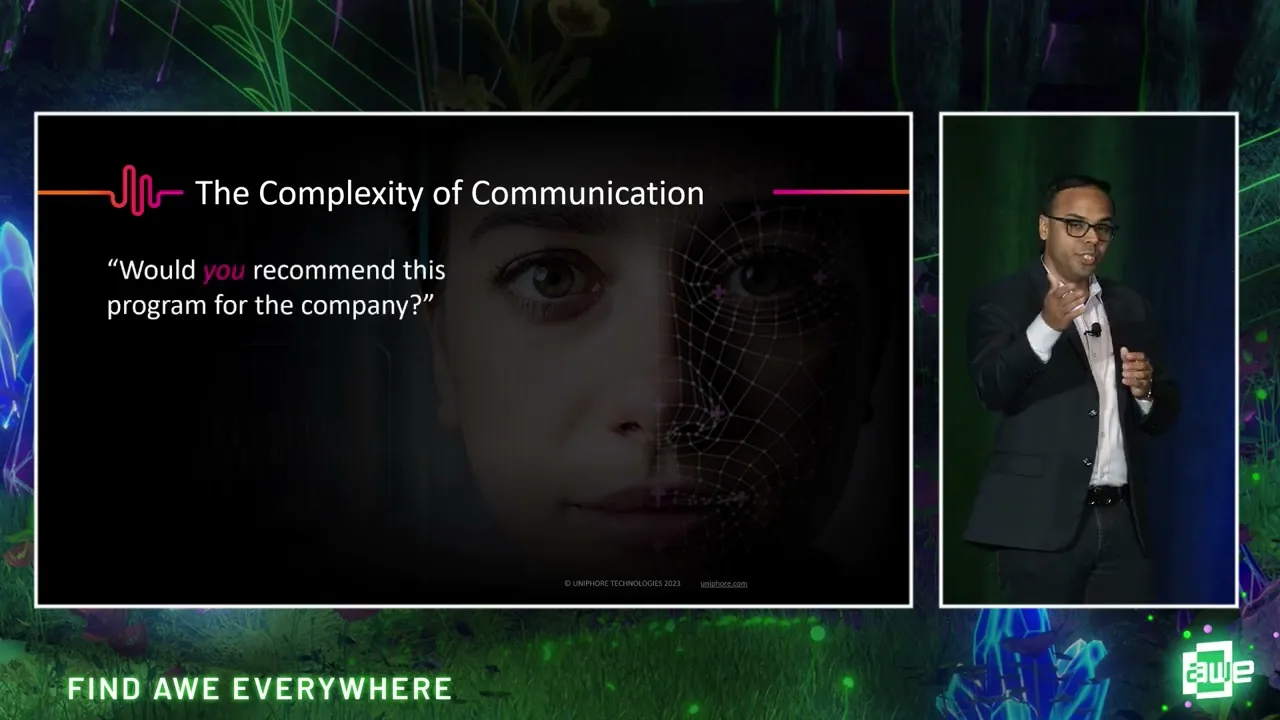
the area of emotion Ai and here's why emotion AI is that science of artificial intelligence that deals with machines learning to understand tonal variations facial emotions gestures even sentiment that are communicated sometimes with words but mostly without and combined with business application this can be very accurative to businesses because this helps them understand more about the users the consumers and their employees let's take an example of a sentence that I'm going to speak right now and the sentence is would you recommend this program for the company and now let's experiment with putting stress on different
word in the same sentence and hopefully you'll see it changes meaning so I'm going to start with the first one again would you recommend this program for the company I'll say the second one would you recommend this program for the company and now let's try a third variation would you recommend this program for the company so just by changing where we as human beings are putting stress on different words with the exact same sentence the sentence is changing its meaning so imagine the complexity that we as human beings go through and we take it for
granted with our communication there are over 6 000 languages in the world hundreds of thousands of dialects on top of that in our communication we have grammar we have intonation we have pauses and then we have emotions and intent and for AI to capture all of this is truly complex but it's only when AI unlocks that full value that it gains the full understanding of this conversation next slide please as I think about the different business applications the true power of emotion AI is an aligned businesses to get great understanding of their consumers users and
employees imagine some use cases imagine you're a seller in a business who's now trying to prospect customers over video calls you're meeting a new customer on a video meeting and they bring in a group of eight or nine participants who are now merely small boxes on your gallery screen whereas the main screen is occupied by the pitch deck and your main focus is perfecting the pitch deck in the physical world we all have the ability to read the room as we are pitching as we are speaking recognizing the reaction of people and adjusting in real
time that's how human cognition works but how do you do that on a video meeting with emotion AI being a co-pilot an assistant next to the employee it now can give it real-time cues while the employees focused on perfecting the pitch emotion AI can be giving input on the level of Engagement or satisfaction of the audience and allowing the speaker to adjust the pitch now let's take a different example imagine you're running human resources in a large company with a large team and you call it company Town Hall an all handles meeting most human resources
leaders are very concerned about is the message Landing the right way are the employees understanding the key message and so doing this on an hybrid way with you know employees being in different parts of the world hundreds and thousands of employees emotionally I can give real time input on the level of understanding engagement and sentiment of the audience such that the leaders were speaking on the meeting can adjust their message in real time that's true power in the area of healthcare Telehealth telemedicine is one very powerful use case where now in real time doctors can
get signals about the patient's Mental Health as the consultation is occurring giving the doctors a chance to adjust to the comfort of the patient we've seen use cases in education where today it's happening it's possible that a teacher is able to teach kids in many different countries on a virtual classroom but yet again like the salesperson the teacher has the challenge of pitch Tech being in the middle many students being small windows in a gallery view and teacher wanting to know is are the students being confused with my with my subject matter or the attentive
is this Landing well an emotion AI is that field of AI which can give real-time inputs on on these use cases and these are just some examples so emotional is truly the ability for humans and AI to develop deeper connections and it's these connections that ultimately help us form trust trust with each other but also trusting the technology but I will say today as AI is becoming more a part of our life in many different ways we have ways to go before we develop Trust in this technology so where are we going with this with
generative AI Etc today there's tremendous power in the innovation of generative Ai and we are all beginning to experience this in several different ways there are things like Auto GPT which today I can task in to really help me with tasks like find me a restaurant for a date for me and my wife next week in a certain location and here's my budget generative Ai and auto GPT has the ability to figure out how will it run the search how will it narrow down the right option for me how will it make an email request
possibly when complete the reservation and get to a point where it's really being assisting me in these very useful tasks so those are examples where generative AI is being tremendously helpful to us human beings but imagine the same technology the same Auto GPT now being tasked by an Affairs actor and instead of asking to find restaurants is asked to do something that could hurt hurt or harm some individuals or groups the reality is today generative AI is not sentient it does not decipher between good and bad it's a Relentless task machine which will not stop
until it finishes the task it's programmed to do and this will have to change this will have to change for businesses to truly Embrace AI in Mission critical workflows now in the meantime AI has a lot to learn but we are starting with getting the AI to learn human emotions at the moment with emotion Ai and then with the concept of generative AI possibly in the near future we can get the AI to start generating emotions of its own and through that process we can get it one step closer to developing the ability to decipher
between what's good what's bad to to develop early forms of judgment and possibly when what's a lot of cookies versus not so much and so I want to leave you with some key takeaways here emotion AI sits next to generative AI in several business applications today adding beyond words the ability of AI to to take in signals from tone gestures facial emotion and really unlock tremendous value in business apps which ultimately help us humans develop deeper connections and trust with AI but going back to my story just like my daughter my wife and I did
not for a minute doubt what she was telling us the pride in her voice told us that she's not lying but what she did not tell us that her friend though had not been as judicious and she had over eaten the cookies and ended up with a with a sore stomach so you know lesson learned for future parties even though we'll still let the kids have fun we'll add more parental uh supervision much like AI which is becoming a bigger part of our lives AI will continuously learn more about humans from humans so we you
and I will always be a part of this equation supervising if you will this AI which is becoming a co-pilot a coach an assistant in the way we work and possibly the way we play even so thank you that's my talk we can take questions now [Applause] thank you for the talk uh is your company providing some kind of uh services on emotional AI so in forms of API products Etc that's right you can get in touch with us uh we call the whole API framework a q family of products because we think it's giving
real-time cues on emotions so you can get in touch with us and we have apis for our emotion algorithms thank you hi Dr Andy Clayton from area University at Maxwell Air Force Base so at area University we use um avatars for our Airmen to practice human to human conversations because that's mostly what leadership is is that interaction between two people but we use a live person a trained actor to digitally Puppeteer that at Avatar so they had that human to human interaction well the future then allow with AI emotion to go from the individual controlling
that Avatar to that AI to still get to that same suspension of disbelief to have that human to human simulation conversation to practicing social intelligence empathy accountability decision making all those leadership human domain skills well first of all I love what you guys are doing at the University that's really brilliant in a way of bringing humans to multiply the knowledge that technology can be applied in different places but if you think about the way generative AI came about it was a large language model which meant that over years researchers were assimilating data on languages sentences
meanings Etc and then ultimately training these models to understand when it encounters a sentence or a word what does it mean emotion AI is doing the same thing by assimilating data across human emotions like I said tonal changes facial expressions gestures body language Etc and all of us in the field are at that stage where generative AI probably was a couple of years ago where you have now instead of large language models some early models on emotion AI and we're close enough for this to reach the same level of proficiency of a GPT what it
did to words where you will have a GPT for emotions shortly and then generative AI can start to generate emotions from the machine so I would say it's not sci-fi it's it's reality and we are very close to it well I want to thank you all and I'll be outside if there's there are more questions that pop up thank you