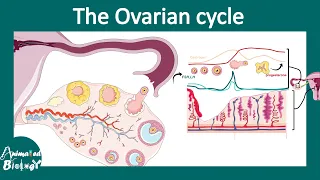
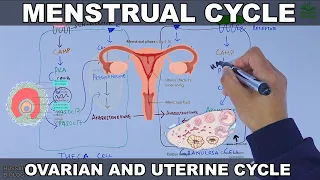
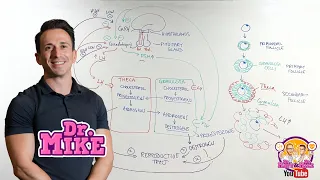
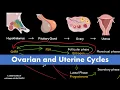
in the menstrual cycle the ovaries and uterus are working in a coordinated rhythm in order to create the opportunity for pregnancy to occur and to support that pregnancy should it occur this is one of my favorite topics in physiology because it's such a relatable topic and so many students have aha moments when learning about this but it is a complex topic so to make it more understandable we're going to look at the same thing in multiple ways each time layering in more and more detail until eventually the entire picture should become clear so the first
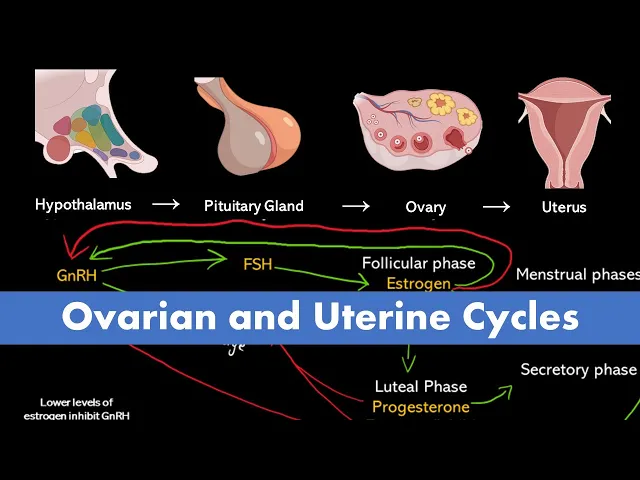
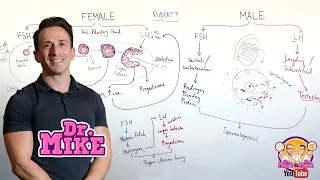
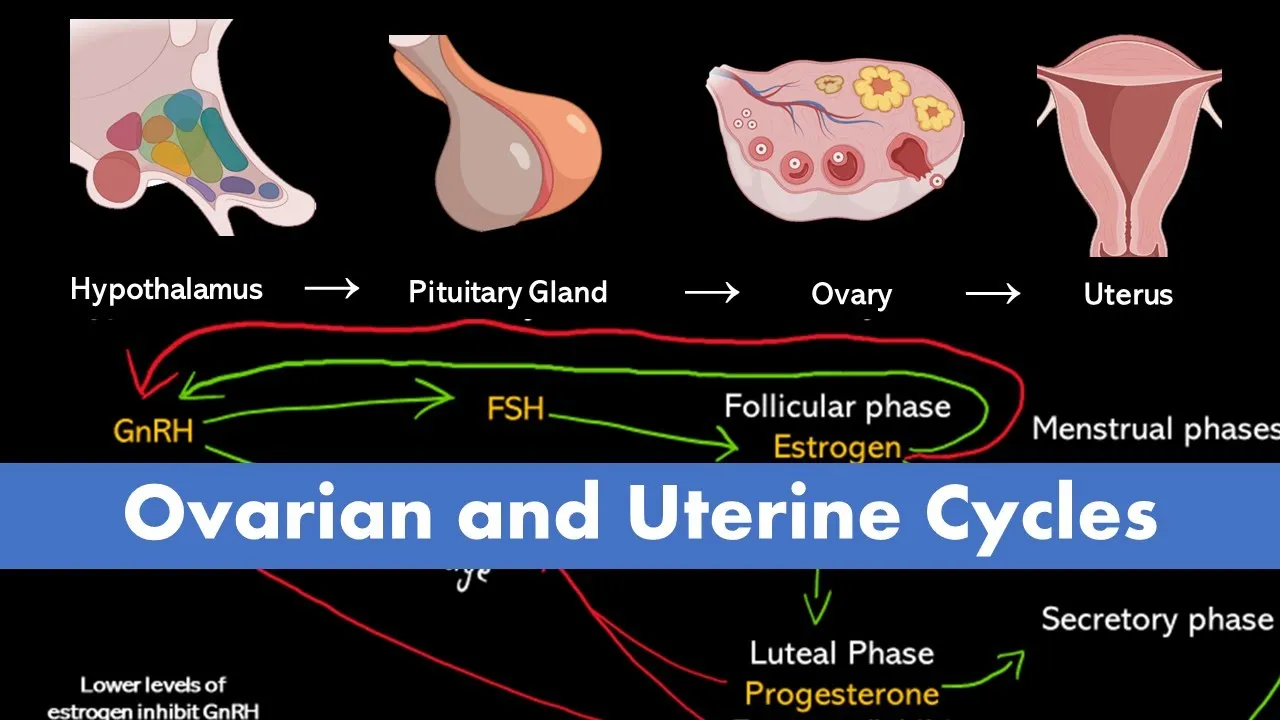
thing to understand is that it's not just the ovary and the uterus involved here the ovarian and uterine Cycles actually start in the brain in a region of your brain called the hypothalamus the hypothalamus controls the pituitary gland the pituitary gland controls the ovary and the ovary is what controls the uterus so how are all these organs communicating they are communicating through hormones hormones are just chemical messages that can spread through the blood that tell a certain organ or tissue what to do at that time so the hypothalamus releases a hormone called gonadotropin releasing hormone
and that stimulates the release of follicle stimulating hormone and luteinizing hormone from the pituitary gland those hormones travel to the ovary to help the ovary regulate its cycle and during the ovarian cycle the ovary releases two hormones estrogen and progesterone those hormones tell the uterus what to do but also they give feedback to the pituitary gland and the hypothalamus and at the very end of this video we will get into exactly how the ovary is helping to regulate those two things the uterus does not release any hormones the uterus is just kind of a long
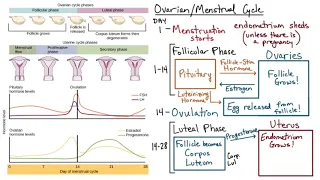
for the ride it's just doing what it is supposed to be doing based on the hormones coming from the ovaries however if a pregnancy does occur the embryo will release a hormone called human chorionic gonadotropin which is the hormone that is being tested for in a home pregnancy test and that hormone influences the ovarian cycle and therefore influences the uterus so now let's get into some more detail about the specifics of the ovarian and uterine Cycles the ovarian cycle has a follicular phase ovulation which is just an event about halfway through the month and the
last phase is the luteal phase the uterine cycle begins with the menstrual phase days one to five one to eight one to ten however long your cycle lasts followed by the proliferative phase and then after the proliferative phase is the secretory phase so the follicular phase is called the follicular phase because in the ovary there are follicles and those follicles contain the eggs that are released once a month so during the follicular phase follicle stimulating hormone from the pituitary gland stimulates the follicles to develop and release estrogen not all of them just some of them
different ones are developing every month now that estrogen is ultimately going to create a feedback loop which is going to cause a surge in luteinizing hormone and the luteinizing hormone is going to cause the egg to rupture from the follicle during ovulation after ovulation that ruptured follicle is going to turn into something called the corpus luteum the corpus luteum releases progesterone it does also release estrogen and some other things but the progesterone is going to end up being the most important hormone and you will see why so the uterine cycle starts with our menstrual phase
during that time a woman is shedding the stratum functionalis which is the innermost layer of the endometrium during the proliferative phase the estrogen that the ovaries were releasing during the follicular phase tell the uterus to regrow the stratum functionalis now after ovulation when we're releasing progesterone that progesterone tells the stratum functionalis to secrete a nutrient broth in case of a pregnancy so the uterus has no effect on the ovarian cycle if there is no pregnancy the corpus luteum just degenerates and Withers away and that causes a drop in progesterone that drop in progesterone is what
triggers the menstrual phase so the end of the ovarian cycle triggers the start of the uterine cycle and everything starts all over again so let's quick recap what we have learned so far so the hypothalamus releases the gonadotropin releasing hormone which causes the release of FSH and LH FSH does what to the ovary it causes it to release estrogen during the follicular phase this estrogen tells the uterus to regrow the stratum functionalis during the proliferative phase but also that estrogen causes the hypothalamus to release more gonadotropin releasing hormone so this becomes a positive feedback cycle
because more GnRH equals more FSH more estrogen more GnRH so it's going to get bigger and bigger and bigger that positive feedback loop is what causes the surge of luteinizing hormone and The Surge of luteinizing hormone causes ovulation once ovulation occurs we are no longer in the follicular phase we are in the luteophase where we're releasing progesterone and the progesterone causes the uterus to secrete a nutrient broth in case we just got pregnant now if there is no pregnancy the corpus luteum dies we decrease our progesterone that triggers the menstrual phase now during the luteal
phase we're also releasing estrogen and inhibin from that corpus luteum all together those three hormones actually suppress the hypothalamus and the pituitary gland to shut off the pathway and end that positive feedback loop but I know what you're thinking - didn't I just say before that estrogen causes us to increase our GnRH and now I'm saying that causes a decrease it actually does both depending on the level So Below a certain threshold estrogen inhibits the GnRH high levels will stimulate it so depending on what part of the follicular phase that we are in estrogen might
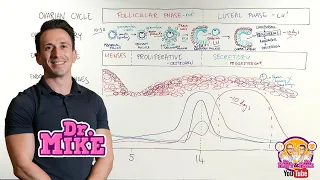
be stimulating and it might be inhibiting so now the last thing we're going to do is take a look at why that is and how the ovary is providing feedback to the hypothalamus and pituitary gland so if we look this yellow line is our estrogen and it is getting steadily higher our FSH and LH you can see they start to dip right before ovulation now the purpose of this which I did not mention before is the follicles are developing but more than one follicle is developing so this FSH is kind of like the life support
for the ovarian follicle so we want this dip to occur to pretty much kill off all of the follicles except one one dominant follicle is going to survive and this is to prevent multiple eggs from being released so even though there was a dip in the FSH that dominant follicle is like a Powerhouse and it is still releasing estrogen and it goes past the point of inhibiting the GnRH to now it's at the level where it's stimulating it and that's where we see that positive feedback loop that ultimately causes the LH surge which causes ovulation
now after ovulation because our follicle just ruptured and got destroyed we have a sharp dip in estrogen and it does start to rise again because the corpus luteum does release estrogen but it does not rise to the point where it has a stimulatory effect so that estrogen progesterone in heaven coming from the corpus luteum are all working together to keep your follicle stimulating hormone low because you don't want to activate more follicles right now because you don't want another LH surge you don't want to release another egg when maybe you are already pregnant we're trying
to not have two pregnancies at the same time however no pregnancy that corpus luteum dies you stop releasing estrogen which allows the FSH to start Rising again which initiates more follicles to begin developing and that puts us back at the beginning of the cycle all right so that's all I have to say about the ovarian and uterine cycles I hope it was helpful I hope you understand it a little bit better now have a great day and have fun learning