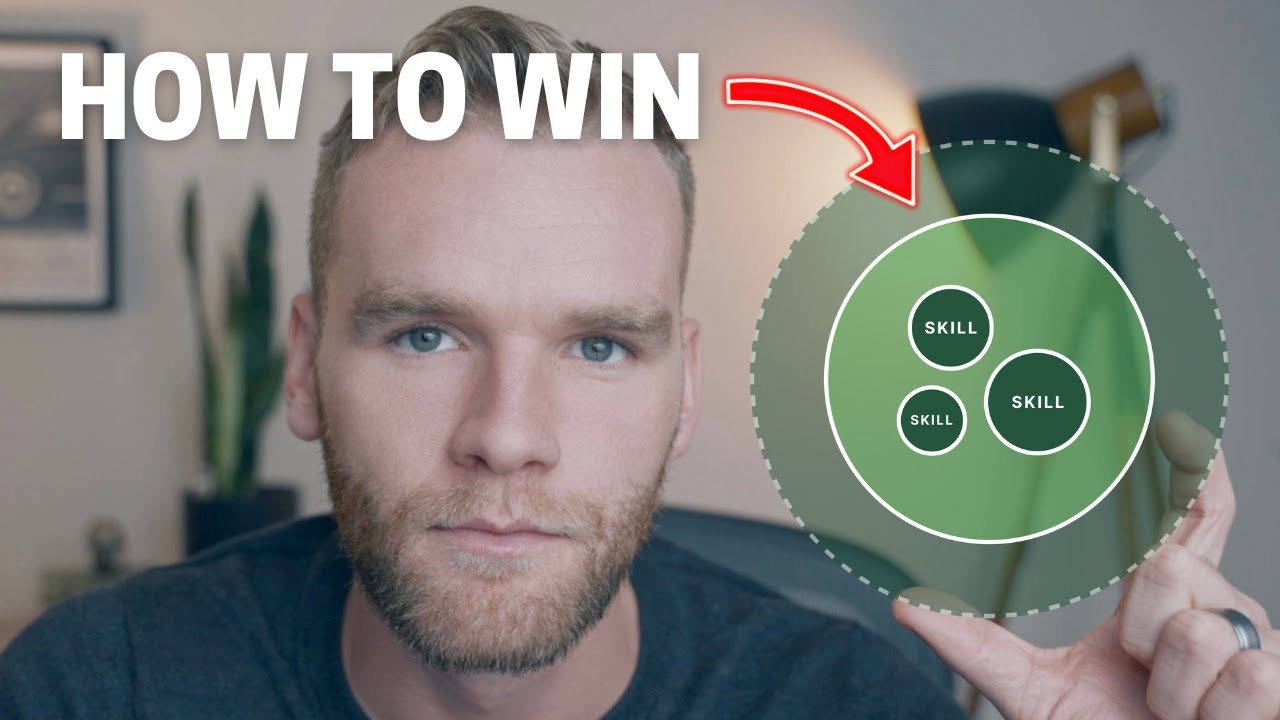
you are about to watch a video that took a lot of time effort research and finesse but youtube doesn't care about any of that it's just a big algorithm that counts how many people like share and subscribe if too few people like share and subscribe they bury the video so deep nobody ever sees it again so get ready to contemplate the feature presentation and remember that you determine whether or not anyone ever sees it again the circle of competence mental model was developed by warren buffett and his business partner charlie munger it is a model
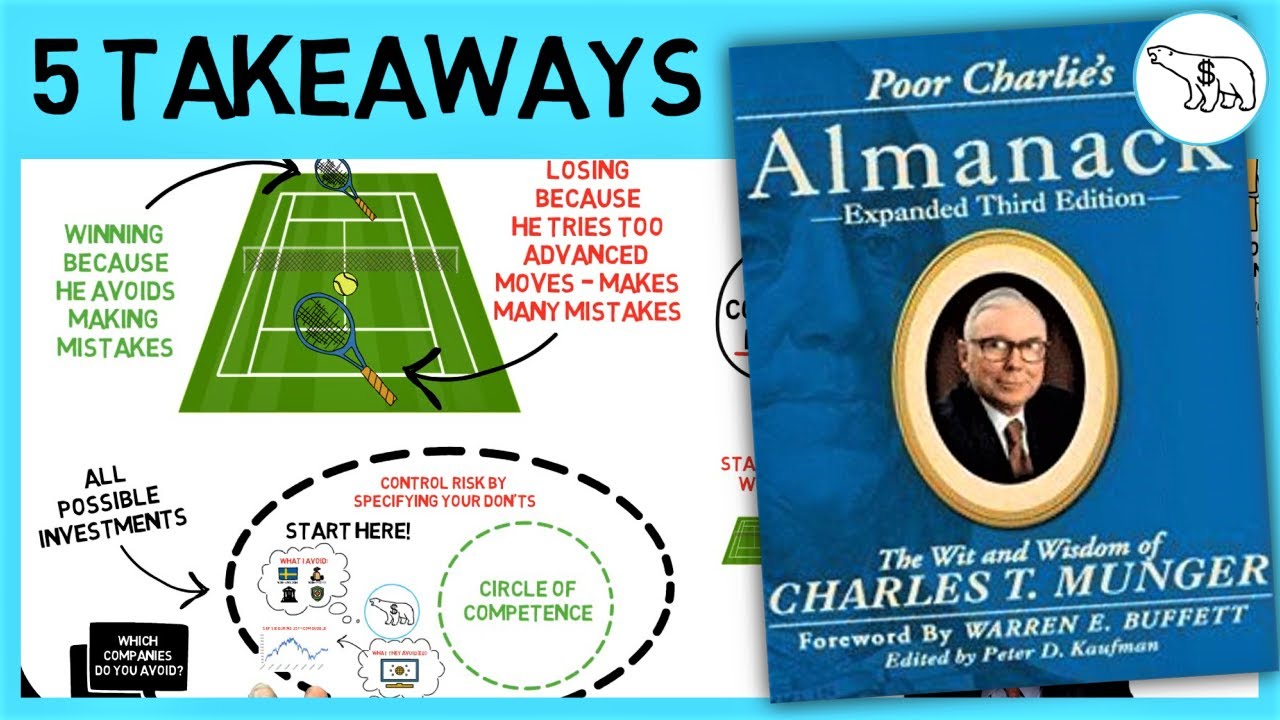
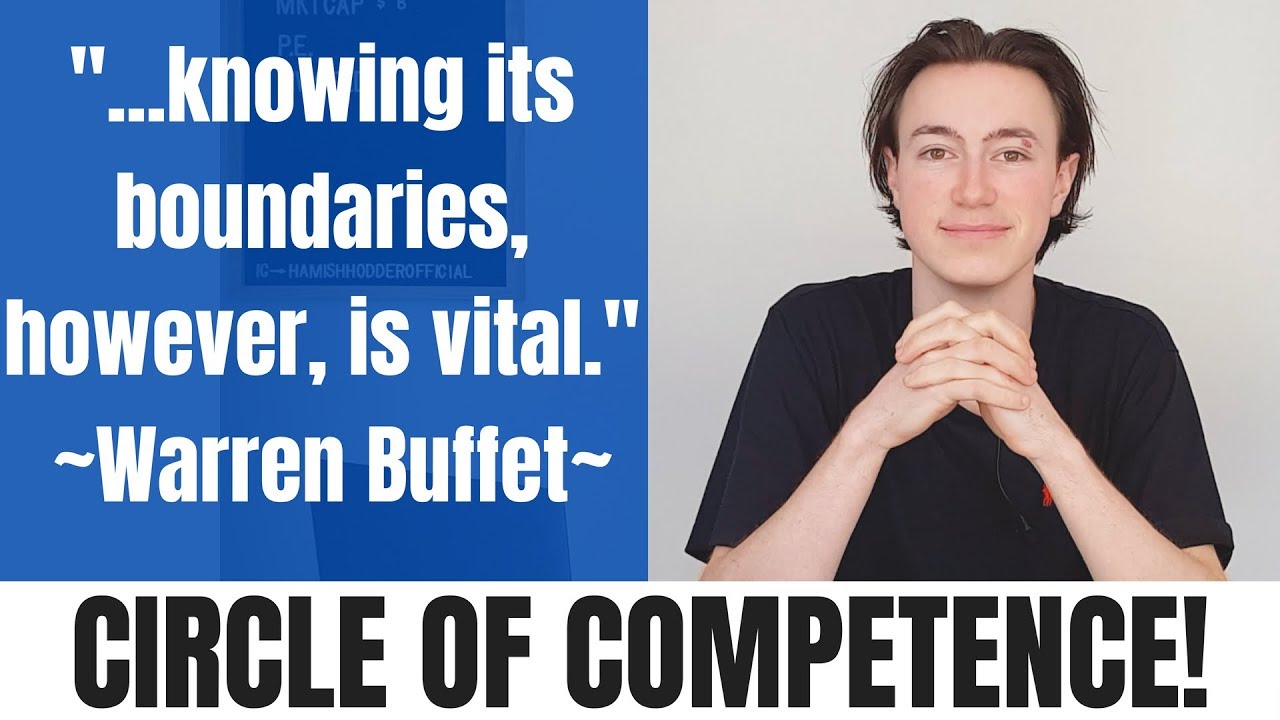
that describes the area of understanding that matches a person's skills abilities or expertise buffett and monger use the model to describe limiting one's financial investments away from areas you have limited understanding or expertise and instead focusing on areas where you have the greatest familiarity or edge part of the model involves the importance of accurately assessing one's own abilities relative to what one may think they might know warren buffett has said in a 1996 shareholder letter know your circle of competence and stick within it the size of that circle is not very important knowing its boundaries
however is vital what an investor needs is the ability to correctly evaluate selected businesses note that word selected you don't have to be an expert on every company or even many you only have to be able to evaluate companies within your circle of competence warren buffett while buffett and monger have popularized the idea of a circle of competence within which we focus our efforts the concept itself could be traced back even further to the earlier business titan andrew carnegie who made his vast fortune by focusing his efforts within the iron and steel industry carnegie is
quoted as saying my advice to young men would be not only to concentrate their whole time and attention on the one business and life which they engage but to put every dollar of their capital into it andrew carnegie there are other successful people who have benefited from this way of thinking as well ibm founder tom watson senior alluded to this concept when he said i'm no genius i'm smart in spots but i stay around those spots tom watson senior there are many career paths callings and areas of personal expertise in life the physician will understand
medicine whereas the farmer will understand crop rotation however both of them may happen to drive a car and so we have both separate circles of competence and areas where their circles overlap just because they overlap in certain areas does not mean the farmer should try to prescribe medicine if they stick to what they are best at they both will be better off which shows how the circle of competence is similar to another mental model from economics called comparative advantage comparative advantage essentially describes how two trading partners are better off doing what they are best at
even if one of them is better at both the opportunity cost of doing what we are less of an expert in is just too high we maintain our edge by staying within our circle of competence charlie munger put it succinctly when he said you have to figure out what your own aptitudes are if you play games where other people have the aptitudes and you don't you're going to lose and that's as close to certain as any prediction that you can make you have to figure out where you've got an edge and you've got to play
within your own circle of competence if you have competence you know the edge it wouldn't be a competence if you didn't know where the boundaries lie charlie munger you can tell that buffett and monger think along the same lines by what buffett had to say about defining your circle the most important thing in terms of your circle of competence is not how large the area of it is but how well you've defined the perimeter if you know where your edges are you are way better off than somebody who has a circle five times as large
but is very fuzzy about the border warren buffett this is not to say that our circles can't get larger we can widen our circle of competence however it is a slow process that can take a lot of time it could then be argued that this time could best be spent where it gives the most leverage which is of course areas already within our circle of competence when warren buffett first started out in business decades ago he soon realized that the insurance industry was something he intuitively understood he also admitted that he did not particularly understand
the retail industry even though he spent some time working in it when he was young much of his success can probably be attributed to the fact that he recognized early on what made sense to him and focused on that beyond focus it is also important to have the right mindset just because you lack knowledge in an area should not persuade you towards an attitude of ignorance or learning apathy increasing our circle by connecting new knowledge and ideas within our lattice work of understanding should be part of our life's purpose this is true for monger who
admits much of his success comes from his wide learning interests i paid no attention to the territorial boundaries of academic disciplines and i just grabbed all the big ideas that i could charlie munger learning the right knowledge may take us outside of our current area of competence but it could also end up linking with areas we do have competence in as we fill in the gaps make connections and pursue our learning niche we can develop what naval ravicon calls specific knowledge specific knowledge is found by pursuing your genuine curiosity and passion rather than whatever is
hot right now everybody wants to get rich immediately but the world is an efficient place immediate doesn't work you do have to put in the time you do have to put in the hours and so i think you have to put yourself in the position with specific knowledge with accountability with leverage with the authentic skill set you have to be the best in the world at what you do you have to enjoy it and keep doing it and keep doing it and keep doing it don't keep track and don't keep count because if you do
you will run out of time naval ravicon another important aspect of the circle of competence is that it can be helpful to be aware of what we actually know versus what we may just be exposed to recently the vivid or recent availability bias is where things we are exposed to recently or which come to our minds vividly become things we assume that we know with a higher degree of confidence if we are familiar with something enough to think of it we may assume that we fully understand it or if we just happen to have a
news story fresh in our mind we may be biased into believing that we are competent to judge that area knowing the true limits of our circle of competence is important in order to avoid personal cognitive bias and errors of overconfidence if knowledge is power knowing what we don't know is wisdom adam grant these biases tie into a concept from social psychology called the illusion of explanatory depth where people have the illusion that they know something well or are competent but when they go to actually explain the topic they are unable to do a very good
job explaining it their depth of understanding was merely an illusion it can actually be common to believe that we have more knowledge or understanding than we actually do the dunning-kruger effect applies to the circle of competence as well because the effect basically describes what happens when people gauge their own abilities average performers tend to rate themselves as above average while above average performers tend to see themselves as average clearly being aware of the myriad of cognitive biases that can affect our judgment can be an important part of accurately determining where our circle of competence actually
lies so that we can be honest with ourselves and make better decisions from a place of strength rather than weakness the circle of competence mental model is simple to understand and the lessons are clear if we want to increase our odds of success in investing and life in general we must know the perimeter of our circle of competence and operate inside of it with full awareness of our potential biases we should also work towards expanding our circle of competence but do so with an awareness that we almost certainly have fatal gaps in our understanding and
that it will take time to develop true competence if you enjoy these videos please share them with someone you think may benefit also consider clicking the join button if you would like access to special members only videos and hopefully you've already subscribed and clicked the thumbs up button as well because all these things will send the right signals to youtube to recommend these videos to others thanks for watching