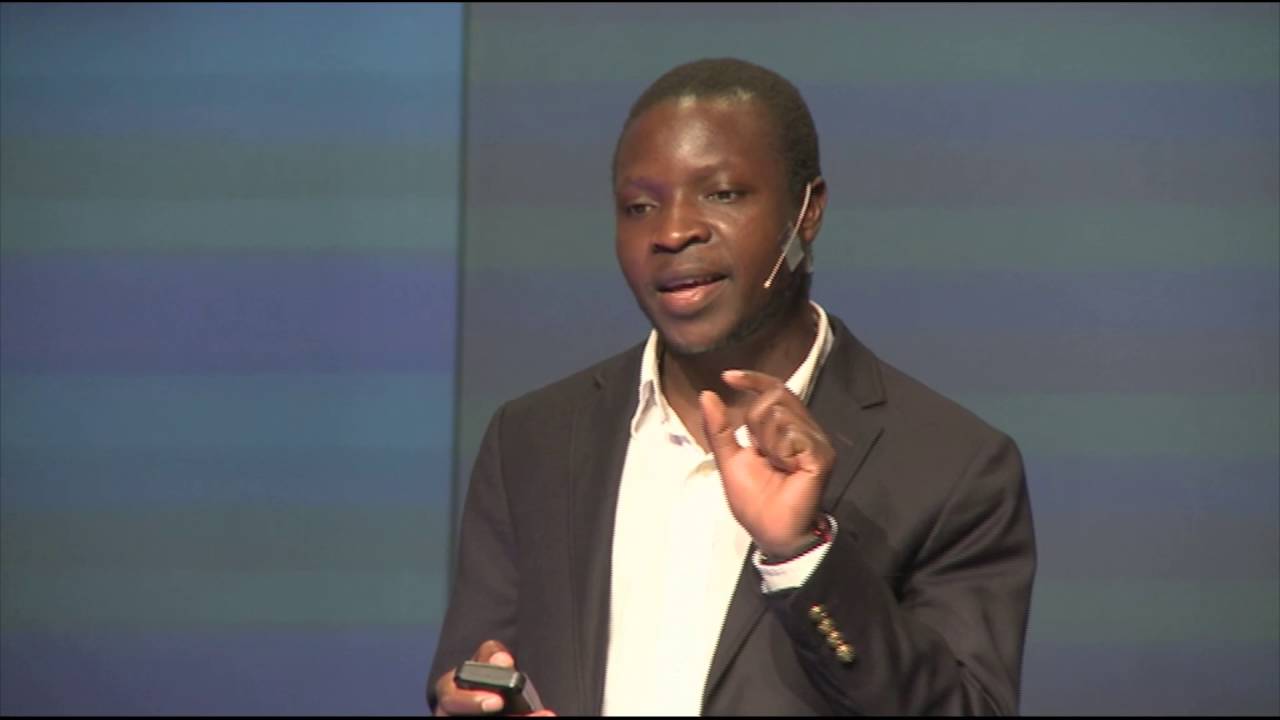
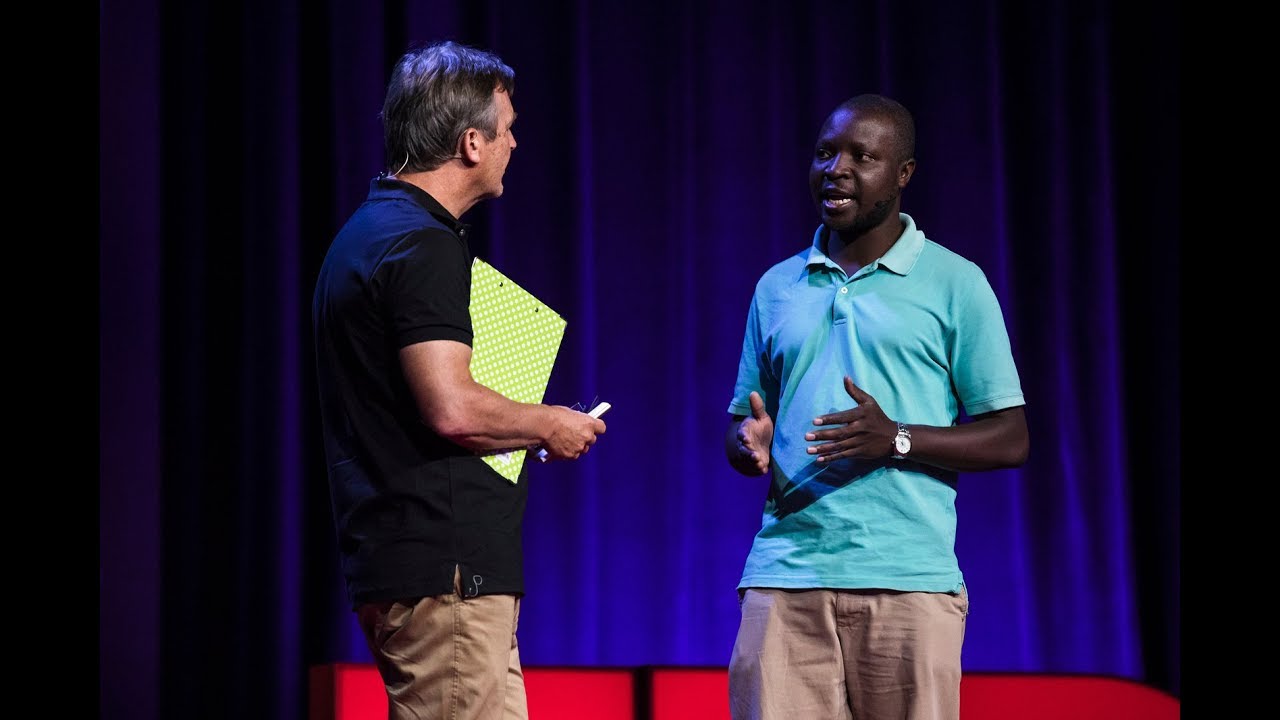
Chris Anderson: William, hi. Good to see you. William Kamkwamba: Thanks.
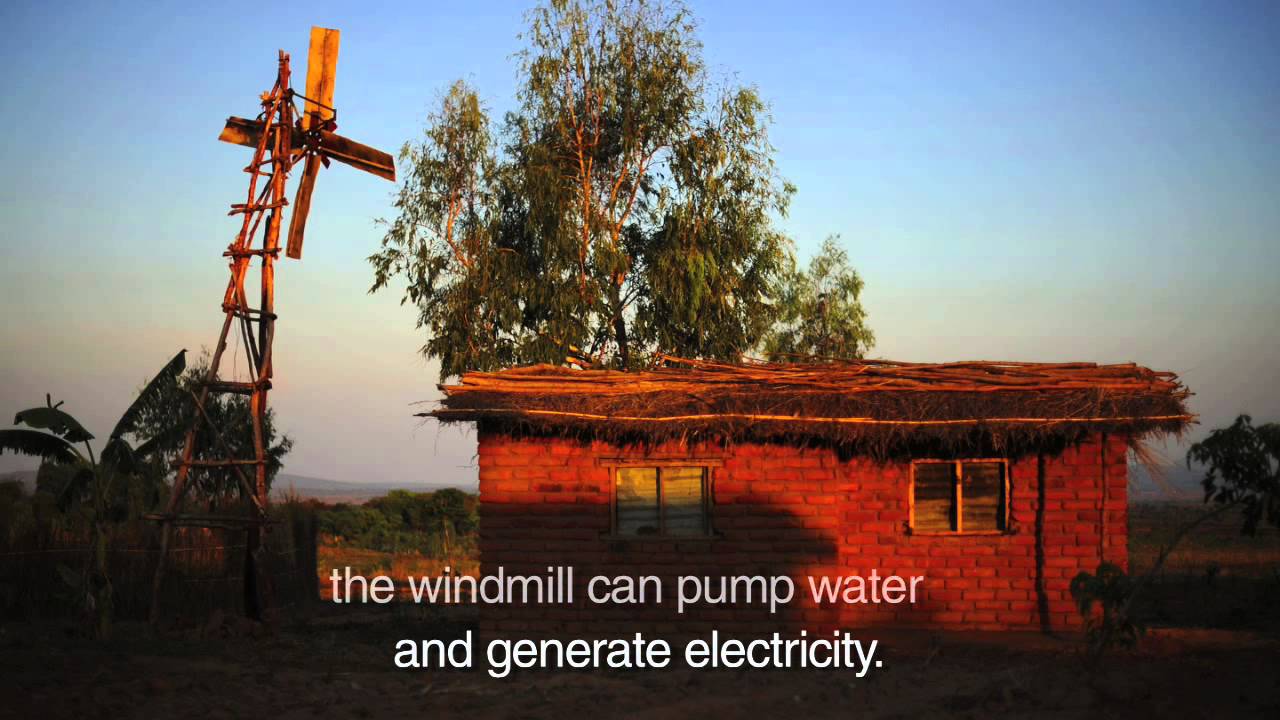
CA: So, we've got a picture, I think? Where is this? WK: This is my home.
This is where I live. CA: Where? What country?
WK: In Malawi, Kasungu. In Kasungu. Yeah, Mala.
CA: OK. Now, you're 19 now? WK: Yeah.
I'm 19 years now. CA: Five years ago you had an idea. What was that?
WK: I wanted to make a windmill. CA: A windmill? WK: Yeah.
CA: What, to power -- for lighting and stuff? WK: Yeah. CA: So what did you do?
How did you realize that? WK: After I dropped out of school, I went to library, and I read a book that would -- "Using Energy," and I get information about doing the mill. And I tried, and I made it.
(Applause) CA: So you copied -- you exactly copied the design in the book. WK: Ah, no. I just -- CA: What happened?
WK: In fact, a design of the windmill that was in the book, it has got four -- ah -- three blades, and mine has got four blades. CA: The book had three, yours had four. WK: Yeah.
CA: And you made it out of what? WK: I made four blades, just because I want to increase power. CA: OK.
WK: Yeah. CA: You tested three, and found that four worked better? WK: Yeah.
I test. CA: And what did you make the windmill out of? What materials did you use?
WK: I use a bicycle frame, and a pulley, and plastic pipe, what then pulls -- CA: Do we have a picture of that? Can we have the next slide? WK: Yeah.
The windmill. CA: And so, and that windmill, what -- it worked? WK: When the wind blows, it rotates and generates.
CA: How much electricity? WK: 12 watts. CA: And so, that lit a light for the house?
How many lights? WK: Four bulbs and two radios. CA: Wow.
WK: Yeah. (Applause) CA: Next slide -- so who's that? WK: This is my parents, holding the radio.
CA: So what did they make of -- that you were 14, 15 at the time -- what did they make of this? They were impressed? WK: Yeah.
CA: And so what's your -- what are you going to do with this? WK: Um -- CA: What do you -- I mean -- do you want to build another one? WK: Yeah, I want to build another one -- to pump water and irrigation for crops.
CA: So this one would have to be bigger? WK: Yeah. CA: How big?
WK: I think it will produce more than 20 the watts. CA: So that would produce irrigation for the entire village? WK: Yeah.
CA: Wow. And so you're talking to people here at TED to get people who might be able to help in some way to realize this dream? WK: Yeah, if they can help me with materials, yeah.
CA: And as you think of your life going forward, you're 19 now, do you picture continuing with this dream of working in energy? WK: Yeah. I'm still thinking to work on energy.
CA: Wow. William, it's a real honor to have you at the TED conference. Thank you so much for coming.
WK: Thank you.







![[실화] 기근에 약탈과 폭력이 난무하는 아프리카. 그곳에서 한 천재 소년이 일으킨 놀라운 기적 (영화리뷰 결말포함)](https://img.youtube.com/vi/rrBz6uMDncY/maxresdefault.jpg)