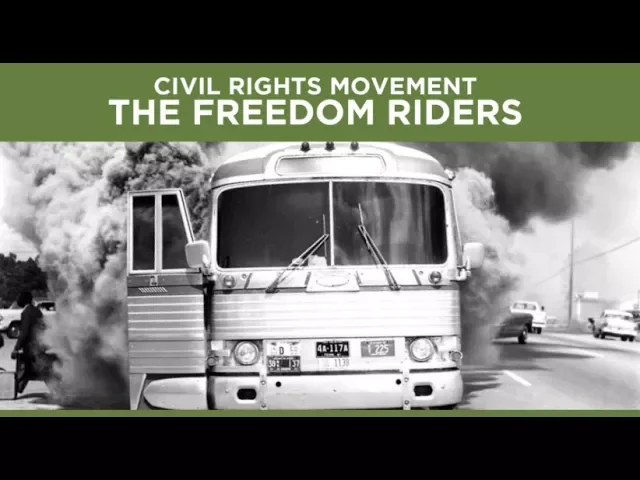
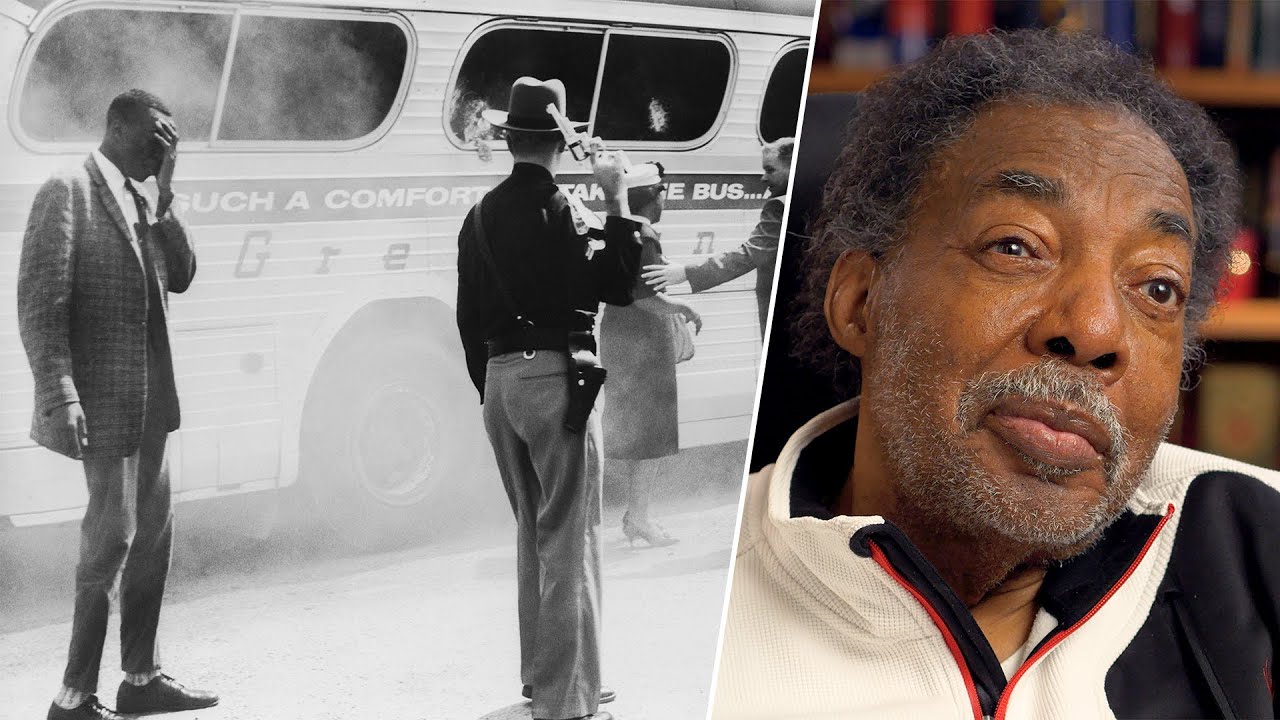
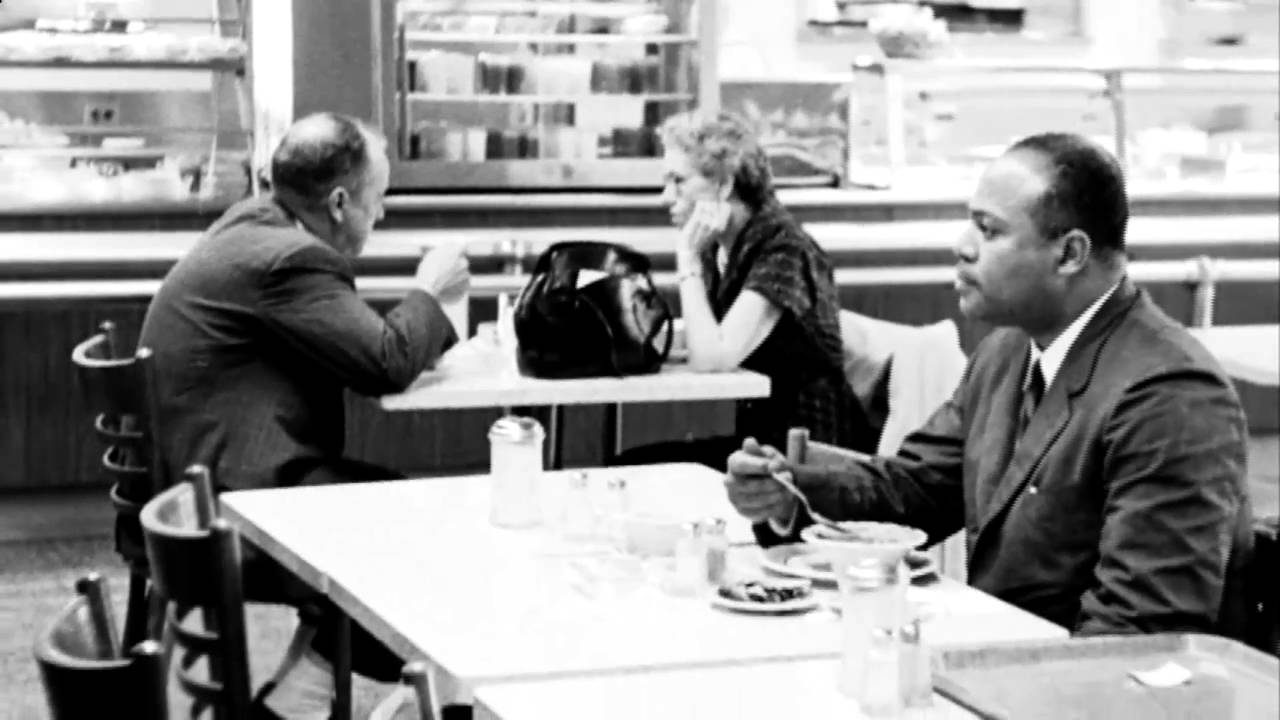
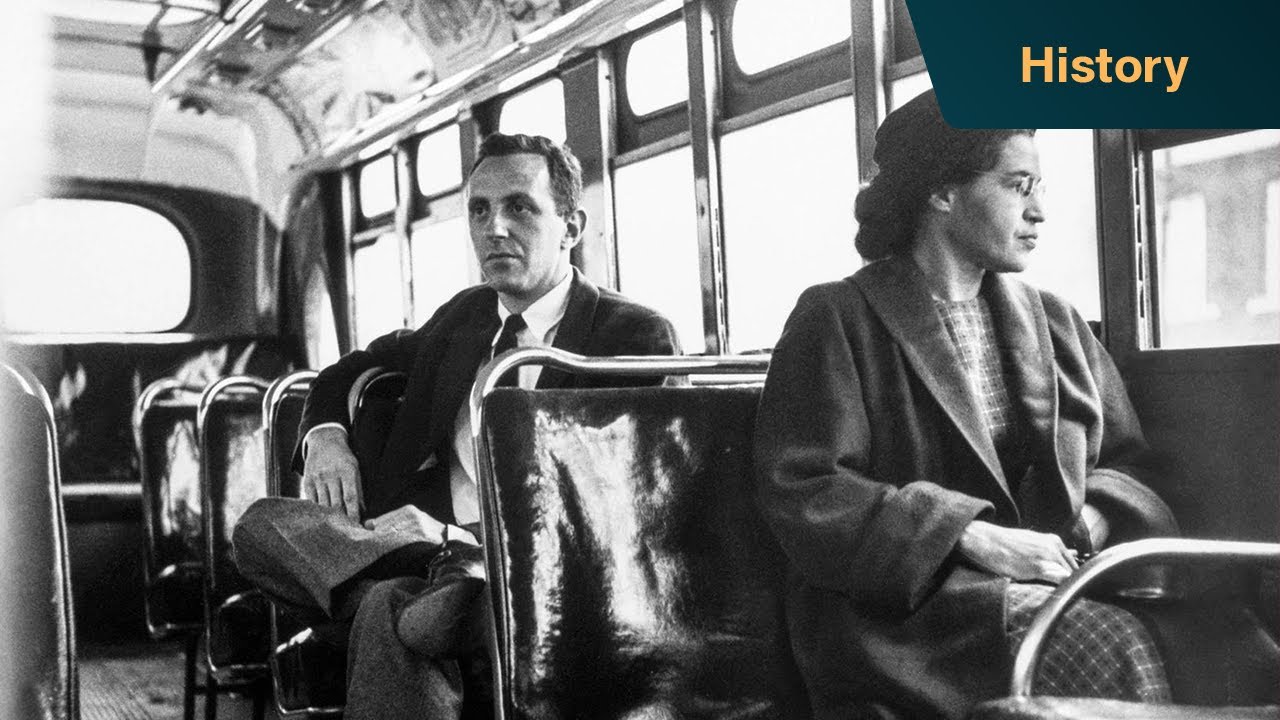
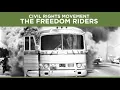
They were a response to a law that had been passed. So in 1961, a northern group of civil rights activists called CORE, the Congress of Racial Equality, decides to test this law by calling together activists of different ages, of different races, of different educational and economic backgrounds, and of different religions to travel together, sitting side-by-side on interstate buses from Washington, DC all the way to the deep South. Initially, the rides went very well.
They would walk in as an integrated group, violating the precepts of Jim Crow, and people wouldn't bother them. When they came to the deep South, it was a different story. So their ride stalls.
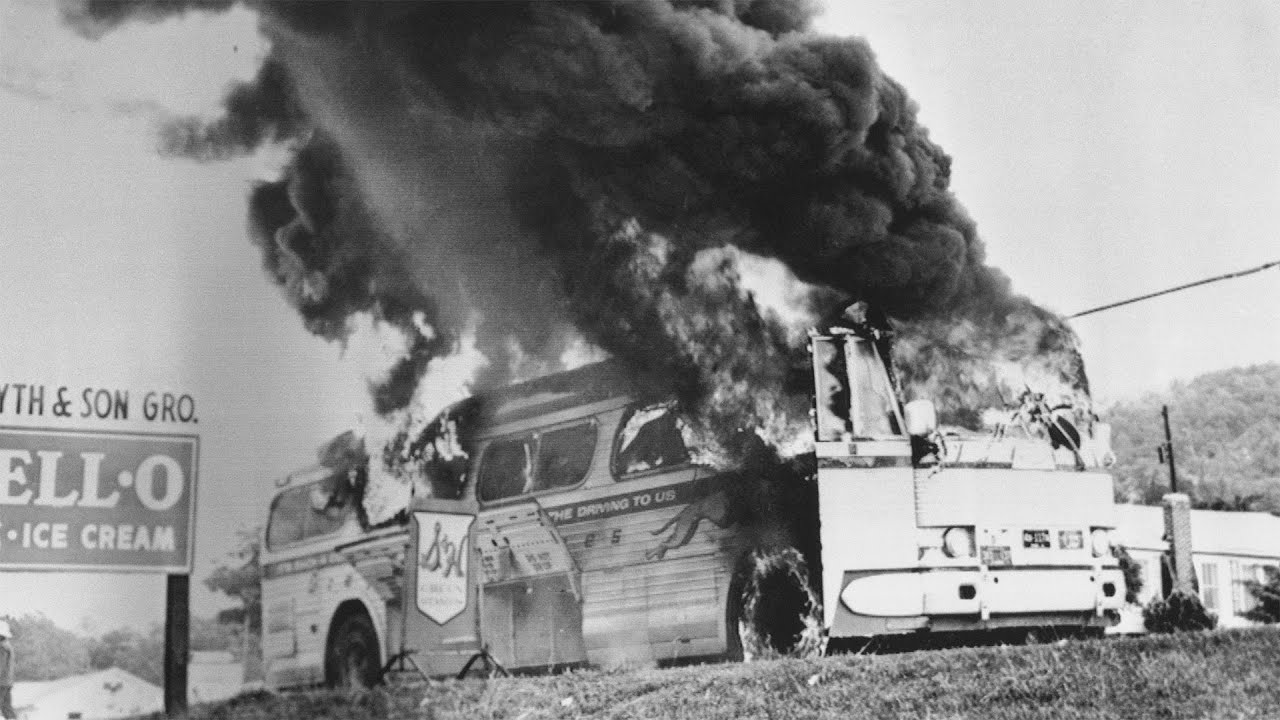
They encountered hostile, violent, angry mobs. The federal government sends in its officials to help them get out of there and flies them to New Orleans. Do you feel that it's wrong to discriminate against a person solely on the basis of his race, their color?
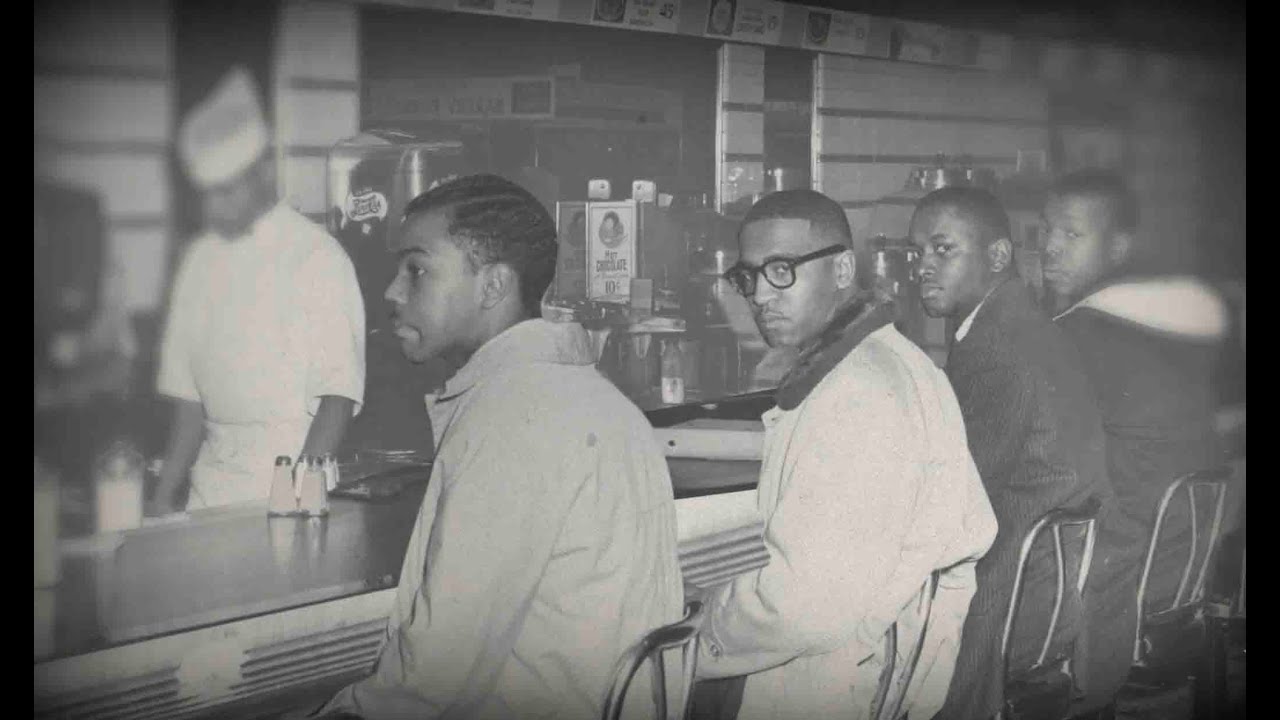
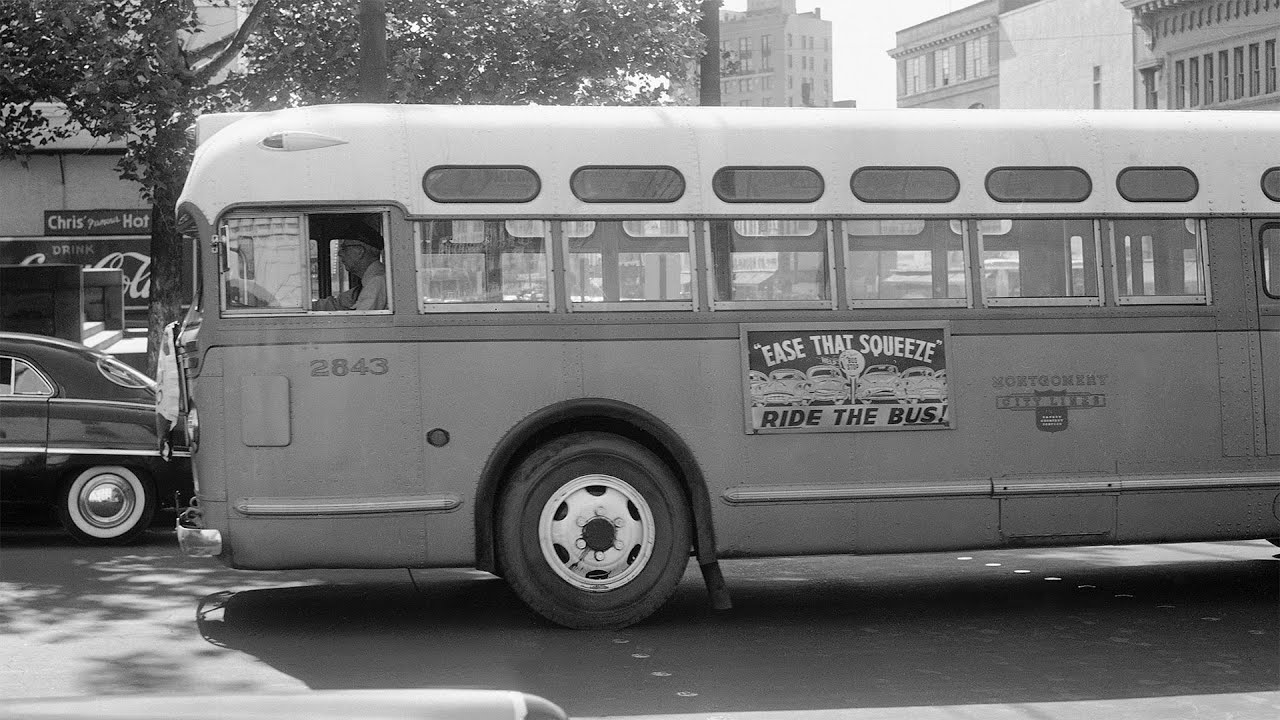
Diane Nash, who had led the Nashville sit-ins, heard about the Freedom Rides, heard about the trouble that the Freedom Riders had encountered, and she did not want the Freedom Rides to go down in the annals of history as a failure. She repeated the model of CORE, and they immediately encounter hostility again in Alabama. There's a notorious moment in Montgomery where the riders are badly beaten, reporters who are filming the riders are badly beaten.
The local African-American church has a mass meeting to call attention to this problem. Dr King is flown in. A mob of thousands surrounds the church and threatens to set the church on fire.
Dr King phones the Attorney General, Robert Kennedy, and asks for help, and after a long series of telephone calls with the governor of Alabama, Robert Kennedy sends in the National Guard to rescue Dr King and his congregation. This is a moment of triumph for the Civil Rights Movement because it shows that the federal government is willing to bring its full powers in support of the Civil Rights Movement. So already the Freedom Rides are creating the kind of social change that the riders wanted to.
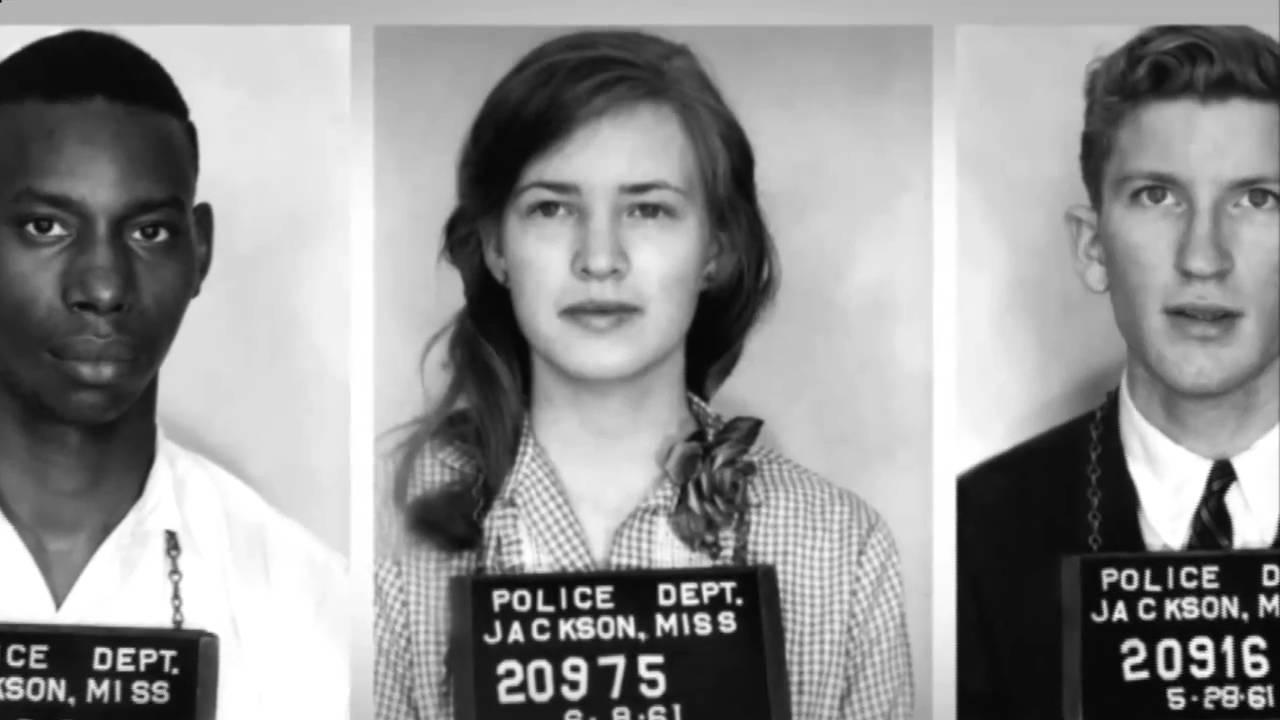
The riders continued during the second round, all the way to Jackson, Mississippi, with some degree of police protection. In Jackson, Mississippi, they are promptly thrown in a notorious prison called Parchment, which was well known for the kind of hard labor that the prisoners had to enact. Did this discourage the Freedom Riders?
No. It strengthened their resolve. They practiced non-violence in those jails when the guards were violent toward them, and they modeled to people in jail, who had not been a part of the movement, they modeled to the people in jail how serious the motivations of the movement activists were and how transformative the movement was.
In the end, the Attorney General was able to change the laws, and interstate travel was finally really desegregated as a result of the Freedom Rides. So the Freedom Rides are a major success for the civil rights activists in the early 1960s.